FTC Exposes $2B Hidden Fee Machine—65,000 Renters Charged For Services They Never Agreed To
Since 2020, the FTC documented 65,000 rental scam complaints totaling $65 million in reported losses. This represents only 4.8% of those who filed complaints, suggesting the real damage stretches into billions. Car leases, apartments, and equipment rentals often advertise one price while charging another, embedding mandatory fees in long, unreadable contracts. Consumers realize the true cost after deposits are paid and leverage is lost. The largest leasing industry regulatory crackdown started with dealerships. Companies across multiple sectors face similar scrutiny, and the patterns of hidden fees extend far beyond vehicles.
Hidden Fee Structure
The rental and leasing system uses a three-layer approach. First, low headline prices attract buyers. Second, contracts between 40 and 60 pages conceal mandatory charges. Third, strict interpretations at lease end maximize penalties. Greystar, managing 950,000 units nationwide, charged extra for package delivery, trash pickup, and technology services. Renters paid hundreds more monthly for services they did not request. The FTC enforced a $24 million settlement in December 2025. The same model appears in other industries. Every hidden fee adds to the profit while leaving consumers unaware until bills arrive.
Car Lease Costs

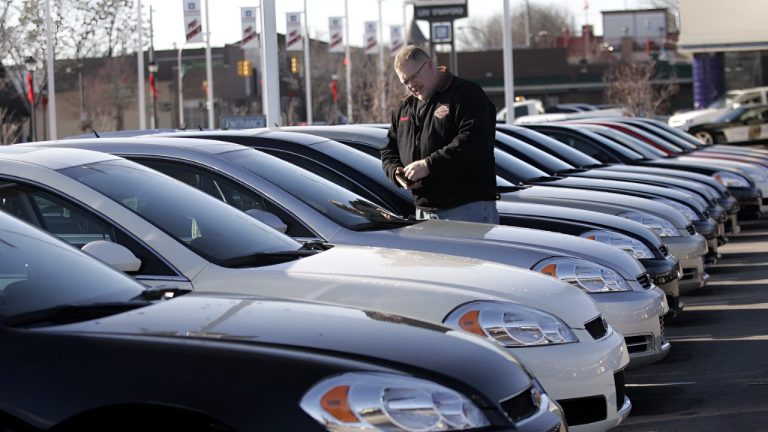
Car leases impose fees that appear only at return. Acquisition fees range from several hundred dollars to over $1,500 on luxury vehicles. Disposition fees add $300 to $500. Exceeding mileage limits by 6,000 miles costs roughly $1,200 at 20 cents per mile. “Excessive wear and tear” charges apply for minor scratches. Dealer GAP insurance costs $500 to $1,000, while comparable coverage from outside insurers runs $20 to $40 annually. Markups show where profits concentrate. Each lease hides costs behind a seemingly low monthly payment. Consumers face significant expenses that appear only when contracts conclude.
Fabricated Dealer Fees

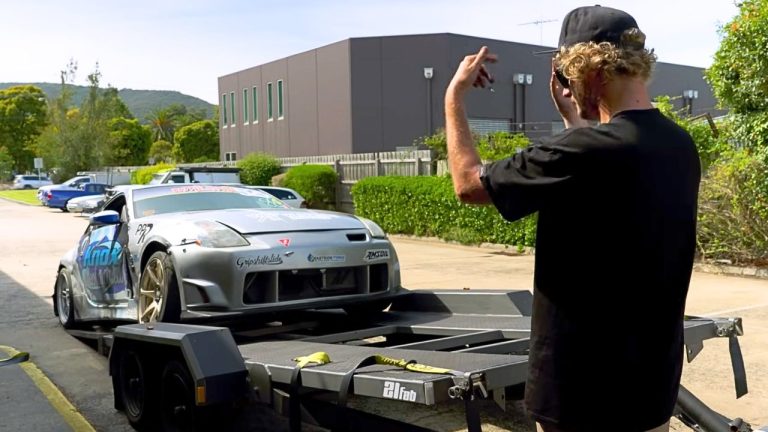
Dealerships charge fees that do not exist under law. One Nissan location billed a “lemon law fee” at lease end. The FTC investigated and recovered $31,500 for customers. In the first quarter of 2025, 21,400 fraudulent auto loan complaints were filed, setting the year on pace for the highest total recorded. Industry responses have focused on continuing fee extraction rather than cleanup. Most consumers never file complaints. These patterns demonstrate deliberate practices to collect fees through confusion, with enforcement triggered only after multiple violations are identified and publicized by federal agencies.
HVAC Rental Liens

Homeowners nationwide face rental contracts on HVAC systems with liens attached to property titles. Buyout costs range from $5,000 to $10,000 for equipment valued around $2,500. Selling or refinancing homes with these liens is difficult. In many cases, previous owners signed the agreements, transferring obligations to current homeowners. The same extraction strategy applies in housing, vehicles, and equipment rentals. Contracts are structured to enforce long-term payments with limited consumer recourse. Hidden fees accumulate while buyers and renters remain unaware. The pattern shows that the system extends beyond cars and apartments into essential home services.
One Mechanism

All these industries share the same profit mechanism: penalty collection rather than service delivery. Car dealerships, landlords, HVAC companies, and rent-to-own operators compete to maximize fees after consumers are committed. Advertised prices attract attention. Contracts obscure obligations. Lease-end penalties collect payments. This explains why cars, apartments, and furnace rentals produce similar financial shocks. Understanding the system reveals that it is not isolated misconduct. The underlying business model is consistent across sectors. Each consumer encounter reinforces the architecture that allows companies to extract fees repeatedly from uninformed or inexperienced buyers.
Total Losses Revealed

In Oklahoma, rent-to-own mobile home operators promised homeownership while charging 24% compound monthly interest on unpaid balances. Cash Flowing Investments increased rent by 40% on uninhabitable properties. Attorney Eric Hallett said in March 2026, “It’s just a scam. It’s absolutely harmful. The tenants are lured into home ownership, and they can end up losing everything they put into it.” Contracts invoked out-of-state law to bypass local tenant protections. Families lost years of payments. The scenario illustrates how hidden fees can escalate into total financial devastation when oversight is delayed or ineffective.
Enforcement Arrives
The FTC and state authorities intensified action in 2025. Chairman Andrew Ferguson noted staff were instructed to propose rules addressing deceptive rental fees. Canada introduced legislation restricting hidden service charges in financial services. California’s attorney general labeled algorithmic rent-fixing by Greystar and RealPage illegal, stating, “Whether it’s through smoke-filled backroom deals or through an algorithm on your computer screen, colluding to drive up prices is illegal.” A decade of consumer harm preceded enforcement, leaving long-term impacts. Regulators now target systemic practices, but previous losses have already affected tens of thousands of renters and buyers.
Who Bears the Cost

Adults ages 18 to 29 lose money to rental scams at three times the rate of older consumers. Half of these scams originate with fake Facebook ads. Inexperienced contract readers are most vulnerable. U.S. car rental companies collected over $2 billion in add-on fees in 2024, much from coverage renters already possessed. Companies profit from selling unnecessary products to uninformed buyers. Consumers absorb the financial burden. Repeated patterns indicate the most inexperienced and least informed populations are primary targets. These trends highlight how hidden fees exploit the most vulnerable while companies continue accumulating revenue unchecked.
The Machine Persists

The Greystar settlement created a blueprint for legal challenges. Class actions against HVAC rental companies are increasing, and state attorneys general support federal enforcement. Thousands of leasing companies continue operating the same three-layer model. The industry counters by renaming fees and claiming self-regulation while continuing extraction. Leases from cars to apartments to streaming services share the same architecture. Advertised prices attract. Contracts conceal. End-of-term penalties collect. Consumers recognize the system, yet settlements have not halted operations. The structure continues to produce financial shocks across multiple industries and generations of renters and buyers.
Sources:
Rental scams hit home with $65 million in reported losses. Federal Trade Commission, 21 December 2025
FTC Analysis shows Consumers Have Lost Millions to Rental Scams. Federal Trade Commission, 21 December 2025
FTC Submits Draft ANPRM Related to Rental Housing Fees to OMB. Federal Trade Commission, 29 January 2026
Justice Department Reaches Proposed Settlement with Greystar, the Largest U.S. Landlord, to End Its Participation in Algorithmic Pricing Scheme. U.S. Department of Justice, 7 August 2025
Rent-to-own scheme highlights lack of tenant protections. The Journal Record, 2 March 2026
Car rental rip-off: Hidden fees and fake damage claims. CBT News, 2 November 2025