5 Forgotten V4 Cars From the Engine That Won 8 Rally Championships Then Vanished
V4 engines once offered a unique combination of compact size and light weight. They powered cars to multiple rally championships and allowed designers to move cabins forward or place engines midship. Between 1965 and 1973, V4-powered cars won eight rally titles, proving the layout’s capability. Yet the format vanished from most showrooms. Cost, service requirements, and the rise of turbocharged inline-4s shifted manufacturers toward standard engines. These changes reveal how clever engineering can be overshadowed by production and efficiency demands.
How Compact Design Gave V4s an Edge
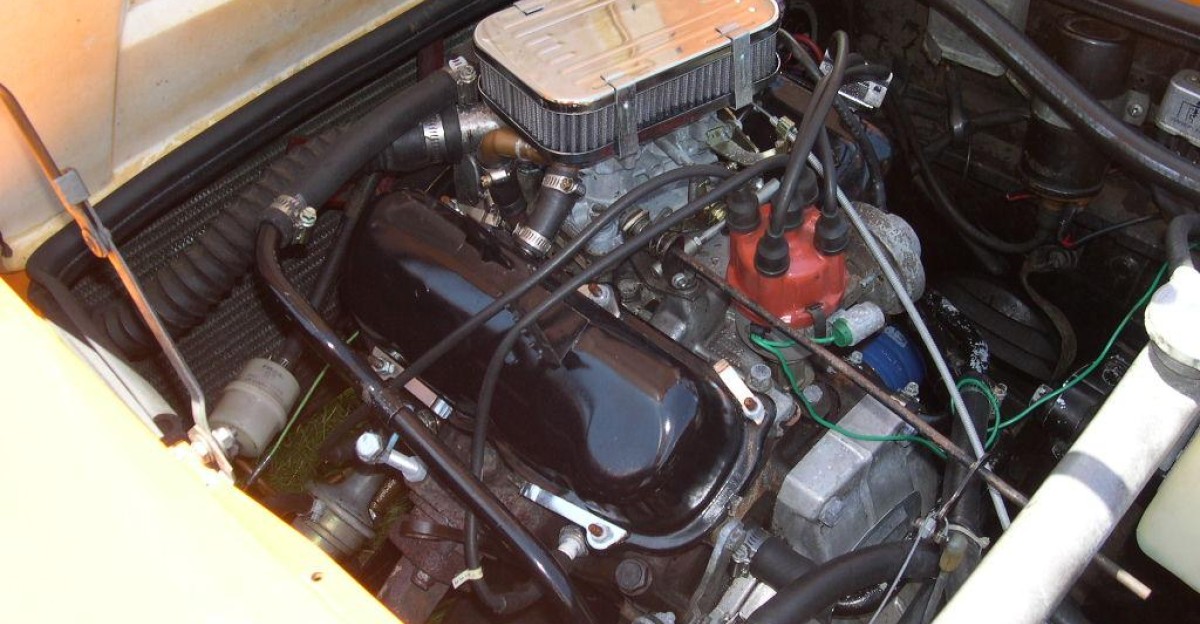
V4 engines were shorter than inline-4s and lighter than most V6s. This allowed tighter engine bays, forward cabin placement, and mid-engine layouts. Jalopnik reports designers used the format to create balanced handling without adding length or mass. Buyers rarely requested a V4, leaving decisions to production managers focused on cost and simplicity. Engineers appreciated the performance potential, but manufacturing realities limited adoption. The compact layout set a precedent for clever packaging that influenced car design across Europe and America. Early successes proved the principle, even when mainstream models moved toward simpler engines.
Engineering Costs Limited Wider Adoption
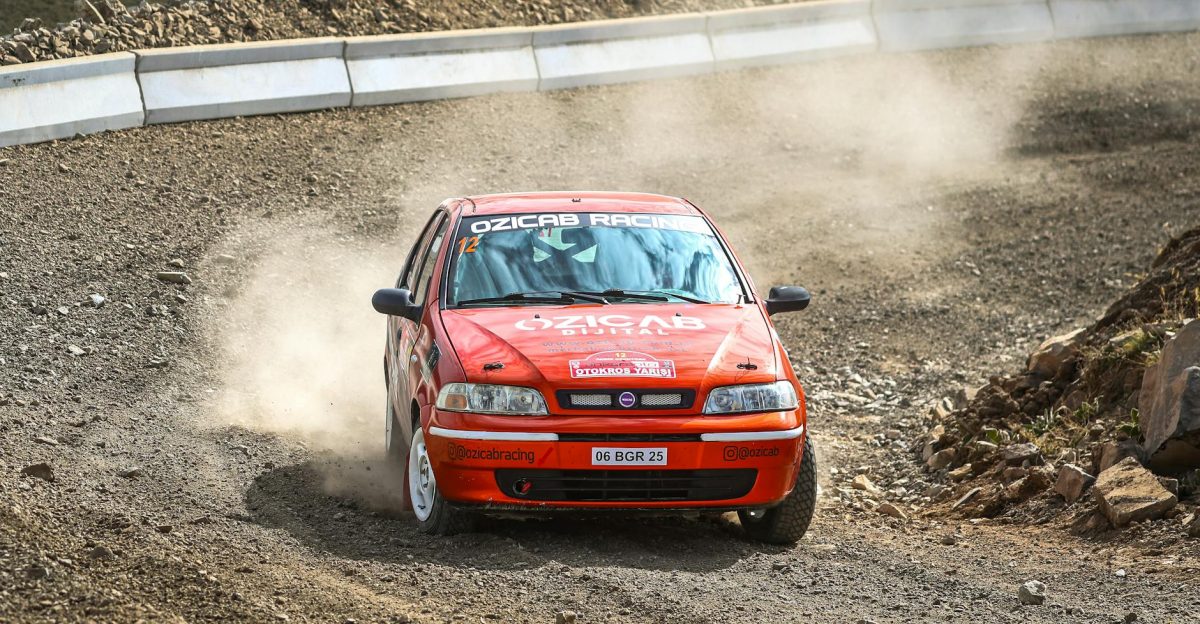
V4 engines had inherent vibration issues. Patsnap Eureka reports engineers added counterweights, balance shafts, or unique crank designs to smooth operation. These fixes added 3–7 kg and reduced output by 2–4%, increasing production costs. Cars needed reliable warranty performance and comfortable rides, making these trade-offs difficult for volume production. Rally cars could manage, but everyday vehicles faced economic limits. The engineering solutions demonstrated the layout’s potential while highlighting cost pressures. These hidden demands restricted V4s to niche applications and limited their appeal despite proven success in competition and specialized models across the 1960s and early 1970s.
Turbo Inline-4 Engines Replaced Odd Layouts
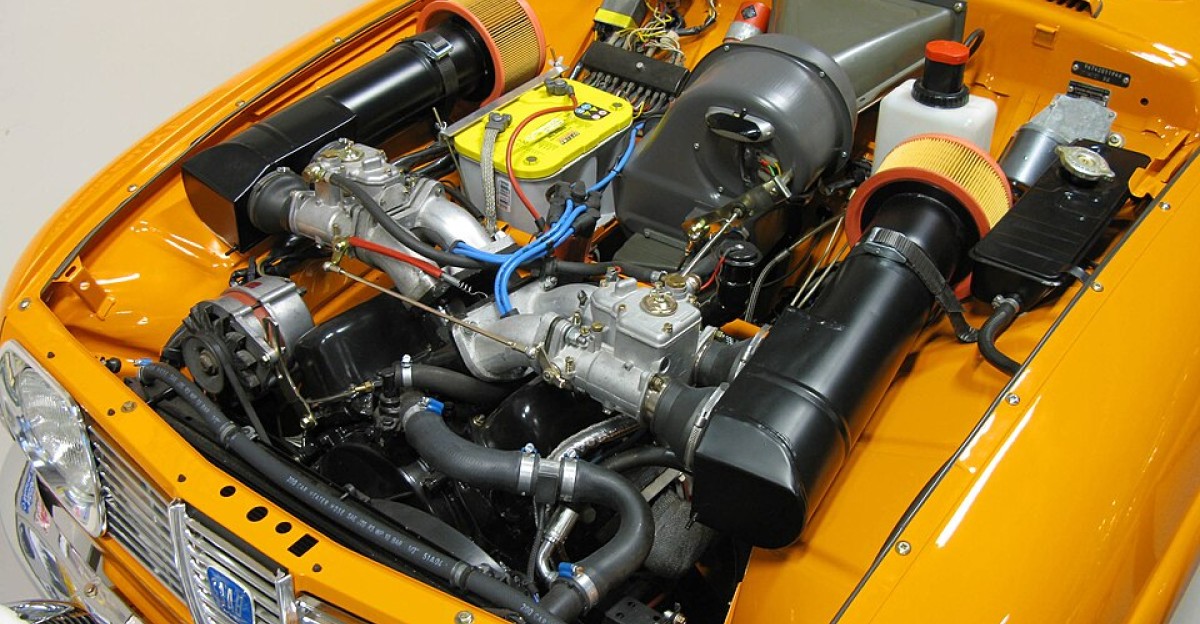
Turbocharged inline-4 engines delivered strong power and efficiency at lower cost. Jalopnik reports they were cheaper to build and easier to service than V4s. Automakers standardized production around these engines as they expanded across multiple models. V4 engines stayed compact and capable, yet higher costs and added complexity limited widespread use. As manufacturers focused on simpler, scalable designs, the V4 gradually disappeared from showrooms. Even so, several cars proved how effective the layout could be, leading to five memorable V4 machines that briefly turned clever engineering into real-world success.
#1 – Lancia Fulvia
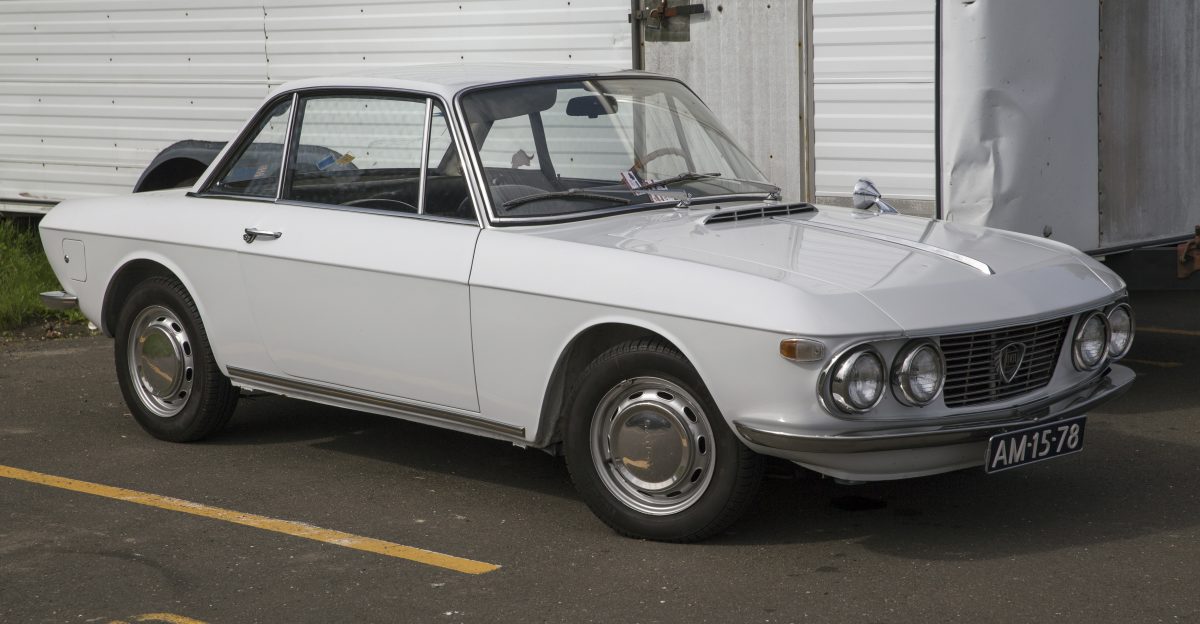
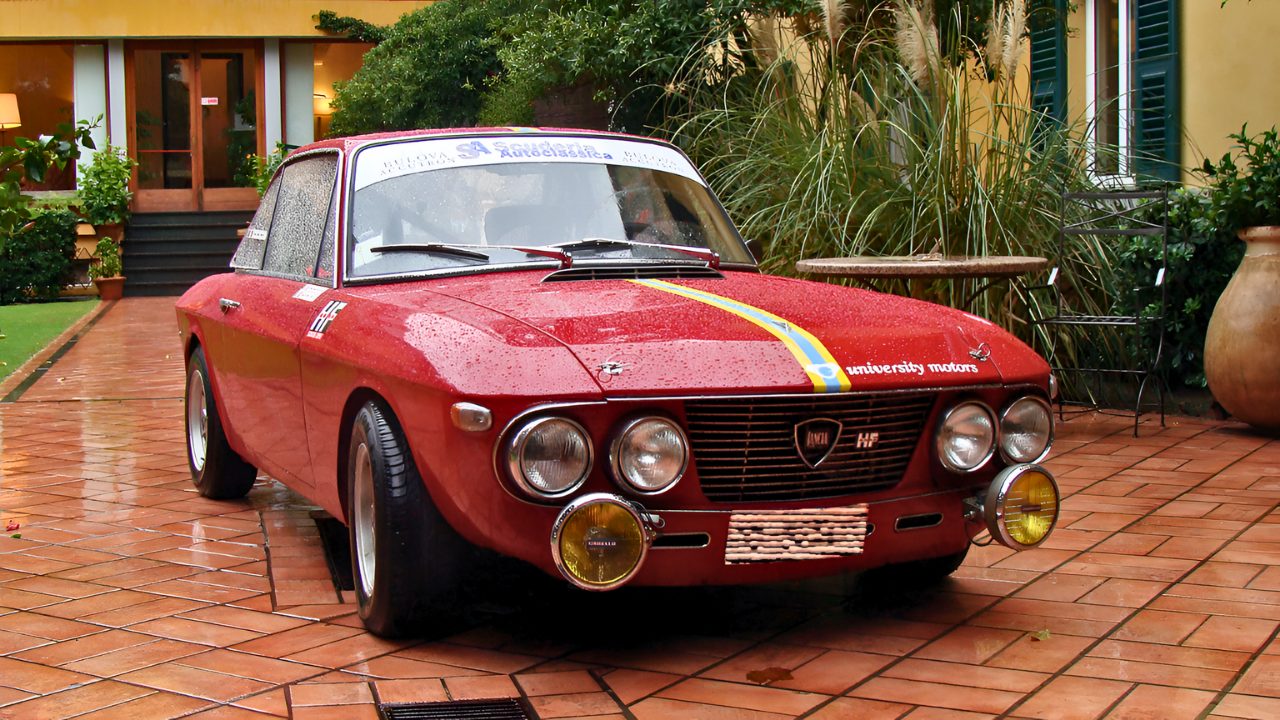
The Lancia Fulvia Coupé dominated rallying between 1965 and 1973. It won eight of nine Italian Rally Championships and earned Lancia the 1972 International Championship for Manufacturers. The 12-degree V4 was mounted at a 45-degree angle and delivered 113–165 hp in a car weighing 1,820 lb. Project Lancia emphasizes how Fulvia transformed compact, light engineering into consistent wins. Its clever design allowed agility and competitive power without excessive mass. The car’s success demonstrates the V4’s potential and hints at the compromises manufacturers would later face when standardizing engines across their model lineups.
#2 – Ford Transit Mk1
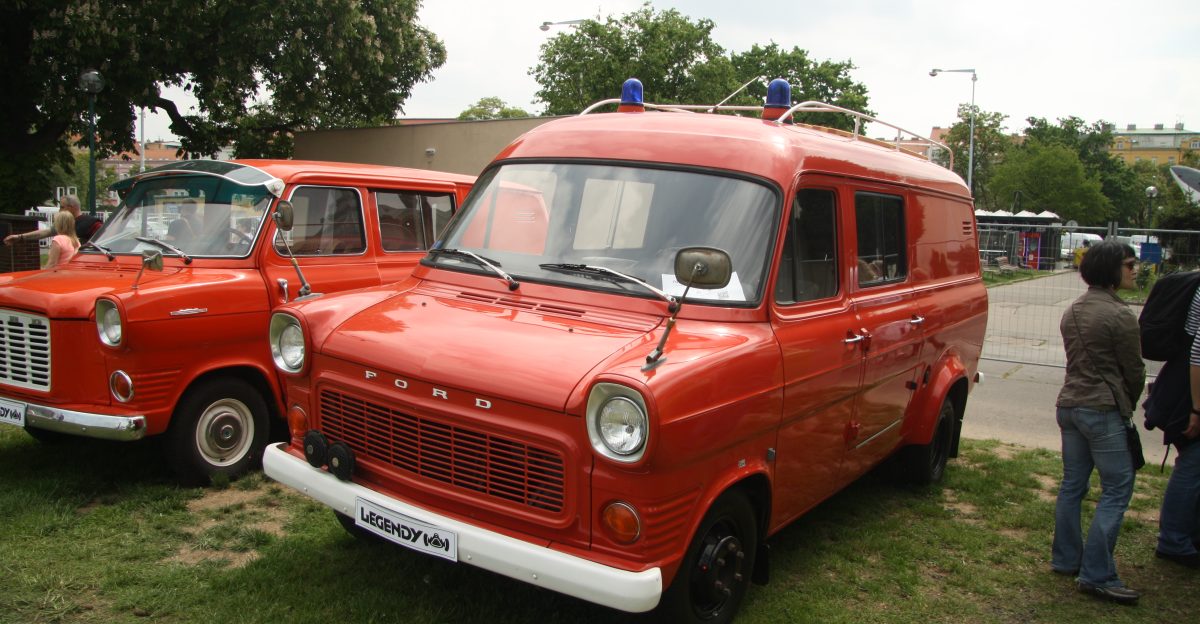
The 1965 Ford Transit Mk1 used 1.7- and 2.0-liter Essex V4 engines producing 72–90 hp. Jalopnik notes this combination made it the fastest van of its era. Classic & Sports Car reports Scotland Yard noted criminals favored it as ‘the perfect getaway vehicle,’ using it in 95% of bank raids. The Transit Mk1 proves the V4 layout could thrive outside high-performance sports cars. Its compact design and lightweight construction allowed competitive performance in a commercial vehicle. The success of the Transit Mk1 highlights V4 versatility before mass-market production pressures shifted manufacturers toward simpler, more standardized engine layouts.
#3 – Saab Sonett II
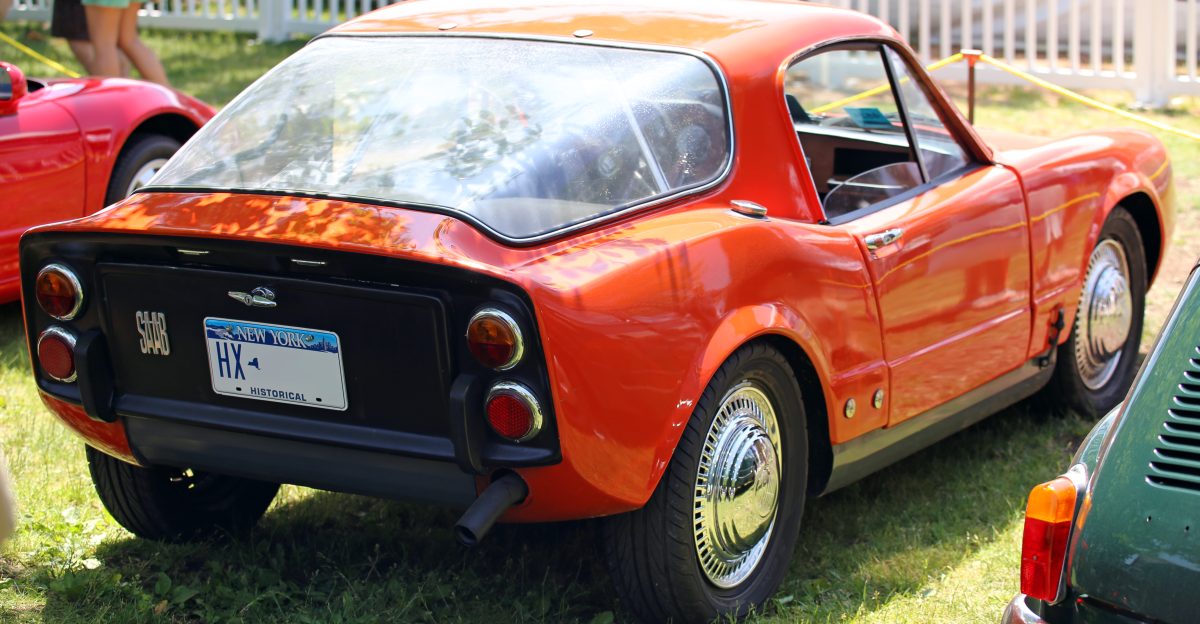
The Saab Sonett II integrated Ford Germany’s Taunus V4 in a nose-mounted layout. Jalopnik notes a hood bulge accommodated the engine, which produced 65 hp. The lightweight fiberglass body weighing approximately 1,700 lb enabled a top speed near 100 mph. Its niche appeal came from packaging efficiency rather than mass-market demand. The Sonett II demonstrates that V4 engines could deliver balanced performance and reasonable speed despite modest power. Its design constraints illustrate the challenges engineers faced when applying a compact engine to a small sports car. Enthusiasts remember it as clever, though production was limited.
#4 – Ford Capri Mk1
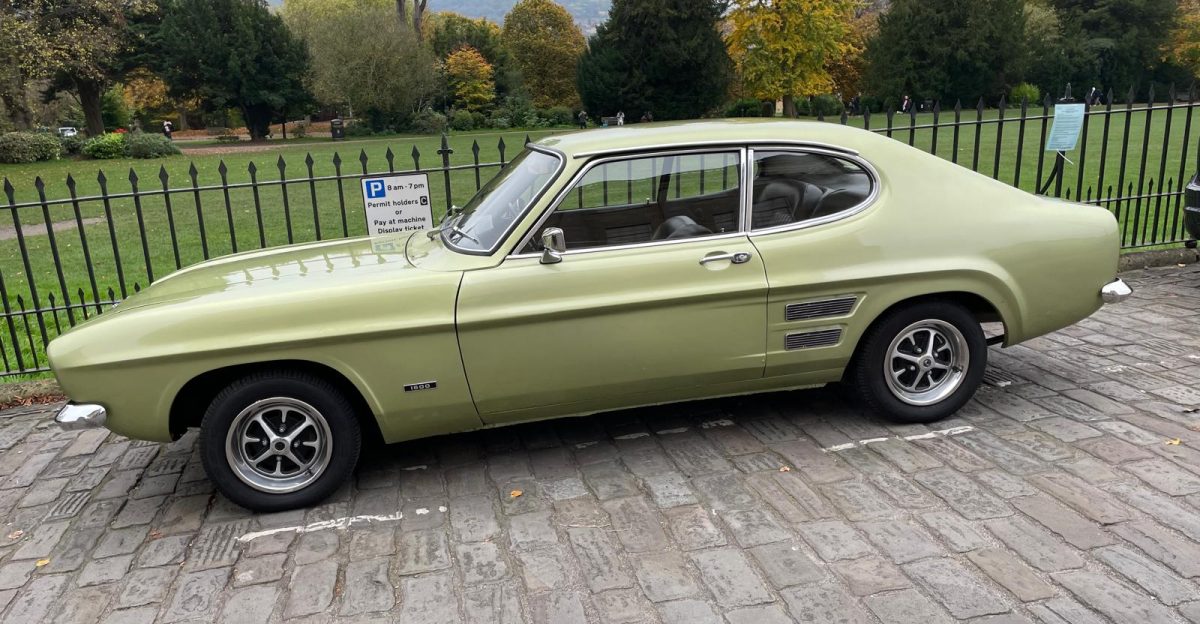
European buyers could order a 2.0-liter Essex V4 in the UK or a Taunus V4 in Germany. The Essex produced 91 hp in a car weighing over 2,200 lb. North American, Mercury-badged Capris were sold with inline-four and V6 engines, while the V4 remained a rarity confined to earlier European models. Production quickly shifted to Pinto inline-4s or Cologne V6s, leaving the V4 version rare. The Capri demonstrates how cost and standardization reduced the presence of unique engines. Designers achieved adequate performance and retained a sporty character, yet market realities dictated simpler, more scalable options. The V4 Capri remains a distinctive example of experimental engineering surviving for a short production window.
#5 – Matra M530
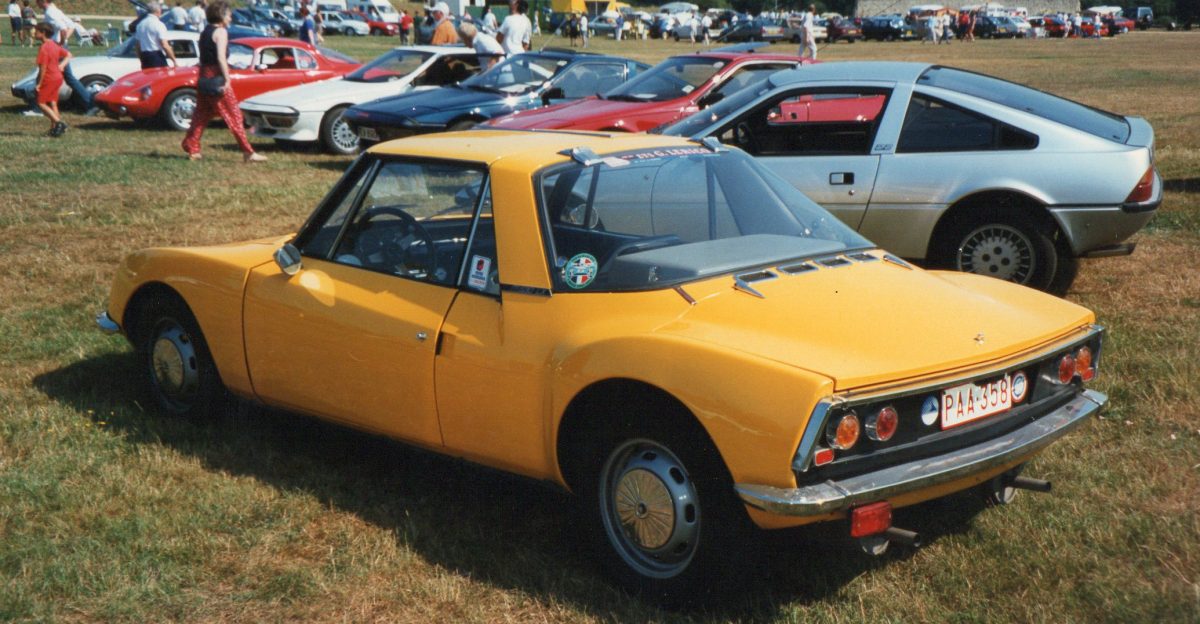
The Matra M530 used a 1.7-liter Taunus V4 mounted longitudinally behind the seats. This allowed a mid-engine 2+2 layout with a trunk and removable roof panel. Top speed was 109 mph for the M530A variant, and handling received praise for agility and balance. The V4’s compact length enabled practical mid-engine design uncommon in its era. Matra combined innovation with livable packaging, demonstrating that small engines could deliver both utility and performance. The car’s engineering shows why manufacturers valued compact engines even when economic pressures eventually phased them out of mainstream models across Europe and America.
Why V4s Vanished From Showrooms
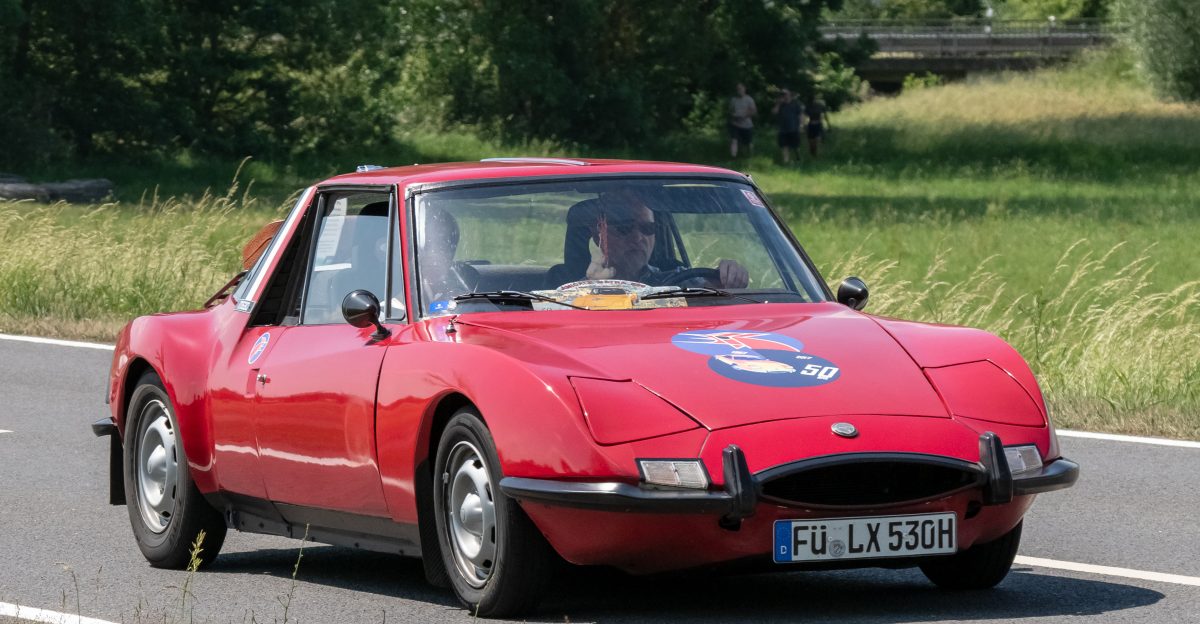
V4 engines disappeared because inline-4s scaled better for production and cost. Many V4s required balance shafts or counterweights, adding weight, reducing power, and increasing manufacturing expense. Turbocharged inline-4s provided similar performance at lower cost. The five cars—Fulvia, Transit Mk1, Sonett II, Capri Mk1, and Matra M530—preserve the story of innovative layouts that combined compact size, agility, and rally-proven engineering. Their success illustrates the trade-offs between clever design and standardization, showing how performance, versatility, and packaging could win championships yet ultimately lose to market efficiency and production realities.