Toyota Forces Highlander Owners Into Unproven EV Platform As Company Discontinues Hybrid
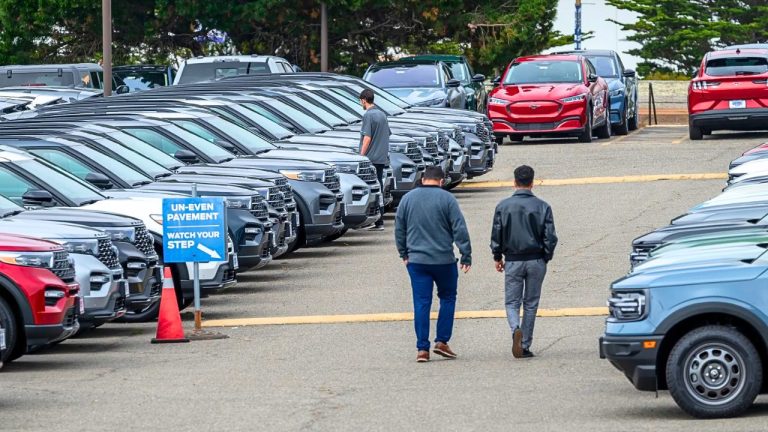
Toyota is about to flip the script on one of its most familiar family SUVs. Starting with the 2027 model year, the Highlander drops its gas and hybrid powertrains and comes back as a battery‑electric three‑row vehicle, with no combustion versions announced alongside it. Dealers are already dangling cash‑back offers on remaining 2025 and 2026 models to clear lots. For families who picked a Highlander precisely so they never had to think about charging, the versions that fit that lifestyle are now officially in their sunset phase.
Loyalty and Preference
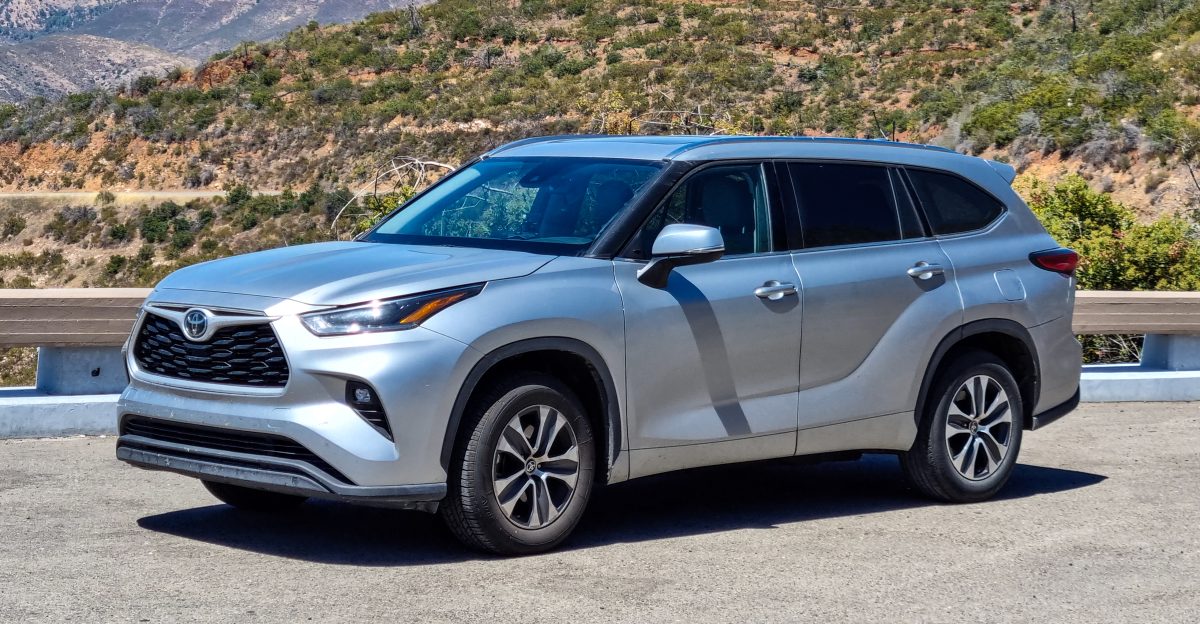
A shift to an all‑electric Highlander is colliding with what many current owners actually want. A fan poll in a popular Highlander owners group found that most respondents said they’d be less interested in the SUV if it went fully electric, preferring a hybrid instead. Toyota is moving ahead anyway, betting the badge has enough pull to carry buyers into EVs. Some gas‑model owners are already calling their current SUVs “last of the line,” highlighting the emotional weight of a 25‑year nameplate changing character.
Internal Overlap
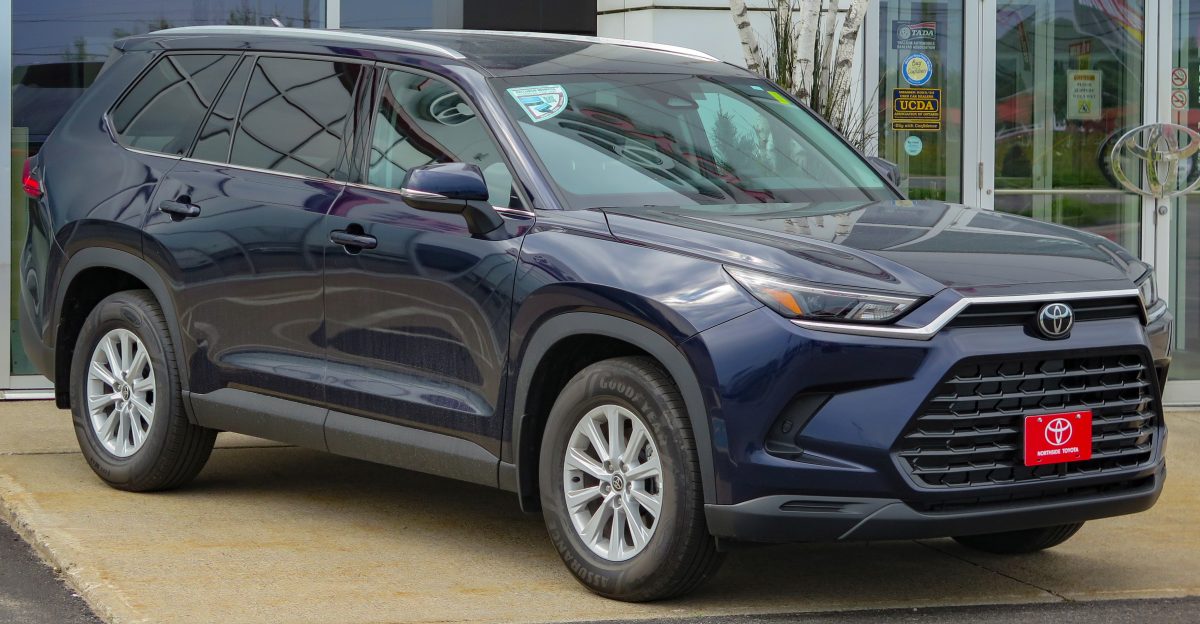
The Grand Highlander’s strong sales have quietly reshuffled Toyota’s three‑row hierarchy. In recent U.S. data, the larger Grand Highlander has been outselling the regular Highlander, making the original model less central to Toyota’s lineup than before. Rather than fund two overlapping three‑row family SUVs with similar roles, Toyota appears to be splitting duties: the Grand Highlander remains the gas/hybrid workhorse, while the standard Highlander becomes the electric experiment. In that light, the EV move looks more like lineup optimization than tech adoption.
Limited Fallback
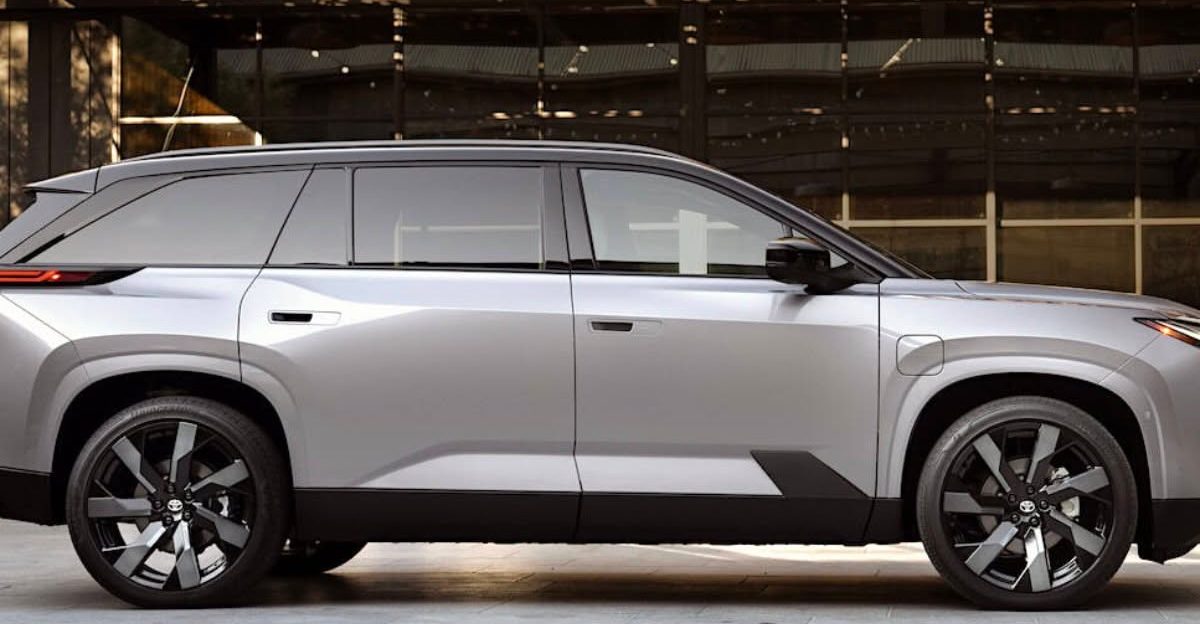
On paper, the Highlander EV’s projected 270–320 miles of range and fast‑charge capability make it competitive with other family‑focused electric SUVs. But compared with the outgoing Highlander Hybrid’s roughly 600‑mile gas‑tank range and five‑minute refuels, it’s a different ownership rhythm. Toyota has engineered this generation specifically as an EV, so there’s no announced hybrid safety net if early demand disappoints. Families wanting a familiar Toyota three‑row without charging in the mix will likely pivot to the Grand Highlander or other gas‑hybrid models instead.
Recall Backdrop
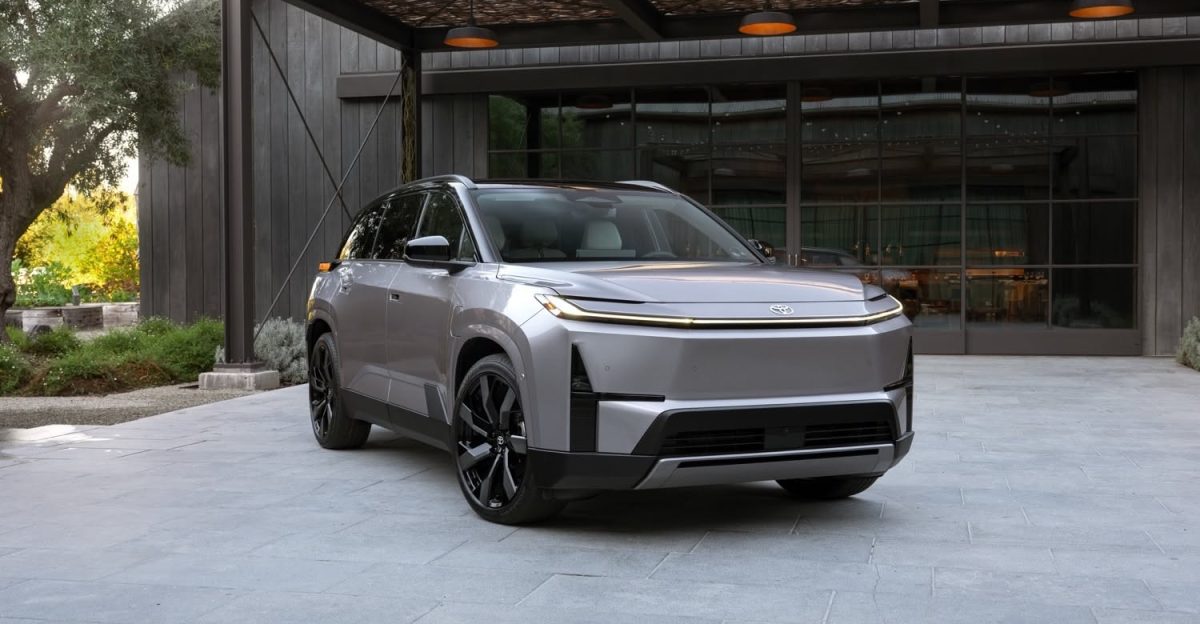
Toyota is rolling out the Highlander EV amid notable recalls of recent models, including Highlander‑family SUVs. One campaign targets hundreds of thousands of vehicles for a second‑row seat part that might not lock correctly, raising crash‑safety questions. Others involve rear camera and digital gauge‑cluster glitches tied to software and electronics. None of these recalls touch the brand‑new Highlander EV yet, but they color perceptions. For some shoppers, they underscore that even long‑trusted brands can stumble with newer tech.
Cost and Complexity
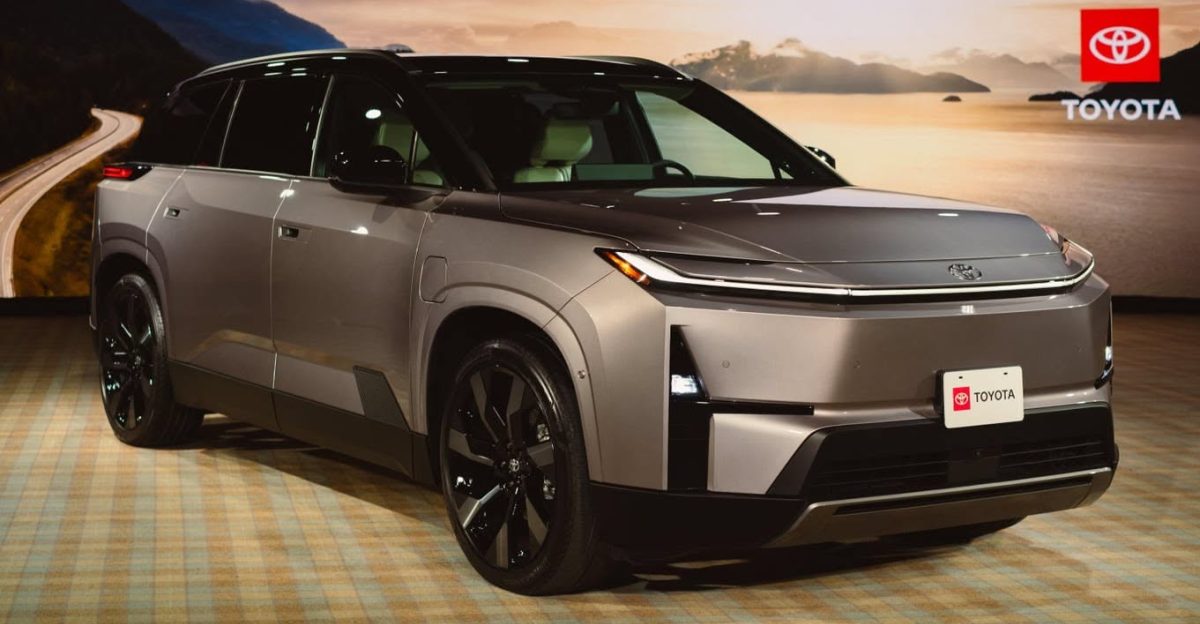
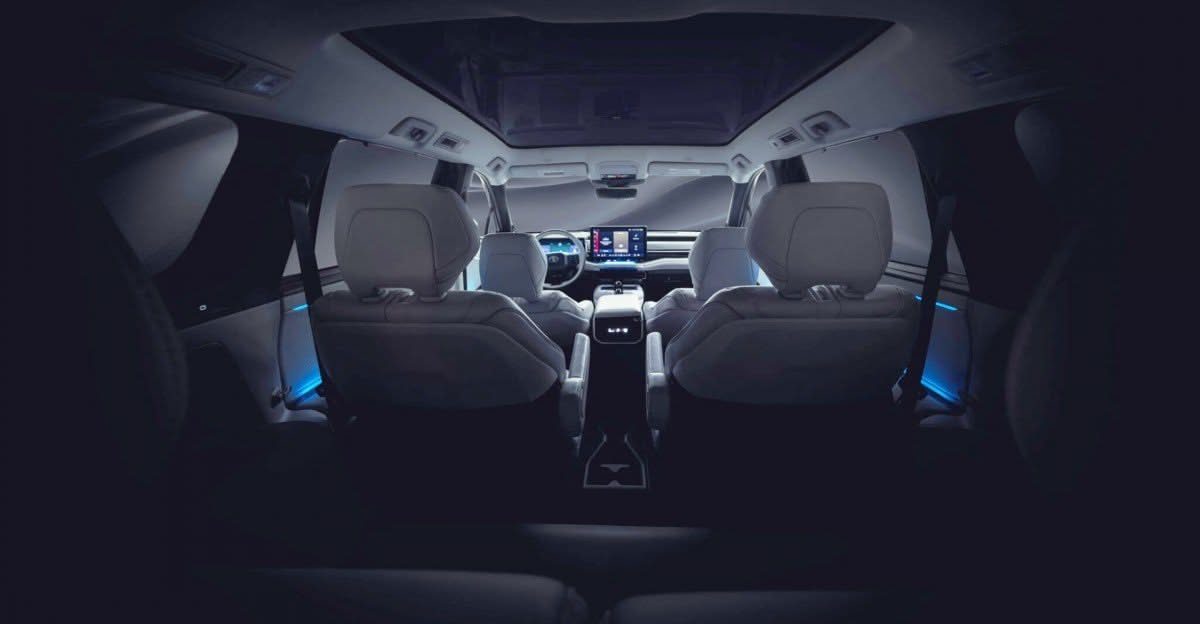
Today’s Highlander buyers are already feeling the cost of complexity. One owner of a high‑trim hybrid spent thousands extra on an extended warranty, worried about future repair bills for electronics and sensors. The upcoming Highlander EV leans even harder into software‑driven systems while shedding mechanical pieces like a traditional engine and automatic transmission. Early pricing chatter suggests it could land above current gas and hybrid Highlanders, possibly in Grand Highlander territory. That means some families may pay more for a badge they know, plus the unknowns of long‑term EV ownership.
Competitors’ Approach
While Toyota nudges the Highlander into EV territory, its main three‑row rivals still offer traditional gas models alongside newer hybrid options. The Honda Pilot continues to rely on a conventional gas V6 in the U.S., while the Hyundai Palisade and Kia Telluride now offer both gas and hybrid versions rather than full EVs. For shoppers who want three rows and zero charging anxiety, those showrooms remain a comfortable default. Disappointed Highlander loyalists who liked gas or hybrid power may now cross‑shop these models more seriously, testing how much brand loyalty really counts when the powertrain changes.
Earlier Precedent
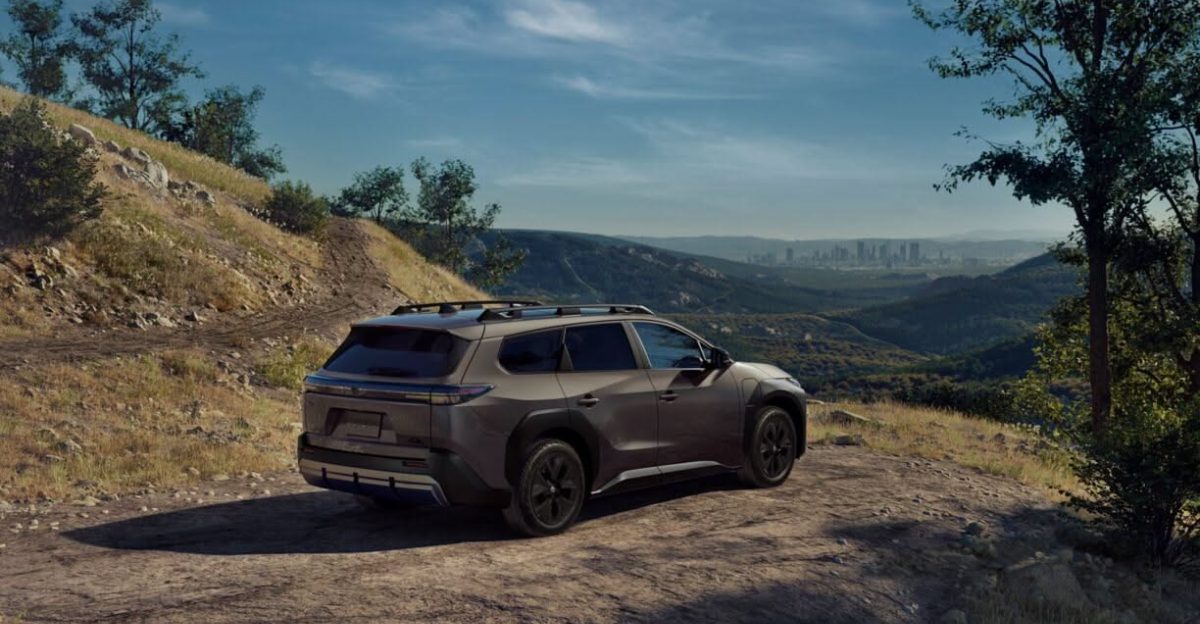
Toyota has played the powertrain‑reset game before. The Sienna minivan quietly went hybrid‑only for 2021 and has carved out a niche as a super‑efficient family hauler. The Highlander EV goes a step further by moving directly into full-battery electric territory. At the same time, lingering complaints and lawsuits over older eight‑speed transmissions in various models remind some owners that not every technology turn has been seamless. The optics, fair or not, suggest a company racing toward electrification while still fielding questions about its past hardware.
Early‑Stage Bet
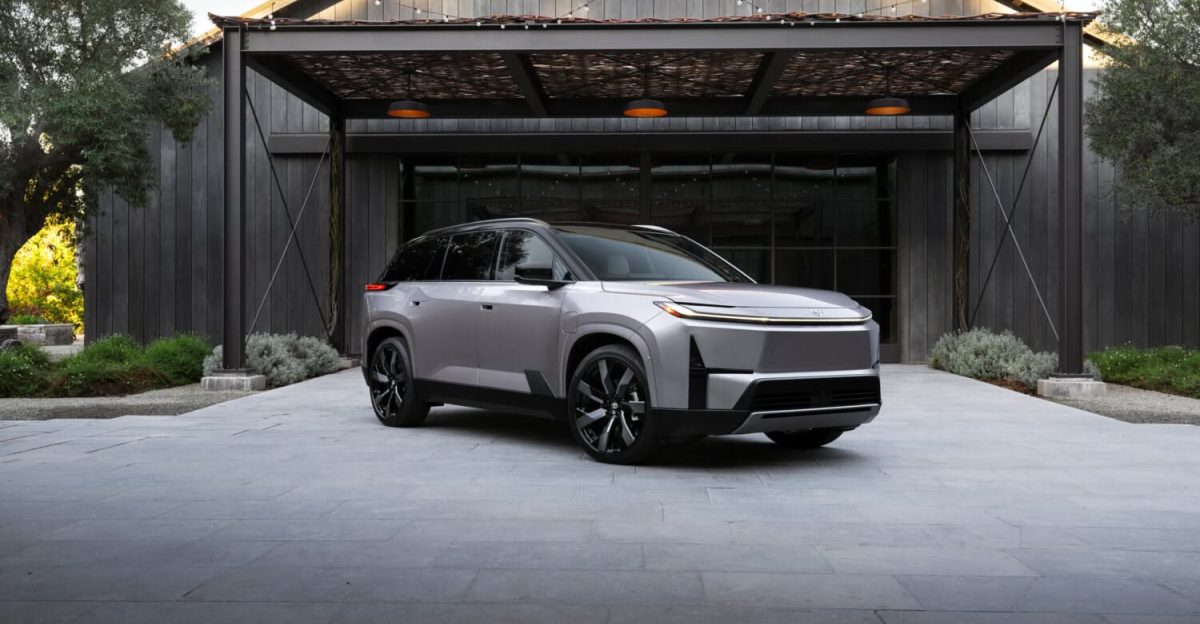
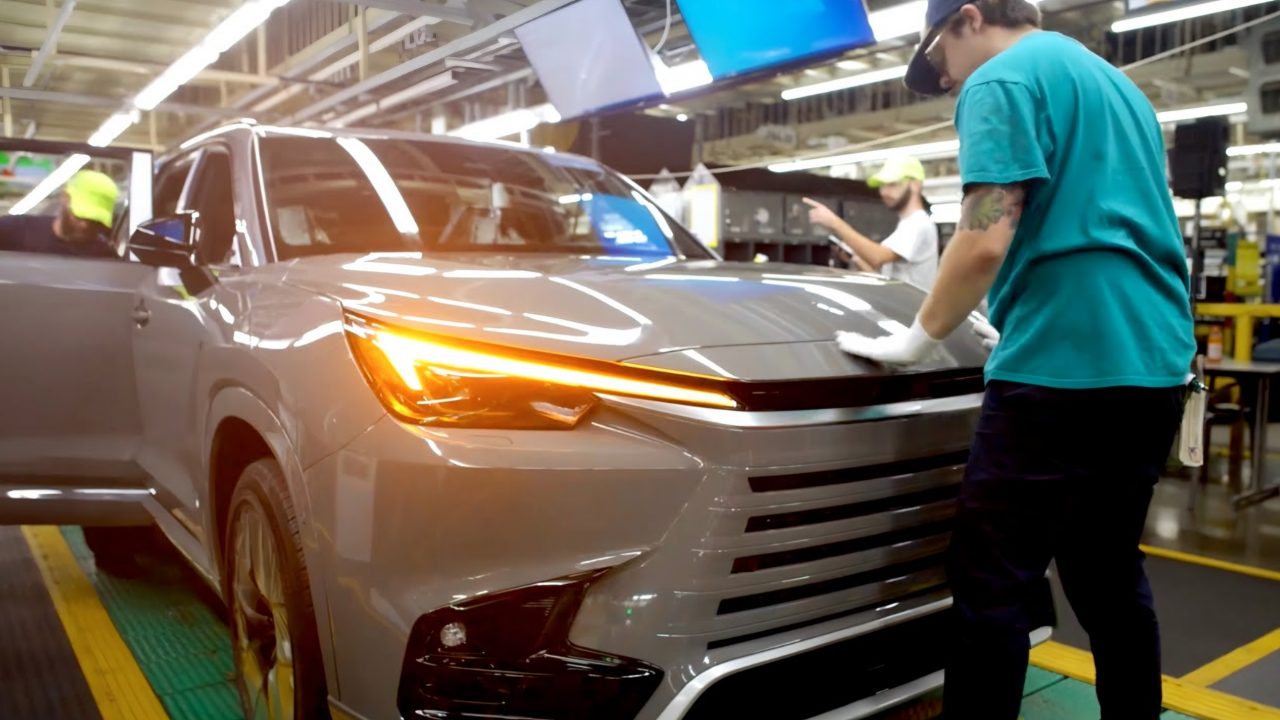
The 2027 Highlander EV represents a big first: Toyota’s inaugural three‑row electric SUV for the U.S., built domestically and paired with batteries from a new stateside plant. It rides on evolved foundations rather than a completely clean‑sheet EV architecture, aiming to balance familiarity with new tech. Early range and performance targets look solid, but the real test will be winter road trips, loaded cabins, and years of daily use. For a brand built on reliability, proving this first wave of big family EVs will be crucial.
Customer Choice
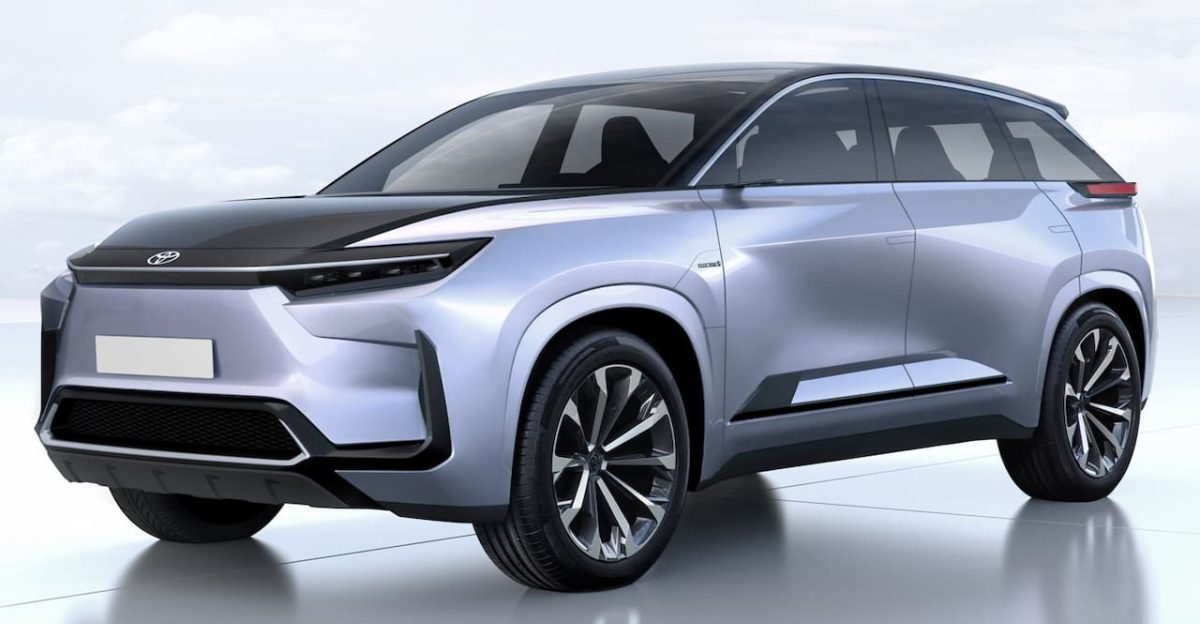
Toyota’s strategy draws a sharp line: Highlander goes electric‑only, while the Grand Highlander and the other three‑row Toyotas keep gas and hybrid options alive. For buyers emotionally attached to the Highlander name but uninterested in charging, that’s a tough fork in the road. Some will follow the badge into its EV era; others will drift to the Grand Highlander, a different Toyota, or a competing gas SUV. Over the next few model years, those choices will reveal whether Toyota’s bet on an all‑electric Highlander fits how families actually want to drive.
Sources:
Toyota , Elevated Style Meets Modern Power in the Next Generation 2027 Toyota Highlander , 2026-02-10
Edmunds , The 2027 Toyota Highlander Will Be EV-Only. If You Want Gas or Hybrid, Look to the Grand Highlander , 2026-02-09
Cars.com , New Toyota Highlander Cash-Back Deals Before It Becomes an EV , 2026-02-16
TorqueNews , Disbelief Is Main Reaction From Toyota Highlander Owners Following Announcement Highlander Will Be EV-Only , 2026-02-08
Cars.com , Toyota Recalls 550,000 Highlander, Highlander Hybrid SUVs for Seat Issue , 2026-03-05
Autoblog , Toyota Hit With Another Lawsuit Over Failing 8-Speed Transmission , 2026-02-17