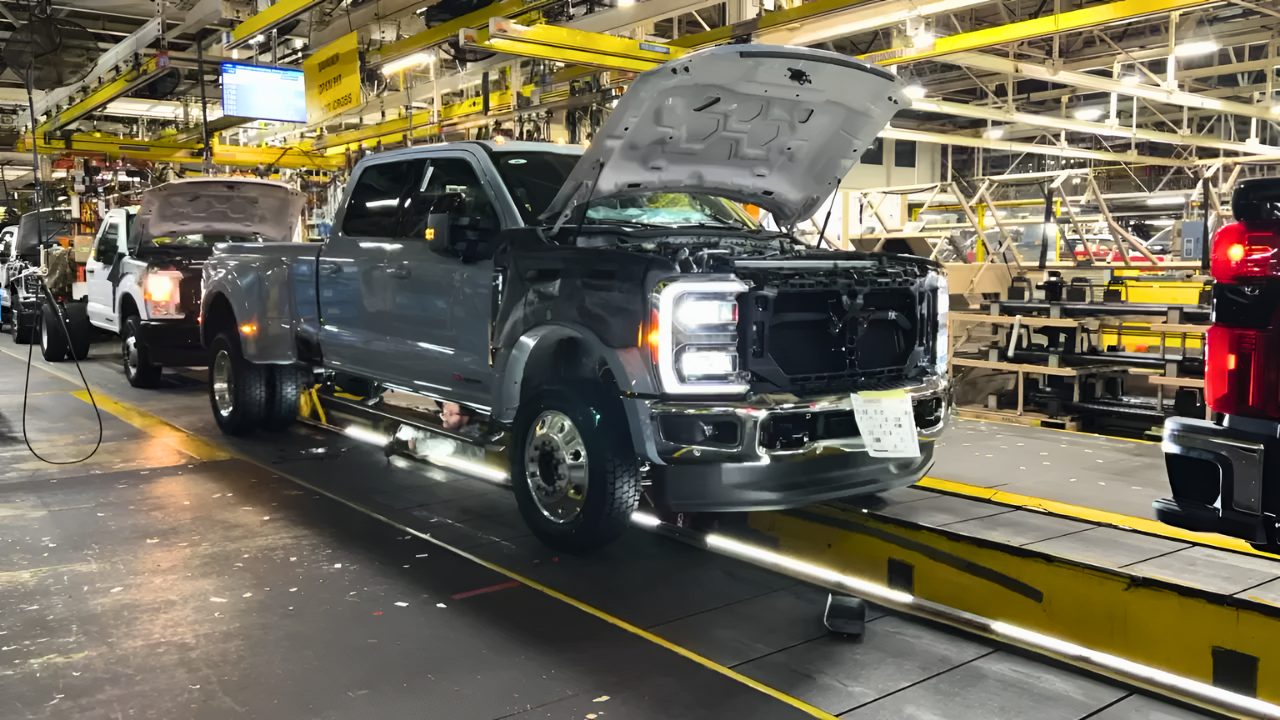
Ford Recalls 604,000 Over Safety Defect—America’s Best-Selling Truck Brand Owns 72% Of All Recalls
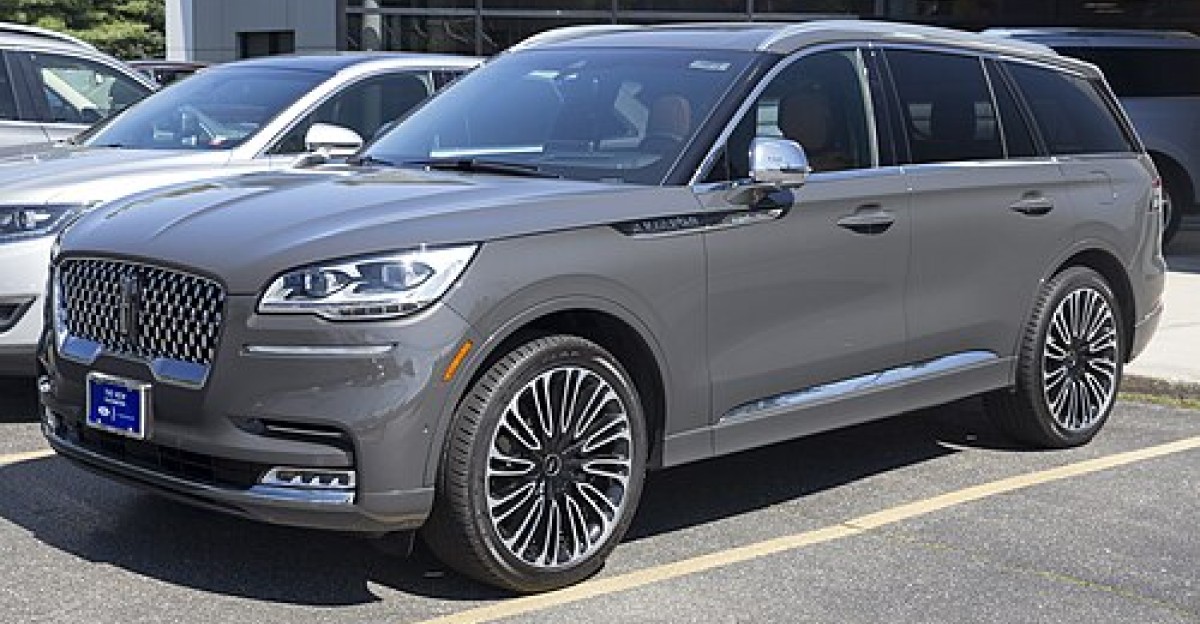
Rain pounds a narrow road. Wipers move steadily, headlights cut the sheets of water. Then, the wipers stop. No sign, no sound. This scene became reality for owners of 2020–2022 Ford Explorers, Escapes, Lincoln Aviators, and Corsairs. NHTSA confirmed a defect in the wiper motor assembly.
A terminal inside the motor was misaligned at the factory, wearing down with use and causing glitches that soon turned into total failure. Ford knew about the defect before most drivers.
Early Signs Ignored
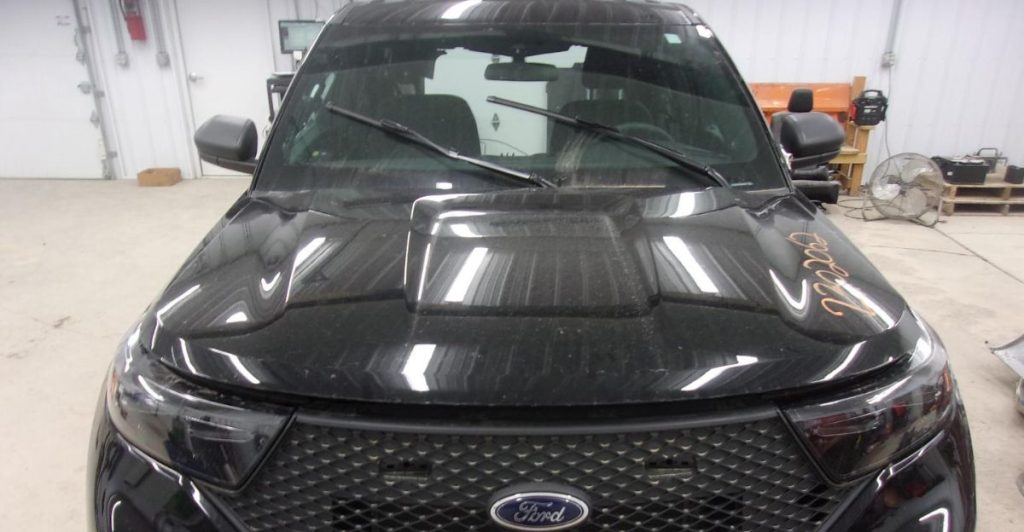
Ford opened an investigation into the wiper motor problem on June 17, 2021, following spikes in warranty claims and customer complaints. Valeo North America, the supplier, had produced motors with misaligned terminals between July 6, 2020, and December 15, 2021. Each time the wipers ran, the flaw caused the electrical connection to wear down further.
NHTSA’s Part 573 26V117 report confirmed it: “Front wiper functionality may be intermittent before progressing to a state of complete inoperability.” Ford spent three months reviewing the data, then made a call that would not stand up to what came next.
A Premature Ending
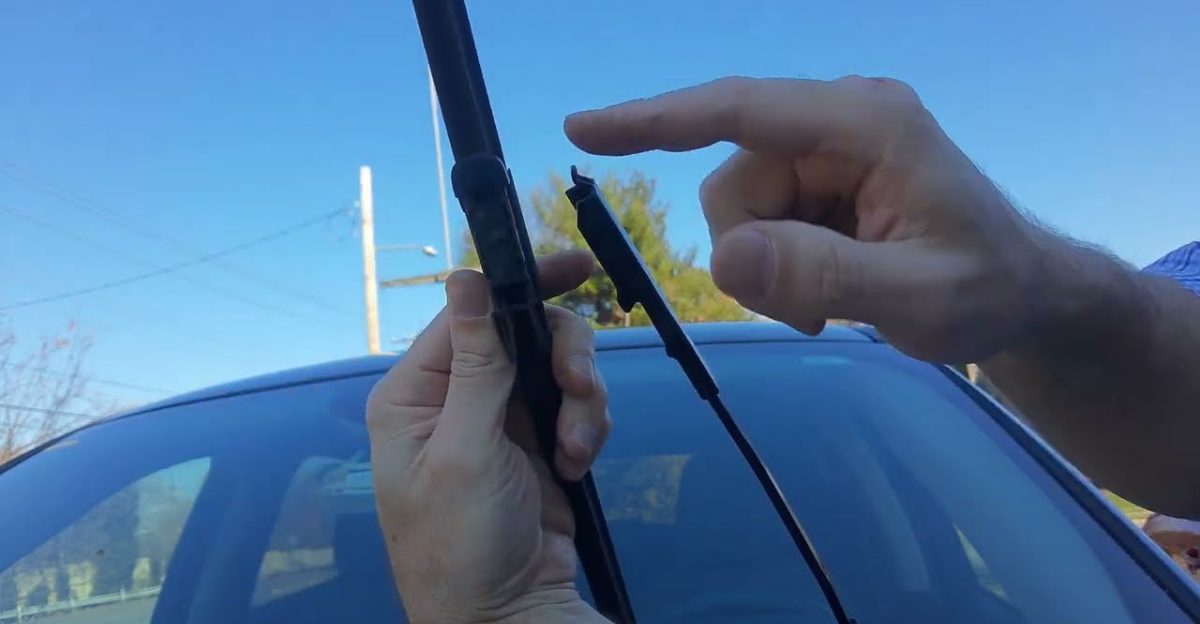
On September 28, 2021, Ford closed the investigation, saying the defect did not create an unreasonable safety risk. The company pointed to a low estimated failure rate, clear warning signs, and compliance with regulations.
This logic depended on drivers spotting a failing connection hidden inside a sealed motor. For four years, 604,533 vehicles stayed on the road without a fix. Then, 1,374 warranty claims put Ford’s decision to the test.
Forced Recall
On November 18, 2025, Ford’s Critical Concern Review Group reopened the case after a spike in failures came to light. By February 18, 2026, warranty claims for wiper problems hit 1,374. In three months, Ford went from calling the issue low-risk to launching a mandatory recall for 604,533 vehicles.
Dealers had to stop selling or delivering any affected inventory until repairs were done, as required by law. The same defect, the same terminals, four years on. This time, Ford’s own data forced the reversal.
A System That Waits for Failure
Ford’s quality checks work in reverse. The system waits for complaints to pile up, instead of catching problems during production. Investigations reopen only after failure rates rise.
Valeo’s assembly process drifted during that period, and neither the supplier nor Ford flagged the misalignment before these motors reached the road. The real issue is how the entire process is built. That’s why these problems keep surfacing at Ford.
A Recall by the Numbers
Since January 1, 2026, Ford has recalled over 7.3 million vehicles, representing 72.6% of all recalls in the country this year. Toyota sits at 3%, Hyundai at 6.9%, and GM at 0.4%.
Ford leads 17 of 61 industry recall campaigns for 2026. The estimated defect rate for the wiper recall is just 1%, about 6,045 vehicles. Ford accepted that rate in 2021. Five years later, the same percentage triggered the company’s biggest recall.
Failures Stack Up
The same four models (Explorers, Escapes, Corsairs, Aviators) appeared in two more Ford recalls that week, including 1.74 million vehicles for rearview camera failures. Owners notified about the wiper problem in March must wait two months for repairs, with fixes available only between May 11 and 15. Dealers are left with service bottlenecks and cannot deliver new inventory under recall.
In one week of March 2026, a single brand faced about 2.3 million vehicles recalled for wipers, cameras, and driveshafts.
A New Precedent for Recalls
This recall creates a new benchmark for the industry. Ford’s 2021 call to stand down was built on a 1% defect rate and the belief that drivers would notice the issue. Four years later, those numbers forced a mandatory recall. If NHTSA updates its standards, every closed case could be reopened.
Ford’s F-Series has led U.S. truck sales for 49 years. In 2025, 828,000 F-Series units were sold. The same brand now leads in recalls. That contrast changes the meaning of every Ford sales milestone.
Risks Remain Unanswered
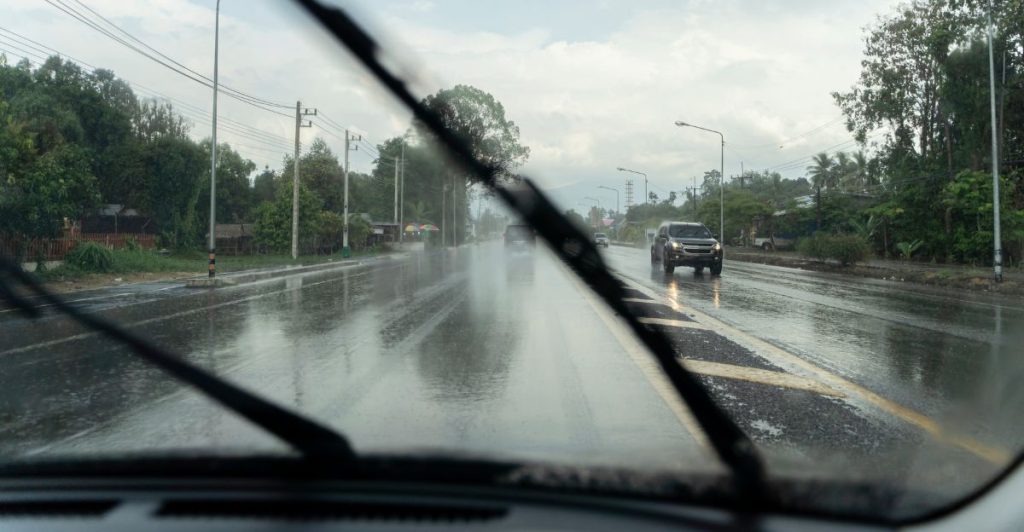
So far, no crashes or injuries have been tied to the wiper defect. That number stands as every rainstorm between March 9 and May 15 becomes a test.
At the current pace, Ford could see 12.5 million vehicles recalled by December. Lincoln buyers who paid for Aviators and Corsairs face the same assembly flaw as Escape owners. The next closed investigation could already be building its own pile of complaints.
The Recall Leader’s Dilemma

Ford claims 13.2% of U.S. auto sales. It owns 72.6% of all recalls. No other American automaker lives in that split. The process reacts to problems after they reach the road.
Drivers who have their wiper motors replaced get answers. Those who see how the system works are left with a tougher question. How many more closed Ford investigations are just one warranty spike away from the next headline?
Sources:
National Highway Traffic Safety Administration — Part 573 Safety Recall Report 26V117 — March 3, 2026
Ford Motor Company — Ford Sales Rose 6% in 2025 on Torrid Truck, Hybrid Demand — January 6, 2026
National Highway Traffic Safety Administration — 2025 Recalls Annual Report — March 2026
U.S. Department of Transportation Open Data Catalog — NHTSA Recalls by Manufacturer — publication date not shown on the catalog page