Mechanics Expose 7 Hidden Traps That Turn $5,000 Used Cars Into Money Nightmares
A used car can cost significantly less than a new vehicle—often 30-50% depending on age and condition—but that discount evaporates fast when hidden damage surfaces after you sign the papers. Automotive mechanics say buyers routinely skip one critical step that catches expensive problems before they become financial sinkholes: a professional pre-purchase inspection costing $100 to $300. Lauren Fix, founder of Car Coach Reports, and Bryan Jewett, owner of Casey’s Automotive in Northern Virginia, represent experienced professionals who’ve seen countless buyers learn expensive lessons. Here are seven traps that turn affordable used cars into money nightmares.
1. The Dirty Title Nobody Bothered To Check
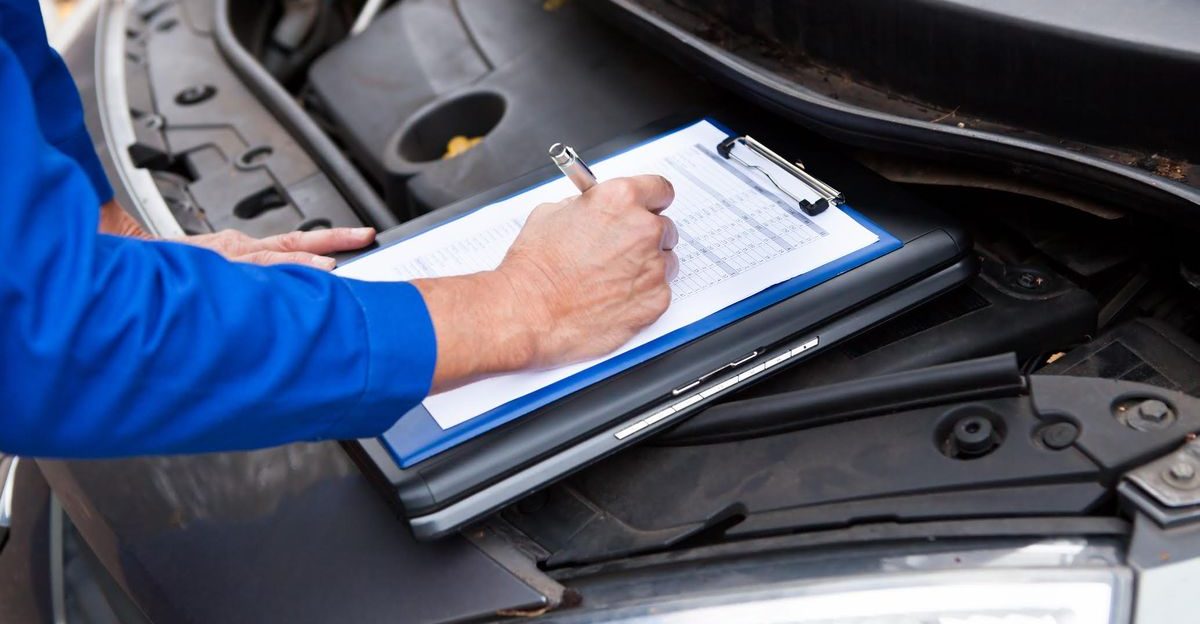
Automotive experts universally recommend running a comprehensive vehicle history report through CarFax or AutoCheck to uncover accidents, title issues, or odometer rollbacks that sellers conveniently forget to mention. An insurance company declared the vehicle a total loss due to flood damage, a major accident, or catastrophic damage—that’s what a salvage title means. A rebuilt title means a mechanic repaired a previously salvaged vehicle and it passed state inspection—but it may still carry serious underlying issues. Water damage causes long-term problems, including mold growth, electrical damage, corrosion, rust, and rotted seals. Title washing makes this trap harder to detect.
2. Missing Service Records Signal Years of Neglect
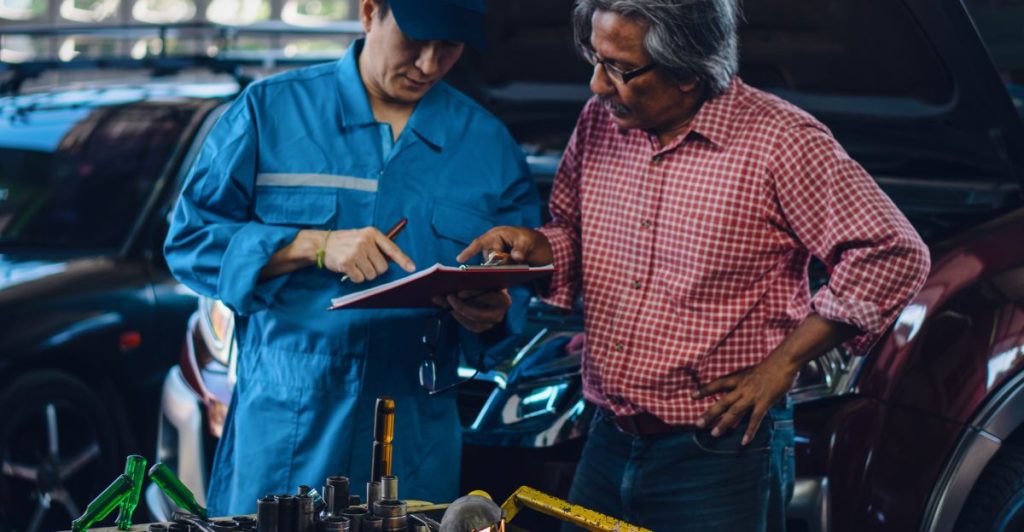
Automotive experts emphasize that well-documented maintenance history is the best indicator of how a vehicle was cared for throughout its life. If comprehensive service records are missing or incomplete, buyers should assume the recommended maintenance work wasn’t performed on schedule. The absence of documentation typically indicates that critical oil changes, brake services, fluid flushes, and factory-scheduled preventive services were systematically skipped to save money. Mechanics flag timing belt or chain replacement as critically important, since complete neglect can lead directly to catastrophic engine failure, costing thousands to repair.
3. Electrical Gremlins Hiding Behind Clean Dashboards
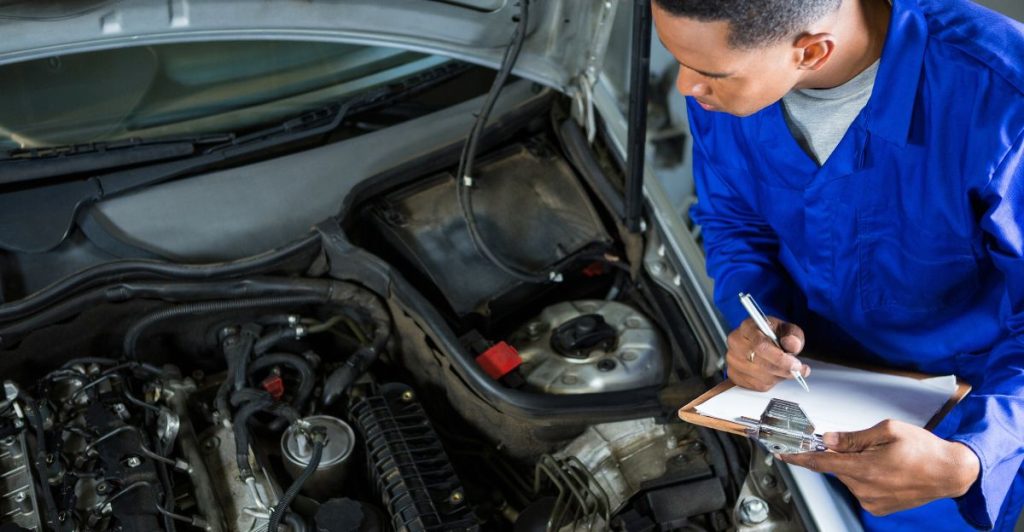
Electrical system repairs accumulate costs frighteningly fast, and experienced mechanics warn buyers to methodically test every electronic system before purchasing—power windows, seats, backup cameras, infotainment systems, lights, and all switches. Hidden electrical issues are among the most expensive and frustrating problems to diagnose and repair properly. The critical test: turn the ignition to “on” without starting the engine and confirm all warning lights illuminate correctly, then start the engine and verify they go off within seconds. A check engine light that stays illuminated or a warning light that never illuminates both signal problems that sellers may have masked.
4. The Small Leak That Becomes Catastrophic Failure
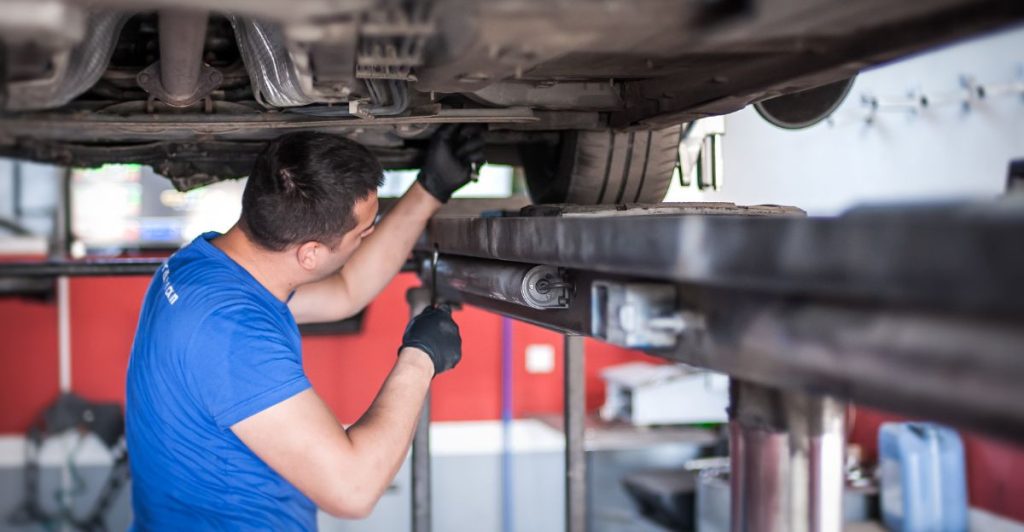
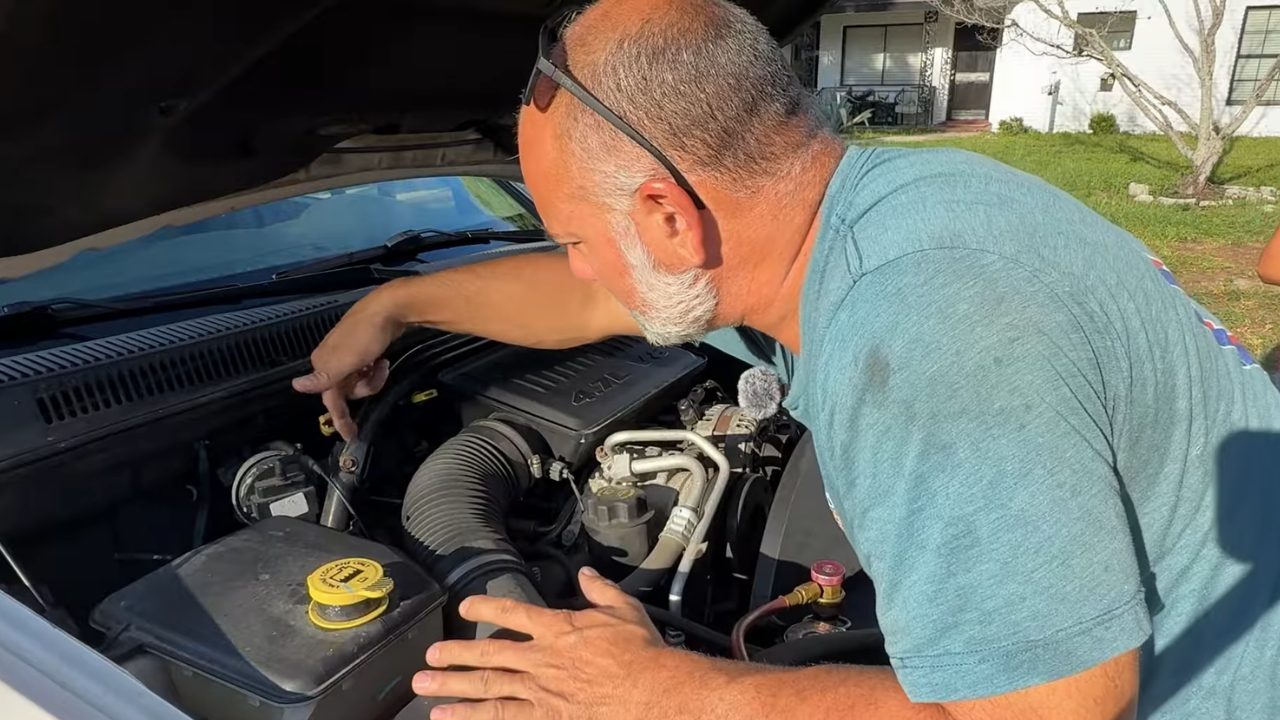
Mechanics advise buyers to carefully check under the vehicle and thoroughly inspect the engine compartment for any signs of oil, coolant, or transmission fluid leaks before purchasing. What initially appears to be a minor drip beneath the engine bay can quickly escalate into complete transmission failure, costing $3,000 to $5,000 or more if left unaddressed for months. Automotive experts also warn buyers to trust their sense of smell during test drives: burning smells can signal developing electrical shorts or overheating components, while musty or moldy smells strongly suggest water intrusion or flood damage hiding inside the cabin’s carpet and insulation.
5. Worn Tires Expose Hidden Suspension Damage
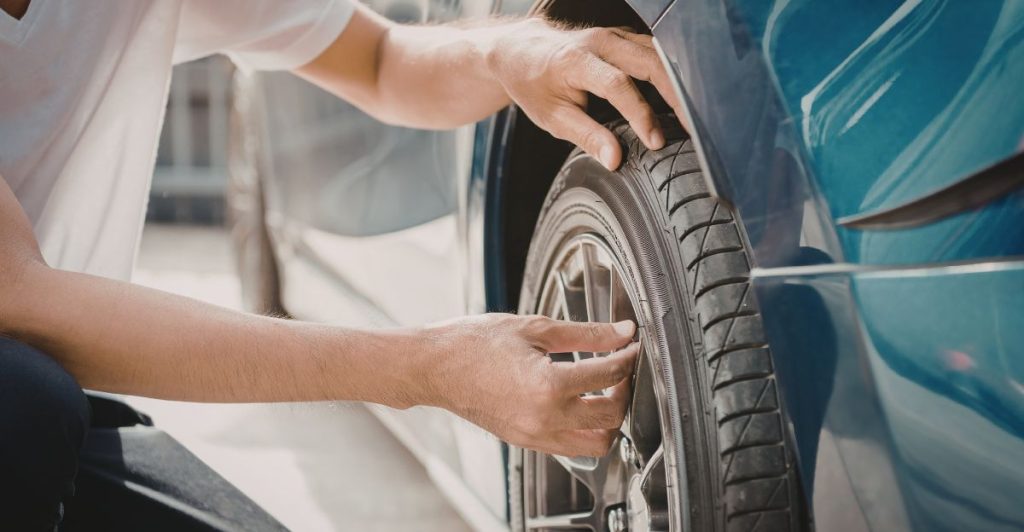
Automotive experts note that uneven tire wear patterns or excessively worn brake components often reveal underlying suspension problems or systematic maintenance neglect—both of which can be costly fixes that most casual buyers overlook during initial walkaround inspections. Mechanics recommend a simple, hands-on diagnostic check: run your hand slowly across each tire’s tread surface in multiple directions to feel whether one side is noticeably more worn than the other. Significantly uneven wear clearly signals that the vehicle needs expensive alignment work or has underlying steering geometry or suspension component damage affecting handling and safety.
6. Fresh Undercoating Conceals Frame Damage
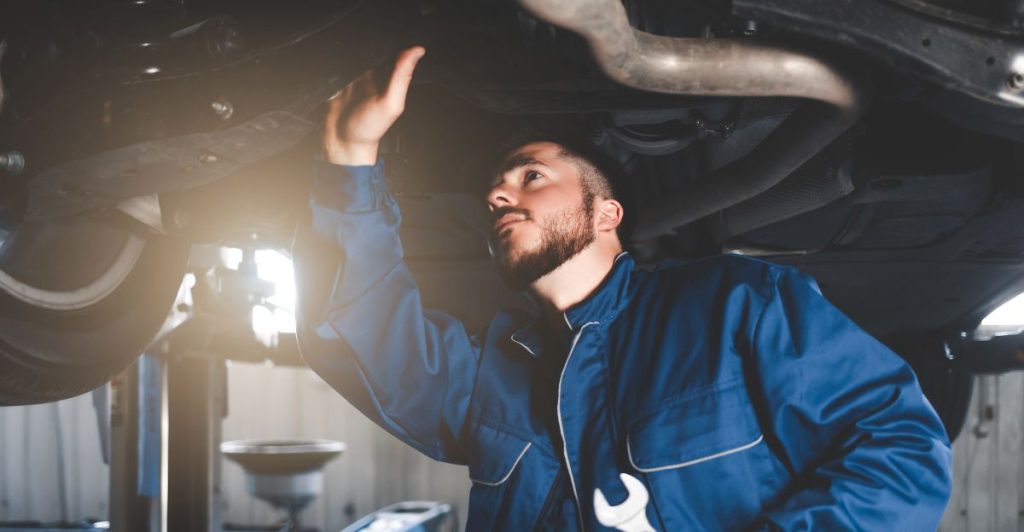
Even if a used car looks absolutely flawless on the exterior, past accidents can hide significant structural damage beneath cosmetic repairs and fresh paint. Automotive experts strongly urge buyers to thoroughly check underneath the vehicle for rust, corrosion, welding marks, or any visible signs of frame repair work, explaining that these hidden structural issues can seriously compromise both occupant safety and the long-term durability of the entire vehicle. Fresh undercoating or undercarriage paint applied to a vehicle that’s five or more years old is a particularly suspicious red flag—it’s frequently applied to conceal recent welding marks and structural collision repairs.
7. Skipping the One Inspection That Catches Everything
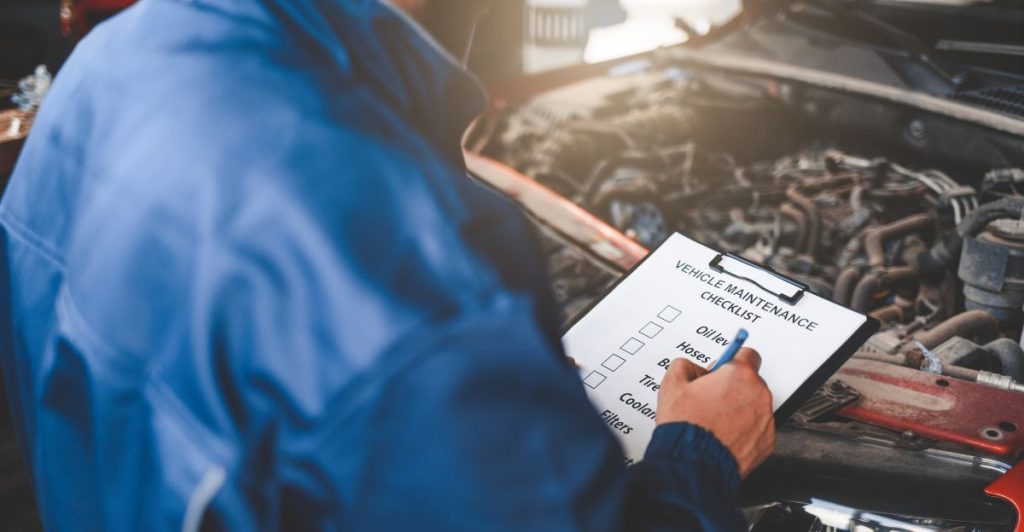
Automotive experts universally agree that spending the relatively modest money to have an ASE-certified professional mechanic thoroughly inspect any used vehicle before making purchase offers or signing contracts is the single most effective way to uncover hidden issues that inevitably lead to large, unexpected repair bills months later. A comprehensive professional inspection catches critical problems that casual visual checks, brief test drives, and even detailed vehicle history database reports consistently miss—subsurface frame rust, internal fluid contamination, structural frame compromise from unreported accidents, and complex electrical system faults completely invisible to untrained eyes.
Why the Used Car Market Works Against You
The used car market fundamentally runs on information asymmetry—sellers know the vehicle’s complete maintenance history and hidden problems, while buyers see only what sellers strategically choose to reveal during brief showings. Foamy or grayish engine oil on the dipstick indicates coolant is mixing with oil, strongly suggesting a blown head gasket or cracked engine block. Blue-tinted exhaust smoke signals that the engine is burning oil due to worn piston rings or valve seals, while white smoke may indicate coolant leaking into the combustion cylinders. These important diagnostic signals require a trained mechanic’s expertise to properly interpret—and that mechanic needs to inspect before you sign.
The Math That Makes This Decision Obvious

A professional pre-purchase inspection costing $100 to $300 routinely prevents discovering major repair bills of $2,000 to $5,000 or significantly more after purchase, representing a potential return of 10 to 50 times the modest inspection investment. The seven common traps mechanics consistently identify—title fraud and washing, systematically missing maintenance records, hidden electrical system failures, developing fluid leaks, tire and brake degradation revealing suspension damage, concealed frame damage from unreported accidents, and skipping professional mechanical inspection entirely—all remain completely invisible to casual buyers but are readily detectable by certified mechanics with proper equipment.
Sources:
GOBankingRates, “7 Critical Checks Before Buying a Used Car, According to Mechanics,”
Consumer Reports, “How To Inspect a Used Car,”
NerdWallet, “Used Car Inspection Checklist,”
Edmunds, “Inspect That Used Car Before Buying,”
TrueCar, “Here’s What To Check for Before Buying a Used Car,”
CarParts.com, “Serpentine Belt Symptoms, Replacement Cost, and More,”