Mechanic Exposes 5 Luxury Brands ‘Designed To Bleed You Dry’
By the time some luxury owners hit their 10 year anniversary, they have quietly spent well into five figures just to keep their pride and joy on the road, according to long term ownership cost studies. Consumer Reports data, as summarized by outlets like Autoblog and Kelley Blue Book, show Land Rover owners facing around 19,250 dollars in average 10 year maintenance costs, with Porsche close behind at about 14,090 dollars. “People budget for the payment, not the upkeep, and that is where these brands really bleed you,” one veteran European car mechanic warned.
The five brands that top the cost charts
“People budget for the payment, not the upkeep, and that is where these brands really bleed you,” one veteran European car mechanic warned. Independent ownership data from sources such as CarEdge and Consumer Reports consistently place Land Rover, Porsche, BMW, Jaguar and Mercedes Benz among the highest 10 year service and repair costs in the industry, with several brand averages sitting well above 15,000 dollars.
1. Land Rover
Land Rover’s blend of off road hardware and luxury cabins has earned a devoted following, but the ownership math can be brutal. Consumer Reports members report the highest 10 year maintenance outlay in the market for the brand, with estimates around 19,250 dollars over a decade in one widely cited analysis. CarEdge’s 2026 data show popular models like the Defender, Range Rover and Range Rover Sport facing close to 18,000 to 20,000 dollars in expected maintenance over a decade. Mechanic Marc Skirvin describes a failed air suspension repair around 4,000 dollars as a common and costly reality once mileage climbs past 100,000.
2. Porsche
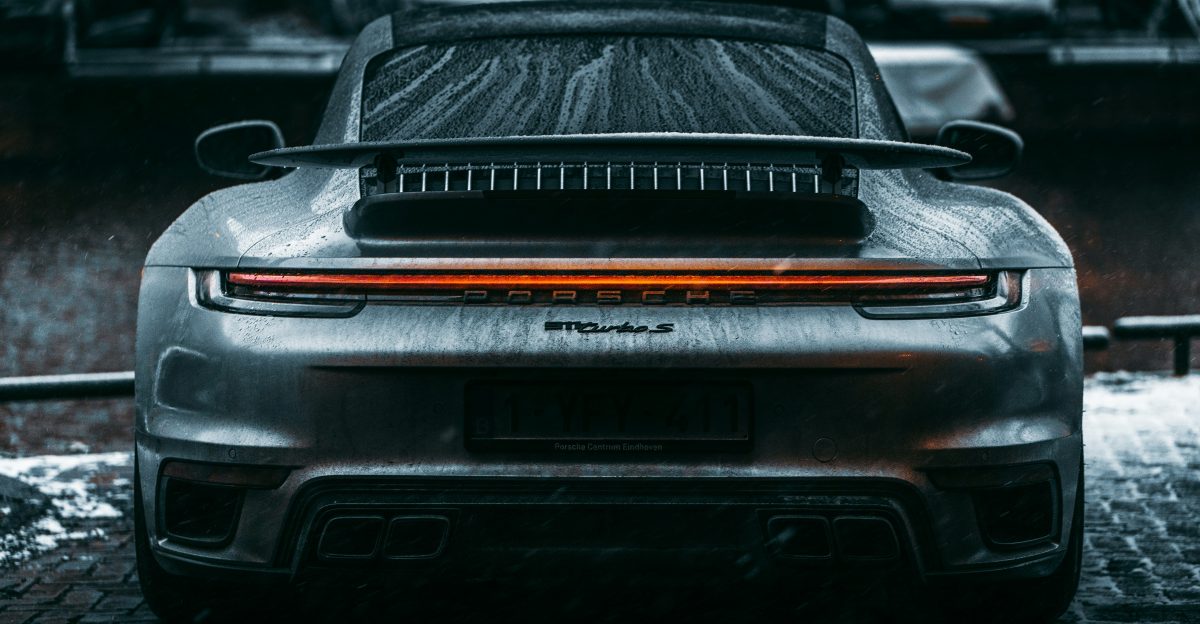
Porsche’s reputation for engineering precision comes with equally precise pricing for parts and labor. Consumer Reports 10 year cost breakdown places the brand second only to Land Rover for 10 year maintenance costs, estimating roughly 14,090 dollars on average. High performance SUVs like the Cayenne compound the problem, combining complex drivetrains, heavy braking loads and tightly packaged engine bays. Mechanic Alan Gelfand notes that owners “typically end up having to fix engine cooling pipes and driveshaft issues, and make expensive brake repairs,” with labor rates that reflect the badge and the performance hardware.
3. BMW
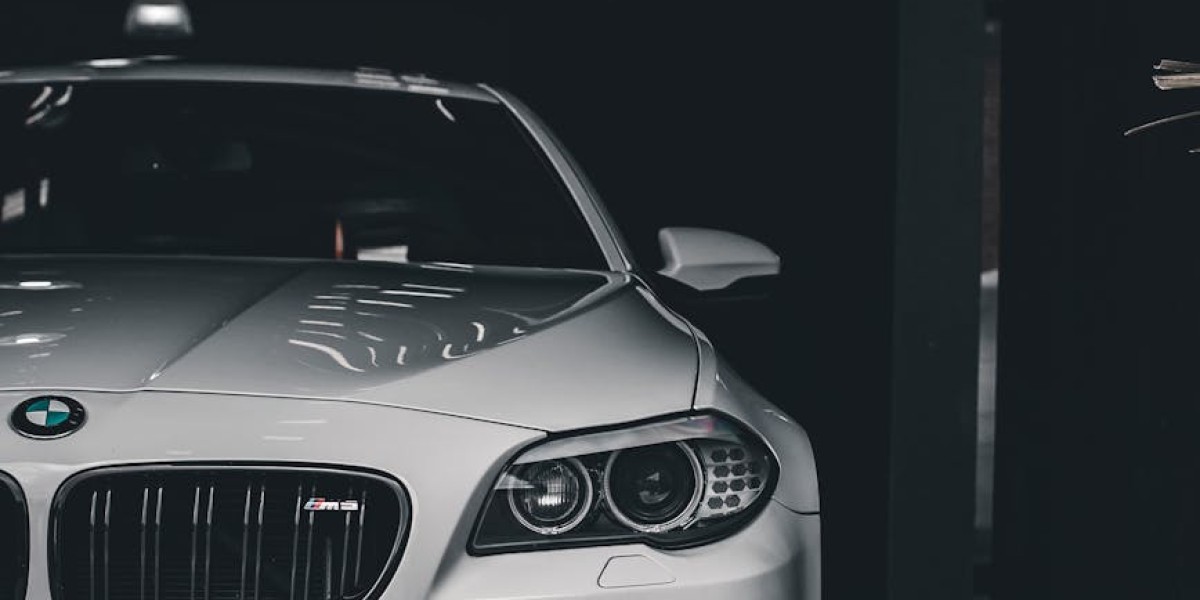
BMW markets itself as an everyday luxury choice, but long term maintenance data tell a more sobering story. CarEdge’s 2026 luxury brand rankings show BMW luxury models routinely cresting 15,000 dollars in 10 year maintenance, with a brand average a little over 16,000 dollars. Complex turbocharged engines, intricate cooling systems and advanced electronics all add to the bill when failures occur out of warranty. Independent mechanics say that while many BMWs drive beautifully, owners who skip extended coverage can be caught off guard by four figure repair invoices in years five through ten.
4. Mercedes Benz
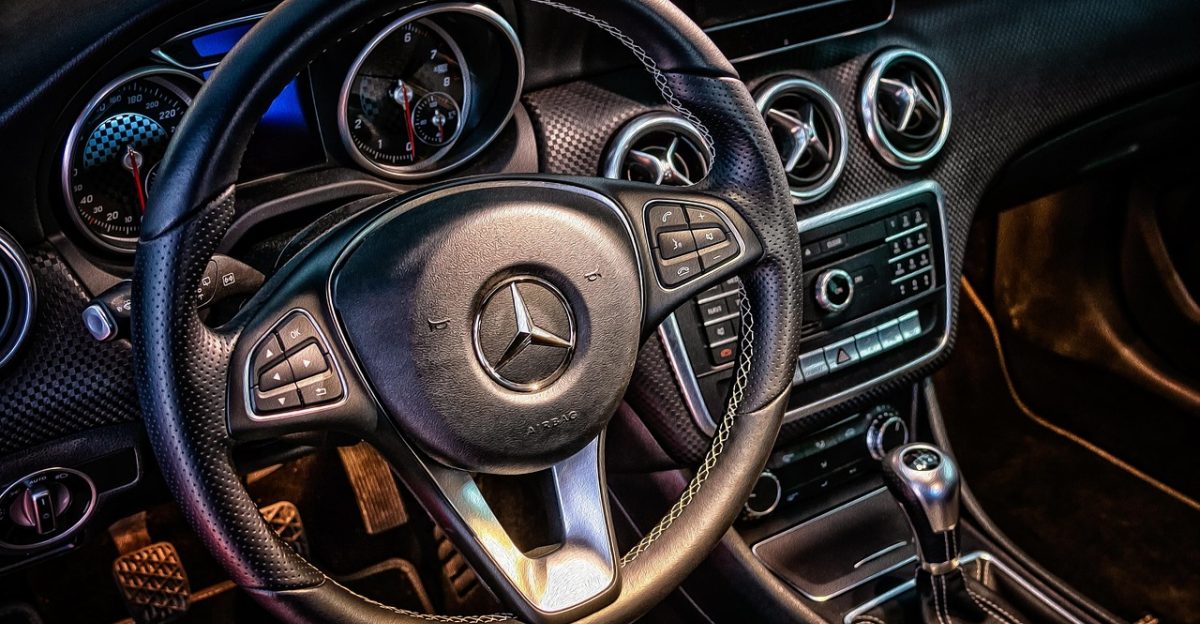
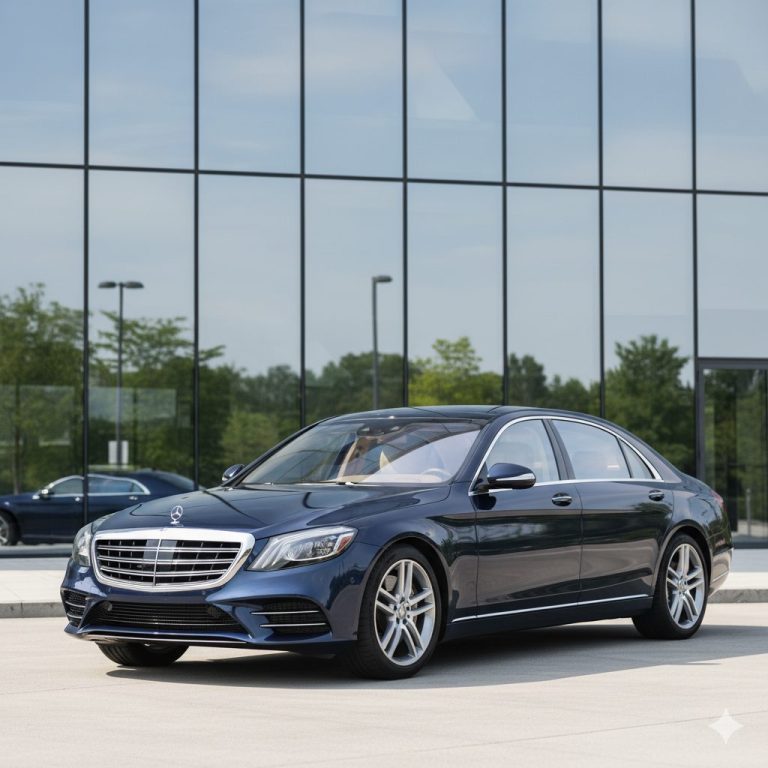
Mercedes Benz carries a similar long term cost profile. The same CarEdge data set puts several Mercedes Benz sedans and SUVs on a trajectory that approaches or exceeds 12,000 to 13,000 dollars over 10 years, with an overall brand average just under 13,000 dollars. Gelfand says large sedans like the Mercedes Benz S Class often face Airmatic suspension repairs, oil leaks and advanced electronic issues after 100,000 miles. He estimates that routine maintenance and common repairs alone can push 10 year costs near 13,000 dollars before any major engine or transmission failures are counted.
5. Jaguar
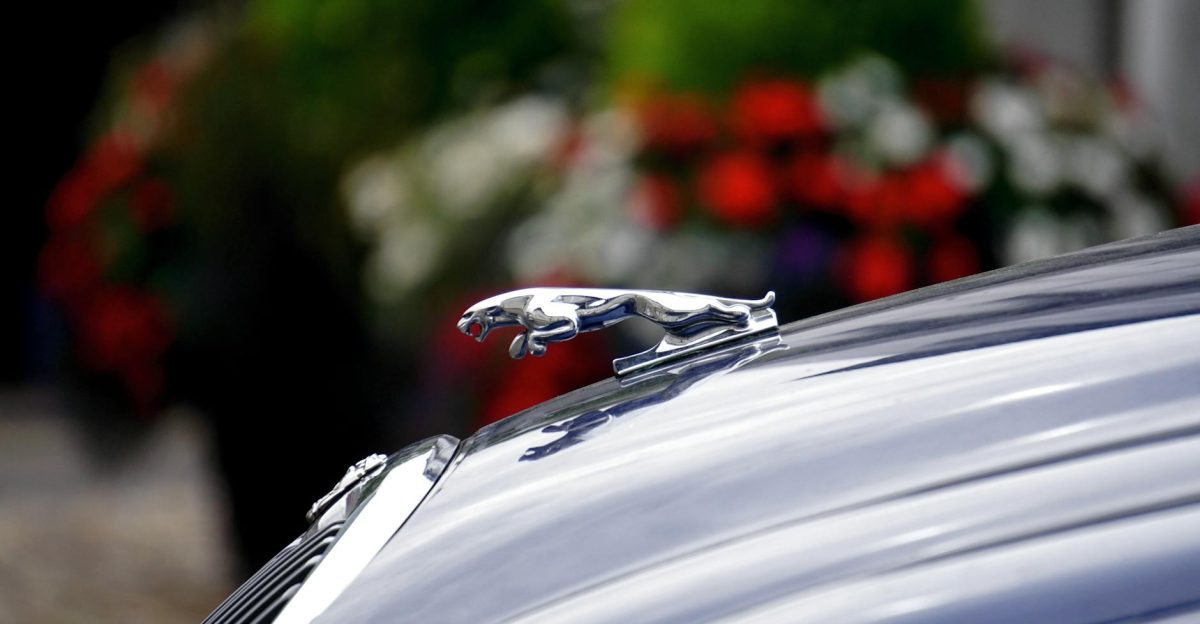
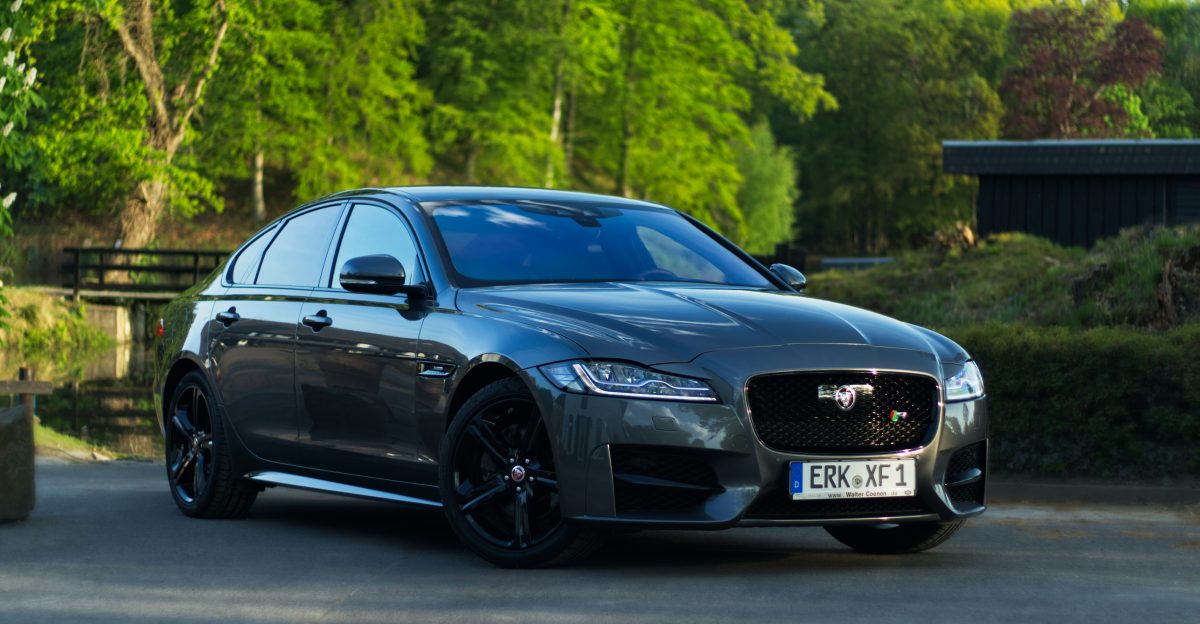
Jaguar sits in the same high risk neighborhood, especially for long term owners. CarEdge’s luxury segment tables show typical 10 year maintenance estimates topping 15,000 dollars for several Jaguar models. Less common luxury SUVs and performance cars often require brand specific components that independent shops cannot source easily, pushing owners back to dealerships. That combination of specialized parts, restricted diagnostics and relatively low sales volumes drives up prices and limits competition on labor, keeping Jaguar near Land Rover and BMW in many 10 year cost rankings.
Why these five brands hurt more than mainstream cars
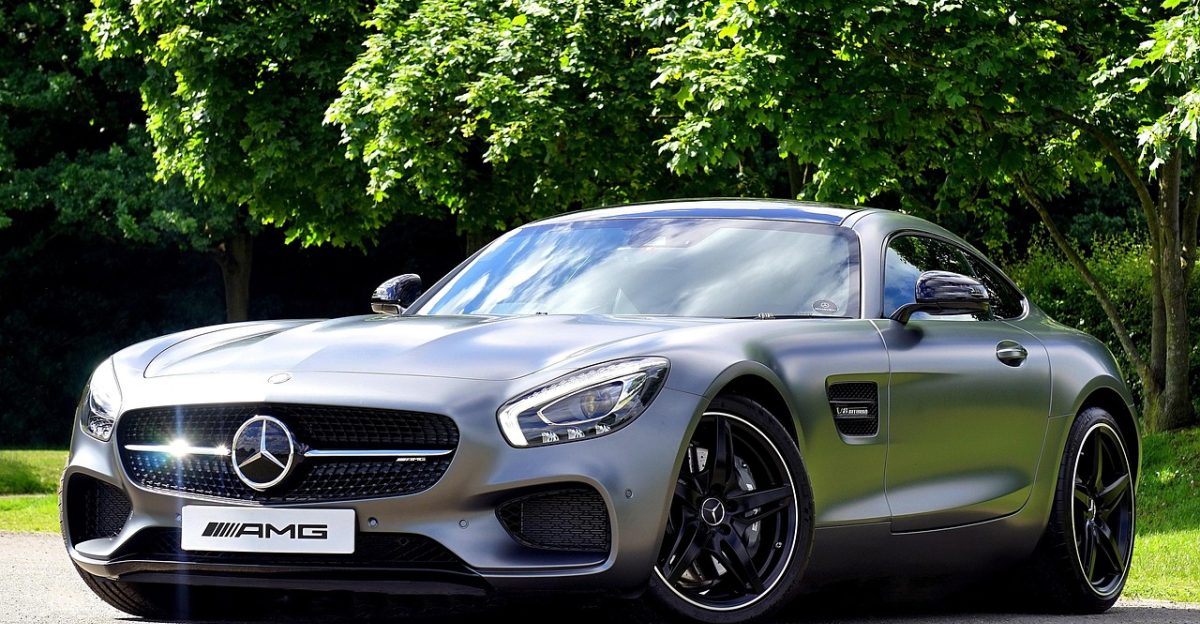
The same advanced engineering that sells these vehicles in the showroom often becomes a liability in the workshop. Air suspension systems, adaptive dampers, complex turbocharged engines and densely packed electronics all add failure points that cheaper brands simply do not have. When components are buried under trim, coded to the vehicle or locked behind proprietary diagnostics, labor hours rise sharply. Consumer and maintenance guides routinely warn that owners underestimate how much this complexity adds to long term costs.
How the price gap compares with mainstream brands
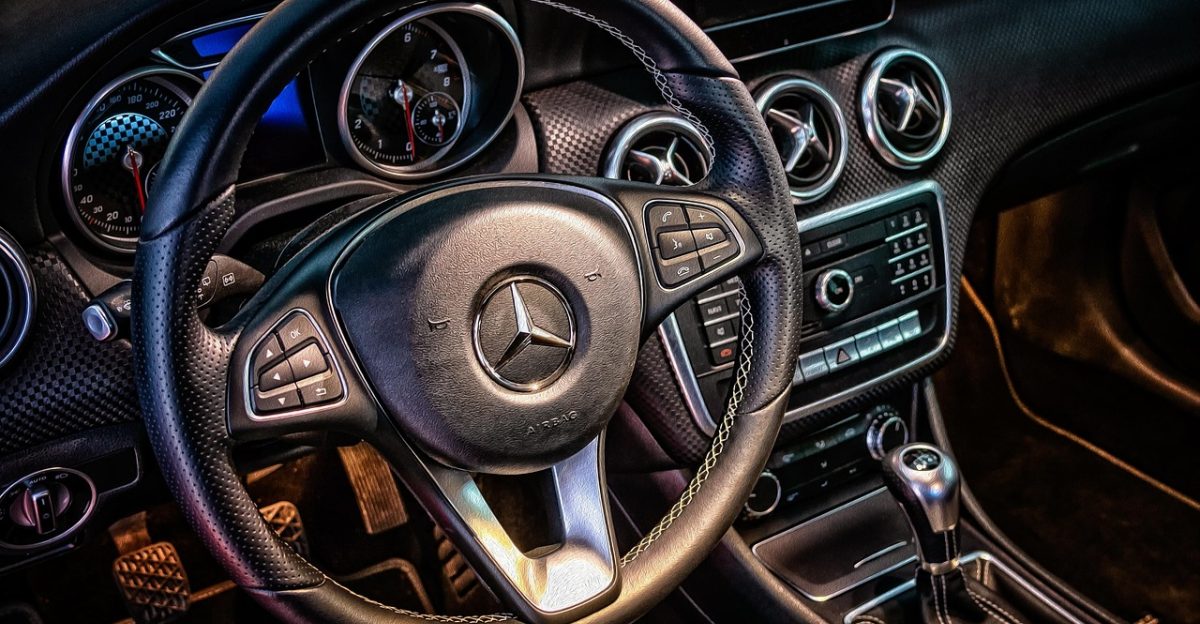
The contrast with mainstream automakers is stark. Ranking tables compiled from ownership data show brands like Toyota and Honda with typical 10 year maintenance costs in roughly the mid 4,000 to mid 5,000 dollar range, depending on model mix and usage. The same CarEdge data set places mass market Volkswagens around the mid 6,000 dollar mark over 10 years. That means a Land Rover or high end German luxury model can cost three to four times as much to maintain over the same period as a well chosen mainstream car. Over a decade, that difference can easily exceed the price of a decent used vehicle.
How to avoid becoming a maintenance statistic
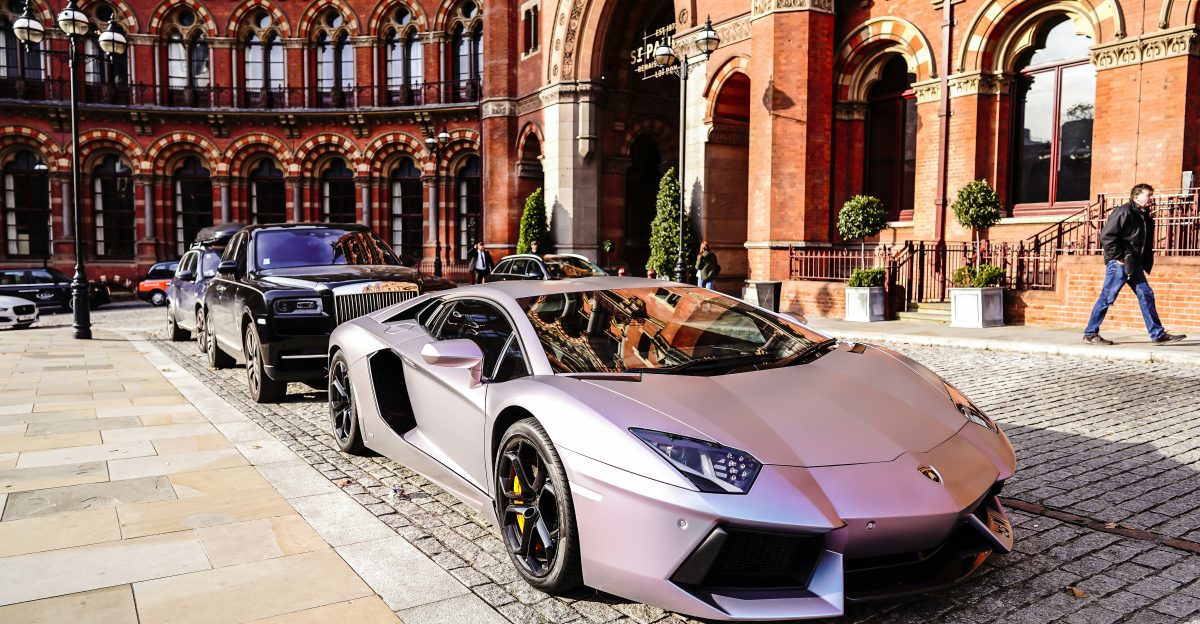
Experts say buyers can protect themselves by reading independent 10 year maintenance studies from sources like Consumer Reports and CarEdge, and by checking model specific data rather than just brand averages. Pre purchase inspections from specialists familiar with the brand can flag looming suspension, electronics or emissions problems before money changes hands. Insisting on full service records and verifying that major maintenance items have been addressed can also reduce nasty surprises. For shoppers who prize reliability and predictable costs over prestige, the numbers suggest looking harder at non luxury brands that stay on the road without quietly draining five figure sums from their owners’ bank accounts.