Stellantis Bans 225,000 Vehicles From Roads After Largest Recall In US History
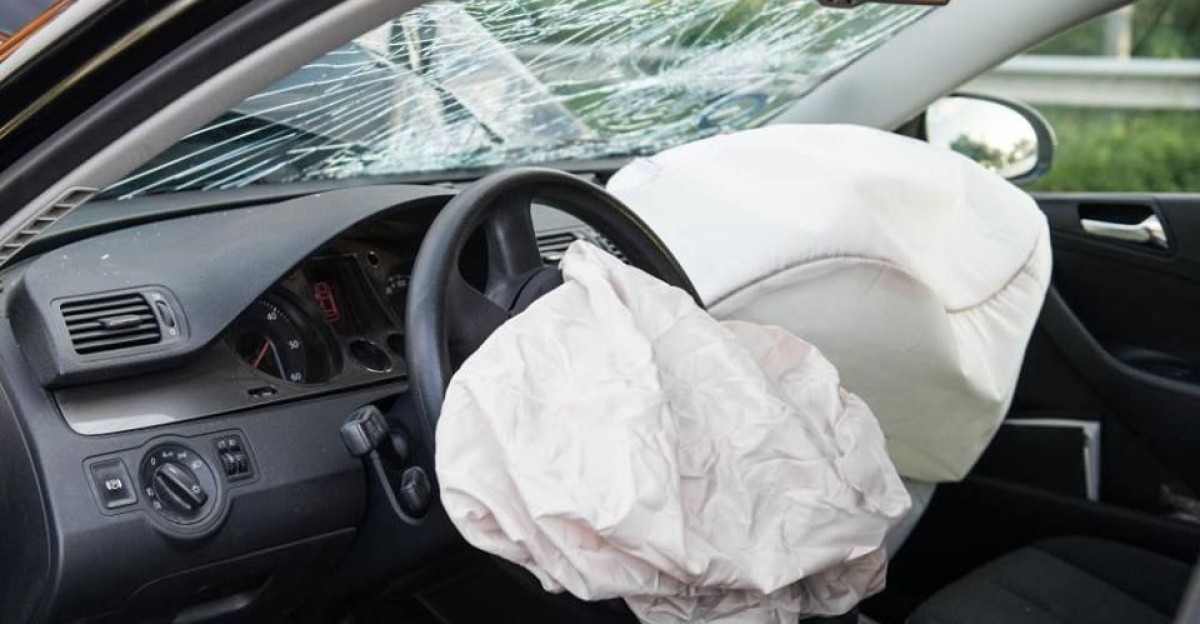
A fresh “Do Not Drive” order has just sidelined 225,000 American cars because of airbags that can turn a minor fender bender into a deadly blast of metal fragments. Federal regulators now count 28 U.S. deaths tied to defective Takata inflators, in what they call the largest automotive recall in the nation’s history, with 67 million airbags affected in the United States alone. “Even minor crashes can cause Takata airbags to explode, killing or severely injuring people in the vehicle,” the safety agency warns.
Stellantis’ stop drive order

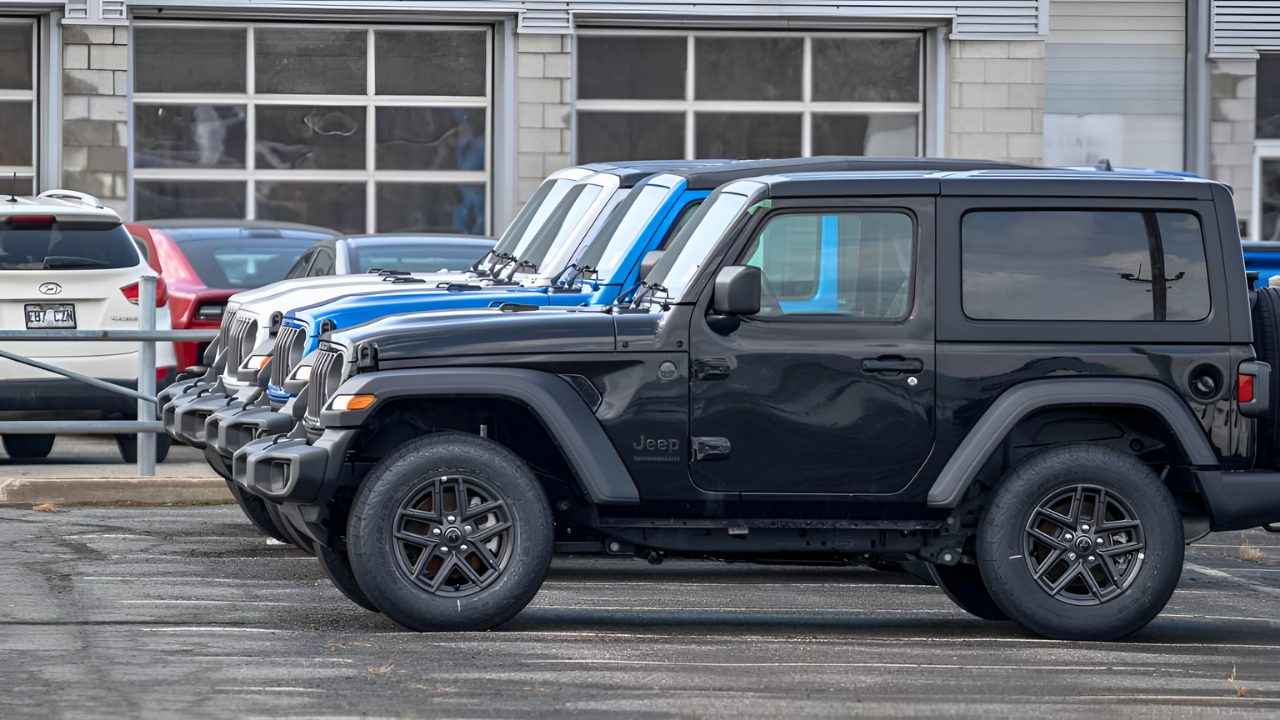
In February 2026, Stellantis told owners of about 225,000 older Dodge, Chrysler, Jeep, Ram and Mitsubishi Raider models to park their vehicles immediately and not drive them until repairs are done. The warning covers certain 2003 to 2016 vehicles that never received free recall fixes for their Takata inflators. “This action is intended to accelerate the repair of the remaining affected vehicles to safeguard owners, their families and the general public,” the company said.
How a safety device turns lethal
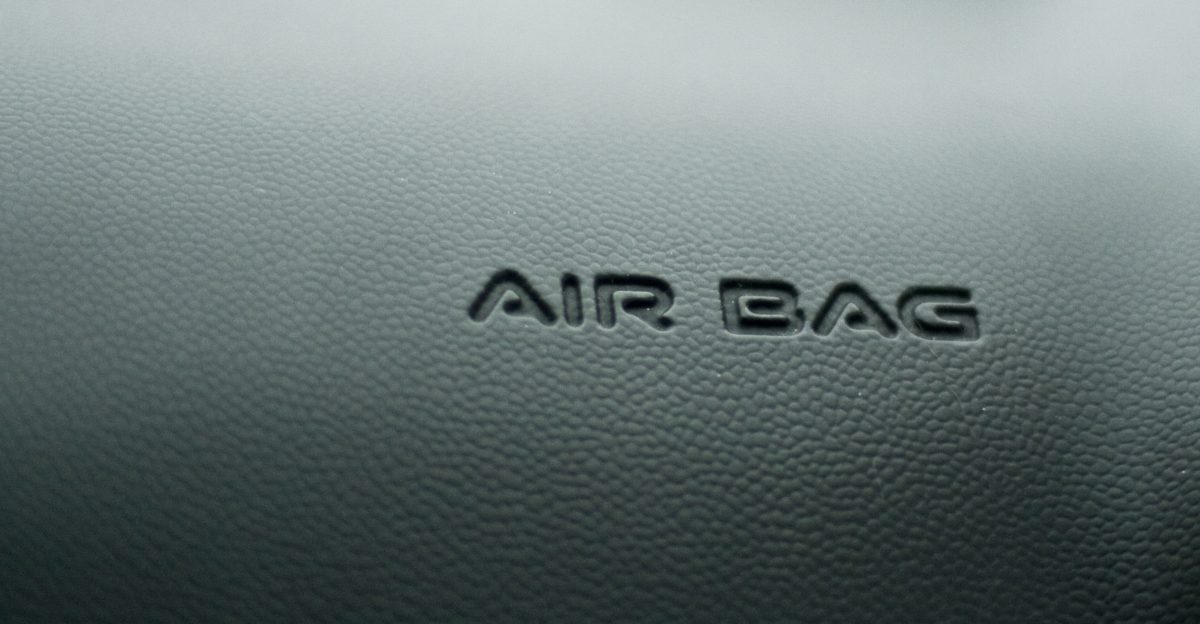
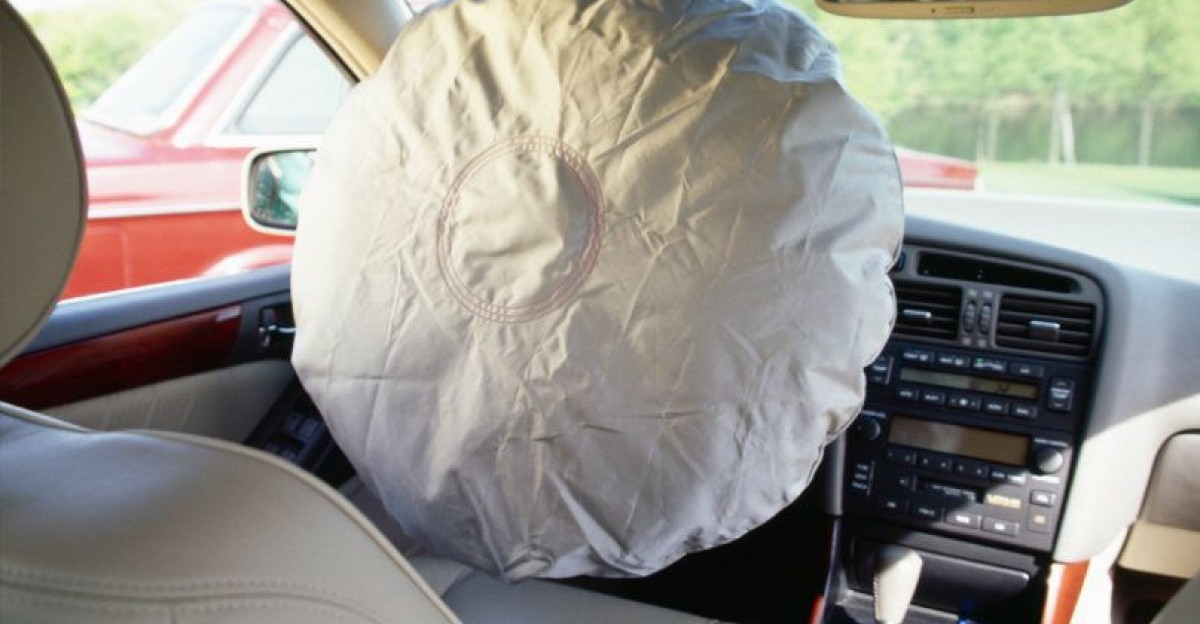
The defect lies in the inflator, the small canister that rapidly generates gas to fill the airbag in a crash. Over time, especially in hot and humid climates, Takata’s propellant can degrade, raising the risk that the metal housing will rupture instead of venting gas safely. When that happens, the inflator can burst and send sharp metal pieces into the cabin, striking drivers and passengers in the face, neck or chest.
The deadliest recall on record
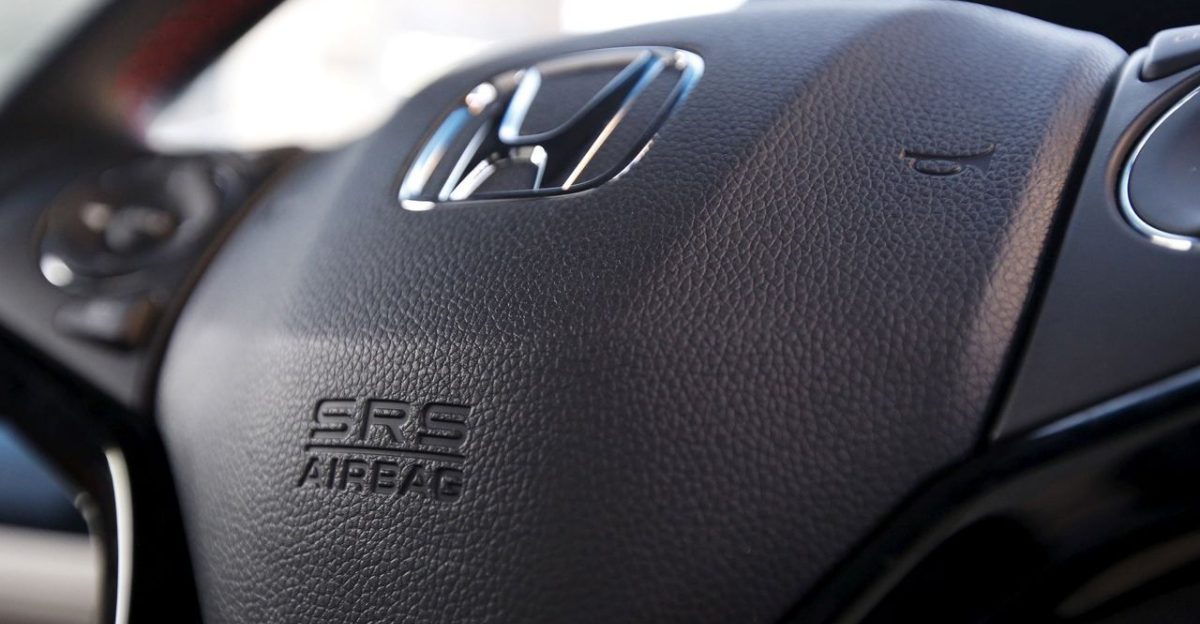
Takata’s airbags sit at the center of the most extensive auto safety campaign the United States has ever seen. Over the past decade, more than 100 million vehicles worldwide have been called back to replace inflators, including about 67 million in the U.S. alone. Despite years of outreach, NHTSA has verified 28 deaths in the United States linked to these inflators since 2009, along with many serious injuries. Honda alone has confirmed 20 U.S. fatalities in its Honda and Acura vehicles.
Millions still unrepaired
Progress has been uneven. Honda says it has replaced or accounted for more than 95% of its recalled Takata inflators, and Stellantis reports completing work on over 6.6 million vehicles. Yet millions of airbags across multiple brands remain in use, often in older vehicles that have changed hands several times. Carfax recently estimated that about 6.4 million vehicles on U.S. roads still have unrepaired Takata airbags, despite free repairs being available.
A parallel threat from counterfeit parts
Just as Takata recalls drag on, regulators are racing to contain a second, quieter airbag crisis. In January 2026, NHTSA warned that replacement airbag inflators made in China by Jilin Province Detiannuo had ruptured in crashes, killing eight drivers and seriously injuring two others in the United States. These substandard inflators were installed after prior crashes, often in salvage or rebuilt Chevrolet Malibu and Hyundai Sonata models.
NHTSA’s stark warning
The language from safety officials is unusually blunt. “Minor crashes can lead to exploding Takata airbags that can cause fatalities or result in severe, life changing injuries,” NHTSA has cautioned, urging owners not to ignore recall notices. On the counterfeit inflators, the agency added, “Whoever is bringing them into the country and installing them is putting American families in danger.” Regulators have opened an investigation into the Chinese made parts.
Why the recall system struggles
The Takata saga exposes the limits of a recall system that leans heavily on letters and voluntary compliance. Owners move, vehicles are sold, and older cars often end up with drivers who never see the original notices. Automakers have turned to texts, emails, dealer outreach and media campaigns, yet a stubborn core of unrepaired vehicles remains. Safety advocates argue that when defects can kill in minor crashes, traditional recall tactics may not be enough.
What owners are being urged to do
Regulators and automakers are telling drivers to act immediately, especially if they own older vehicles in hot or humid regions. Owners can check their Vehicle Identification Number on NHTSA’s recall website or manufacturer portals to see if their airbags are under recall. Repairs and replacement inflators are free, and in some “Do Not Drive” cases, carmakers will provide towing or loaner vehicles to keep owners off the road until work is completed.
The human cost behind the numbers

Behind every statistic is a driver or passenger who expected their airbag to save their life, not take it. The 28 confirmed U.S. deaths tied to Takata inflators and the eight more linked to counterfeit replacements occurred in crashes that regulators often describe as otherwise survivable. As Stellantis’ latest “Do Not Drive” order shows, the danger is not a past chapter but an ongoing risk parked in driveways and curbsides across the country.
Sources
“Weekly U.S. Influenza Surveillance Report (FluView).” Centers for Disease Control and Prevention, late Nov 2025.
“Deadly ‘Super Flu’ Surge Forces Schools to Close and Triggers Mask Mandates Across the US.” MSN, 2025.
“Hospitals overwhelmed as flu virus outbreak spreads from China.” The Express, 2025.
“‘Super Flu’ Forcing Schools To Close, Hospitals To Enact Restrictions.” KISS FM RGV / iHeartRadio, 10 Dec 2025.