New EV Sales Crash 37% As $25K Used Models Flood U.S. Market—Ford, GM Take $25.5B Hit
New EV sales fell 37% year-over-year in Q4 2025 — and 46% from the prior quarter, when buyers had rushed to lock in credits before the September 30 deadline. Federal tax credits of $7,500 for new and $4,000 for used vehicles expired that day under the One Big Beautiful Bill Act. Simultaneously, used EV sales surged 13.5% to nearly 89,000 units. Demand didn’t vanish. It migrated downmarket overnight, and the entire American EV industry buckled under the weight.
The Trigger
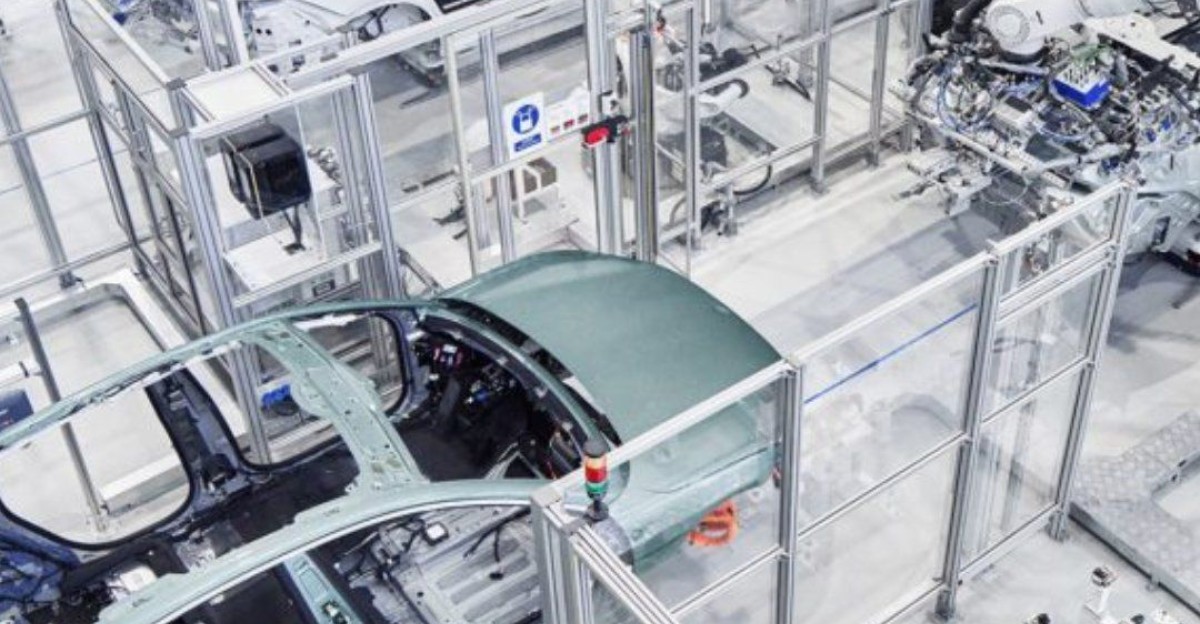
The credits weren’t a bonus. They were the margin. BEVs still carry a 15 to 20% price premium over comparable gas vehicles, according to PwC, with price parity not expected until 2028 or 2029. Subsidies bridged that gap artificially. When the bridge disappeared, the mass market walked away in a single quarter. The automakers who bet billions on those buyers felt it next.
Kitchen Table
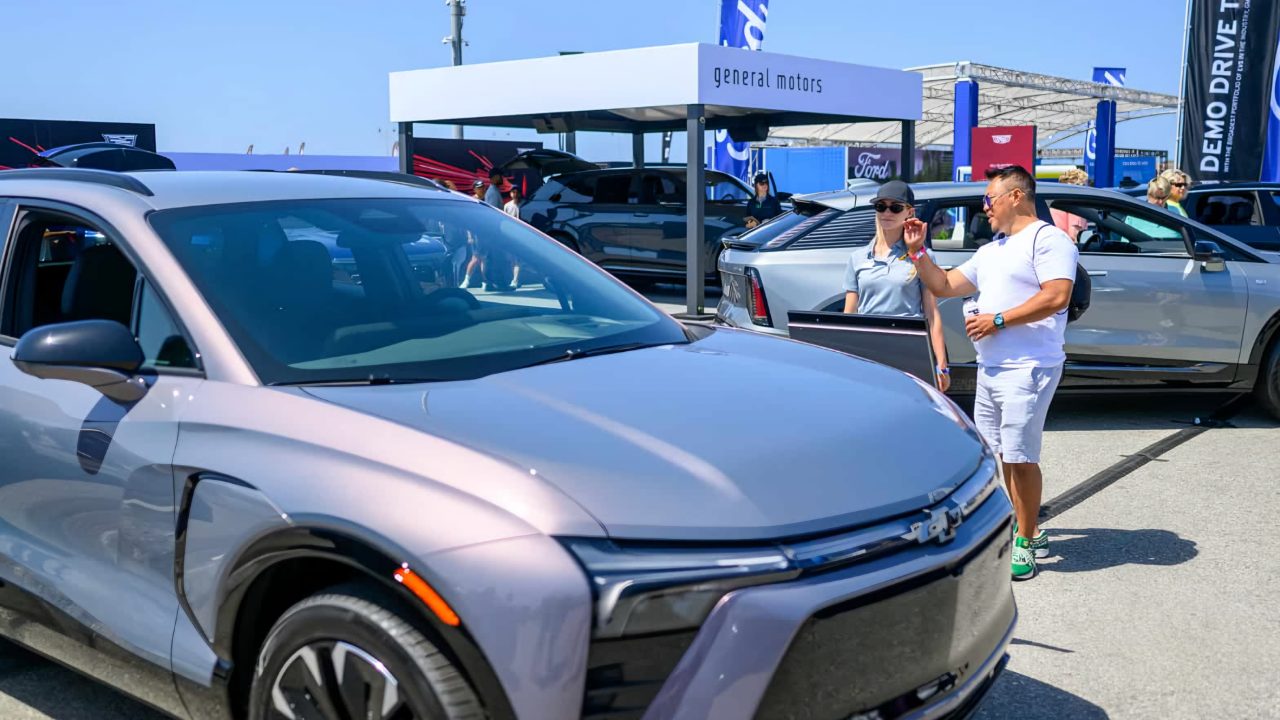
Nearly 40% of used EVs now sell for under $25,000. A used Tesla Model 3 averages $26,755. For a family doing the math, the new market simply stopped making sense. Used EV sales jumped 13.5% in late 2025 while new sales cratered. That price gap created a one-way door: buyers walked through it toward used lots and didn’t look back. The dealerships selling new EVs are absorbing that silence. The automakers behind them absorbed something worse.
Corporate Carnage
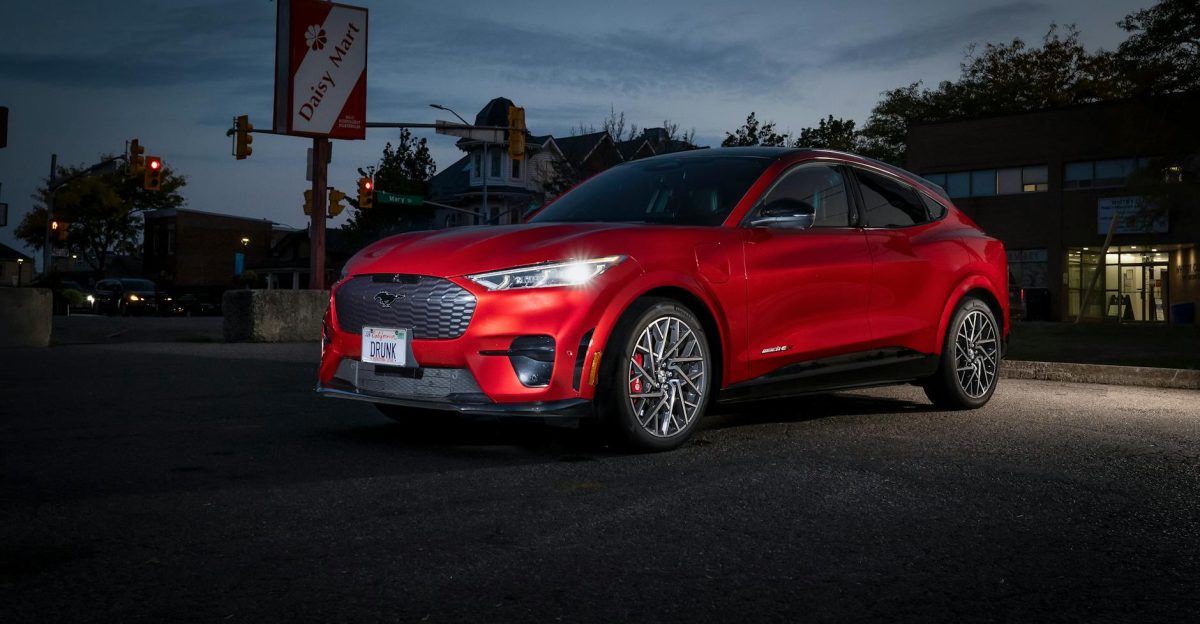
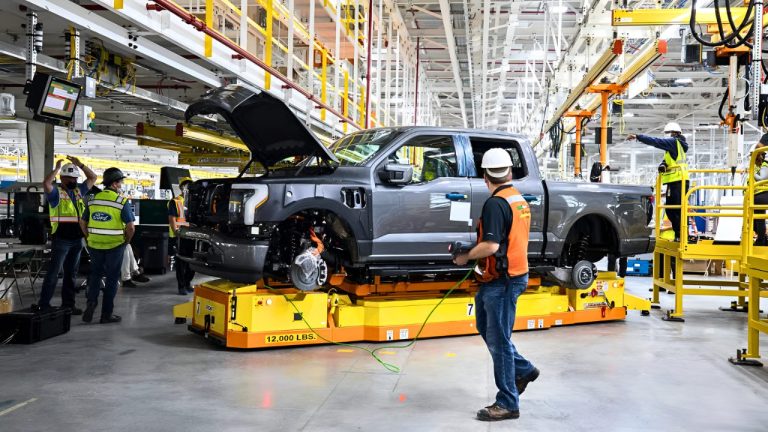
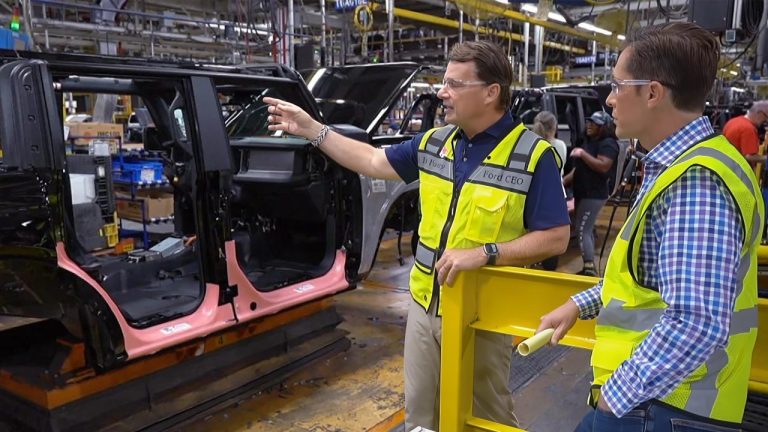
Ford announced a $19.5 billion charge to pivot away from mass-market EVs toward hybrids and premium models. General Motors reported $6 billion in Q4 EV-related charges, including $4.2 billion cash for supplier settlements. Combined: $25.5 billion. Both companies made these announcements within weeks of the credit expiration. That speed tells you everything about how thin the margins actually were. And the damage didn’t stop at Detroit.
Surprise Domino
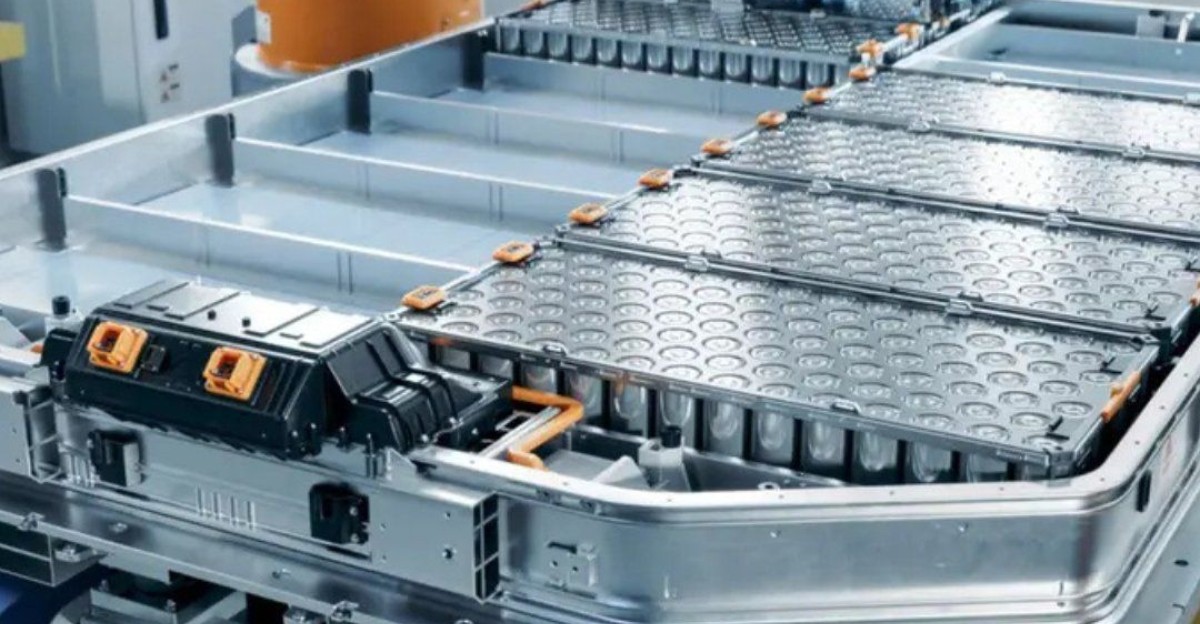
Battery costs hit $99 per kilowatt-hour for BEV packs in 2025, the fastest annual decline in years. But Chinese manufacturers now control approximately 69% of global EV battery production, with lithium iron phosphate chemistry representing a dominant share of global cell output. Western automakers retreating from EVs didn’t just surrender domestic market share. They handed the affordable EV segment to Chinese competitors who can profitably build vehicles at price points Detroit can’t touch. One policy change in Washington just rearranged global manufacturing power.
Hidden Wiring
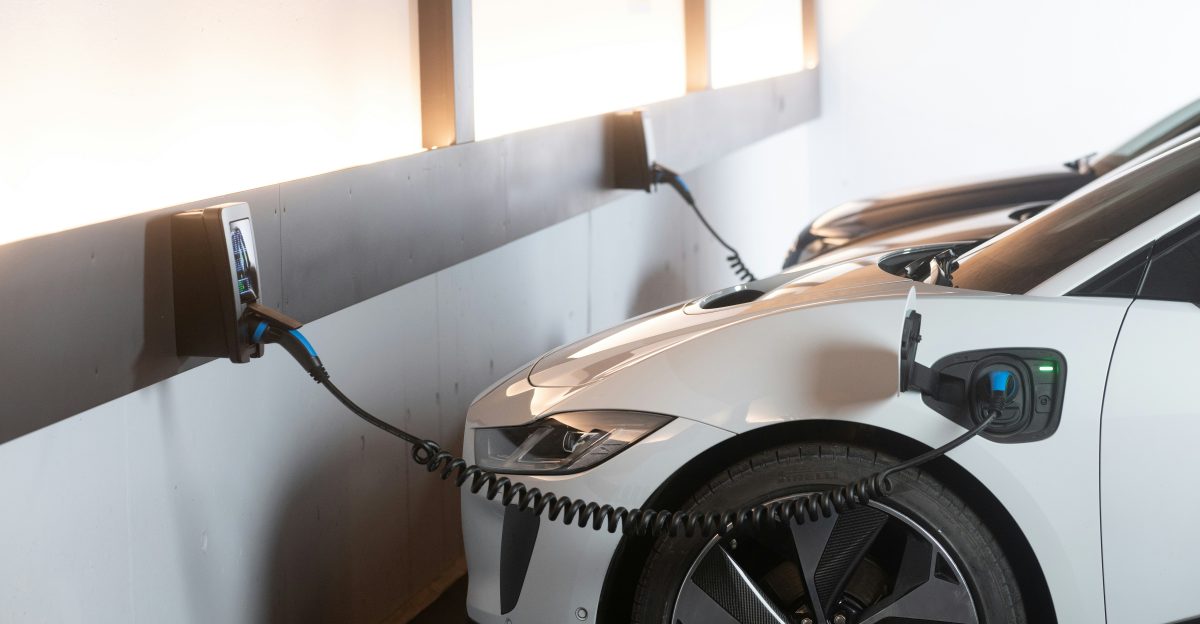
Subsidies were never about helping consumers adopt new technology. They were manufacturer margin support. Remove the subsidy, the margin collapses, the strategy reverses. That sequence played out in weeks, not years. Battery technology improved dramatically during this period. Researchers achieved significant solid-state battery range improvements. Prototypes demonstrated extended range capabilities. Consumer confidence still collapsed. Technology got better. Adoption got worse. Policy was the load-bearing wall, not physics.
Trust Deficit
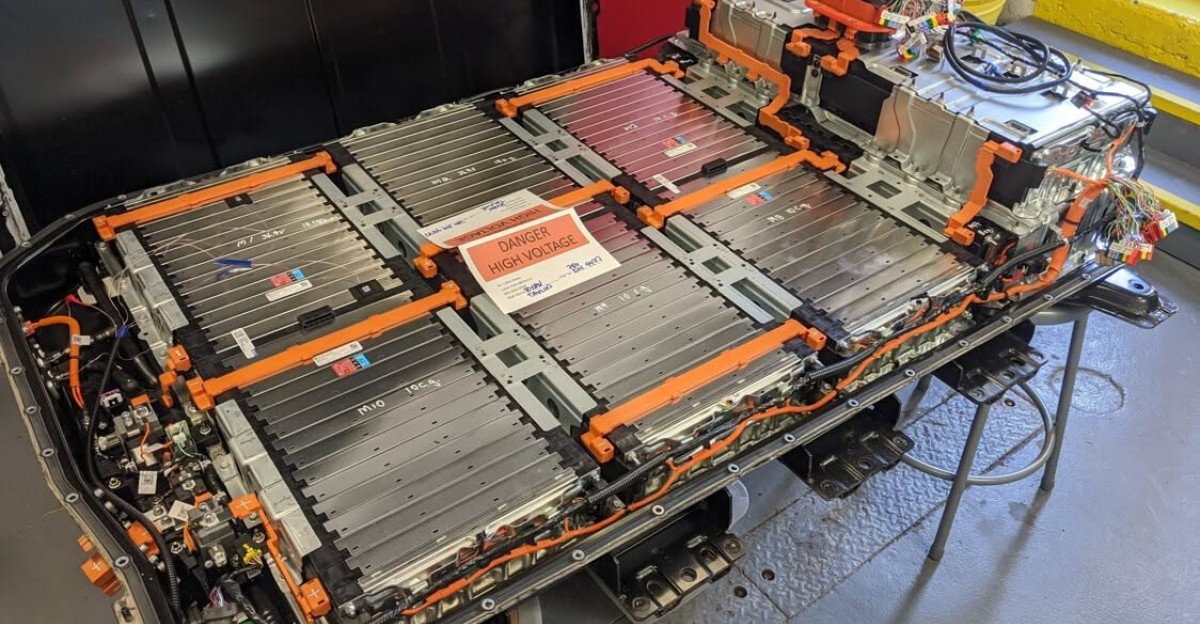
Only 3% of potential EV buyers expressed confidence in purchasing a used electric vehicle in recent surveys. Meanwhile, Cox Automotive’s Stephanie Valdez Streaty called the shift “a structural transition toward a market increasingly driven by consumer choice.” Consumer choice. With minimal confidence levels. Liz Najman of Recurrent put it plainer: “You can get a two- or three-year-old EV for 50% off and you’re talking about something with a lot of technology and a warranty on the battery.” The deals exist. The trust doesn’t.
New Rules
BloombergNEF downgraded its 2030 U.S. EV adoption forecast from 48% penetration to 27%. FTI Consulting made a nearly identical revision. Those are steep forecast cuts by major analysts. The precedent now set: federal incentive removal triggers rapid demand collapse, not gradual adjustment. Future policy changes carry similar detonation risk. Every automaker, every supplier, every battery plant now prices political volatility into every investment decision. The rules of the EV business just changed permanently.
Winners and Losers
Tesla used prices showed relative stability after the credit expired while other brands’ used EVs declined. Brand strength now matters more than technology. Households earning $150,000 or more posted spending growth near 20%, according to NIQ. Households under $50,000 stayed flat or declined. The K-shaped economy just split the EV market in two: wealthy buyers will access emerging long-range battery technology. Working-class buyers get three-year-old lease returns at steep discounts but with minimal confidence levels. Same product category. Two completely different markets.
Next Wave
An estimated 2.5 to 3 million off-lease EVs are entering the used market through 2026, based on the volume sold under majority-lease structures in 2023 and 2024. Prices will drop further. New EV purchases become harder to justify economically. 24M Technologies CEO Naoki Ota warned: “The U.S. must advance battery innovation, not just scale production to close the gap with competitors overseas.” The cascade from one policy change now reaches global supply chains and a market nobody in Detroit planned for. This story is still accelerating.
Sources:
Cox Automotive, “Despite Q4 Collapse, 2025 EV Sales Decline Only 2% Versus 2024,” Jan. 12, 2026.
Los Angeles Times, “Used Electric Vehicles Under $25,000 Surge as New EV Sales Crash,” Feb. 17, 2026.
Ford Motor Company, press release, “Ford Reinvests in Trucks, Hybrids, Affordable EVs, Battery Storage,” Dec. 15, 2025.
Reuters, “GM to Take $6 Billion Writedown on EV Pullback,” Jan. 8, 2026.
BloombergNEF, “Lithium-Ion Battery Pack Prices Fall to $108 Per Kilowatt-Hour,” Dec. 8, 2025.
Recurrent Auto, “Used Electric Car Prices and Market Report, Q1 2026,” Feb. 10, 2026.
CBT News, “Dealers Brace for Influx of Off-Lease EVs in 2026, CDK Reports,” Jan. 25, 2026.