Utah Blows $26M On ‘Largest Striping Project In State History’
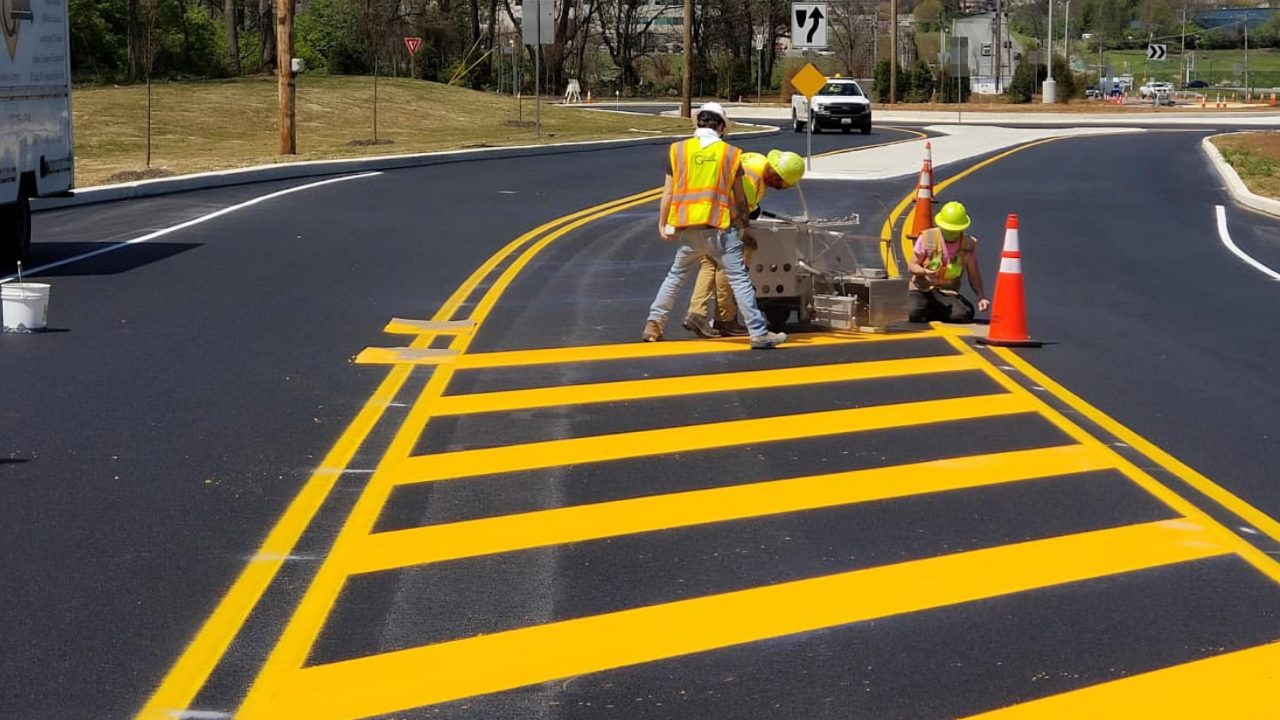
Utah just spent $26 million on the largest restriping project in state history. Six million feet of contrast striping laid across the Wasatch Front in 2024 alone.
The target: a nighttime fatality crisis where roughly half of traffic deaths happen after dark nationwide, despite only a quarter of driving occurring at night. UDOT answered with a massive paint job. The problem is what UDOT’s own spokesperson said next, and it changes everything about how you judge that price tag.
How It Works
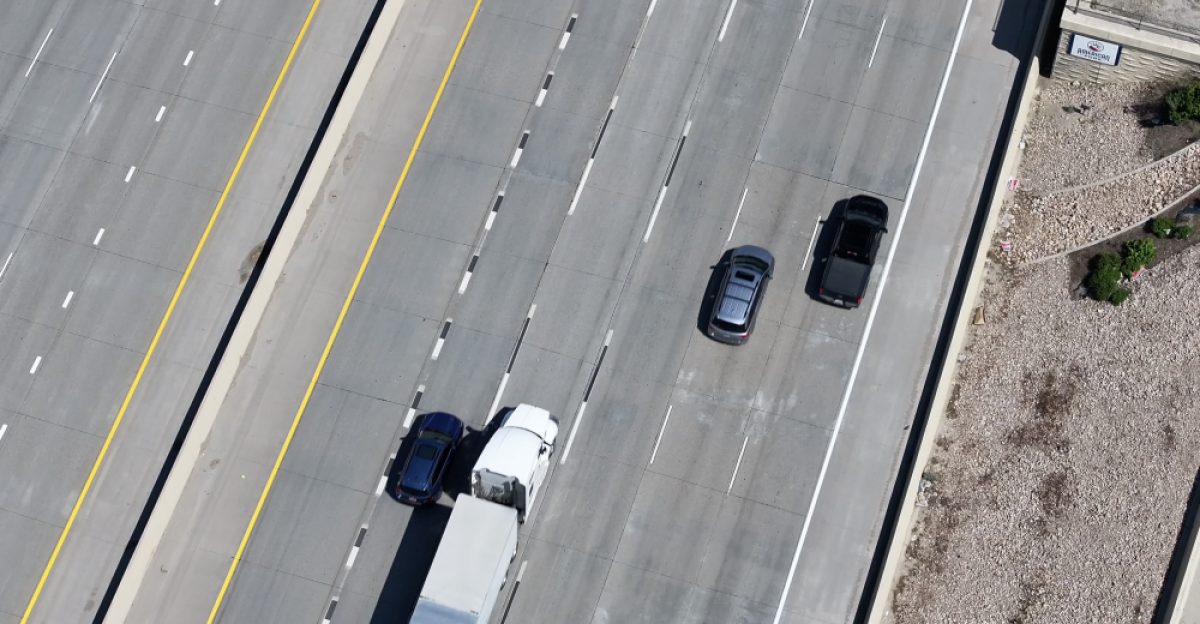
Contrast striping pairs a white lane line with a black shadow line directly behind it. The black makes the white pop, exploiting how the human eye processes contrast.
Tiny glass beads embedded in the paint bounce headlight beams back toward drivers’ eyes. That’s retroreflectivity, and it works brilliantly on dry pavement. UDOT’s John Gleason put it simply: “If you put that black line directly following it, that really causes it to stand out.” The science is sound. The limitation is physics, and it shows up the moment rain falls.
The Night Crisis
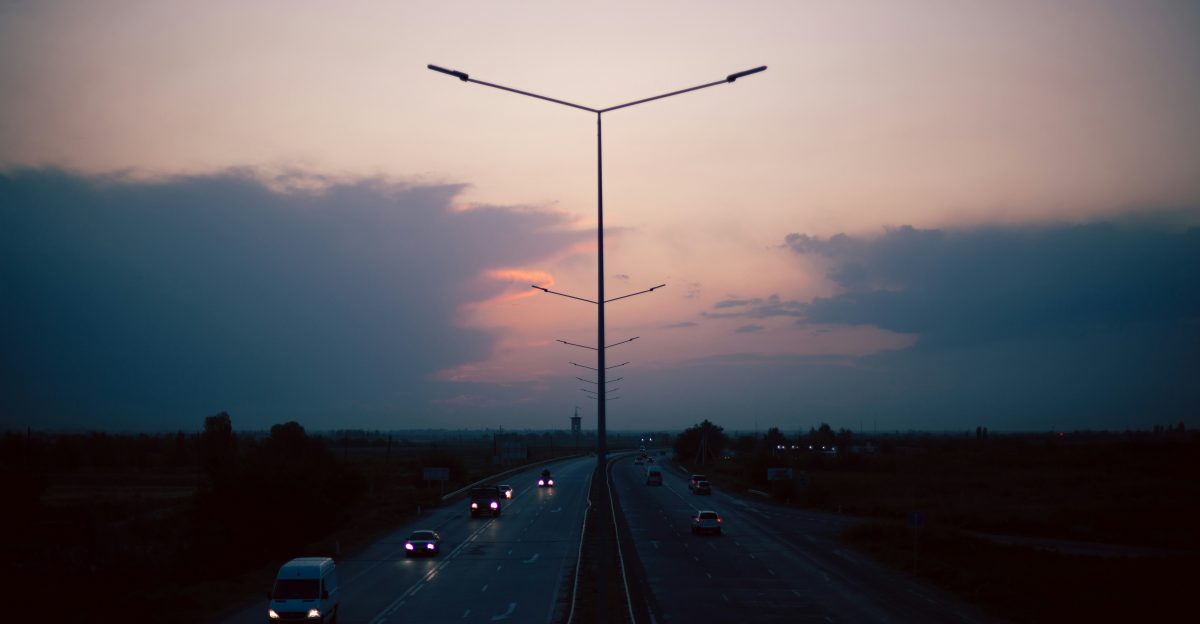
Failing to keep proper lane accounts for 30% of Utah’s fatal crashes. That’s not distracted driving or speeding. That’s drivers who literally could not see where their lane was.
For the family driving I-15 at 10 p.m., contrast striping is a genuine upgrade. On a dry night, visibility improves. The question nobody’s asking: how many fatal nights are dry?
Perpetual Costs
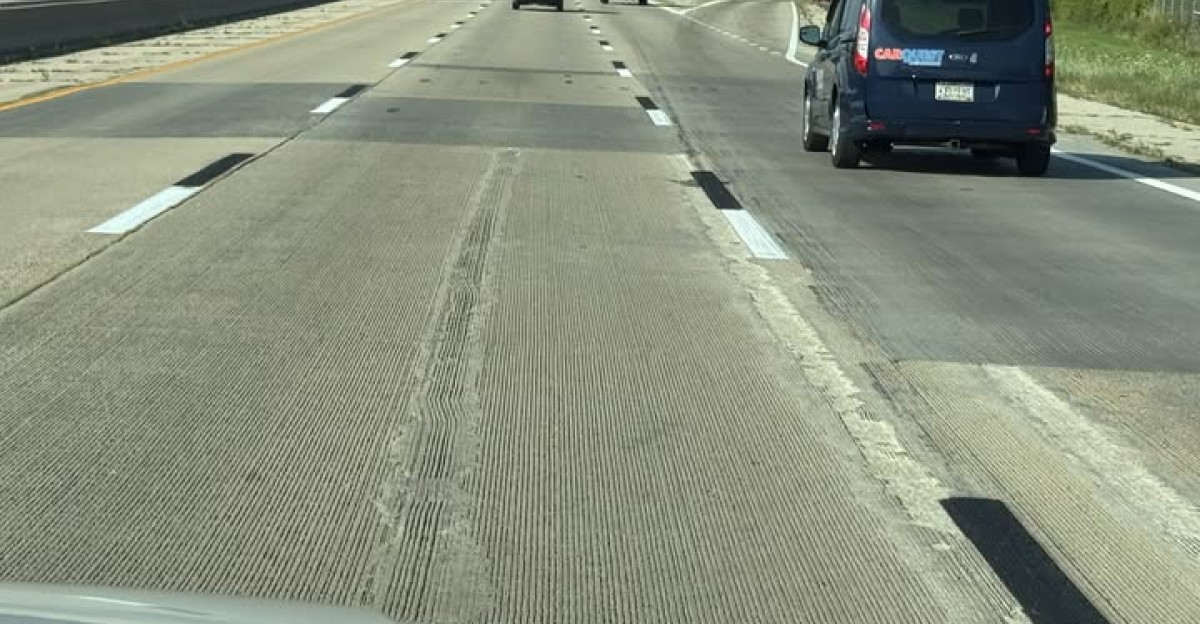
This is not a one-time fix. Contrast striping degrades every winter and requires annual repainting. The tape itself gets fully replaced every six years. That locks Utah taxpayers into a permanent maintenance cycle, with pavement marking contractors guaranteed steady work across the entire Wasatch Front for decades.
The $26 million is a down payment on a recurring bill. Future budgets will compete between repainting existing lines and funding other safety projects. Every dollar spent restriping is a dollar not spent elsewhere.
Robot Passengers
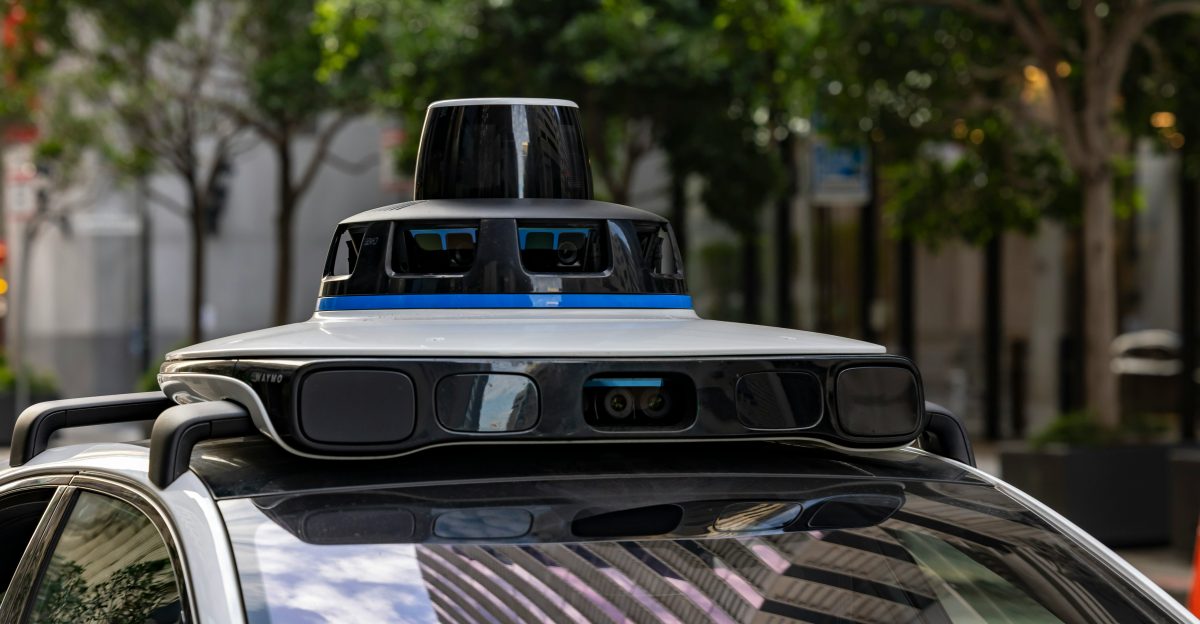
Here’s a ripple nobody expected. Contrast striping helps autonomous vehicle sensors read lane boundaries. Self-driving systems depend on clear markings for camera and LIDAR accuracy. UDOT’s $26 million human-safety project is simultaneously building infrastructure for driverless cars.
UDOT included that dual-use reality in official press materials, though it wasn’t the headline. Taxpayers funding a nighttime visibility fix are also subsidizing the tech industry’s autonomous vehicle ambitions. Same paint, same budget, two very different beneficiaries.
Water Wins
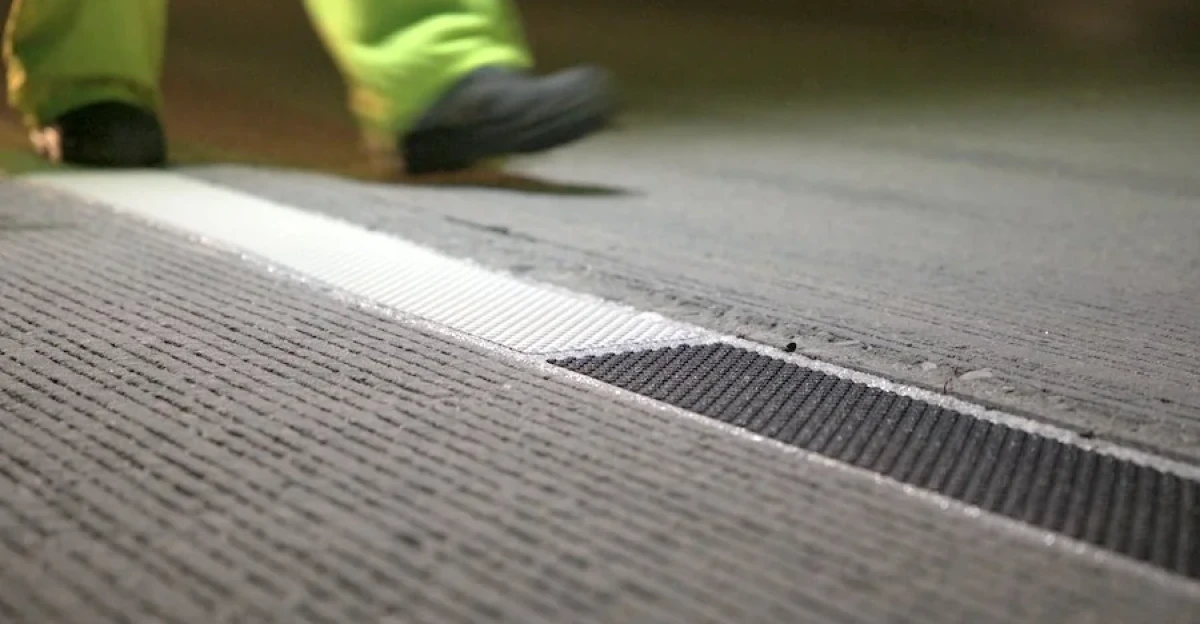
Here’s the connection running through every ripple. Water physically blocks retroreflective glass beads from bouncing light back to drivers’ eyes. Rain sits on the marking surface and scatters the light path. No paint formula overcomes that physics. Dry night: the striping works.
Wet night: visibility collapses. The cascade narrows fast. A storm rolls into Davis County. Headlights hit wet pavement. Six million feet of fresh striping go functionally dark. Your lane disappears. That’s the $26 million limit.
Feel Safer?
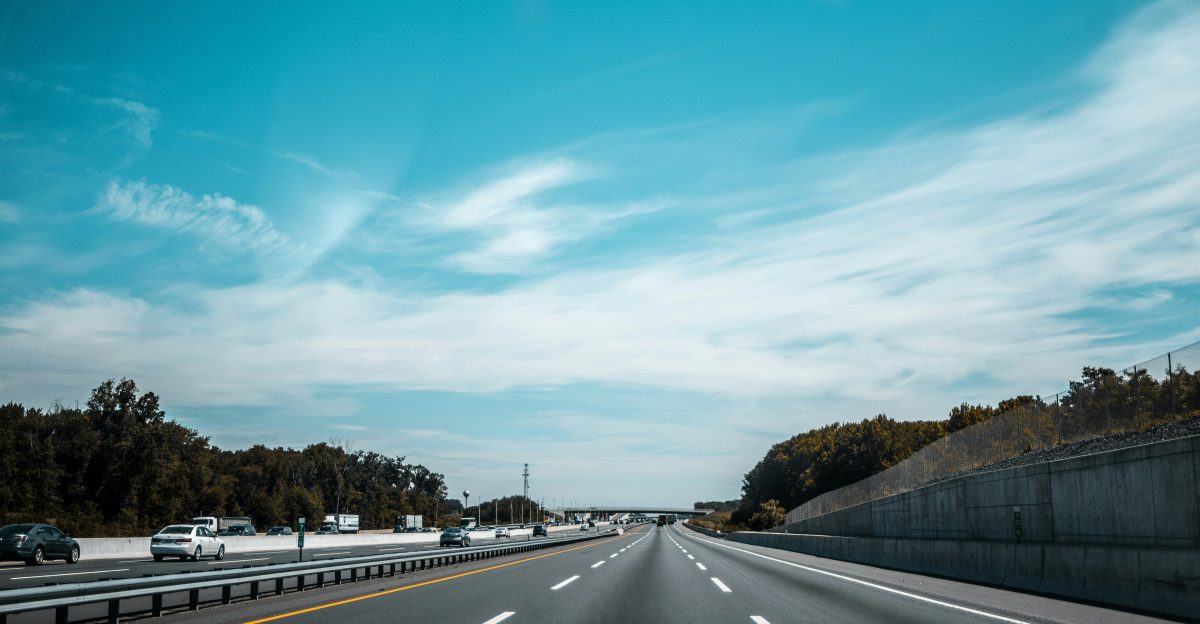
UDOT spokesperson John Gleason acknowledged the core problem to Fox 13: “The reflectivity competes with the water on the roads. And so we’re always looking at improving that reflectivity.”
The agency is selling confidence while admitting the fix fails in the exact conditions that kill the most drivers. That contradiction is worth sitting with.
Better Options Exist
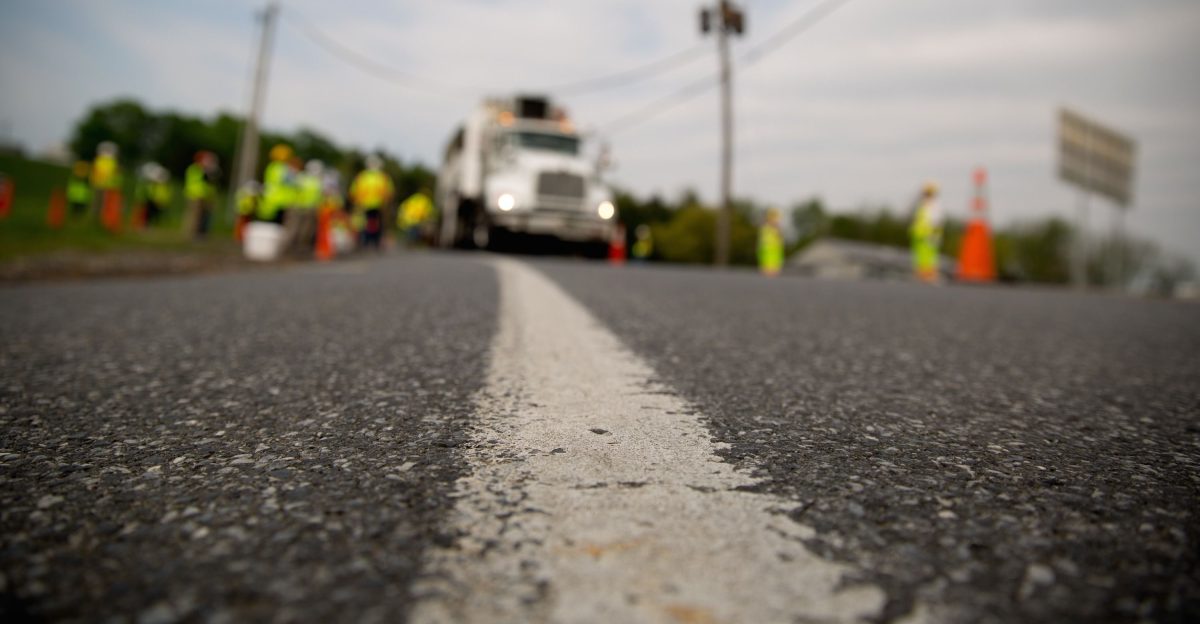
Federal Highway Administration research shows High Friction Surface Treatments reduce wet-weather crashes by 83% and total crashes by 57%. An FHWA study—promoted by 3M—found wet-reflective pavement markings deliver a benefit-cost ratio of 5.44 on multilane roads.
High Friction Surface Treatments are spot applications designed for curves and high-crash locations where pavement grip matters most, not corridor-wide striping alternatives. Wet-reflective markings exist and attack the actual visibility problem: water on the road surface. The precedent matters. FHWA adopted minimum retroreflectivity standards for signs back in 2007 and has pushed pavement marking standards since. Utah chose the cheaper path.
Winners and Losers
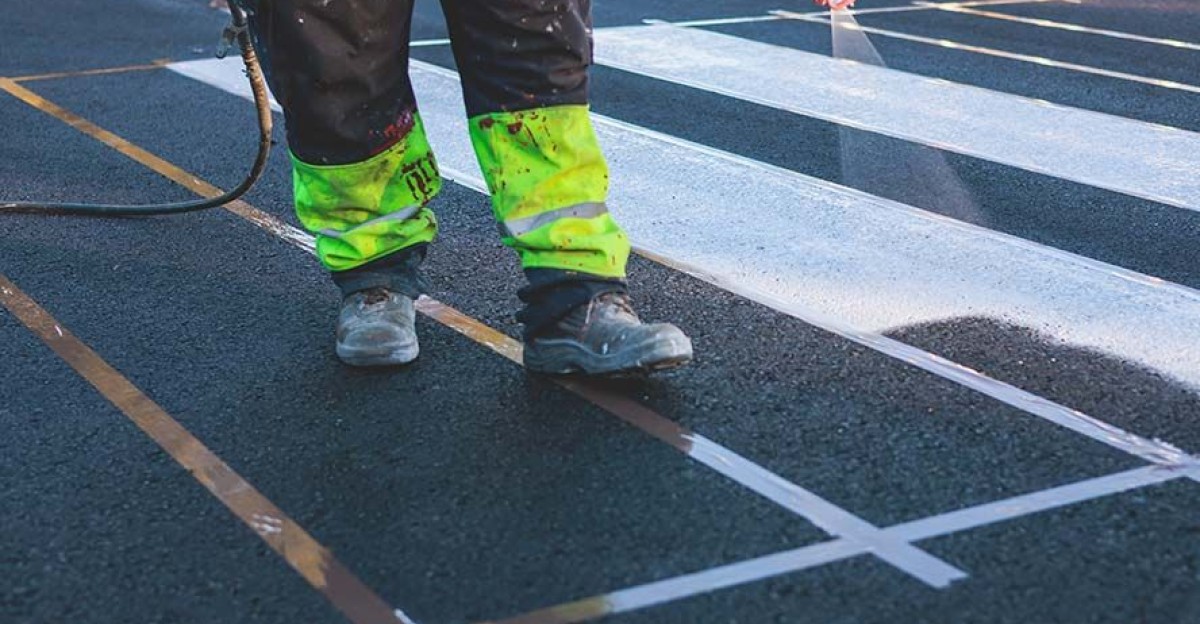
Pavement marking contractors win. They’re locked into a six-year replacement cycle across major highway corridors, including I-15, I-80, I-215, and SR-201.
Technology vendors supplying retroreflective materials win. Night-shift workers lose. Wet-weather commuters lose. Anyone who heard assurances about improved safety and relaxed their grip on the wheel during a rainstorm loses most of all.
Still Raining
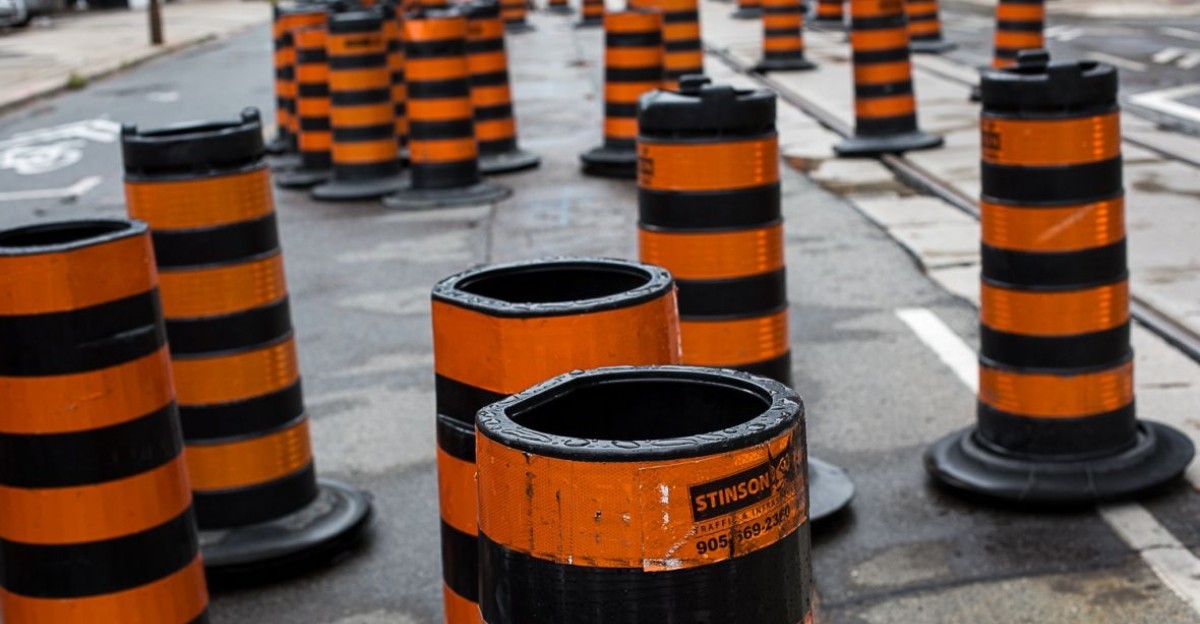
Summer 2025 brings more lane closures and ramp closures as UDOT extends striping into Davis County and along I-215.
The work continues at night, which honestly creates its own irony for nighttime drivers navigating construction zones. The search for better reflectivity continues. But the physics haven’t changed. Water still defeats paint. And the next rainstorm on I-15 will prove it all over again.