Bill Gates Paid $28 Every Day For 13 Years To Retrieve A Car He Already Owned—Then Rewrote Federal Law
A Porsche 959 arrived at the Port of Seattle in 1988 and never left the dock. U.S. Customs agents seized it on sight. The car violated EPA emissions standards and NHTSA safety regulations, which meant it could not legally touch an American road. The owner had already wired $225,000 for it. He could see it sitting in the customs yard. He could not drive it home. The daily fine started immediately: $28, every single day, with no end date in sight.
The Fastest Car No One Could Drive
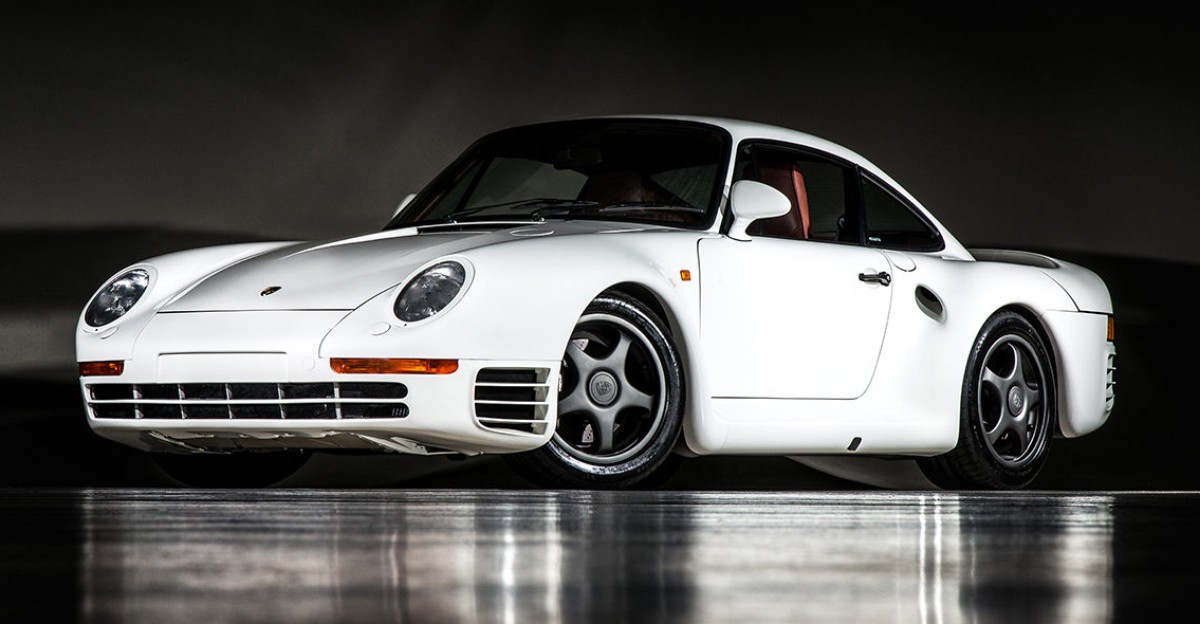
The 959 was the fastest production car on Earth when Porsche unveiled it. A 2.85-liter twin-turbocharged flat-six producing 450 horsepower. Only 337 were ever built. The owner who bought one and shipped it stateside was Bill Gates, already among the wealthiest people alive. He posted a $500 annual bond just to keep his legal claim on a car gathering dust behind a chain-link fence. That bond was a receipt for stubbornness, renewed year after year while the fines quietly compounded.
When Billions Couldn’t Buy a Way Out
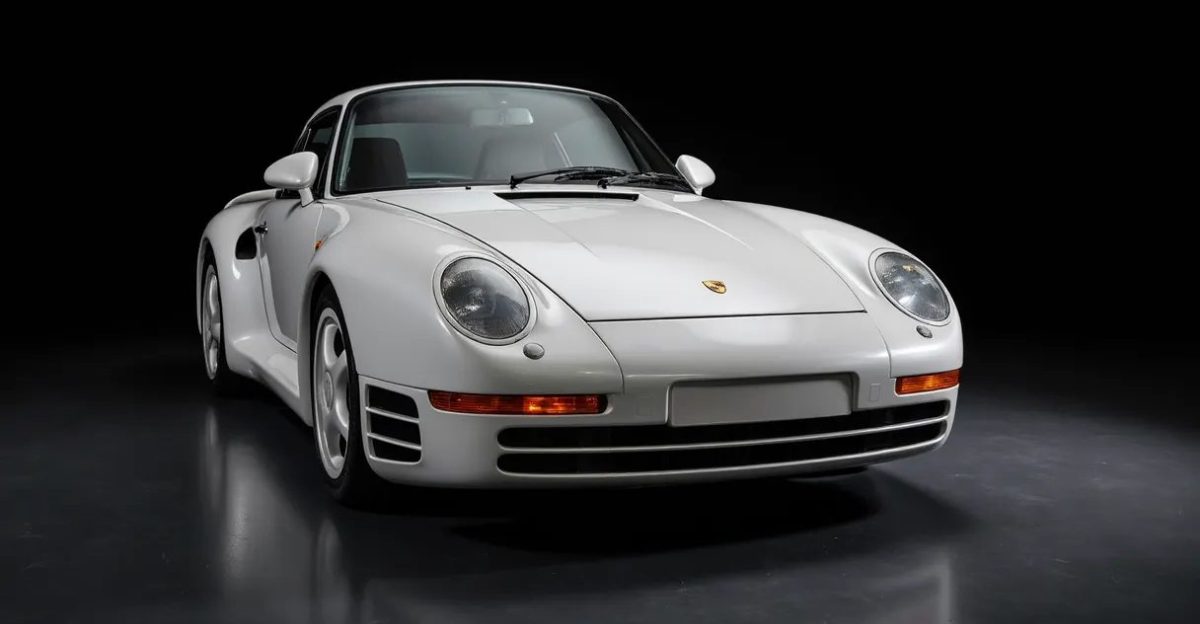
Common sense says a man worth billions walks into a government office and walks out with whatever he wants. Gates couldn’t. No expedited appeal process existed. No amount of money could override NHTSA’s position that the 959 failed U.S. crash and emissions standards. Customs held the car indefinitely, extracting $28 every morning like clockwork. The assumption that wealth solves everything crashed headfirst into a federal bureaucracy designed without an off-ramp. Gates paid. And paid. And the car sat.
Turning a Parking Ticket Into Policy
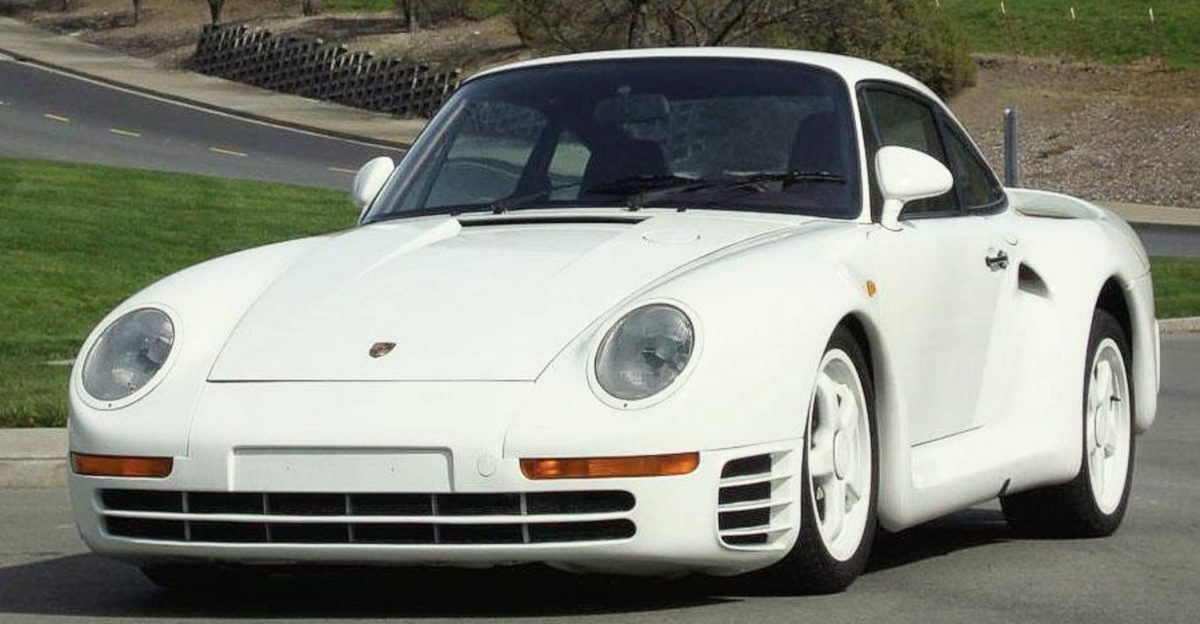
Gates didn’t just pay fines. His legal team applied sustained pressure on Congress and NHTSA for over a decade, arguing that historically significant vehicles deserved a legal pathway into the country. In August 1999, federal regulators introduced the Show or Display rule. Non-compliant cars could enter the U.S. if deemed technologically significant, capped at 2,500 road miles per year. A rule that did not exist before Gates’ case. Created in direct response to it. One billionaire’s parking ticket became federal policy.
How the Rule Actually Worked
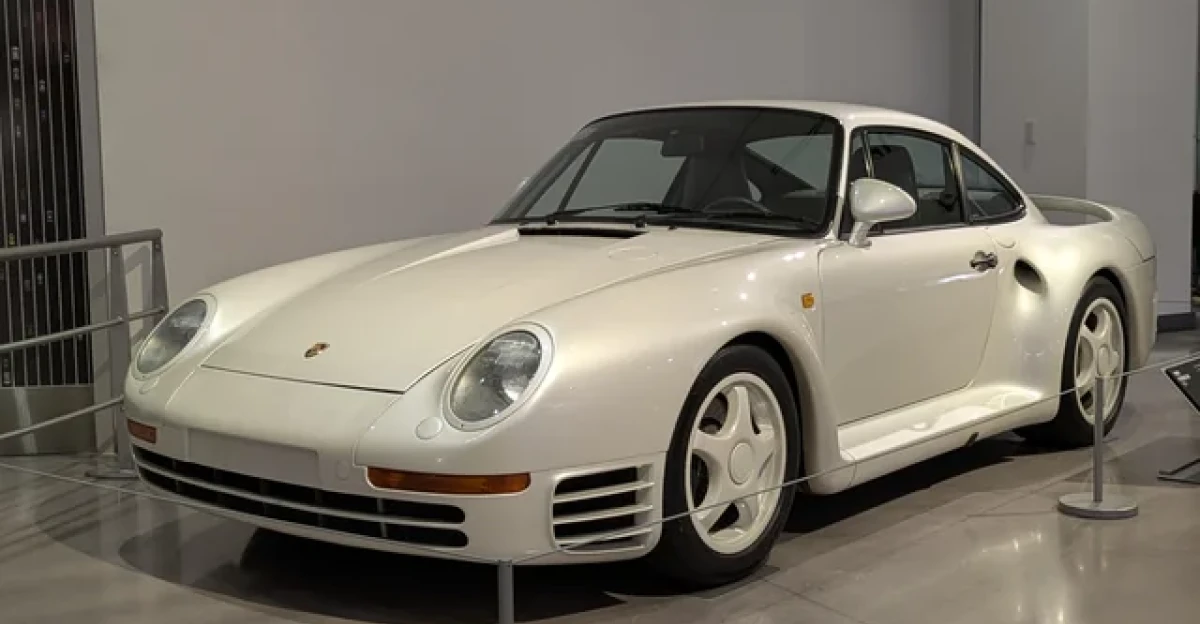
The Show or Display rule’s language was broad by design. “Historically and technologically significant” covered the 959 perfectly, but it also covered every rare European supercar that collectors had been unable to legally import. Gates’ legal team is believed to have directly influenced the rule’s wording. That detail matters. The regulation wasn’t a favor granted to one rich man. It was a permanent doorway built into federal code, wide enough for hundreds of collectors to walk through after him.
What It All Cost

By 2001, Gates finally took possession of his Porsche. Total fines over roughly 4,745 days: approximately $133,580. Add the $225,000 purchase price, $500 annual bonds over 13 years, and estimated legal costs, and the lifetime tab reached roughly $365,000. For context, that car now sells at auction for $1.5 million to $2.5 million for a standard model. The rare Sport variant, limited to 29 units, commands an estimated $4.25 million to $5 million. Patience paid compound interest.
An Entire Market Unlocked

The Show or Display rule didn’t just free one Porsche. It unlocked an entire collector economy. Rare European supercars that had been legally untouchable in the U.S. suddenly had a pathway. Auction houses built specialties around exotic imports. The 959 market surged as buyers realized they could legally own one. Prices for non-compliant classics stabilized, then climbed. Gates’ personal problem generated billions in collector wealth transfers and auction revenue across the decades that followed.
One Man’s Fix Became Everyone’s Loophole

This wasn’t an exception. It became a template. When a wealthy individual with legal resources cannot win through normal channels, sustained pressure plus time plus lobbying equals policy change. Gates’ case is now cited in collector circles as the precedent for challenging import restrictions. The rule persists unchanged into 2026, 27 years after its creation. Once you see the pattern, you see it everywhere: a billionaire’s personal fix becomes the systemic loophole everyone else uses.
The Door That Won’t Close

Federal agencies have noticed. The 2,500-mile-per-year restriction is difficult to enforce, and collectors have tested its limits. EPA and NHTSA face renewed debate about tightening the “historically significant” standard, which some argue has been stretched beyond recognition. The very regulation Gates helped create now weakens the enforcement authority it was carved from. Regulators who once held a Porsche hostage for 13 years now watch non-compliant vehicles roll through the door they were forced to open.
The Man Who Outlasted the Machine
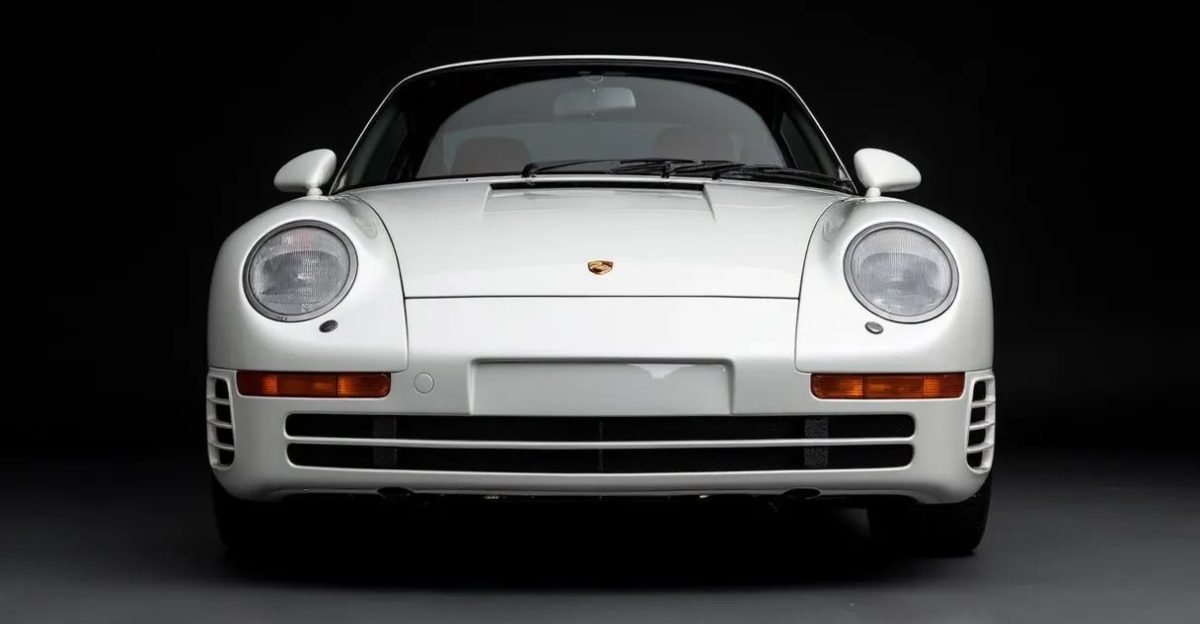
The car remains in Gates’ collection today. He called it a symbol of passion, not status. Most people still have no idea the Show or Display rule exists, let alone that one man’s 13-year standoff with customs agents created it. That’s the real story: federal regulations look permanent until someone with enough resources and enough stubbornness proves they aren’t. Gates didn’t outbid bureaucracy. He outlasted it, then built the exit door. Every collector who uses that door owes him $28.
Sources:
“Bill Gates paid a daily $28 fine for 13 years for Porsche 959 Komfort and no one noticed.” The Economic Times, 21 Jul 2025.
“Bill Gates wanted Porsche 959 so much he paid $28 fine every day for 13 years.” Supercar Blondie, 17 Dec 2025.
“Why US Customs Seized Bill Gates’ Dream Porsche For 13 Years.” Forbes, 2 Mar 2026.
“Show or Display Exemption Rule.” National Highway Traffic Safety Administration (NHTSA), 1999.