Hyundai Faces Class Action After ‘Safety’ System Creates Crashes It Was Built To Prevent
Picture a wide-open highway. No cars ahead. No debris. No reason to stop. Then your 2025 Hyundai Tucson slams its own brakes. No warning you can act on, just a sudden, violent deceleration while the driver behind you closes the gap at 60 mph. Hundreds of owners have filed complaints with NHTSA describing exactly this scenario, dating back to May 2025. The system responsible is called Forward Collision-Avoidance Assist. It detects obstacles that do not exist, and four separate recalls already haunt this model year.
Sold on Safety
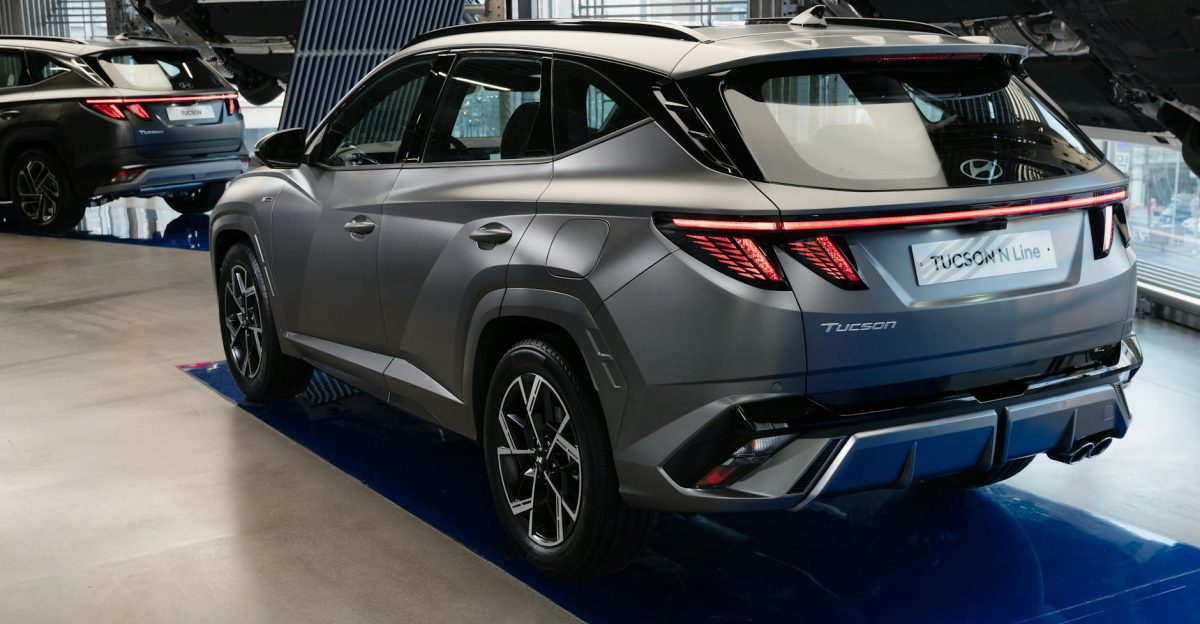
Hyundai marketed the 2025 Tucson under its SmartSense safety suite, a package built around the promise that technology would protect you. Buyers paid for collision prevention. What they got, according to a class-action lawsuit filed in California federal court, was a system that “intervenes even when the road is completely clear.” Plaintiff Dennis Sperling seeks to represent a nationwide class of 2025 Tucson owners. The complaint landed months after NHTSA’s database started filling with phantom braking reports. Hyundai’s own owner’s manual lists the conditions where the system fails, and the list is long.
Limits in the Fine Print
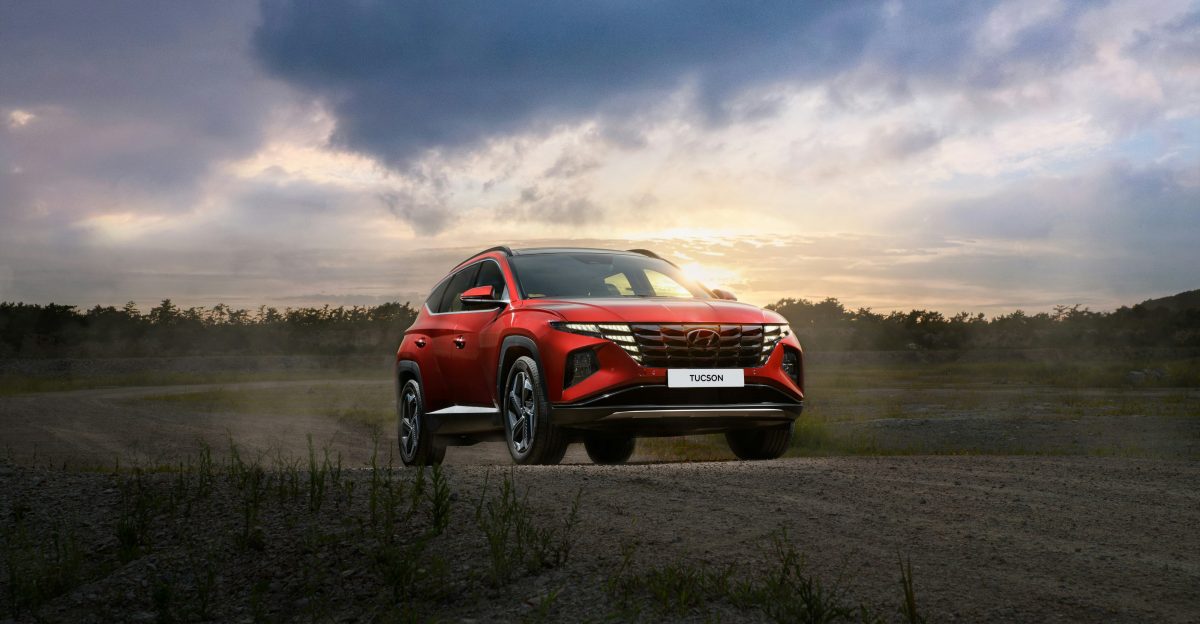
Glare on wet pavement. Tunnels. Extreme temperatures. Construction zones. Hyundai printed every one of those failure conditions in the owner’s manual before a single Tucson left the lot. The lawsuit alleges the company rushed the FCA technology to market using insufficiently accurate sensors. That is not a fringe accusation from one angry driver. Multiple class-action lawsuits hit California federal court within a two-month window in early 2026. Owners who thought they bought cutting-edge protection were discovering that Hyundai had documented the system’s weaknesses and shipped it anyway.
The Feature Became the Hazard
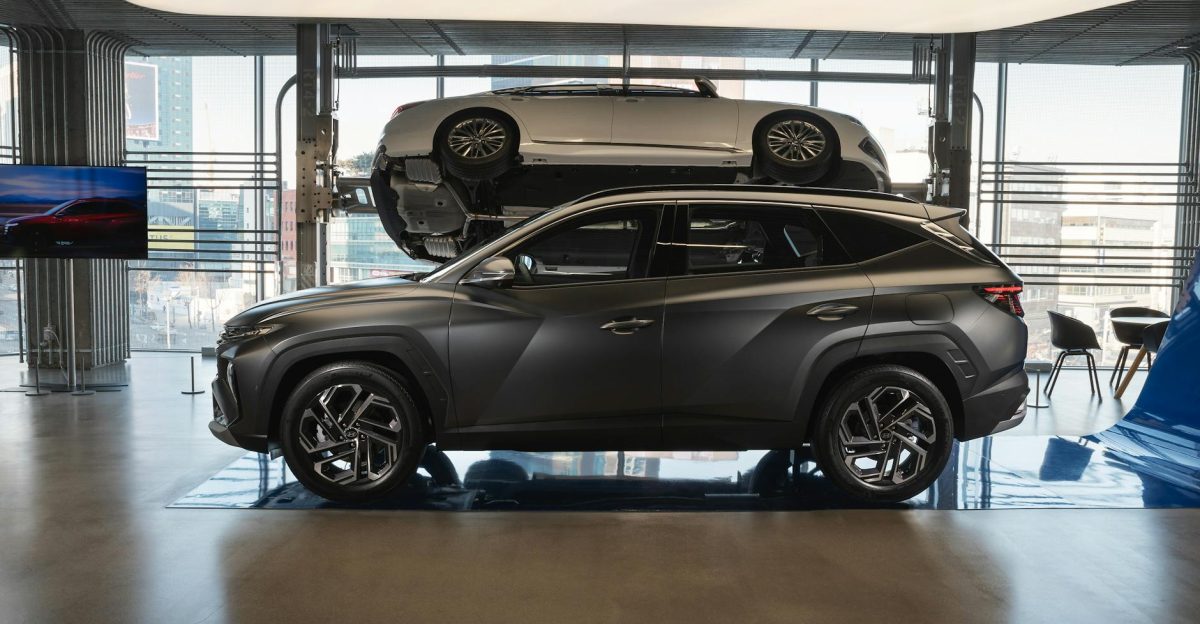
The FCA system exists for one reason: prevent collisions by automatically applying brakes when an accident seems imminent. Instead, it brakes on empty roads and puts every car behind the Tucson in danger. Lawsuit filings describe the system detecting obstacles that are not present, triggering audible alarms and full brake engagement with no threat ahead. A bodyguard that randomly tackles you in a crowd. That is what Hyundai sold as advanced safety. Hundreds of complaints. Zero recall for the FCA defect. The feature designed to save lives became the hazard.
Cutting Costs Where It Counts
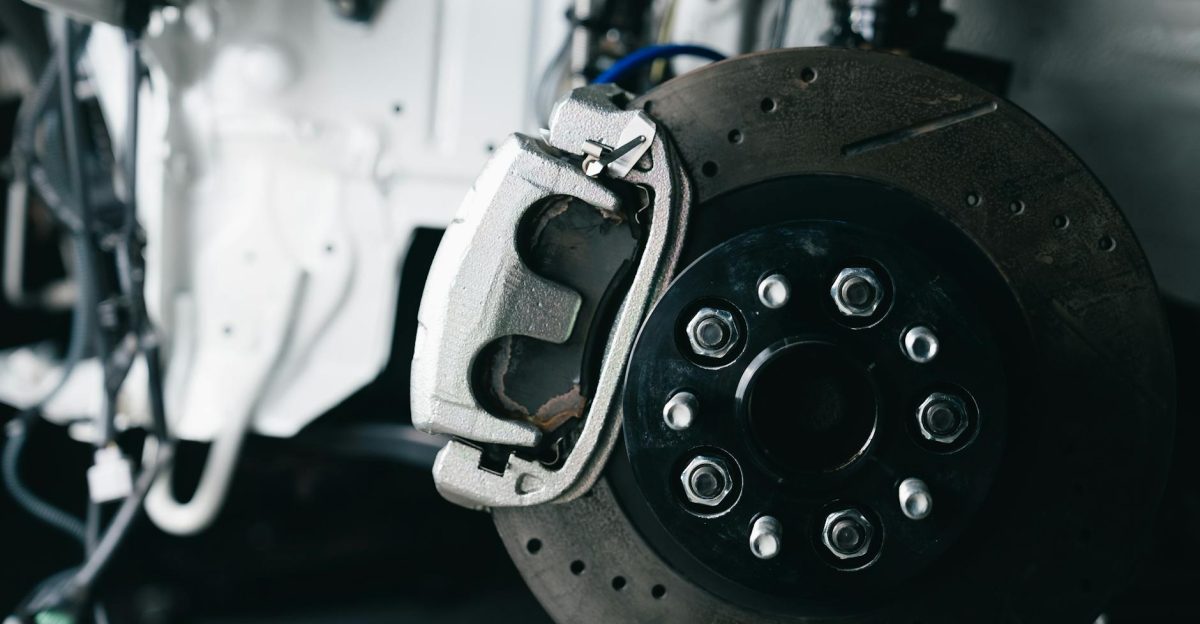
According to Law360’s analysis of the Sperling complaint, Hyundai used “cheap components” in its automatic emergency braking system, “causing its vehicles to erroneously detect objects that aren’t there and suddenly brake in traffic.” That framing matters. This is not a software glitch or a calibration hiccup. The allegation is that Hyundai chose lower-cost sensors that lack the accuracy to distinguish a clear highway from an imminent collision. Cost-cutting in a system where a false positive can cause a multi-vehicle pileup on an interstate.
Four Recalls in One Year

The phantom braking is not an isolated defect. The 2025 Tucson carries four official NHTSA recalls in a single model year: airbag installation problems, engine connecting rod bolt failures, a wiring defect that allowed vehicles to shift out of park without a foot on the brake, and a missing glove box airbag warning label. That wiring recall alone covered over 42,000 Tucson and Santa Cruz vehicles. Four recalls in one model year does not suggest a bad part. It suggests a broken process.
A Problem Across the Lineup
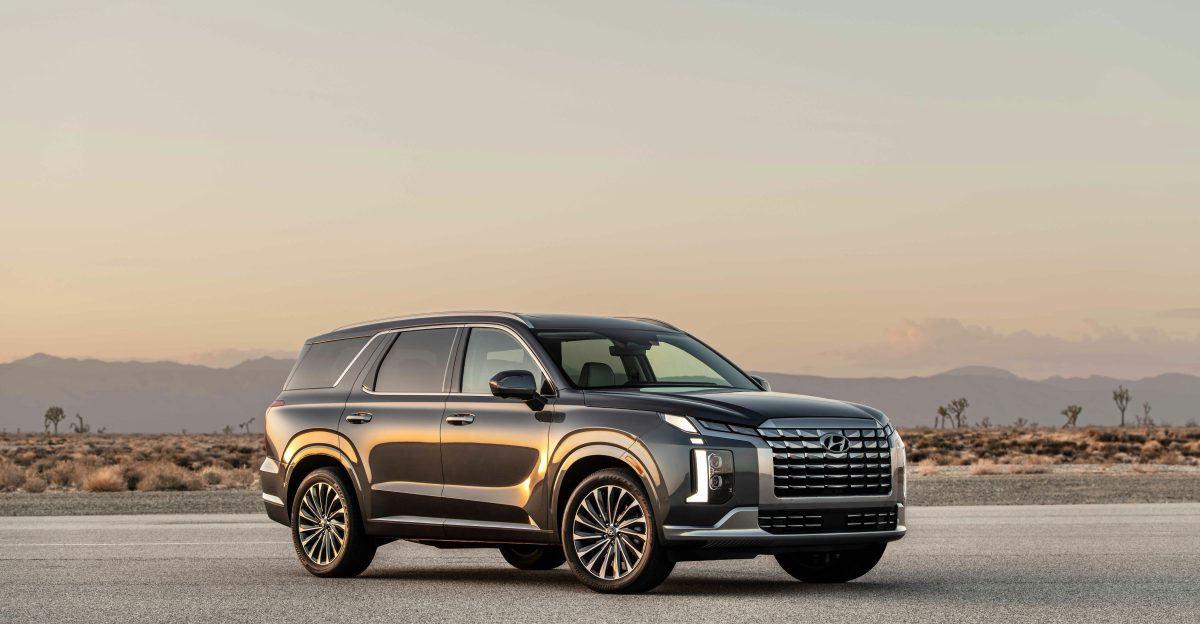
A separate class-action lawsuit targets Hyundai Palisade vehicles for defective Anti-lock Braking and Traction Control systems. A 2024 Elantra owner reported the Lane Keeping Assist system pulled her vehicle into a concrete barrier at 80 mph while she tried to avoid debris. “I hit the concrete wall,” Kristyn House said, describing the damage. Across multiple models, Hyundai’s advanced driver-assistance systems are generating the exact emergencies they advertise against. Resale values face pressure. Insurance underwriters are watching. Litigation attorneys are surveying owners of other Hyundai models for similar complaints.
A Familiar Playbook
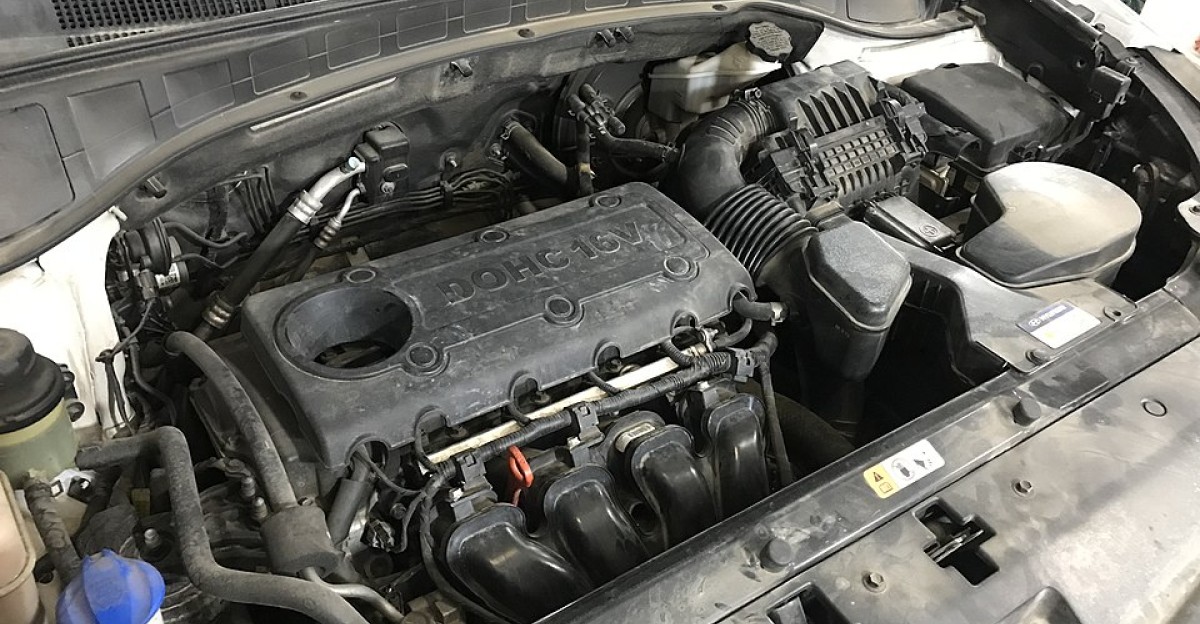
This pattern has a predecessor. Hyundai faced class-action litigation over Theta II engine defects in 2011-2016 vehicles. Court documents from that case alleged the company concealed known failures and managed them through Technical Service Bulletins sent to dealers rather than issuing recalls. One plaintiff stated Hyundai “failed to disclose” that the defect “can result in restricted engine lubrication” despite “longstanding knowledge.” TSBs instead of transparency. Warranty denials instead of fixes. The FCA phantom braking follows the same arc: documented limitations, no recall, litigation-driven accountability.
The Legal Question Ahead

Courts are now confronting a question the auto industry hoped to delay: can a manufacturer hide ADAS defects behind owner’s manual disclaimers? The 2025 Tucson case could establish that printing known sensor limitations in fine print does not shield a company from liability when those limitations create highway hazards. NHTSA may open a formal investigation. If class certification proceeds nationwide, Hyundai faces exposure across potentially tens of thousands of vehicles. The company’s likely defense: the system operates within design specifications, and owners were warned.
More Technology, Less Safety
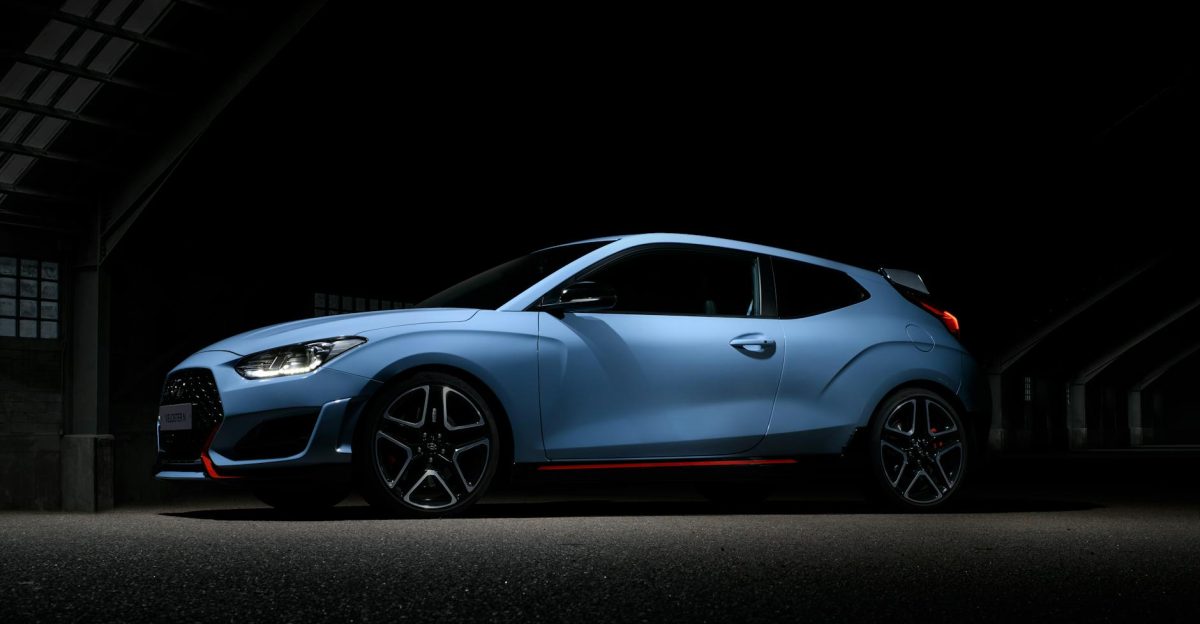
Hyundai’s 2017 Veloster shipped without any automatic emergency braking technology. Nobody got phantom-braked into a pileup. The 2025 Tucson ships with the most advanced safety suite Hyundai has ever offered, and owners are disabling it to feel safe. That inversion is the entire story. More technology did not produce more safety. It produced more lawsuits, more recalls, and more risk for every driver sharing the road with a Tucson. The owners who paid extra for SmartSense protection are now the plaintiffs proving it failed.
Sources:
“Hyundai class action alleges Tucson SUVs have defective braking systems.” Top Class Actions, 3 Mar 2026.
“2025 Hyundai Tucson – Vehicle Safety Check.” Center for Auto Safety, 2025.
“Hyundai Braking System A ‘Safety Hazard,’ Class Action Says.” Law360, 24 Feb 2026.
“Hyundai Sued Over Alleged ‘Phantom Braking’ That Owners Say Happens Without Warning.” Autoblog, Feb 2026.