Pennsylvania’s $50M Speed Camera Network Caught 1.7M Drivers—State’s Own Review Warns It Could Become A “Revenue Trap”
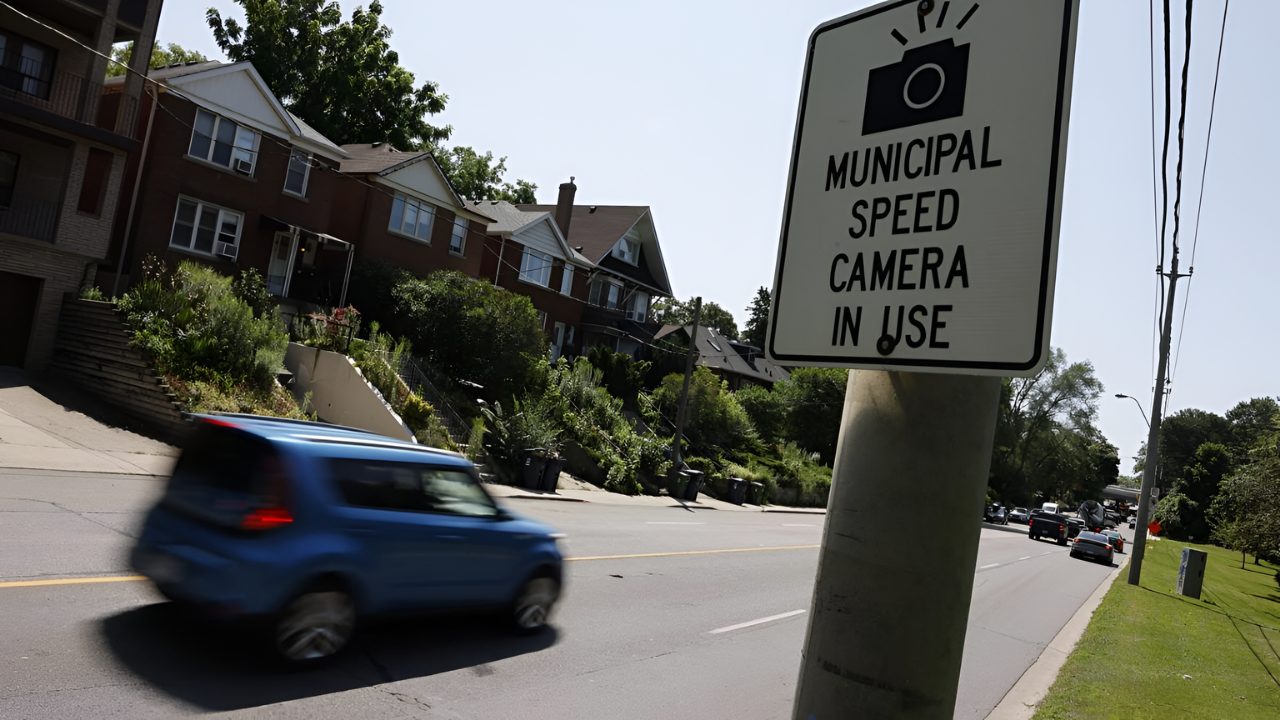
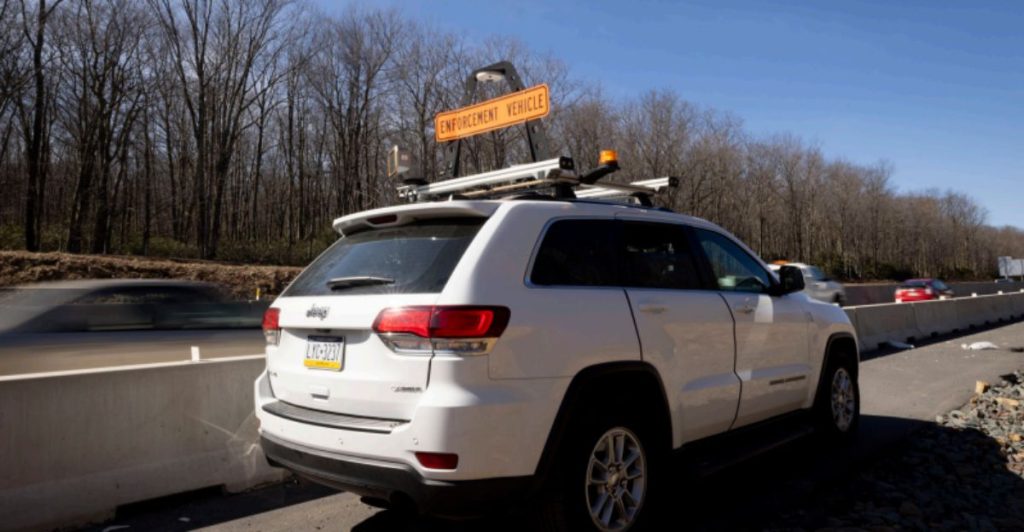
Somewhere on a Pennsylvania highway, a camera mounted to a trailer clocks a sedan doing 12 over the limit in a construction zone. No lights flash. No officer steps out. The driver never knows it happened. Weeks later, an envelope arrives with a photo of their license plate, a fine, and a 30-day deadline. Since March 2020, that scene has played out 1.7 million times across the state. Most of those drivers paid without a fight.
How It Got This Big
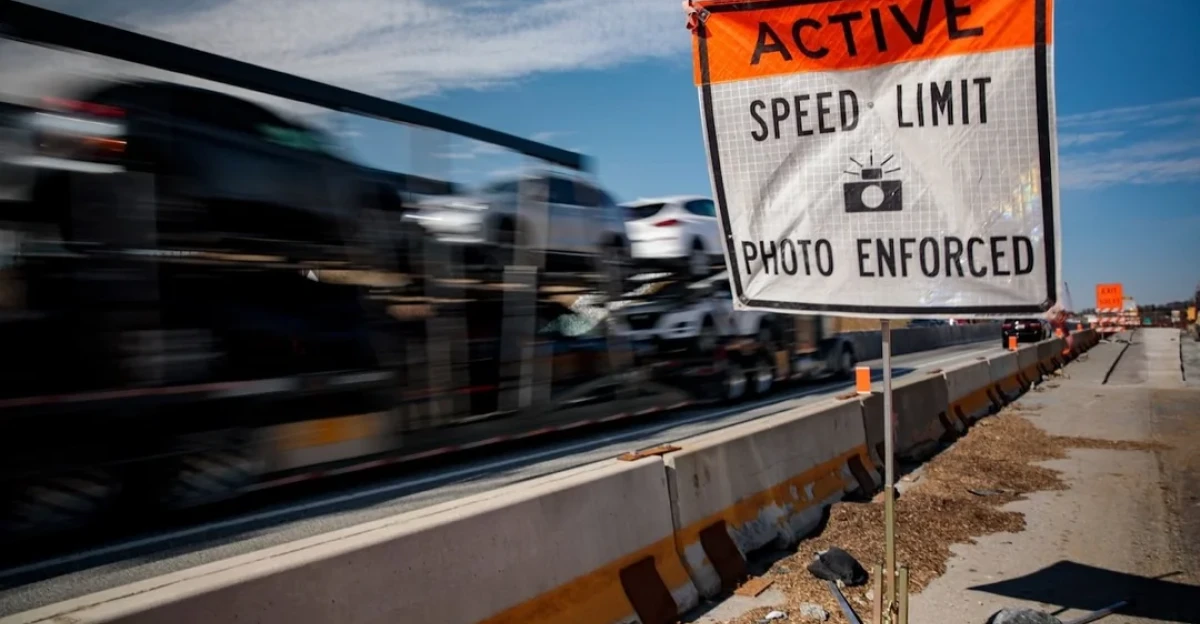
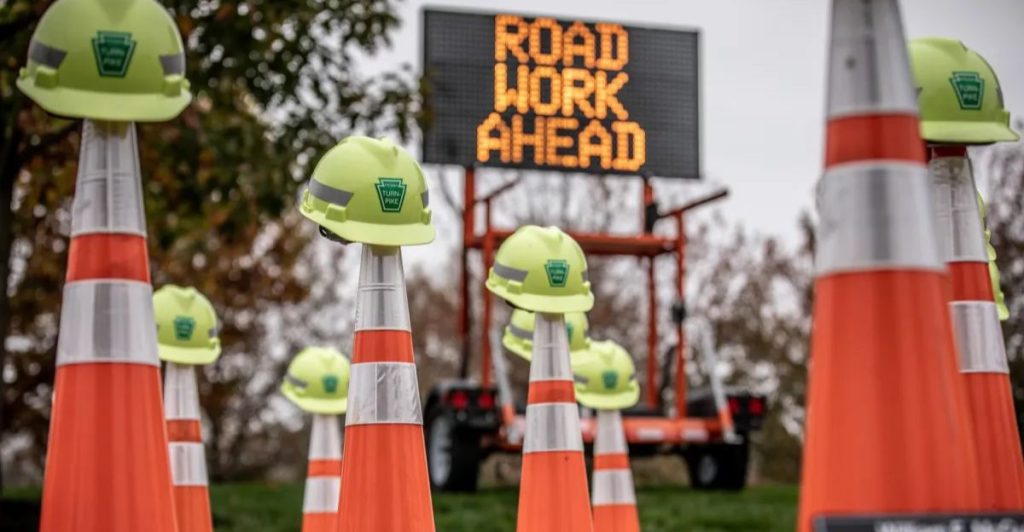
That 1.7 million figure didn’t land overnight. Pennsylvania launched its Work Zone Speed Safety Camera program in 2020 and made it permanent through Act 38 in 2023, converting a pilot automated work zone program into permanent statewide law. By the end of 2024, PennDOT had completed 14,526 camera deployments. In 2024 alone, the system issued 212,108 violations. That’s roughly 581 per day. One citation every two and a half minutes, around the clock, across every active work zone in the state.
The Numbers That Sell It
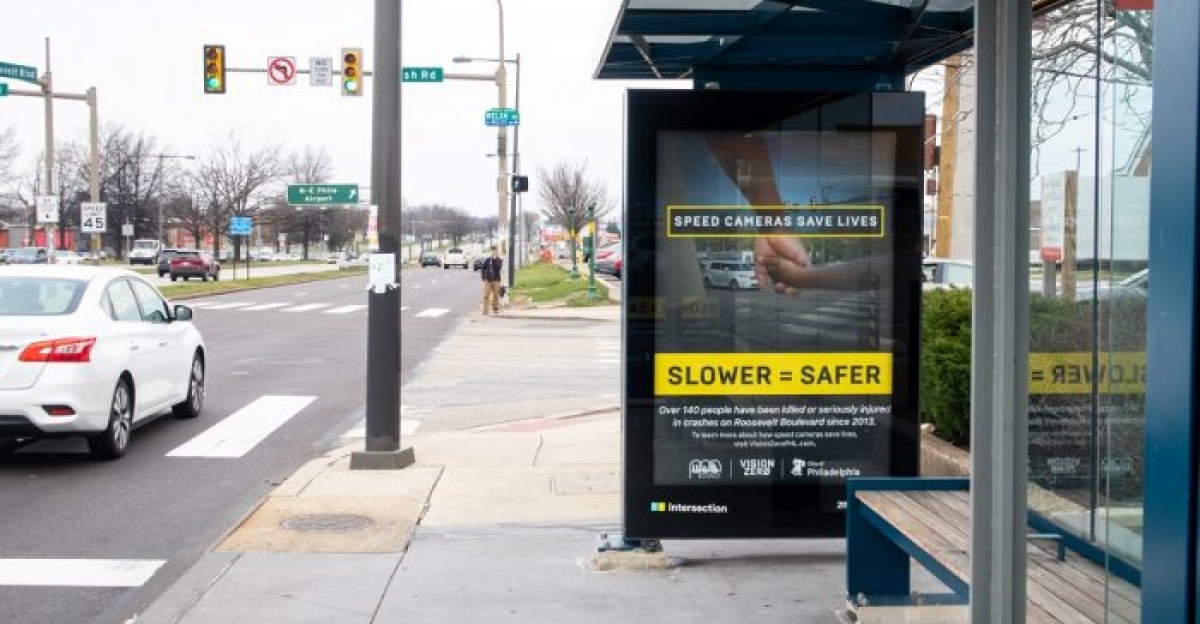
The official story sounds bulletproof. On Roosevelt Boulevard, Philadelphia’s most dangerous road before 2020, speed cameras slashed violations by 95 percent and cut pedestrian crashes in half. Mayor Cherelle Parker declared in September 2025: “Speed cameras save lives.” PennDOT reported that work zone speeding dropped to 24.9 percent of traffic in enforced zones, with excessive speeding falling to 5.1 percent. Those numbers are real. Nobody disputes them. The assumption most drivers carry is simple: these cameras exist purely to protect people.
Then the State Warned Itself
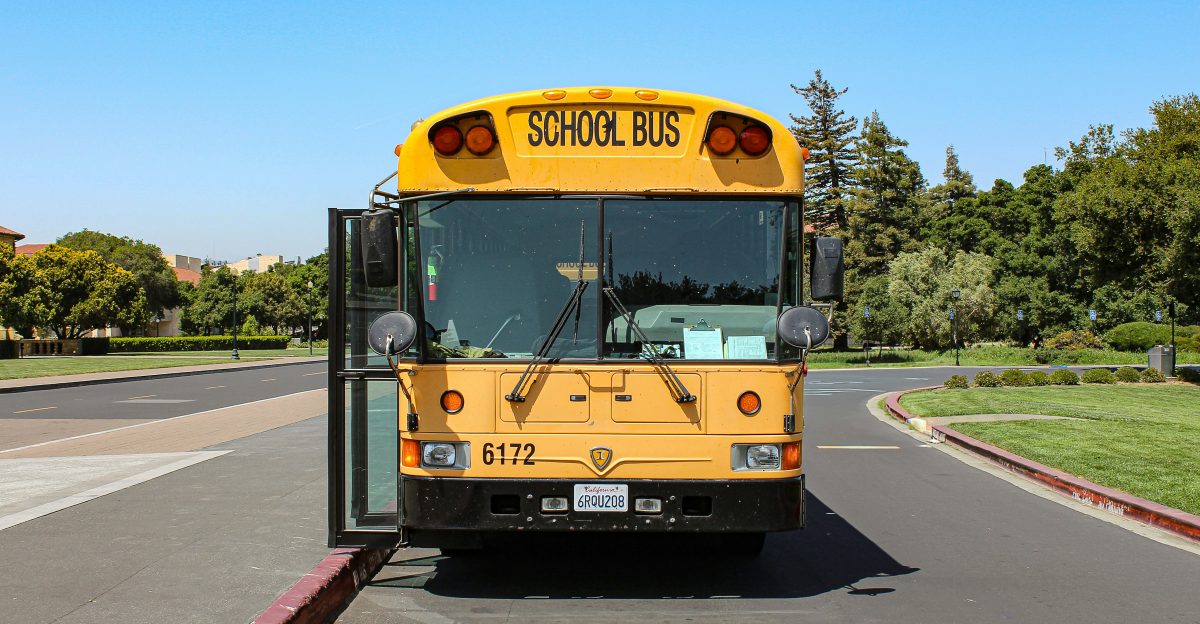
Then Pennsylvania’s own bipartisan Local Government Commission published a 2025 review examining the financial structure, enforcement patterns, and outcomes of the state’s automated camera programs—work zone cameras, Philadelphia speed cameras, and school bus cameras combined. PennDOT itself has said that total automated speed enforcement investment has reached nearly $50 million under the Shapiro Administration. The commission cautioned that without proper limits, the system risks functioning as a revenue trap rather than a safety tool. A tool can reduce speeding and extract wealth simultaneously. The commission flagged the potential for both. Escalating fines climb from $75 to $150 for repeat offenders, rewarding the system for catching the same drivers again.
Where the Money Goes
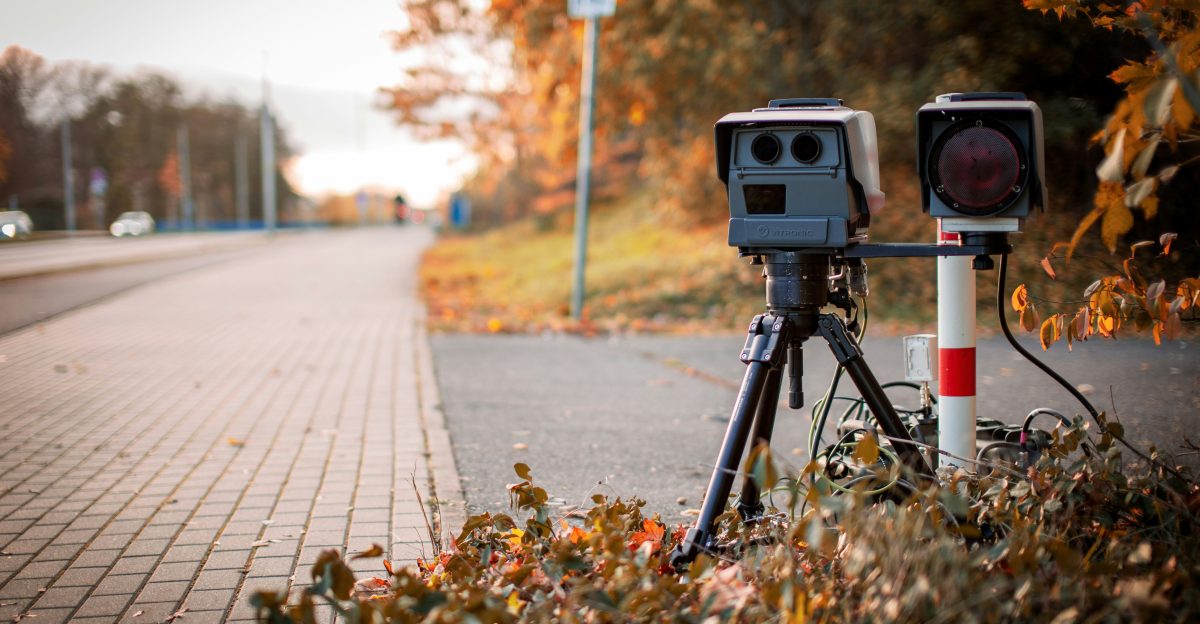
Follow the money and the design becomes visible. Fines flow into automated speed enforcement reinvestment grants that fund speed humps, bus bump-outs, and corridor redesigns. In 2024, $19.3 million went to seven Philadelphia safety projects. Communities that generate fines receive infrastructure. Infrastructure creates political support for more cameras. More cameras generate more fines. That’s not a conspiracy theory. That’s the Shapiro Administration’s published reinvestment model, running exactly as designed.
What Most Drivers Never Learn
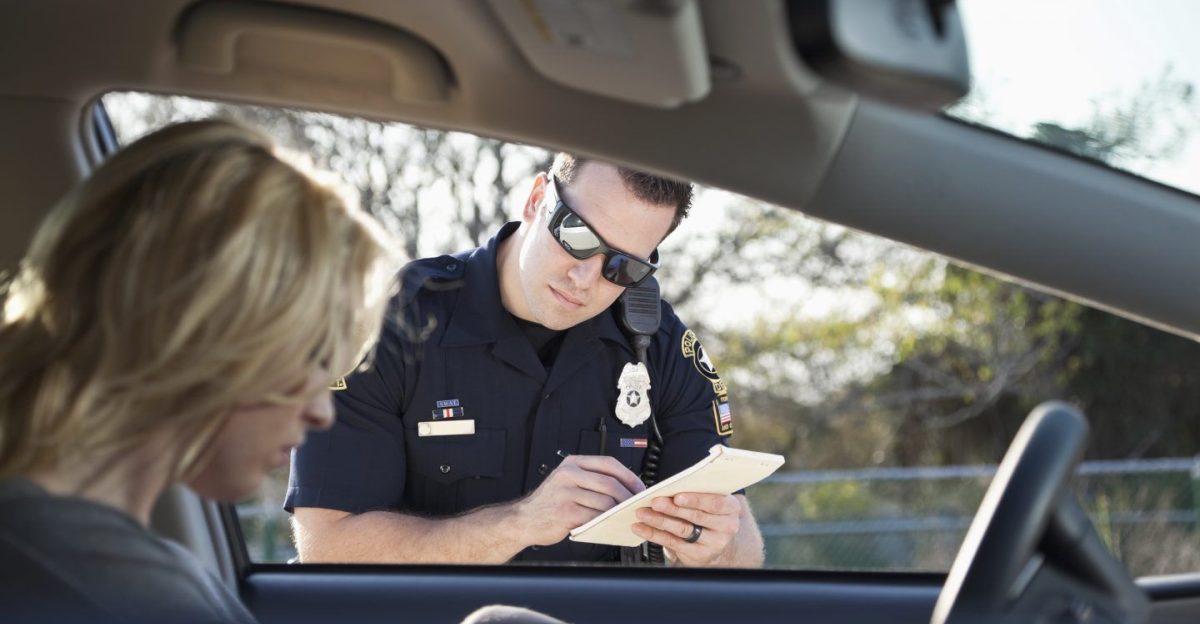
The fine structure is only half the trap. Vehicle owners, not drivers, receive citations. Most don’t know they can file a declaration naming the actual driver and escape liability entirely. The 30-day appeal window starts ticking from the mail date, meaning a notice that sits unread for two weeks leaves roughly 16 days to navigate a bureaucratic appeals process. Pennsylvania’s parallel school bus camera program reveals what happens when people do fight back: more than 42 percent of challenged violations get overturned.
The Gap Between Who Knows and Who Pays
Nearly half of contested tickets thrown out, yet most drivers never contest. That information gap hits hardest where it always does. Lower-income drivers are statistically more likely to speed and less likely to afford legal help or navigate bureaucratic appeals within 30 days. Meanwhile, municipal police departments outside Philadelphia have historically been barred from using radar to enforce speed limits, relying on outdated pacing methods, though the legislature has moved to change that. Bethlehem Police Captain William Audelo put it bluntly in 2025: “When residents are complaining about someone going fast on their 25 mph roadway, we have almost no recourse.”
A Blueprint for the Rest of the Country
This story is bigger than Pennsylvania. The Federal Highway Administration published a detailed case study of Pennsylvania’s model to inform other states exploring automated work zone enforcement. The playbook is now a template: pilot cameras in a high-risk corridor, demonstrate dramatic safety results, make the program permanent, expand to new roads, recycle revenue into infrastructure. Neighboring West Virginia already responded with HB 4538, hiking work zone fines to between $500 and $1,000. Pennsylvania didn’t just build a camera network. It built the national blueprint for automated speed enforcement.
Broad Street Is Next
Philadelphia’s Broad Street expansion launched 15 new cameras in September 2025, with ticketing beginning in November, and fines up to $150 for going 30-plus over the 25 mph limit. Broad Street recorded at least 64 traffic deaths between 2020 and 2024, making it the city’s most dangerous corridor now that Roosevelt Boulevard has calmed. Multiple municipalities are already lobbying the state legislature for their own camera authorization. The commission recommended capped fines, mandatory warning periods, and strict location limits. The state has not adopted those safeguards.
Thirty Days to Decide

Here is what 1.7 million Pennsylvania drivers were never told. A system that issues one citation every 150 seconds, has driven nearly $50 million in reinvestment from Philadelphia’s program alone, recycles that money into projects that justify more cameras, hides a legal defense most people don’t know exists, and runs on a fine structure that profits from repeat offenders is not purely a safety program. The state’s own commission said as much. The structure hasn’t changed. The next time an envelope arrives with a photo of your plate, you have 30 days to decide whether you’re a driver or a revenue source.
Sources:
“2025 Work Zone Speed Safety Camera Program Annual Report.” Pennsylvania Department of Transportation, April 2025.
“Automated Speed Enforcement Report to the Pennsylvania General Assembly.” Local Government Commission of the Pennsylvania General Assembly, December 2025.
“Case Study of Pennsylvania’s Work Zone Speed Safety Camera Program.” Federal Highway Administration, U.S. Department of Transportation, Publication No. FHWA-HOP-24-071, January 2025.
“Shapiro Administration Invests $19.3 Million for Traffic Safety Projects in Philadelphia.” Pennsylvania Department of Transportation, February 2024.