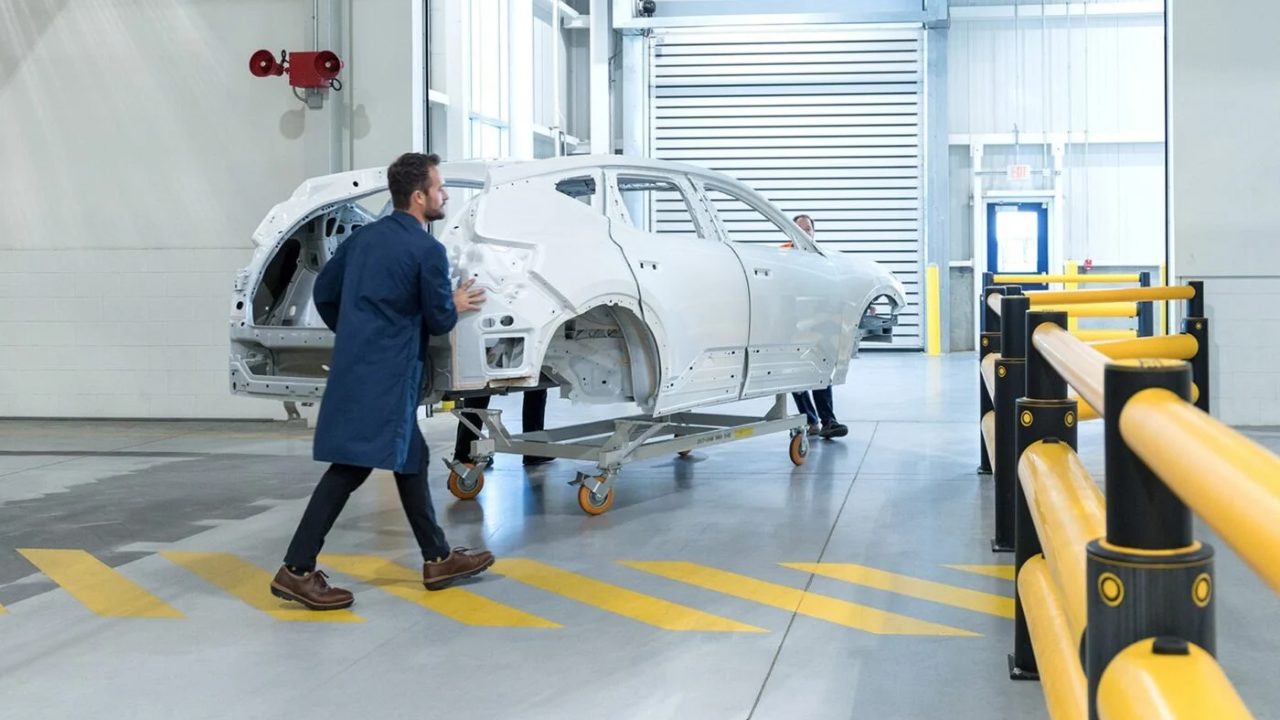
$1.19B Loss Triggers Fastest Luxury Brand Collapse Since 2008—180,000 Global Owners Now Stranded
Thirty-two dealerships. Nineteen states. That’s the entire service lifeline for Polestar 2 owners in America — a fraction of the 180,000 worldwide customer base the brand is desperate to retain. The car they bought from a brand promising Scandinavian luxury and long-term commitment now sits in driveways connected to a company bleeding out. Polestar didn’t just lose money in the first half of 2025. It lost $1.193 billion, more than double the prior year, the largest impairment in company history. The CEO saw this coming and said so publicly. No major luxury EV brand has seen its U.S. business shrink from a growing two-model lineup to a single struggling nameplate this quickly since the post-2008 collapse of Saab’s American operations.
What They Were Told

Michael Lohscheller put the number on the record himself: “The basic role of [the Polestar 2] is to keep those customers. To build up a customer base for a new brand is hard work and the worst would be if those 180,000 leave.” That was the strategy. Retention. Loyalty. A brand built on the backs of early adopters who believed in the product. Meanwhile, U.S. sales were already sliding, down 26.8% year-over-year to just 5,747 units for 2025. The math was turning hostile.
Where It Broke
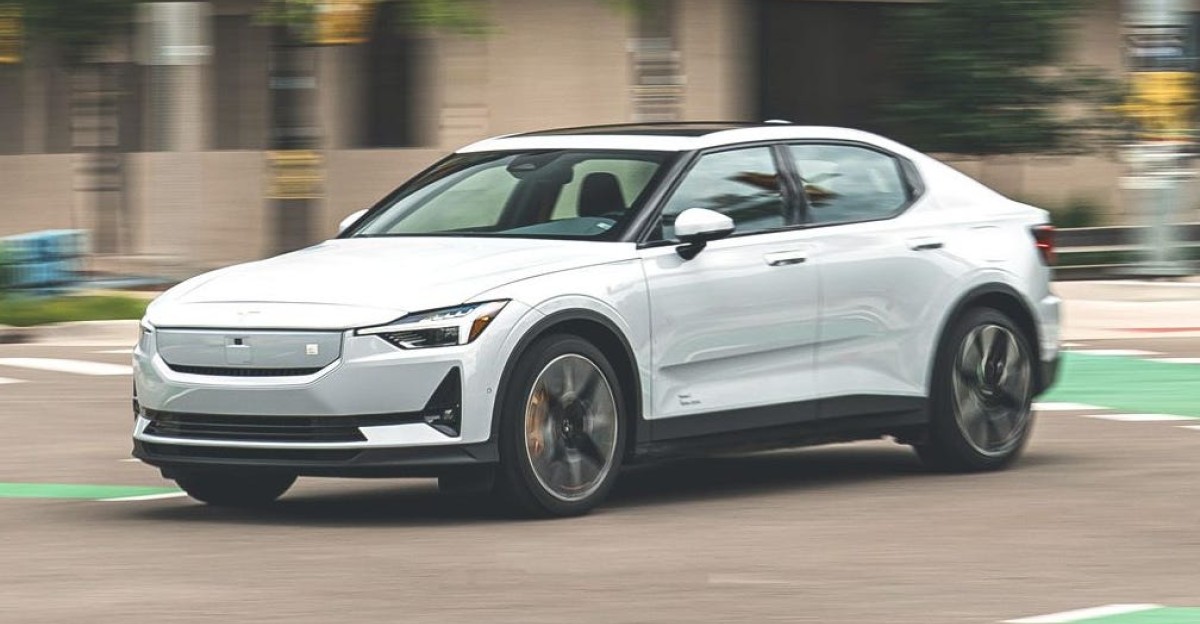
Most people assumed tariffs would protect American car buyers by keeping cheap Chinese vehicles out. Reasonable theory. Except the Polestar 2 wasn’t cheap. It was a premium EV built in China by a Geely-owned brand, and the 100% Section 301 tariff made importing it financially suicidal. So Polestar discontinued it in the U.S. market entirely. The one model the CEO called essential to keeping 180,000 owners loyal, gone. Not because demand vanished. Because policy made the product impossible to sell profitably.
Walking Away
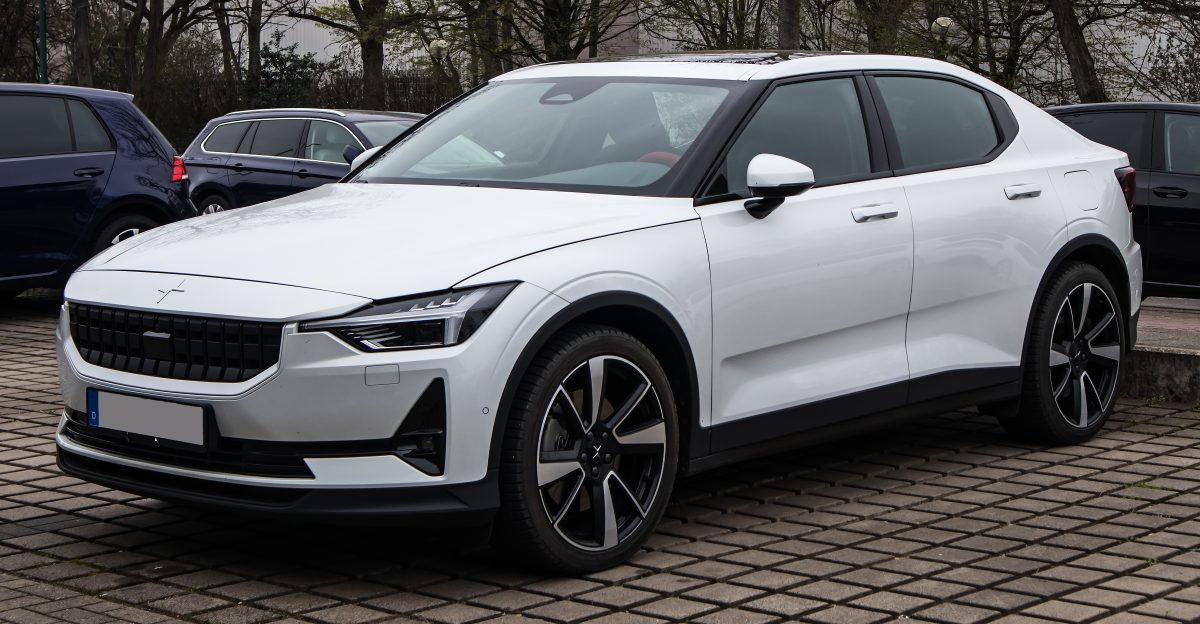
The company’s own post-earnings statement drew the line: “We will not grow in the U.S. at any cost. The financial exposure is too high.” That’s a luxury brand publicly surrendering its second-largest potential market. Q4 2025 U.S. sales hit 980 units. December collapsed 54% year-over-year. Two models remain in the U.S.: the Polestar 3, built in South Carolina and starting at $74,800, and the Polestar 4, which is expected to begin U.S. deliveries by mid-2026. The affordable entry point is dead. The entire reset from volume-focused entry model to low-volume flagships happened inside a single model year, compressing what usually takes brands many years of decline into months. The retention strategy is dead. The 180,000 customers the CEO feared losing just got abandoned.
Growing Everywhere Else
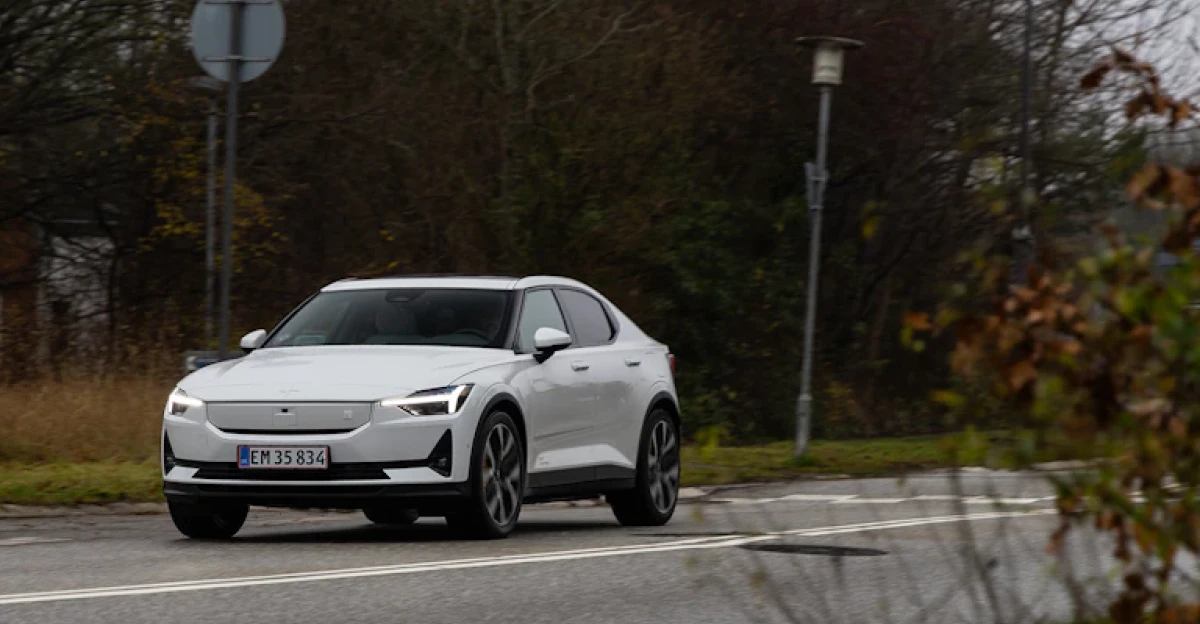
Here’s what makes the collapse bizarre: globally, Polestar sold 60,119 vehicles in 2025, up 34% year-over-year. Europe accounts for an estimated 77% of sales. The brand is growing everywhere except America. Tariffs didn’t kill a failing company. They killed a viable product in one specific market while the business thrived elsewhere. That’s not protection. That’s amputation. American consumers lost access to a car the rest of the world kept buying, and the 100% tariff ensured no pricing adjustment could bridge the gap.
What Americans Can’t Buy
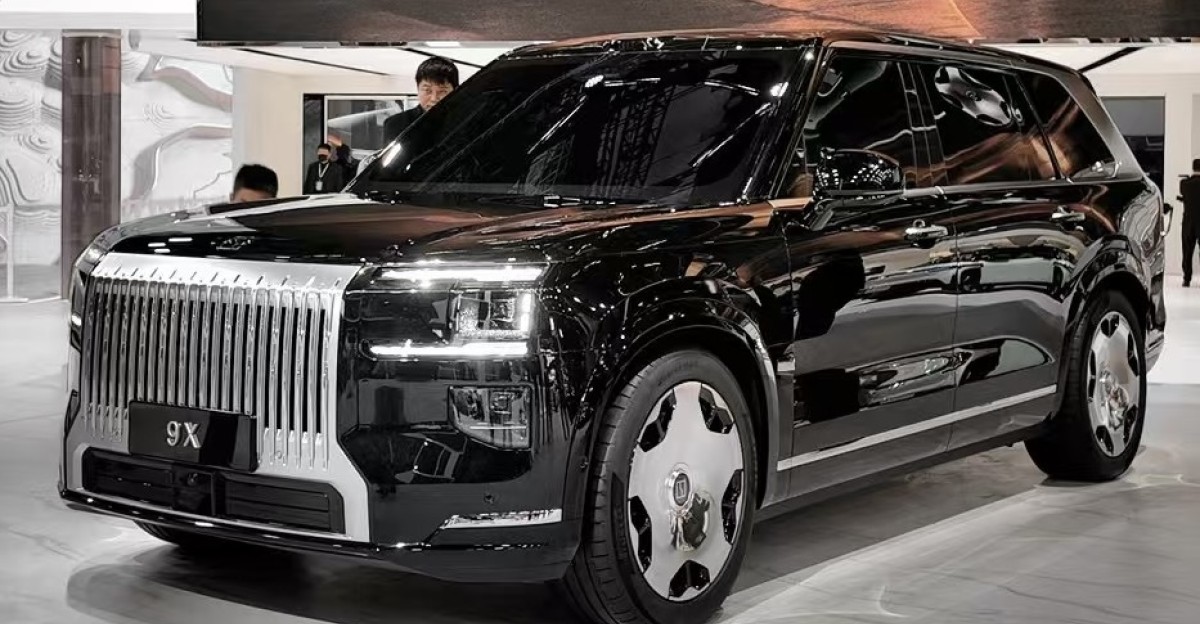
Across the border, Geely’s other brand is preparing something American buyers cannot legally purchase. The Zeekr 9X delivers over 1,300 horsepower (1,000 kW), hits 100 km/h (62 mph) in 3.1 seconds, and offers up to 775 miles of total combined range (electric plus range-extending generator) under CLTC standards on 900-volt architecture. Estimated U.S. price with tariffs: roughly $130,000, about 18% more than a Range Rover with superior specs. Zeekr has announced Canadian availability for 2026. Blocked in America by the same tariff wall that killed the Polestar 2. Canadians get the future. Americans get the bill.
A Shrinking Playing Field
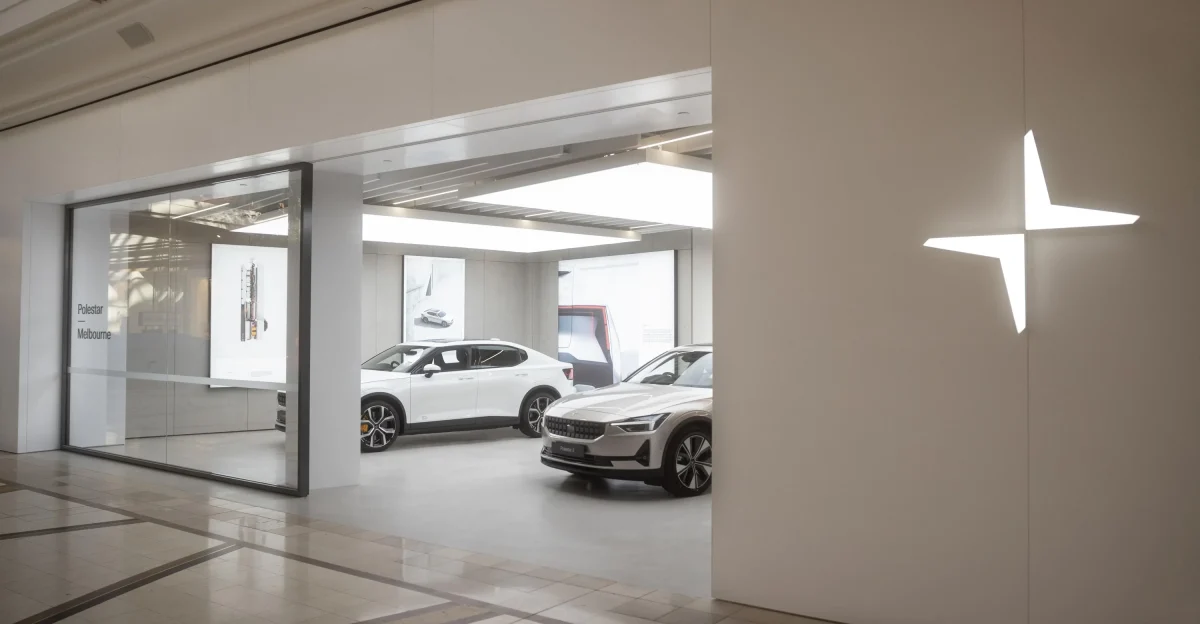
Luxury buyers now represent approximately 12.5% of new U.S. car purchasers, near historic highs and up from pre-pandemic levels. The average new car costs $48,422. Americans are spending more on cars than ever while tariff policy shrinks the competitive field. Polestar’s 32-dealership network faces obsolescence. Volvo’s U.S. reputation risks contamination from its sister brand’s collapse. Tesla faces Lucid Air outselling the Model S in the luxury sedan segment. The dominoes are falling in every direction.
Already on American Soil
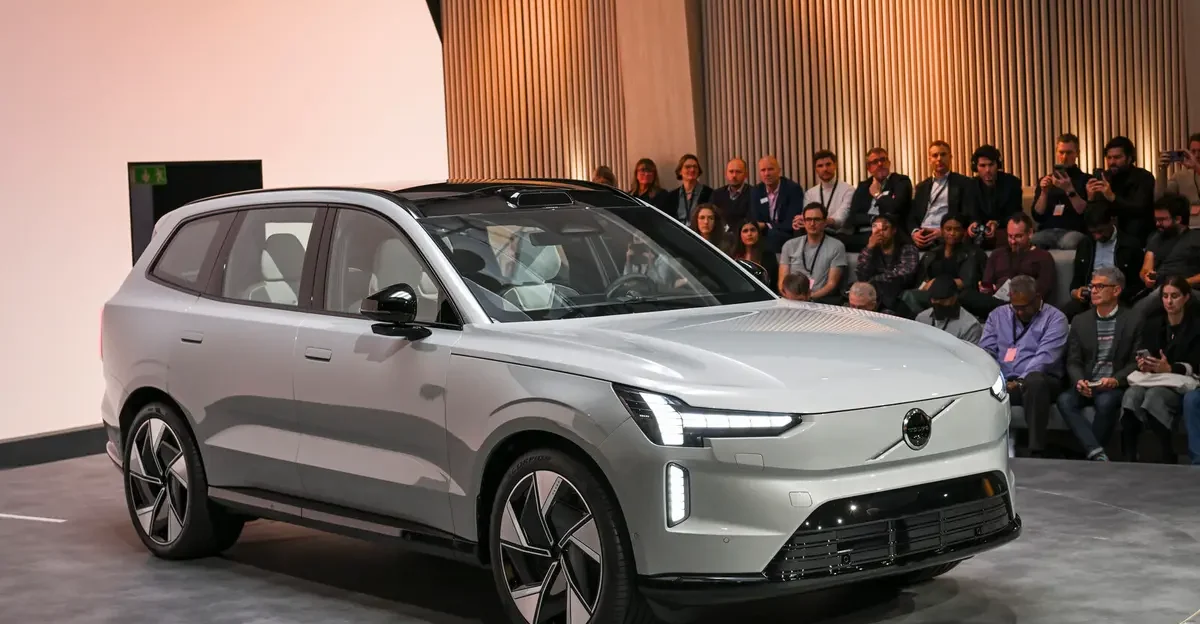
Geely, through its Volvo Cars subsidiary, already operates a manufacturing facility in South Carolina. Has since 2018. The company Americans fear most in the auto sector already builds vehicles on American soil. The 2027 connectivity ban targets Chinese vehicle software, not physical assembly. Which means Geely can manufacture tariff-free vehicles in the U.S. the moment political will shifts. Polestar’s “failure” starts looking less like incompetence and more like a patient infrastructure play: absorb losses, maintain the beachhead, wait for the policy window to open.
Running Out of Time
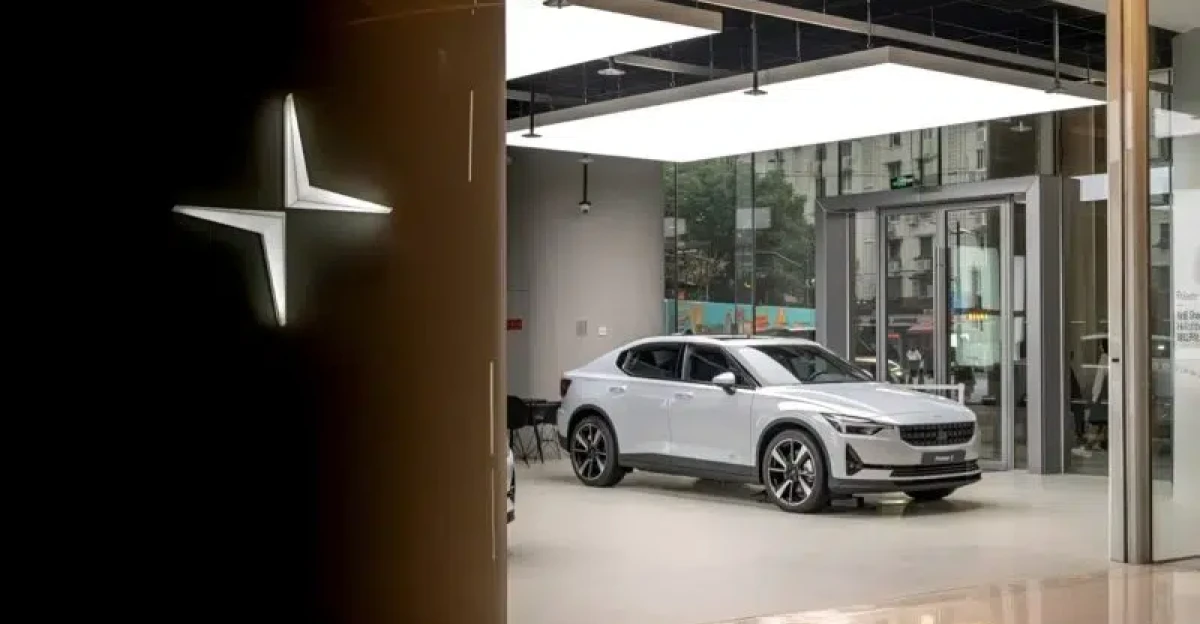
At Q4’s pace of 980 units, Polestar’s annualized U.S. volume sits around 3,920, already below the 4,000-unit viability threshold analysts use for luxury brand survival. BYD sold approximately 4.60 million vehicles globally in 2025. Geely Auto exceeded 3.02 million, climbing the global automaker rankings. U.S. BEV tax credits ended September 30, 2025. Every structural advantage American automakers relied on is evaporating while Chinese manufacturers scale at speeds Detroit cannot match.
Built to Outlast the Wall
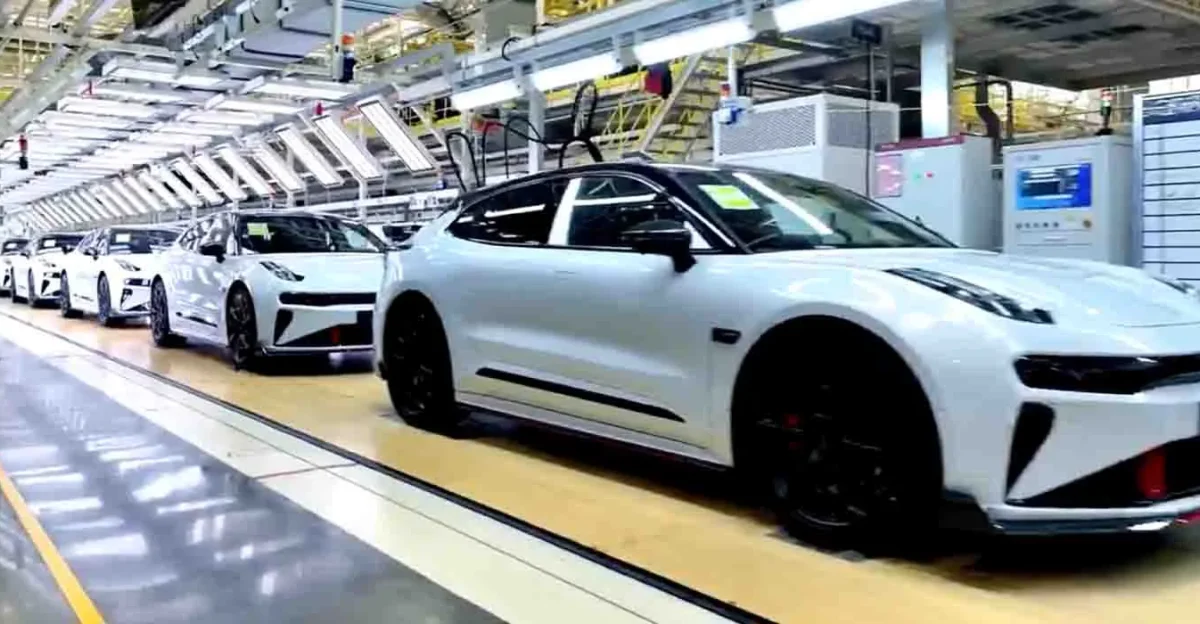
Tariff walls don’t keep competitors out. They teach competitors to build inside the walls. Geely has the South Carolina factory. Zeekr has the Canadian beachhead. The connectivity ban targets software, not steel. When tariffs eventually drop, and the economic pressure from inflated car prices guarantees they will, Chinese brands won’t need to enter the American market. They’ll already be here, with factories running, brands established, and a decade of regulatory compliance data. The 180,000 stranded Polestar customers aren’t casualties of Chinese competition. They’re the first casualties of American protection.
Sources:
“Polestar reports revenue growth of 56% in the first half of 2025.” Polestar Automotive / Automotive World, 2 Sep 2025.
“Polestar US Sales Tumble Over 60% in Q4 to Less than 1,000 Units.” Eletric-Vehicles.com, 5 Jan 2026.
“New Polestar 2 will live on as all-electric fastback.” EV Powered, 29 Sep 2025.
“Polestar reports record retail sales in 2025.” Polestar Automotive / Yahoo Finance, 9 Jan 2026.