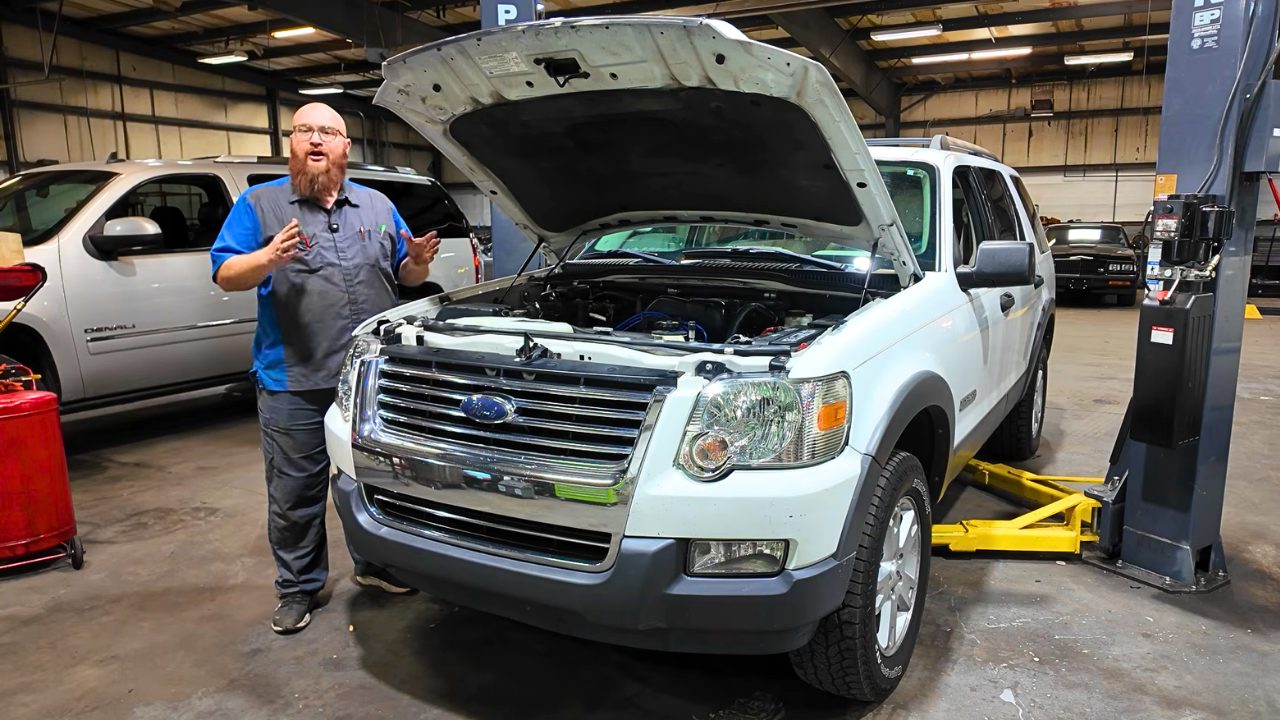
Ford’s Recall Strands 604,000 Explorer And Escape Owners For 2 Months
Picture the windshield of a 2020 Ford Explorer on a two-lane highway, wipers slapping at a downpour. Now picture them stopping. No stutter, no warning. Just gone. That scenario sits at the center of a recall covering 604,533 Ford and Lincoln SUVs built between July 2020 and December 2021, all sharing the same Valeo-supplied wiper motor with a misaligned terminal buried inside. Ford knew about the flaw. The timeline of how they handled it tells a darker story than the defect itself.
Four SUV lines pulled into the recall
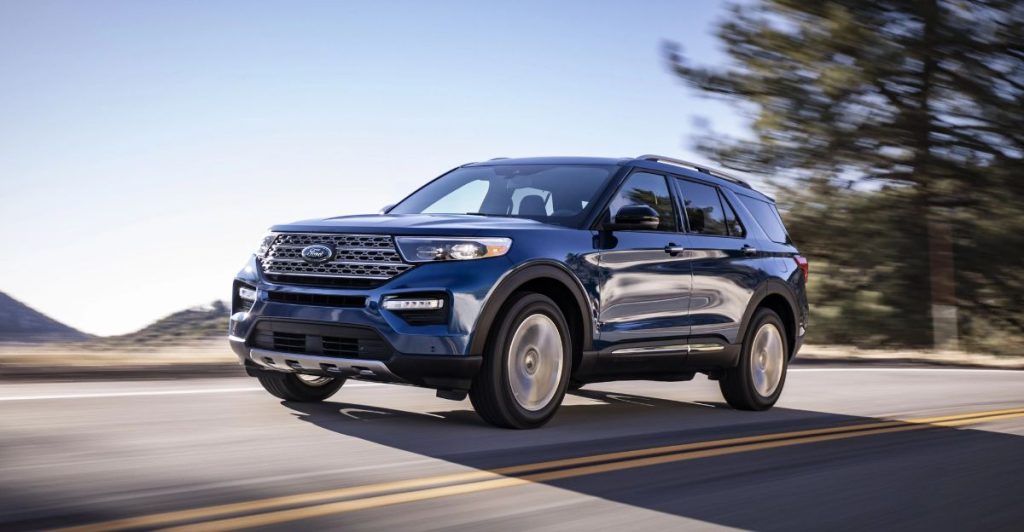
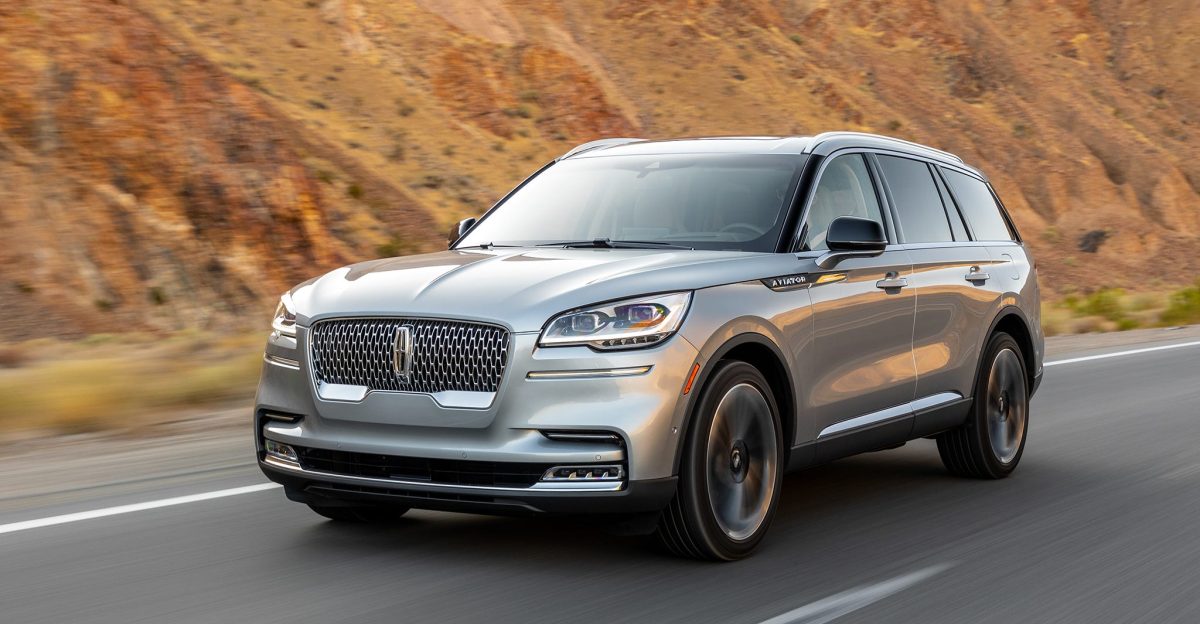
The recall spans four lines: Explorer (328,341 units), Escape (210,349), Lincoln Aviator (32,257), and Lincoln Corsair (33,586). Every one carries the same root cause: a cover terminal misaligned with the brush card terminal during assembly at Valeo North America’s plant in San Luis Potosí, Mexico. The poor electrical connection starts as intermittent wiper hesitation, then progresses to complete failure. Ford confirmed 1,374 warranty claims by mid-February 2026 and estimates roughly 1% of the recalled population carries the active defect. That still means approximately 6,000 SUVs with wipers that could quit mid-storm.
How Ford closed the first investigation
Ford opened an investigation on June 17, 2021, after warranty claims flagged the wiper motor issue. By September 28, 2021, the company’s Critical Concern Review Group shut it down. Their official language: “This conclusion was supported by a low projected occurrence rate, the overt nature of the condition to the customer, and Ford’s assessment of regulatory compliance.” Translation: the wipers fail obviously, so drivers will notice, and not enough motors were failing to justify action. Case closed. Warranty claims, meanwhile, kept accumulating for four more years without triggering a single escalation.
When old data suddenly mattered
In November 2025, a separate Ford investigation team reviewing an unrelated defect stumbled across the wiper motor warranty data. The same production population. The same supplier records. The same historical teardowns. This time, Ford observed an “increased rate of occurrence during the suspect production period.” Four years earlier, identical information produced a clean bill of health. Now it triggered a recall of 604,533 vehicles. The data didn’t change. Ford’s interpretation did. That gap between September 2021 and November 2025 represents either analytical failure or a calculated decision to look away.
A system that finds problems too late
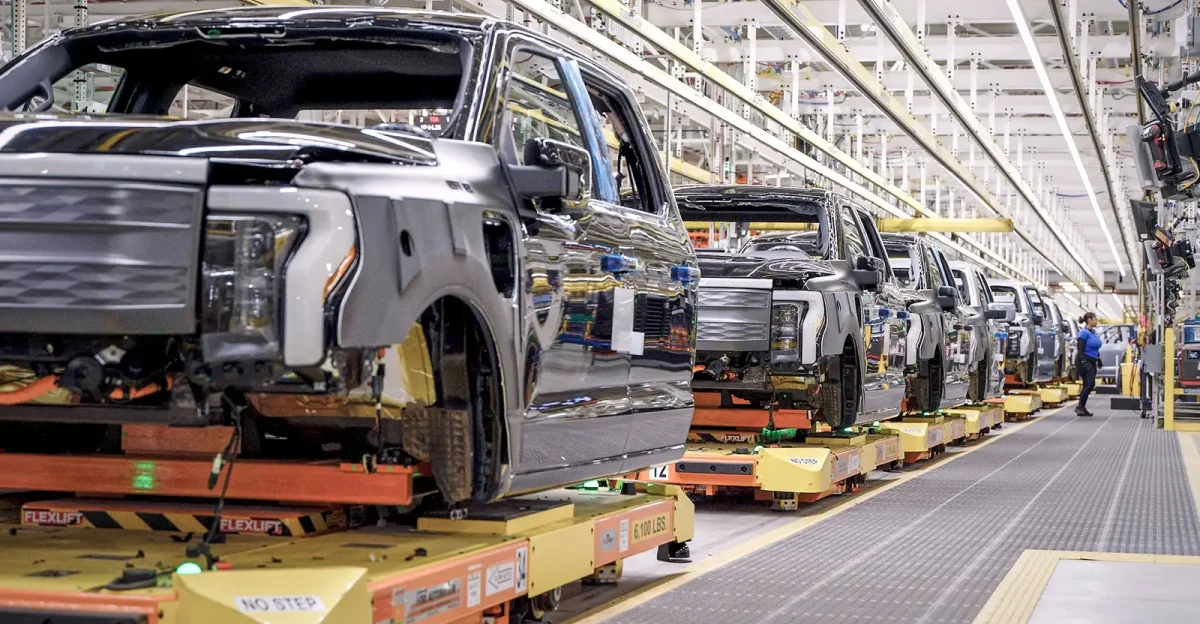
Ford’s production tracing system is forensic, not preventive. It identifies failed vehicles after they reach customers through warranty claim aggregation, not during manufacturing. The 2021 closure was permitted because the defect was deemed “overt to the customer,” meaning drivers would notice their wipers failing. Ford essentially argued that the customer was the quality control system. A terminal misalignment persisted across 604,533 vehicles over 18 months of production without internal detection. The defect most visible to drivers was invisible to the company building the vehicles.
Owners left waiting without a fix
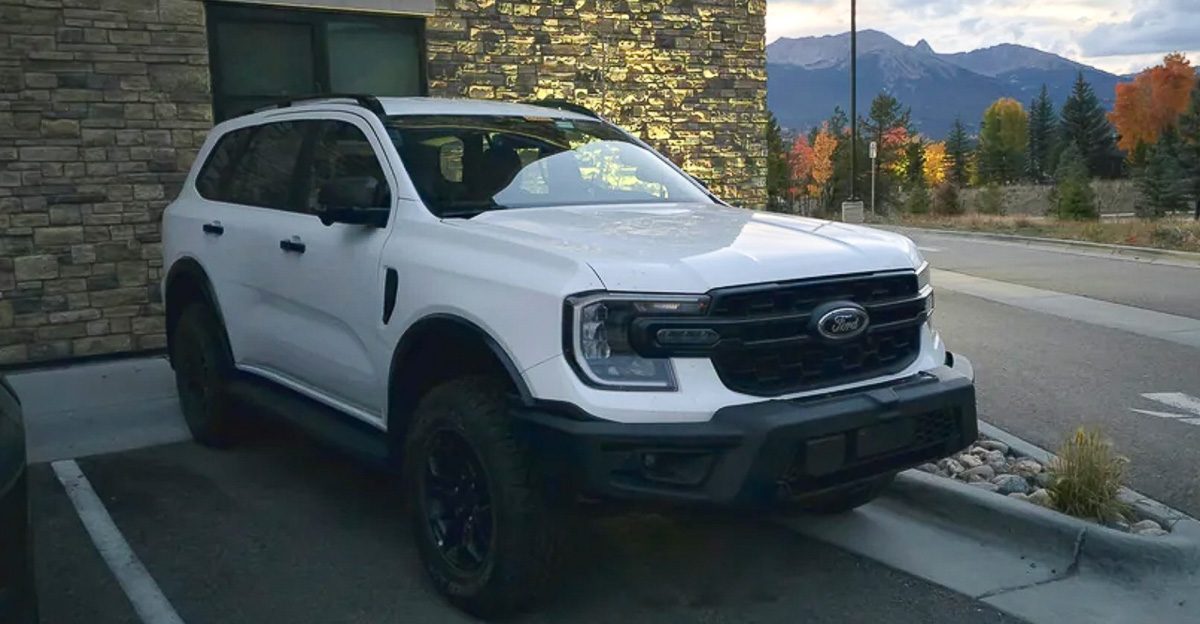
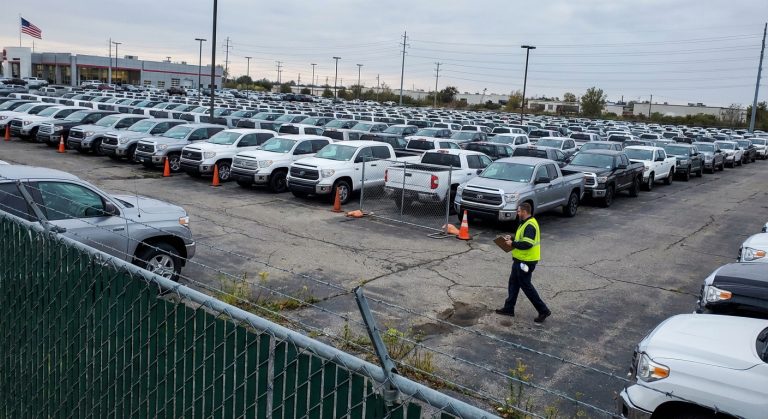
Owner notification letters began March 9, 2026. Replacement parts won’t arrive at dealerships until May 11 through 15. That’s a 63-day window. Ford told owners not to drive their vehicles and to park outside. Dealers cannot sell or demonstrate affected inventory. For owners who comply with the advisory, their SUV sits in the driveway for two months. For owners who ignore it, every rainstorm becomes a gamble with a defect Ford itself calls a crash risk. Either way, 604,533 people received a warning with no available fix attached.
The financial and market fallout
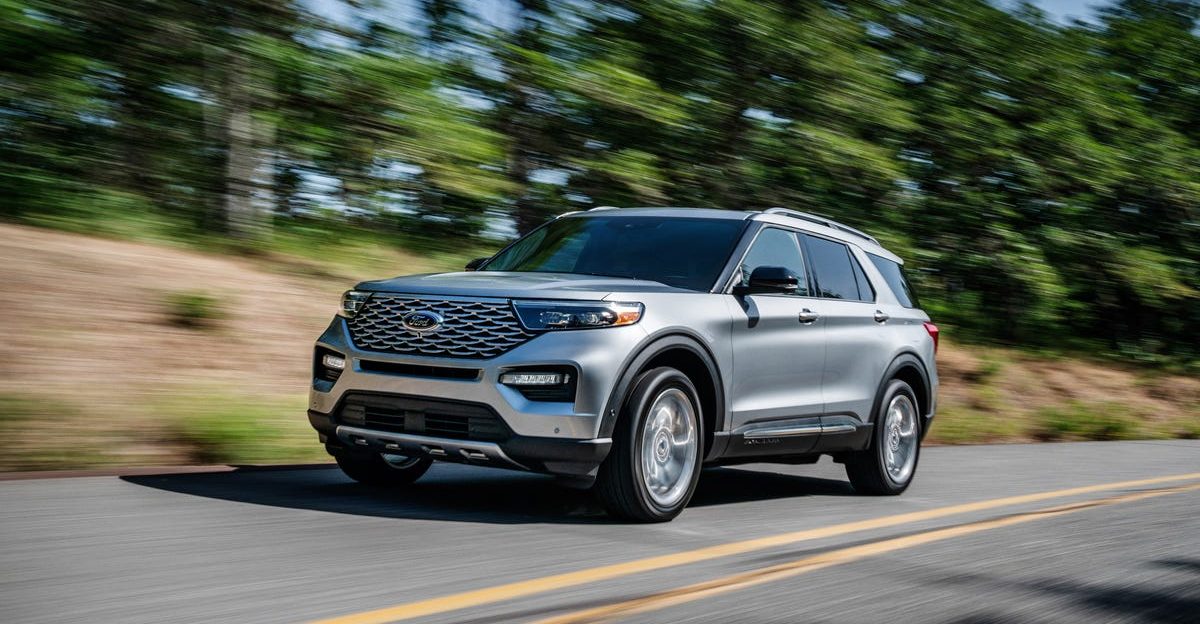
The estimated compliance bill lands between $150 million and $200 million in parts, labor, and logistics, loaded onto Ford’s 2026 budget. That follows a 2025 in which Ford set a historic company record: 153 recalls affecting nearly 13 million vehicles. Dealer networks now face frozen inventory, service scheduling bottlenecks, and waves of customer calls they cannot resolve. Used-market prices for 2020-2022 Explorers and Escapes face downward pressure as buyers avoid recalled models. Valeo, the supplier responsible for the misaligned terminals, faces contract review and reputational damage across its OEM partnerships.
What this says about closed safety cases
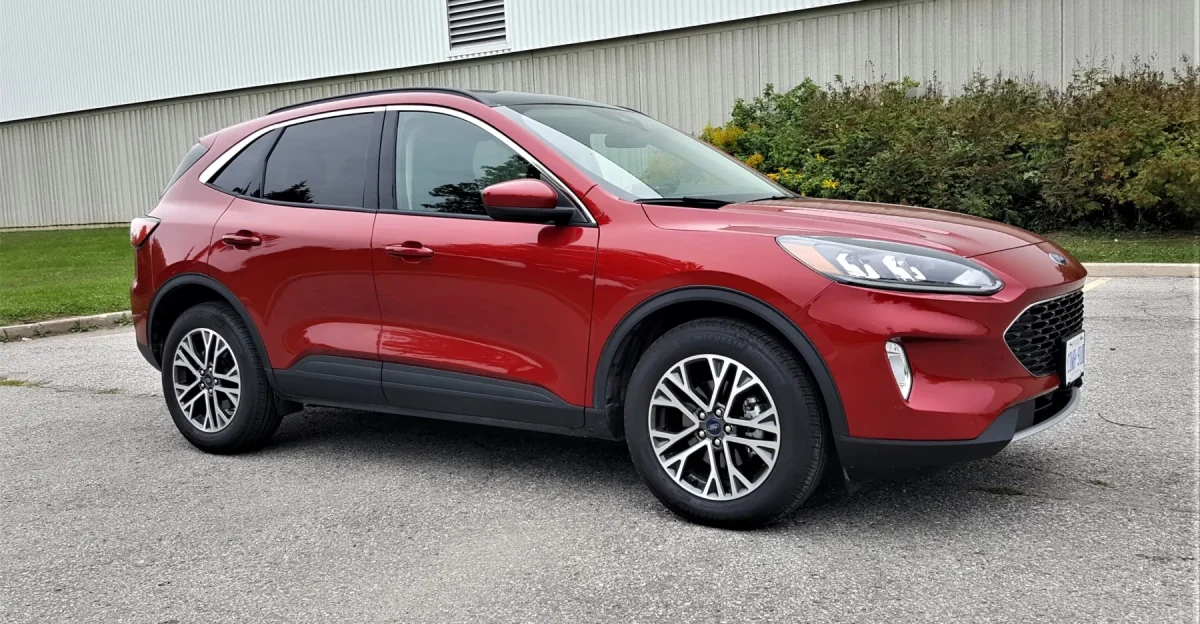
This recall establishes something uncomfortable: a closed Ford investigation can sit dormant for years while failure rates climb, and only reopen when someone stumbles onto the old data by accident. NHTSA oversight does not mandate periodic re-evaluation of closed cases. No automatic trigger forces a second look when warranty claims keep rising after a case is shut. Other manufacturers are watching. If Ford can close a wiper defect investigation in 2021 and reopen it in 2025 using the same evidence, every closed safety case in the industry now carries an asterisk.
Risks ahead for Ford, Valeo, and regulators

If wiper failures spike during the March-to-May gap, media pressure and potential congressional inquiries into NHTSA’s oversight model follow. Ford’s back-to-back recall record across 2025 and 2026 creates exposure to shareholder lawsuits alleging quality oversight negligence at the board level. Valeo’s legal risk expands if internal documents reveal the company knew about misalignment risk during the 2020-2021 production window. Ford will emphasize that no accidents or injuries have been reported. That language appears in the same NHTSA filing that confirms the defect “increases risk of crash.”
The larger question hanging over Ford
Ford’s defense will center on proactive notification and free repairs. The counterargument writes itself: the company studied this defect in 2021, closed the file, and only reversed course because a different team happened to pull the same warranty data four years later. The system doesn’t prevent defects. It rediscovers them by accident. Every owner of a 2020-2022 Explorer, Escape, Aviator, or Corsair now knows their wipers might fail. The deeper question is how many other closed Ford investigations are sitting on escalating data that nobody has stumbled across yet.
Sources:
“Part 573 Safety Recall Report 26V117 – Ford Motor Company.” National Highway Traffic Safety Administration, 3 Mar 2026.
“Ford Recalls 604,000-Plus Explorer, Escape, Lincoln Corsair and Aviator for Windshield Wiper Issue.” Cars.com, 4 Mar 2026.
“Ford Recalls More Than 615,000 Vehicles Over Wiper, Driveshaft Defects.” Fox Business, 4 Mar 2026.
“Ford Recalled More Cars Than the Next 9 Brands Combined in 2025.” Carscoops, 3 Jan 2026.