Gas Jumps 27 Cents In One Week As Iran Shuts Down 20% Of World’s Oil—LA Hits $4.88
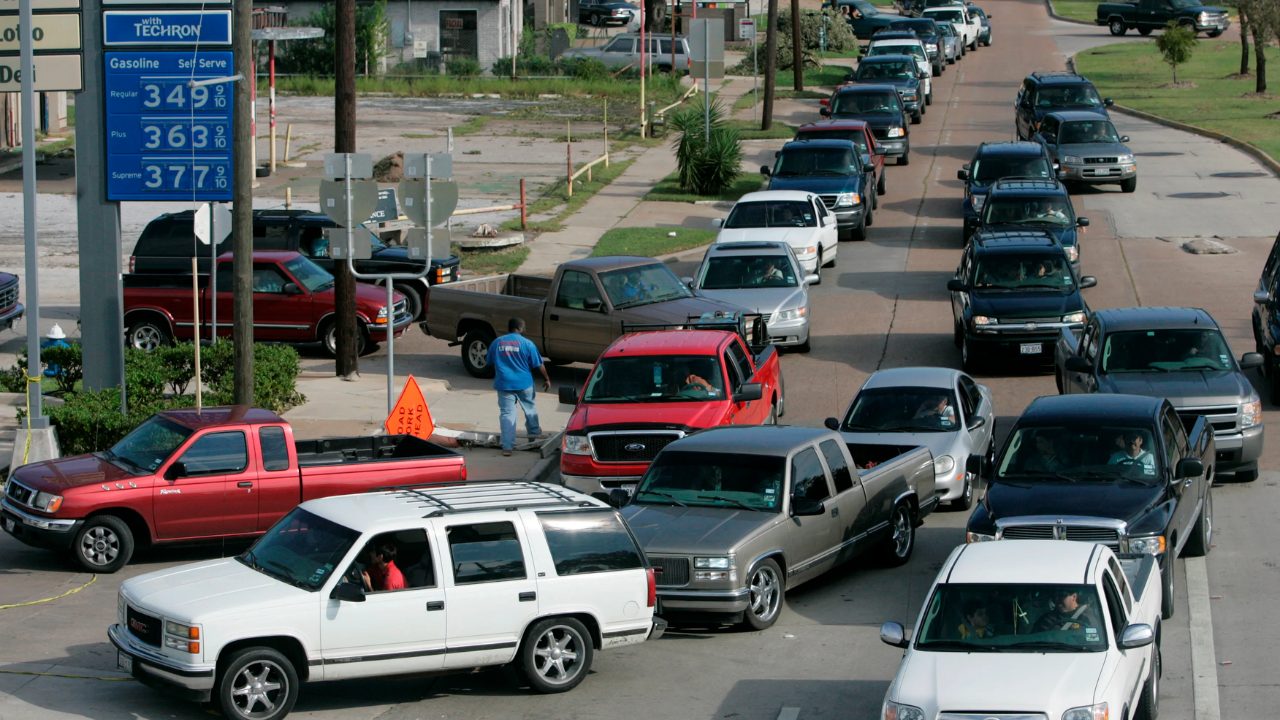
The pumps looked the same. Same stations, same logos, same Tuesday morning commute. But the numbers on the screens had changed overnight. Eleven cents in a single day, the largest single-day gasoline spike in four years. By the time most Americans noticed, the national average had already climbed from $2.98 to $3.25 per gallon. In Los Angeles County, drivers stared at $4.88. At some New York City stations, the number crossed $4.00. Nobody bombed a refinery. Nobody cut a pipeline. Something stranger happened.
A Narrow Waterway With Global Impact
On February 28, 2026, U.S. and Israeli forces struck Iran. Iran responded by closing the Strait of Hormuz, a 20-mile corridor carrying roughly one-fifth of the world’s oil and liquefied natural gas. Within hours, more than 200 vessels anchored or rerouted away from the passage. Brent crude surged 13% to $81.89 per barrel. West Texas Intermediate climbed roughly $8 per barrel to above $77 by midweek. The fastest weekly gas price movement since early 2022 had a trigger, and it sat between Iran and Oman.
Why Drilling More Didn’t Help
The reflexive American answer to a price spike is always the same: drill more. The U.S. already produces a record 13.6 million barrels daily. That production did nothing. Prices spiked anyway, because the bottleneck was never crude in the ground. It was crude on the water. Americans consume 370 million gallons of gasoline every single day, and the system delivering it depends on a chokepoint narrower than the Houston Ship Channel. Record production met a logistics wall, and the wall won.
When Insurance Stops The Oil Stops
No navy blockaded the Strait. No mines floated in the shipping lane. Marine insurers simply withdrew coverage for tankers transiting the corridor, and that was enough. Without insurance, no tanker moves. More than 200 ships stopped. Shipping costs doubled to $29 million per voyage, the highest ever recorded. Freight alone now accounts for 20% of the price of a barrel of crude. Six months ago, that figure was roughly 5%. Private insurance companies, not governments, shut down a fifth of global oil.
The Hidden Surcharge In Every Gallon
That $29 million per voyage doesn’t stay on the ocean. It lands at the pump. Analyst Tom Kloza calculated every $1 increase per barrel adds 2.5 cents per gallon at retail, but the actual weekly result blew past that formula. An $8 per barrel crude jump should have meant 20 cents. Americans got 27. The gap reveals multipliers the models don’t advertise: refinery margins widening, freight surcharges stacking, and California’s combined gas taxes of more than 70 cents per gallon compounding every increase on the way through.
Two Very Different Gasoline Americas
The same gallon of gasoline costs $2.62 in Oklahoma and $4.88 in Los Angeles. That $2.26 gap, an 86% premium, exists for an identical commodity on the same day. Some California stations already crossed $5.00. A Shell in Alamo charged $5.49. Across the street, a Chevron posted $5.09. California’s special fuel blend mandate, produced by a shrinking number of refineries, creates a price floor that rises faster than the national average and falls slower. The state is structurally trapped.
Shockwaves Through Airlines And Trucking
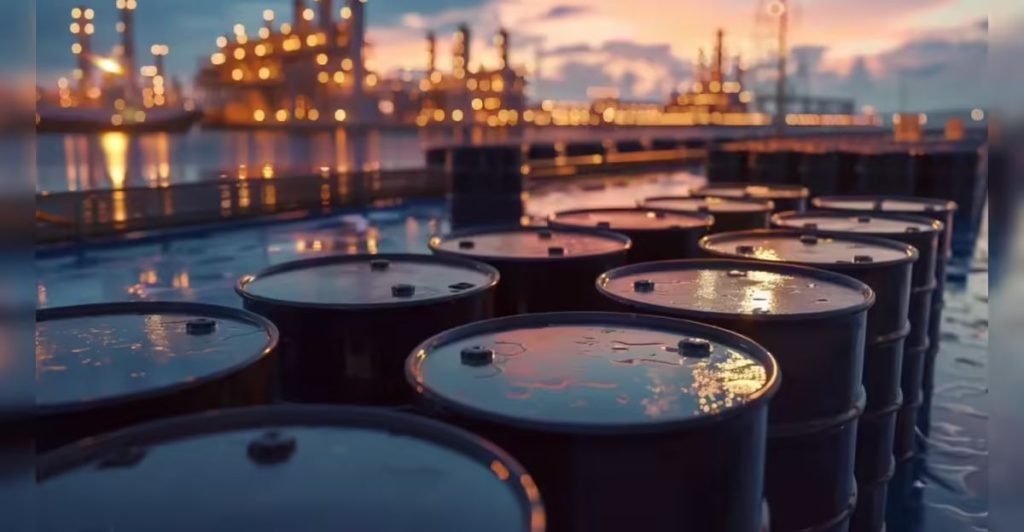
Iraq cut crude production by 1.5 million barrels per day because it literally could not export through the closed Strait. American Airlines stock dropped more than 6%, dragged by unhedged fuel exposure and roughly $36.5 billion in debt. Delta fared better only because it owns a refinery in Trainer, Pennsylvania. Trucking companies imposed surcharges between 5.9% and 18%. Discount retailers like Dollar Tree face margin compression as low-income customers redirect grocery money into gas tanks. One waterway closed. Every supply chain flinched.
A System With No Safety Net
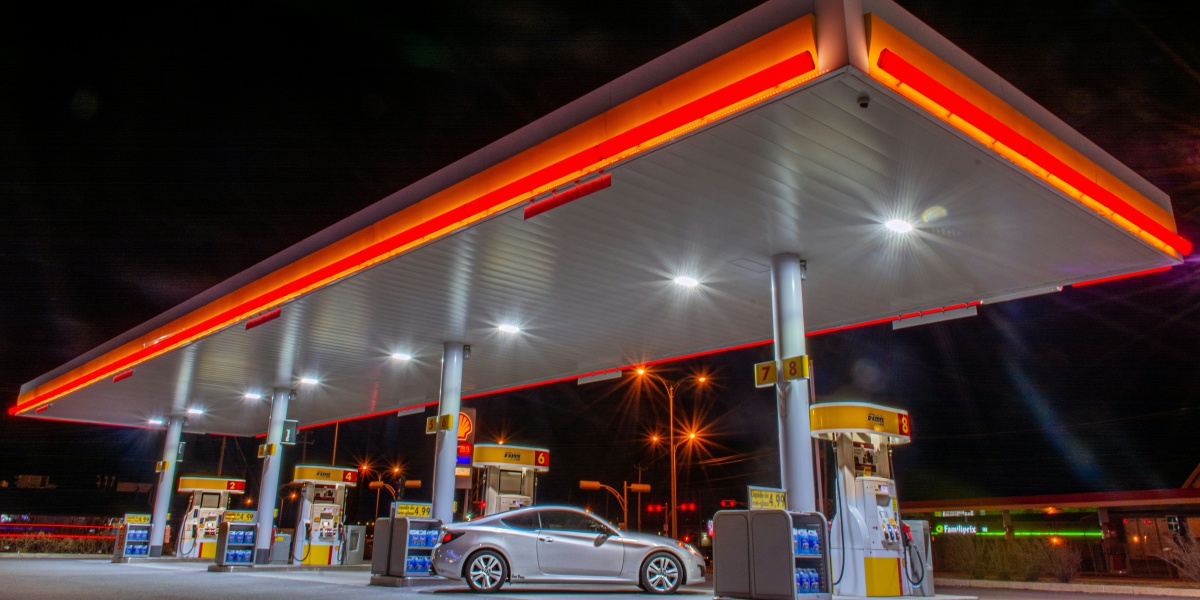
This is not a one-time shock. This is the template. Every future Middle East escalation triggers the same cascade: insurance withdrawal, tanker rerouting, freight explosion, pump spike. The strategic petroleum reserve sits at roughly 415 million barrels, about 58% of authorized capacity. OPEC+ has already cut production by 3.66 million barrels daily through 2026. Refineries are closing, not opening. Phillips 66 and Valero are reducing California capacity. The system has no redundancy, no spare fleet, no alternative route that doesn’t add weeks.
The People Paying The Price
Governor Kathy Hochul warned New Yorkers to expect an additional 20 to 30 cents per gallon if tensions persist. Goldman Sachs revised its forecast: a five-week disruption could push Brent to $100 per barrel. Construction worker Brody Wilkins put it plainly: “We use gas nonstop. I don’t know how long this is supposed to last, but I hope not very long.” He has no mechanism to shorten the conflict. Neither does Hochul. The people absorbing the cost have zero influence over the decisions creating it.
What Happens Before Your Next Fill-Up
The Trump administration announced Navy escorts and political-risk insurance for non-sanctioned tankers, signaling intent to force the Strait back open. Whether that works before Goldman’s $100 scenario arrives is the only question that matters at the pump. Meanwhile, European diesel already jumped 27%. Every American who filled up this week paid for a war they didn’t start, routed through an insurance market they’ve never heard of, across a waterway most couldn’t find on a map. The next crisis will use the same road.
Sources:
“Jump at the Pump as National Average Goes Up Nearly 27 Cents.” AAA, 5 Mar 2026.
“Oil and Gas Majors and Traders Suspend Shipments via Hormuz After U.S. Attacks on Iran.” Reuters, 28 Feb 2026.
“Iraq Reduces Oil Output, More Cuts to Come if Hormuz Disruptions Persist, Iraqi Oil Officials Say.” Reuters, 3 Mar 2026.
“Goldman Sachs Raises Q2 Brent Oil Price Forecast by $10 to $76 a Barrel.” Reuters, 4 Mar 2026.