Ford, GM, Stellantis’ $47.5B Losses Deepen After Iran Strikes Trap 450,000 Containers
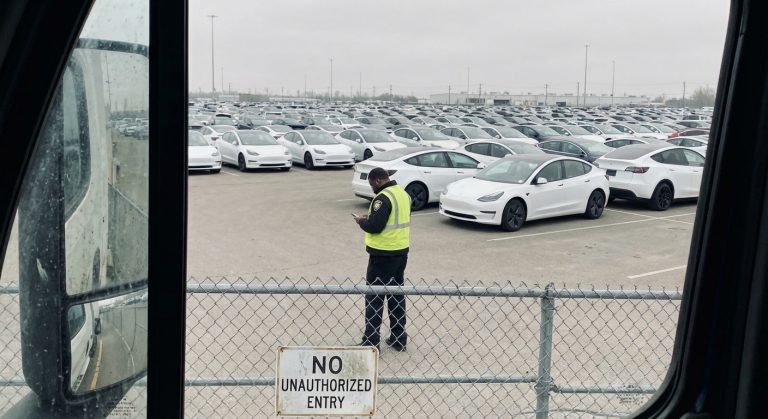
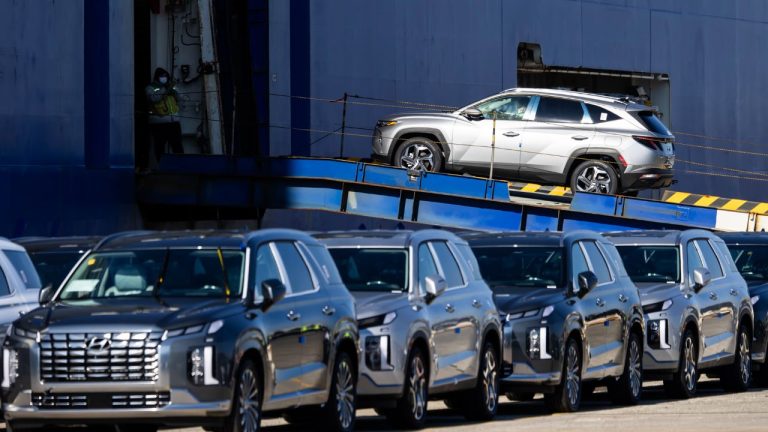
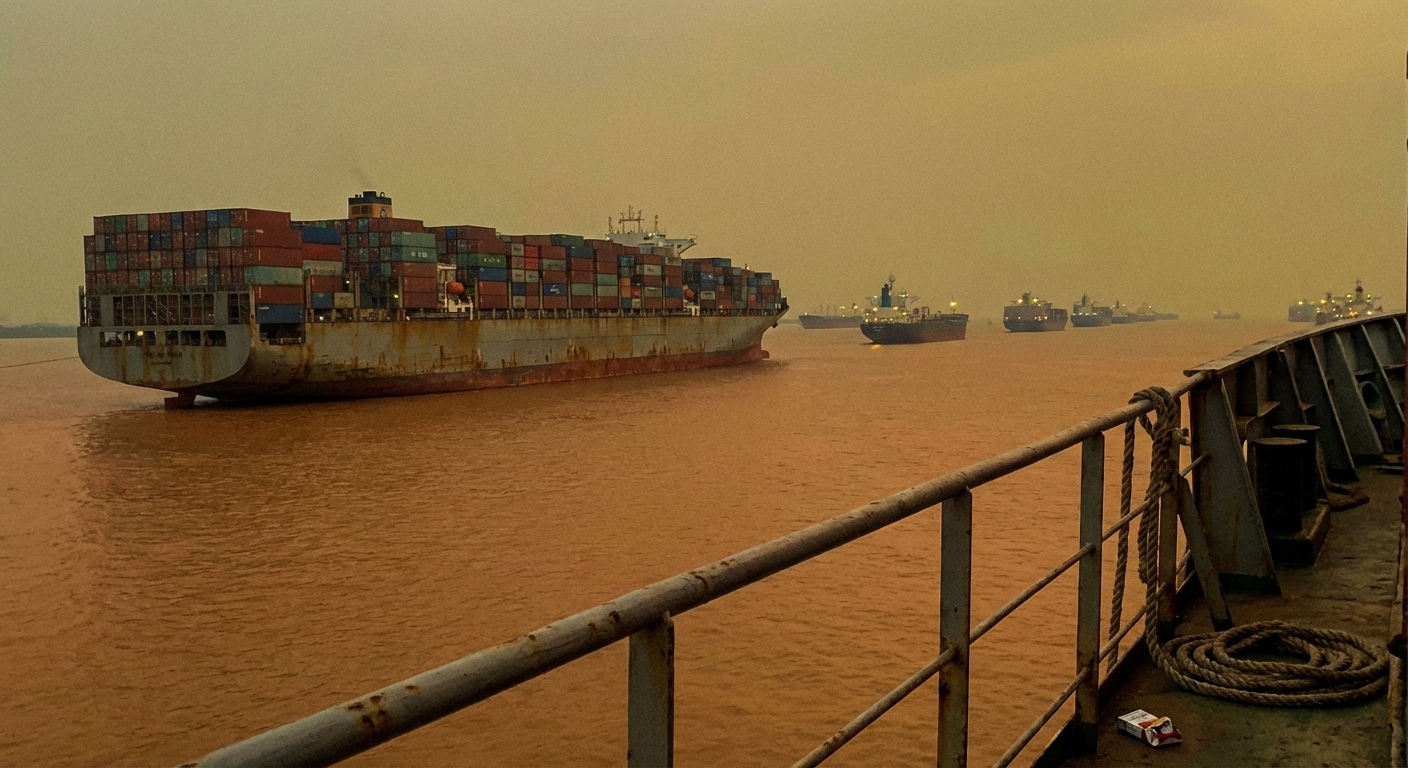
Somewhere in the Persian Gulf corridor, 170 containerships sat motionless. Not because warships blocked their path. Because insurance underwriters pulled coverage, and without a policy, no captain moves. Qatar suspended all maritime navigation. Kuwait evacuated its port at Shuaiba. Bahrain shut down its main commercial hub. Jebel Ali in Dubai caught fire from debris. Four major ports closed in days, and roughly 450,000 container units of cargo went nowhere. The ships weren’t seized. They were abandoned by spreadsheets.
An Industry Already Bleeding

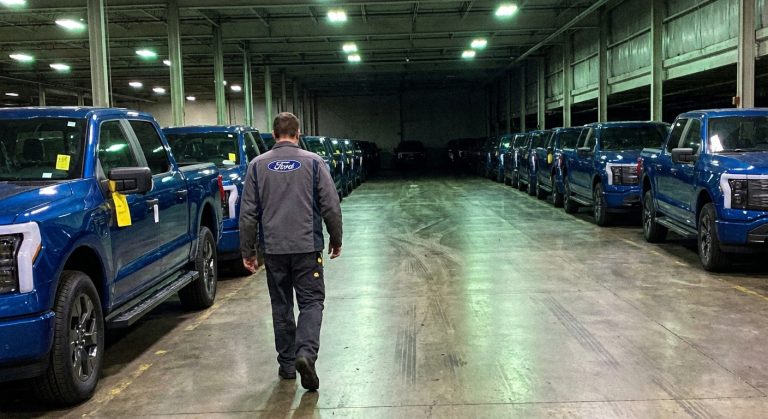
The Strait of Hormuz carries approximately 20% of global oil supply. Its de facto closure landed on an auto industry that was already hemorrhaging. Ford had announced $19.5 billion in write-downs on December 15. GM followed with $6 billion on January 8. Stellantis dropped the largest bomb: roughly €22 billion in charges on February 6, cratering its stock approximately 22% in a single session. Combined damage across the Detroit Three before a single missile hit Iran: approximately $51.5 billion. That money was already gone when the first strike landed; the Iran attacks didn’t create those losses, they ensured Detroit had no cushion left when 450,000 containers were suddenly trapped. That was supposed to be the reset.
When Wall Street’s Confidence Crumbled
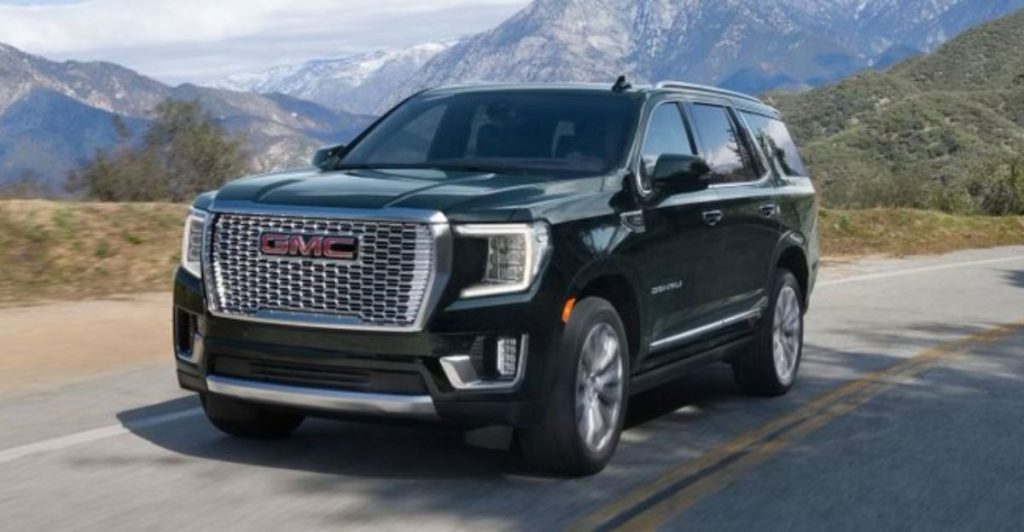
Wall Street treated those write-downs as spring cleaning. GM’s median analyst price target sat at $98.50, implying 25% upside. Bullish earnings forecasts assumed stable oil, steady volumes, and a fifth consecutive year of retail sales growth. Zero visible geopolitical hedge. Not one model publicly accounted for a Strait closure, an insurance withdrawal, or a war with no endgame. The assumption was that tail risk stays in the tail. On March 2, the tail showed up at the opening bell.
Monday Morning Shock
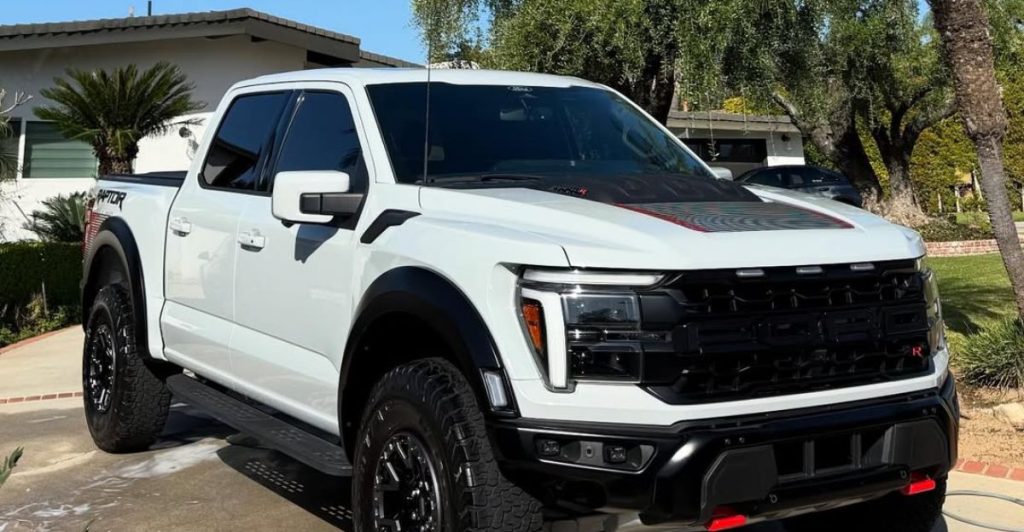
Ford dropped 4.97% to $13.39. GM fell 1.21% to $77.76. Stellantis collapsed 5.69% to $7.63. By Tuesday premarket, all three fell further. US and Israeli forces had struck 2,000 targets inside Iran. Tens of thousands of American troops deployed to the Middle East, the largest buildup in a generation. A Trump administration official was reported to have said plainly: “We’re going to annihilate their navy. There is no sign of peacemaking here.” Victory declared. Escalation promised. No off-ramp offered. Markets had to price a war with no end date.
The Hidden Blockade of Capital

Nobody parked a destroyer across the Strait. The closure operated through capital, not cannons. Insurance premiums had already hit six-year highs before the first strike. After the bombing began, underwriters simply refused to write new policies for Strait transit. A supply chain director confirmed it: “Nothing will be transiting the Strait of Hormuz.” That single sentence rewrote global logistics. Ships rerouted via the Cape of Good Hope face an estimated 14 to 21 extra days at sea, with costs multiplying roughly 1.15 to 1.35 times baseline.
What the Numbers Really Say

Strip away the oil shock and the numbers underneath are worse. Detroit Three fuel economy: Stellantis 22.8 mpg, GM 22.9, Ford 23.4. Tesla’s fleet average: 117.1 MPGe. EV adoption collapsed from 12.9% market share in September 2025 to 6% by March 2026 after the $7,500 federal tax credit expired. Chinese manufacturers now control 80% of the global battery supply chain. Production costs run 30% lower than Western competitors. The write-downs addressed symptoms. The disease kept spreading.
Factories on a Short Fuse
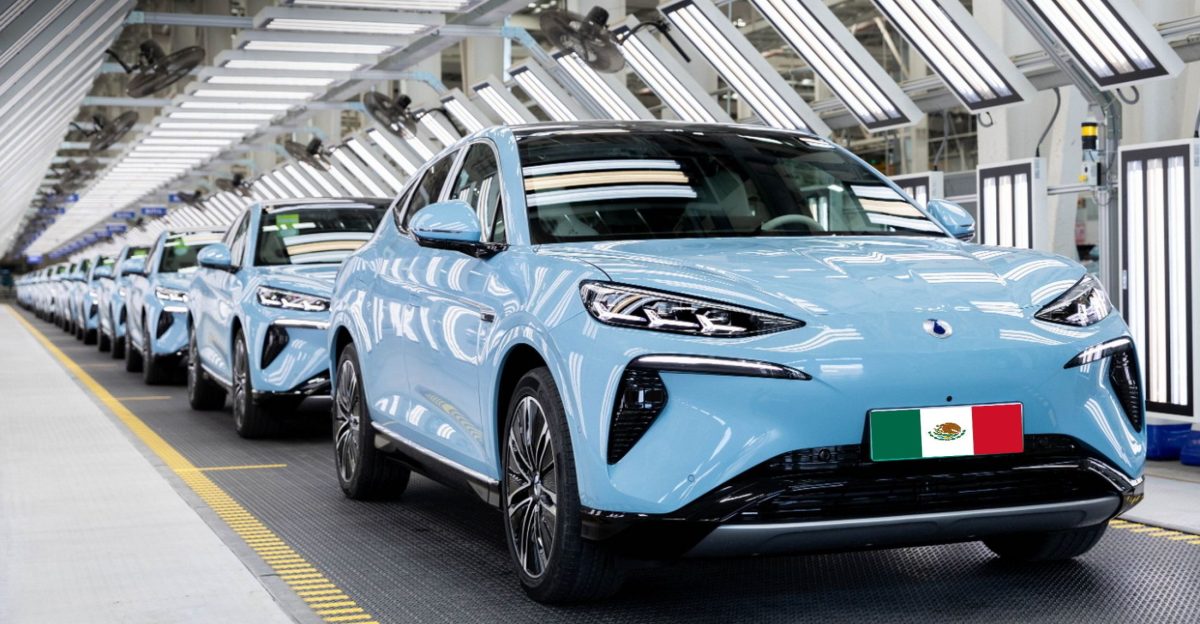
Assembly plants in Germany, the UK, the US, and Mexico face parts shortages within two to three weeks of sustained Strait disruption. Lean manufacturing stripped strategic buffers years ago. The 2021 semiconductor shortage projected 12 weeks of pain. It lasted 104. Red Sea disruptions from late 2023 still constrained shipping patterns in early 2026. Meanwhile, Chinese automakers expanded into Iran via knockdown assembly, capturing 19.7% of the market while French brands shrank to 11.4%. Western plants idle. Chinese plants adapt.
New Rules for Corporate Risk
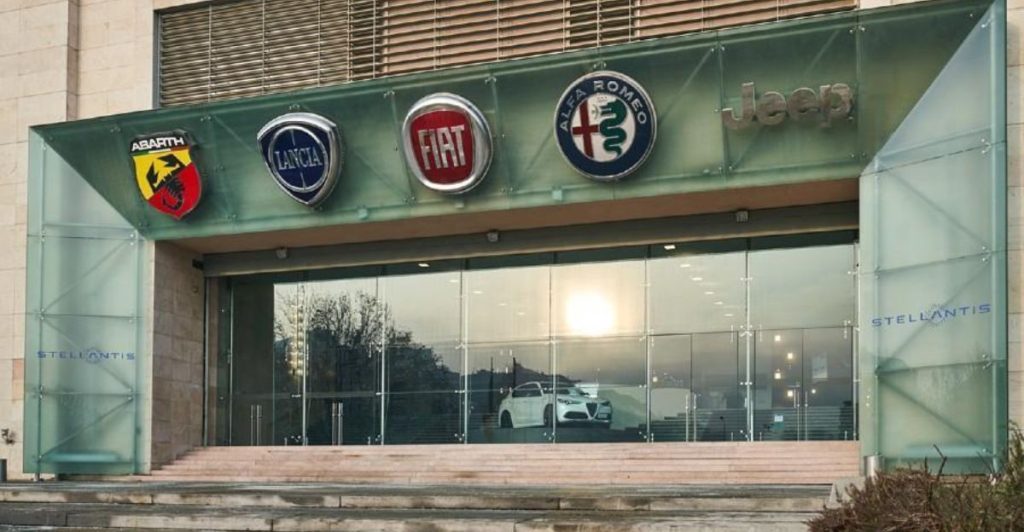
Stellantis earned a Moody’s downgrade to Baa3, one notch above junk, the most significant credit deterioration among the Detroit Three in a decade outside bankruptcy. Its stock lost more than 50% over the past year. This is only the fourth time in modern history that a geographic chokepoint closure threatened 20% or more of global commodity supply. The precedent now set is brutal: insurance withdrawal controls global trade more effectively than any navy. Future conflicts will target underwriters, not shipping lanes. The blockade has been financialized.
A War With No Exit
The Pentagon claimed an 86% reduction in Iranian ballistic missile launches and promised “complete control of Iranian skies within days.” Officials simultaneously committed to a “second round of even more punishing air assaults.” Iran’s Health Ministry reported more than 920 killed. Over 100 sailors died when the frigate IRIS Dena sank. US embassies evacuated non-essential staff from Kuwait, Saudi Arabia, and Lebanon. OPEC Plus meets April 5. Until then, markets price disruption lasting 12 to 18 weeks with no diplomatic off-ramp visible.
Detroit’s Exposure Comes Due

Up to 330,000 EV leases expire in 2026, flooding a used market with vehicles nobody subsidized anymore. New car prices climbed 15 to 25% since 2020. Average transaction prices exceed $45,000. The consumer is squeezed from every direction: rising pump costs, collapsing EV residuals, sticker shock on the lot. Analyst models built on stable oil and growing volumes failed overnight. The war exposed what the write-downs tried to bury. Detroit’s ~$51.5 billion in charges bought time. The Strait of Hormuz just called it in.
Sources:
“Ford retreats from EVs, takes $19.5 billion charge as Trump policies take hold.” Reuters, 15 Dec 2025.
“GM to take $6 billion writedown on EV pullback.” Reuters, 8 Jan 2026.
“Marine insurers cancel war risk cover, tanker costs to rise as Iran conflict widens.” Reuters, 2 Mar 2026.
“Moody’s downgrades Stellantis to Baa3 from Baa2, outlook stable.” Investing.com, 10 Feb 2026.