Ford Recalls 1.45M Vehicles After Backup Cameras Go Blank Mid-Reverse
A driver reverses out of a driveway, children playing nearby, when the rearview camera screen suddenly goes dark. No image appears, no signal or alert. A lifeless black rectangle sits on the dashboard. This fault occurred in about 1.45 million Ford and Lincoln vehicles from model years 2015 to 2020, a figure large enough to fill the parking lots of an entire mid-size American city.
The National Highway Traffic Safety Administration linked the defect to five documented accidents. Ford’s internal warranty records revealed a broader, more troubling pattern.
Eleven Years
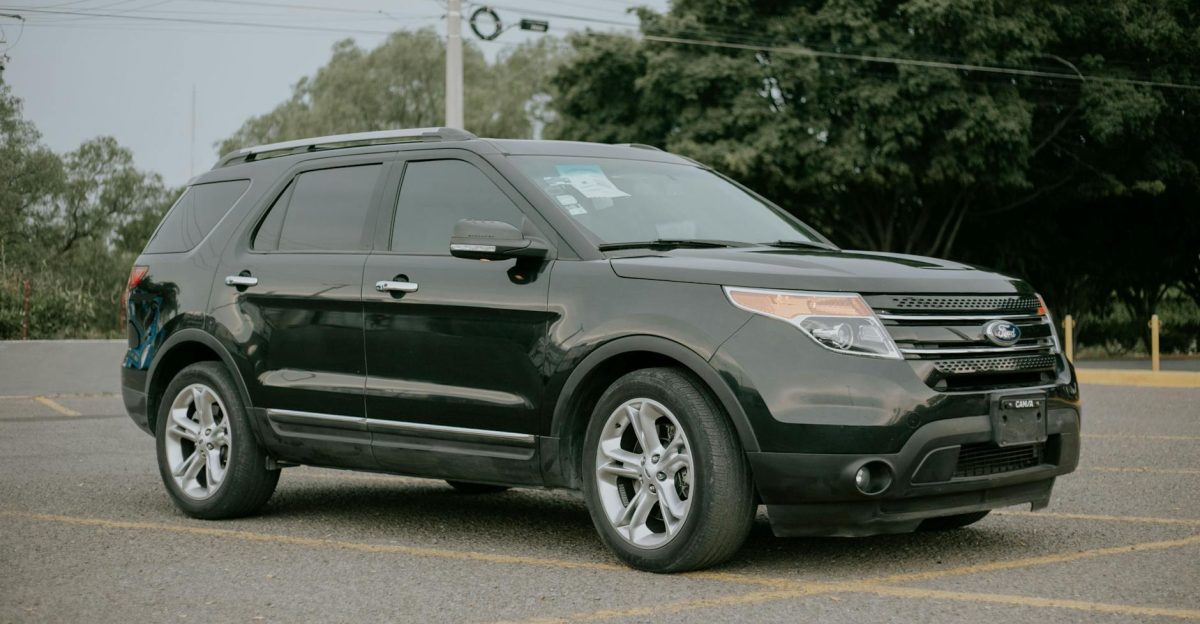
The first warranty claim entered Ford’s records on July 10, 2014. By September 2025, the count had reached 12,487 claims spanning Explorers, Escapes, Fusions, Mustangs, Tauruses, Fiestas, Flexes, C-Maxes, and Lincolns. The defect rate was 8 failed cameras per 1,000 vehicles. Magna, a Canadian supplier, built the analog units installed across more than ten model lines.
In parallel, 339 owners submitted formal complaints to NHTSA before the agency launched its investigation. Ford held this information for more than a decade. The federal government intervened only after years of inaction.
Quality Celebration

This is where the story shifts. CEO Jim Farley told employees the metric was the best it had been in a decade. Management earned 130% quality bonuses. The internal scorecard appeared flawless. That scorecard tracked early ownership satisfaction: metrics like Bluetooth pairing on day one.
It ignored failures that emerged years later, such as rearview camera malfunctions. Ford optimized for the early test, while 12,487 warranty claims accumulated in a database that required no immediate action.
The Fine
In November 2024, NHTSA imposed a $165 million fine on Ford for delays in recalling vehicles with faulty rearview cameras. Months later, Ford announced 153 separate recalls affecting nearly 13 million vehicles in 2025—the highest annual recall total for any U.S. automaker on record.
These recalls followed the company’s celebration of its quality bonuses. The regulatory penalty forced Ford to publicly acknowledge defects that had been tracked internally for 11 years, a step the company’s own warranty system never produced.
A Gap
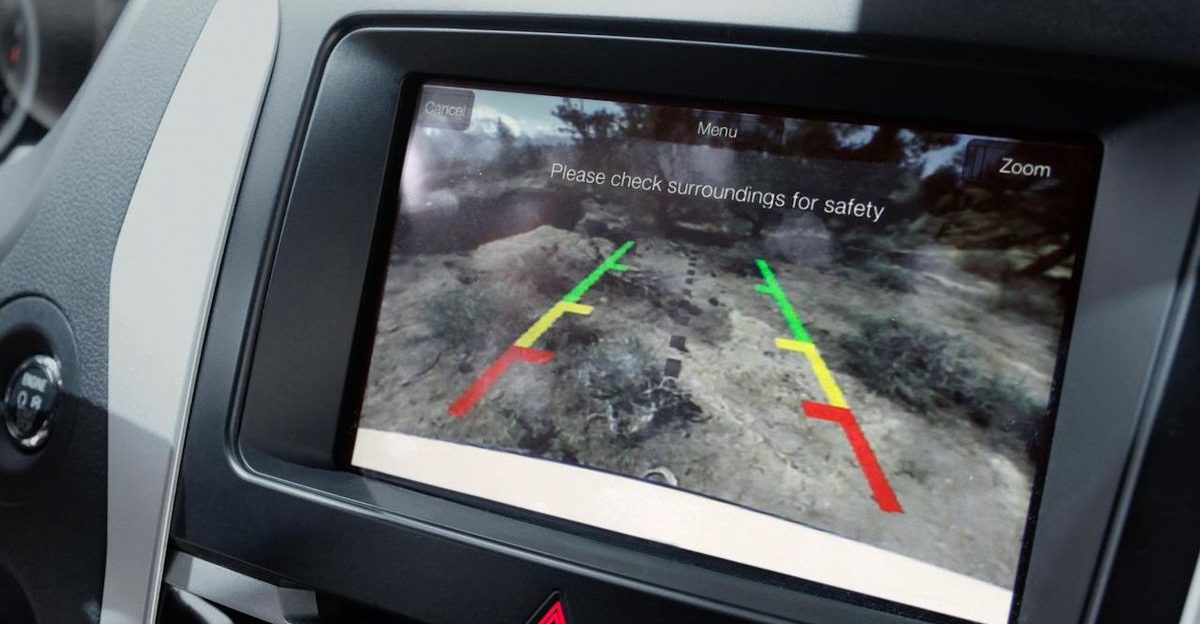
Ford’s internal quality tracking runs on two disconnected paths. One measures Initial Quality Scores, focused on new-buyer satisfaction, which drive bonuses and investor presentations. The other logs warranty claims, recording long-term failures quietly, with no automatic link to the first.
This gap resembles a hospital rewarding surgeons for patient happiness at discharge, with no one tracking post-surgery complications. That disconnect allowed 12,487 camera failures to build up without a single recall, until an external regulator imposed a nine-figure penalty.
Couldn’t Find The Cause

NHTSA described the defect with technical precision: “The rearview camera may display a distorted, intermittent, or blank image when the vehicle is in reverse.” Distorted signals a warped picture. Intermittent means a flickering screen. Blank means the image disappears entirely. Among the affected vehicles, about eight out of every 1,000 had defective cameras.
Ford investigated from February through September 2025 but could not pinpoint a specific root cause. After months of lab analysis and field testing, the company recalled the vehicles without a definitive answer.
The Wait
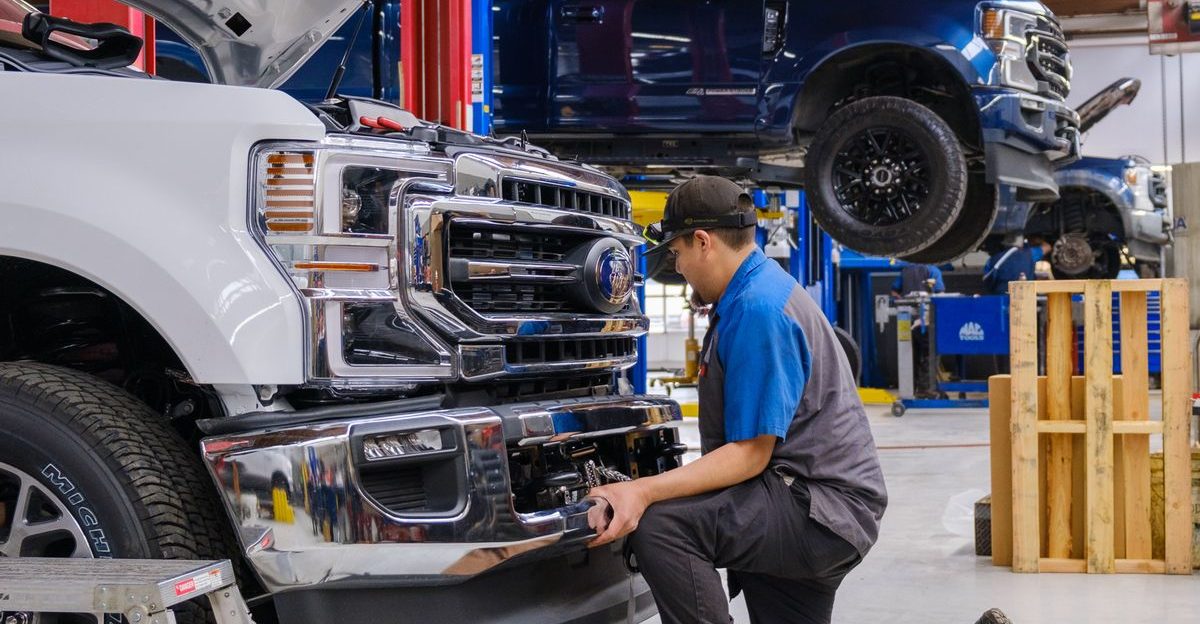
Ford began sending interim notification letters in October 2025. At the time, replacement parts were unavailable, leaving 1.45 million drivers to rely on traditional mirror checks while waiting for repairs. Dealership service departments are preparing for a surge in appointments once new cameras arrive.
Magna, the supplier, also recalled more than 250,000 cameras affecting both Ford and Stellantis vehicles, confirming the defect extended beyond a single manufacturer.
Ford’s Risk Assesment
The $165 million fine fundamentally changed Ford’s risk assessment. Under-reporting a defect now brings greater costs than recalling too many vehicles. That shift led to 153 recalls in one year. Ford did not uncover 13 million new problems overnight.
Disclosing issues became less expensive than keeping them hidden. Automakers across the industry are adjusting to the same reality. Regulatory fines have overtaken internal accountability as the main driver for safety disclosures. Recalls have become acts of compliance rather than vigilance.
Parallel Universes

As consumer vehicles faced a wave of recalls, Ford projected full-year 2026 adjusted EBIT between $8 and $10 billion, with Ford Pro driving most of those profits. The company maintains separate supply chains and quality standards. Fleet customers receive reliable products.
Retail buyers contend with 153 recalls. Ford’s commercial success has kept Wall Street largely unmoved by the volume of consumer recalls. Should recall numbers in 2026 surpass those in 2025, regulators may consider factory audits or production halts.
Your Move
Ford states that dealers will inspect and replace defective cameras at no cost to customers, using parts built to higher standards. This commitment addresses the faulty hardware but not the broader system that allowed a federally mandated safety feature to fail in 1.45 million vehicles over more than a decade, while executives received bonuses for quality scores that ignored this defect.
When an automaker touts “best quality in years,” the real answers often sit in the warranty database, not the press release. That is where the truth has remained, overlooked, since 2014.
Sources:
Yahoo Finance — Ford recalls 1.4 million vehicles for faulty rearview cameras — October 31, 2025
NHTSA Press Release — Ford Consent Order; $165 Million Civil Penalty — November 13, 2024
Reuters — Ford boosts companywide bonus as initial quality improves — February 11, 2026
Motor Illustrated — Ford Issued 153 Recalls in 2025, More Than the Following Nine Brands Combined — January 1, 2026
IndustryWeek — Ford’s 2026 Capex to Grow to $10B — February 10, 2026