$151M Korean Auto Supplier Bets On Rural Alabama As GM Axes 1,100 Jobs In Detroit
Somewhere in Italy, a precision die-casting shop that has built tooling for European automakers for decades got a phone call. The offer came from South Korea. The destination was Auburn, Alabama. Not Milan. Not Munich. Not anywhere the global auto supply chain has traditionally routed expertise.
A Korean aluminum parts manufacturer wanted to buy the Italian operation, uproot its engineering knowledge, and plant it in a facility between cow pastures and a college football stadium. The future of American auto manufacturing just got a new zip code.
The Footprint
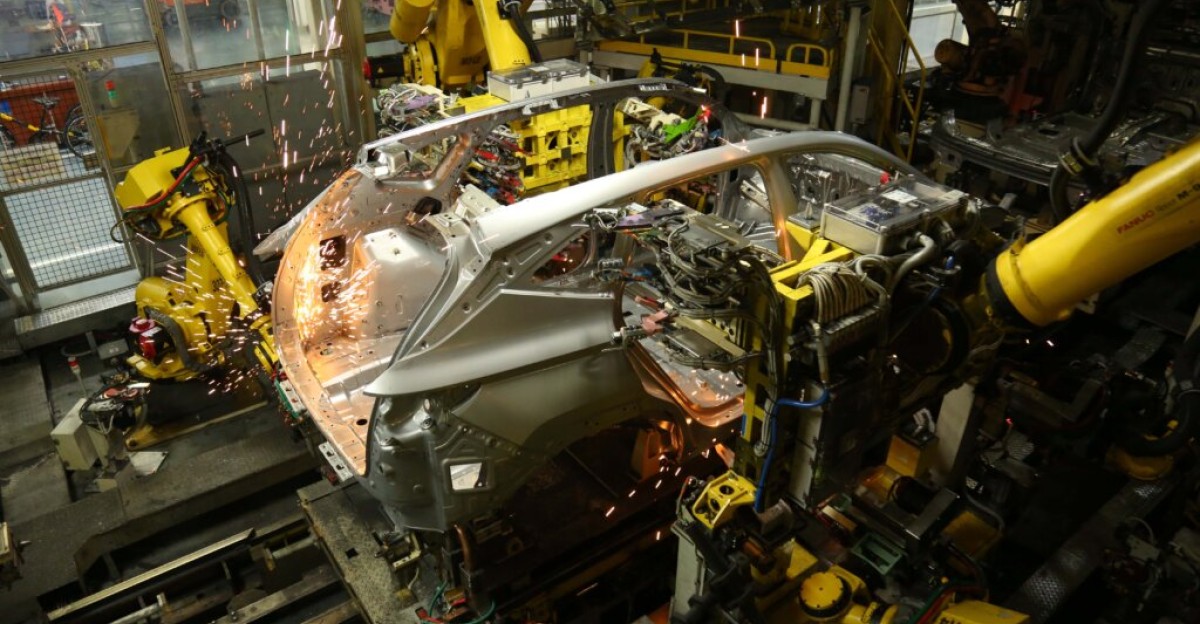
Shinhwa Auto USA Corporation already operates a 356,000-square-foot aluminum die-casting facility in Auburn. The company launched there in 2020, then sank $114 million into a 170,000-square-foot production building. Now comes another $37 million to build a dedicated tooling facility at Auburn Technology Park West, incorporating Italian precision toolmaker SAPP S.p.A. into the operation.
That brings this specific Auburn expansion wave to roughly $151 million in recent years, on top of earlier capital that first established the campus. Chairman Kwi Hyun Lee called it “a vertically integrated U.S.-based company.” That phrase carries more weight than it looks.
The Myth
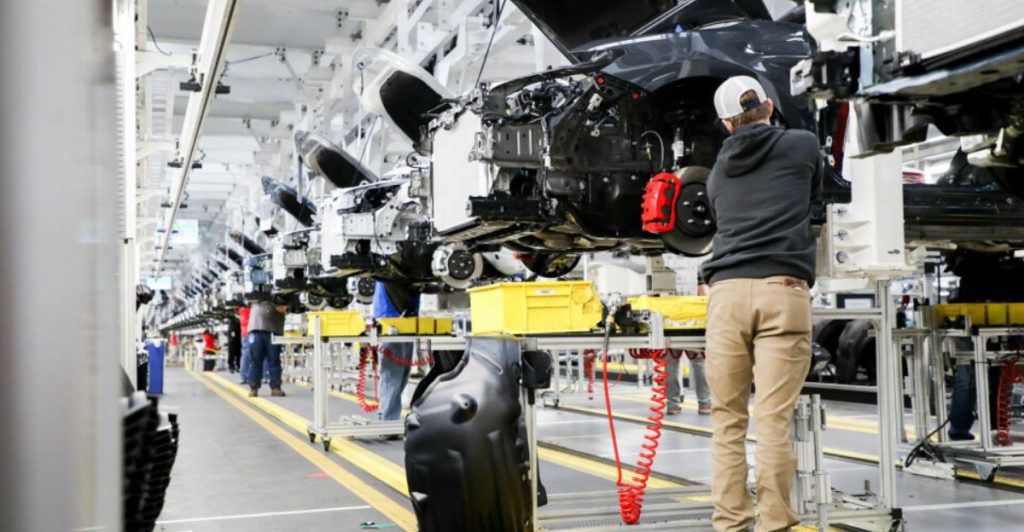
The assumption most people carry is simple: U.S. auto manufacturing either comes back as cheap assembly work or it doesn’t come back at all. Broad-based, labor-cost-driven recovery. That’s the story Detroit has been selling for decades.
Meanwhile, the U.S. auto industry produced only 10.2 million vehicles against 14.7 million units of capacity in 2024. That’s 4.5 million units of unused production sitting idle. Assembly capacity is not the bottleneck. Something else is, and Shinhwa figured out what.
The Inversion
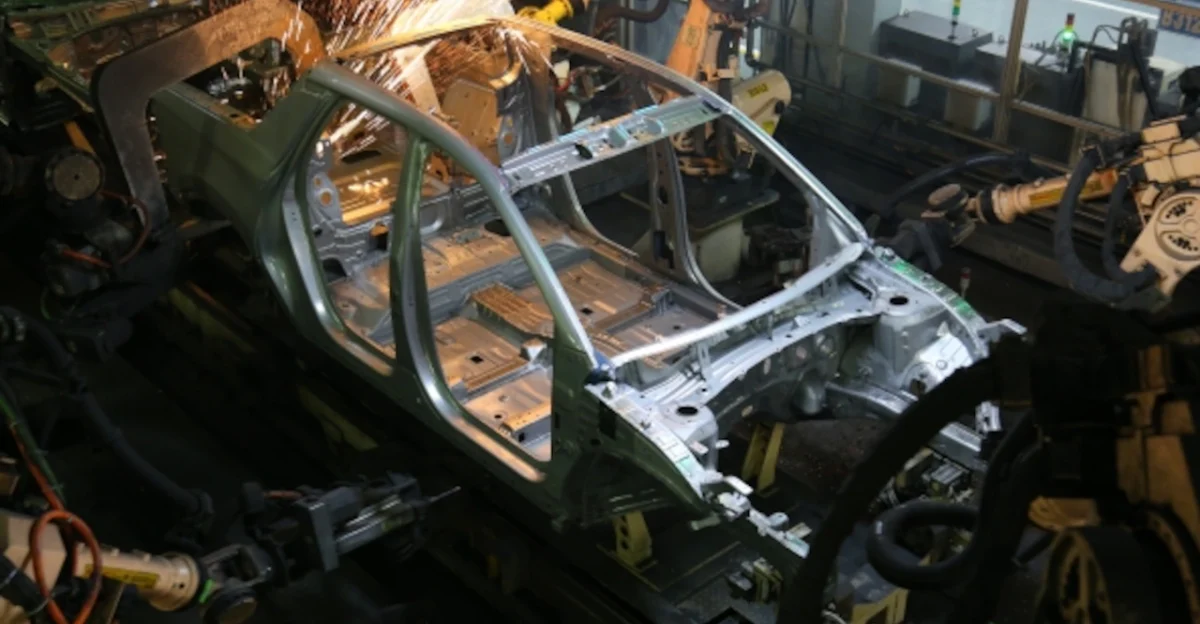
Shinhwa’s play flips fifty years of manufacturing logic. A Korean parent company acquired an Italian toolmaker and relocated that expertise to rural Alabama to serve American OEMs building electric vehicles. Manufacturing traditionally chases the cheapest labor. Shinhwa chased the most precise engineering. Twenty highly skilled positions. Not assembly-line workers. Engineers and technical specialists who design complex aluminum die-casting systems. In the same quarter, General Motors permanently axed just over 1,100 workers at Factory Zero in Detroit. One company expanding. One contracting. Same industry. Opposite directions.
The Hidden Axis
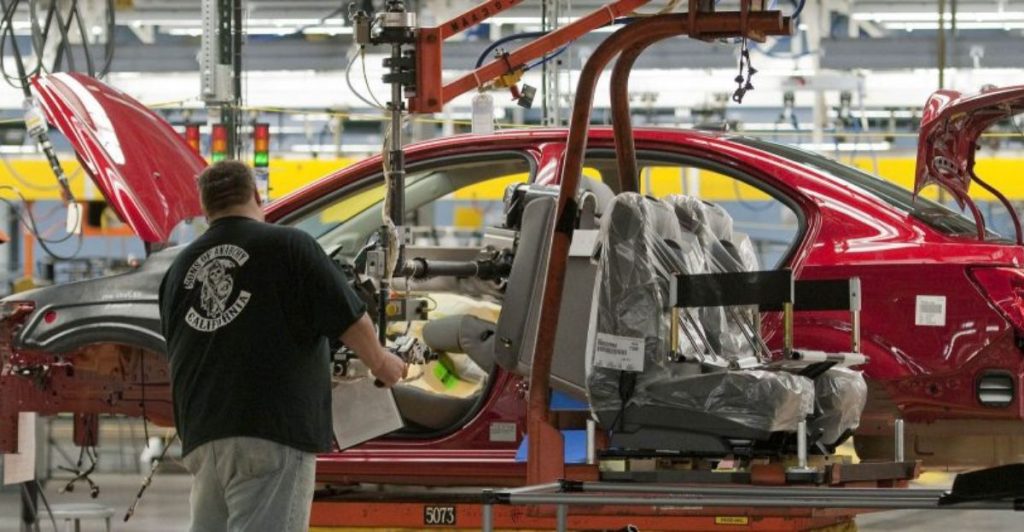
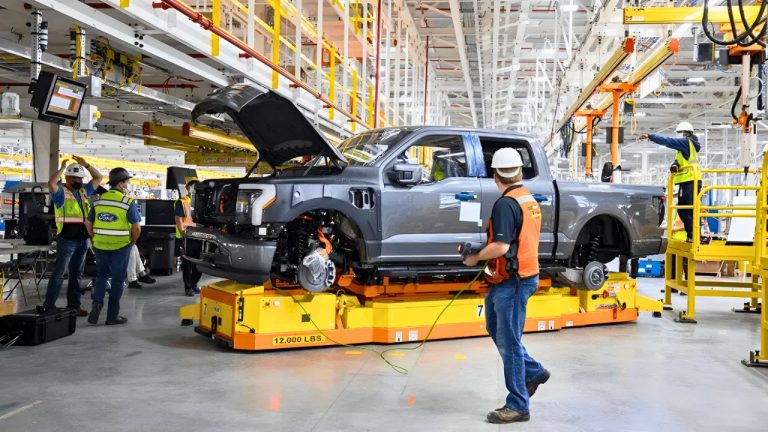
The competitive axis shifted and most people missed it. Cost-per-labor-hour used to decide where factories landed. Now cost-per-precision-unit runs the math. Electric vehicles demand aluminum-intensive components: battery enclosures, structural castings, chassis elements.
More than 20 million EVs were sold globally in 2025, and every one of them needs precision aluminum work that commodity assembly plants cannot deliver. Lee’s quote about “leveraging SAPP’s advanced engineering knowledge” is not corporate filler. It is the entire strategy: buy institutional knowledge you cannot replicate, then localize it next to your customers.
The Numbers
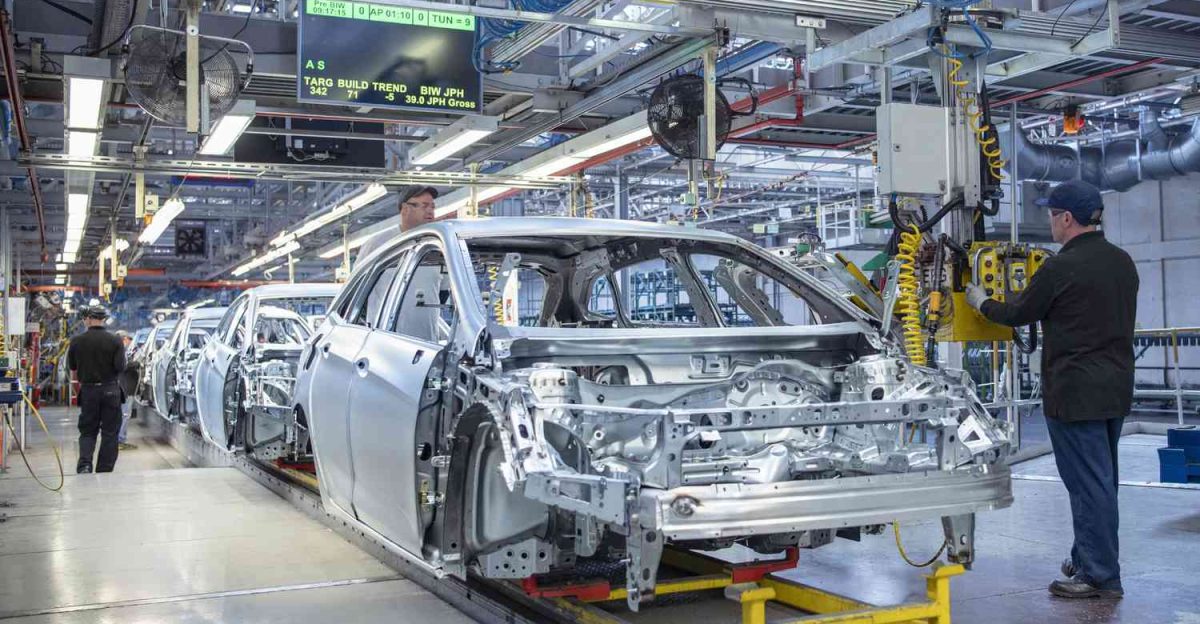
Auburn’s manufacturing sector already employs nearly 5,000 workers across four industrial and technology parks. Alabama fields well over a quarter-million manufacturing workers statewide. Nationally, 244,000 manufacturing jobs were announced through reshoring and foreign direct investment in 2024 alone. Yet net U.S. auto employment stayed flat or declined.
Capital is concentrating in high-skill nodes while traditional assembly hubs bleed headcount. That 20-job announcement from Shinhwa looks tiny next to GM’s 1,100 layoffs. The disproportion is the entire point. Precision manufacturing creates fewer jobs that capture far more margin.
The Ripple
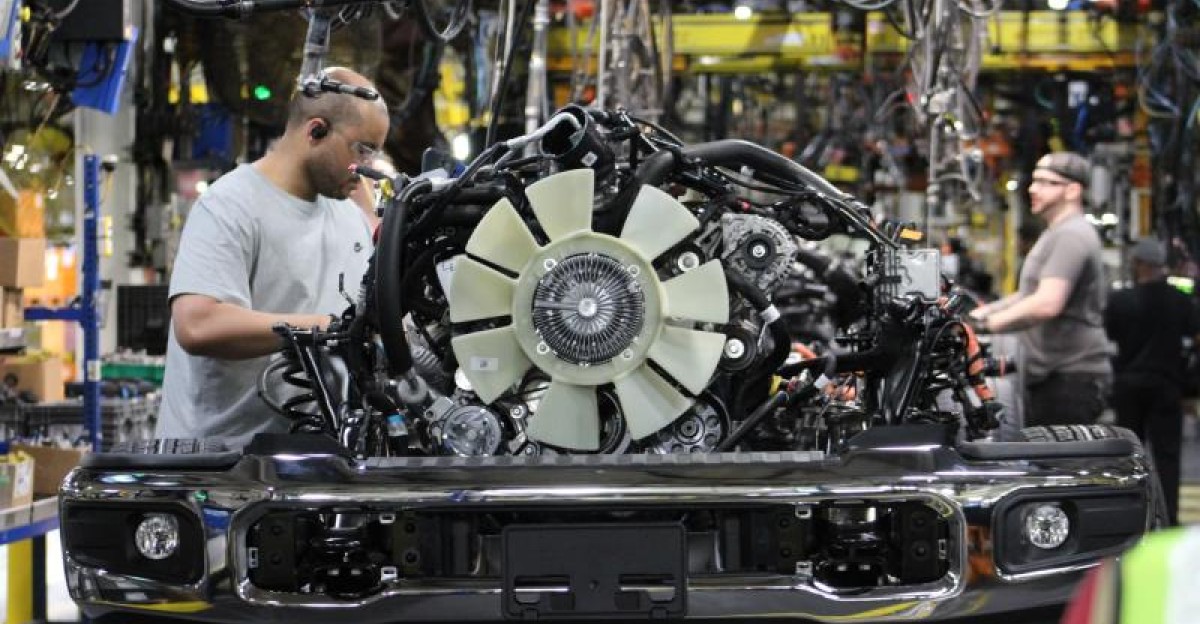
SAPP’s relocation from Italy to Alabama does not stay local. European precision-tooling firms that serve OEM supply chains now face a choice: establish North American footholds or accept margin compression as clients follow Shinhwa’s model.
Auburn Mayor Ron Anders said the city is “fertile ground where businesses thrive.” What he means is that every anchor tenant like Shinhwa pulls follow-on Tier-2 suppliers into the cluster. Auburn’s four industrial parks become self-reinforcing. The engineering talent concentrates. The OEM relationships deepen. And the regions without that ecosystem fall further behind.
The New Rule
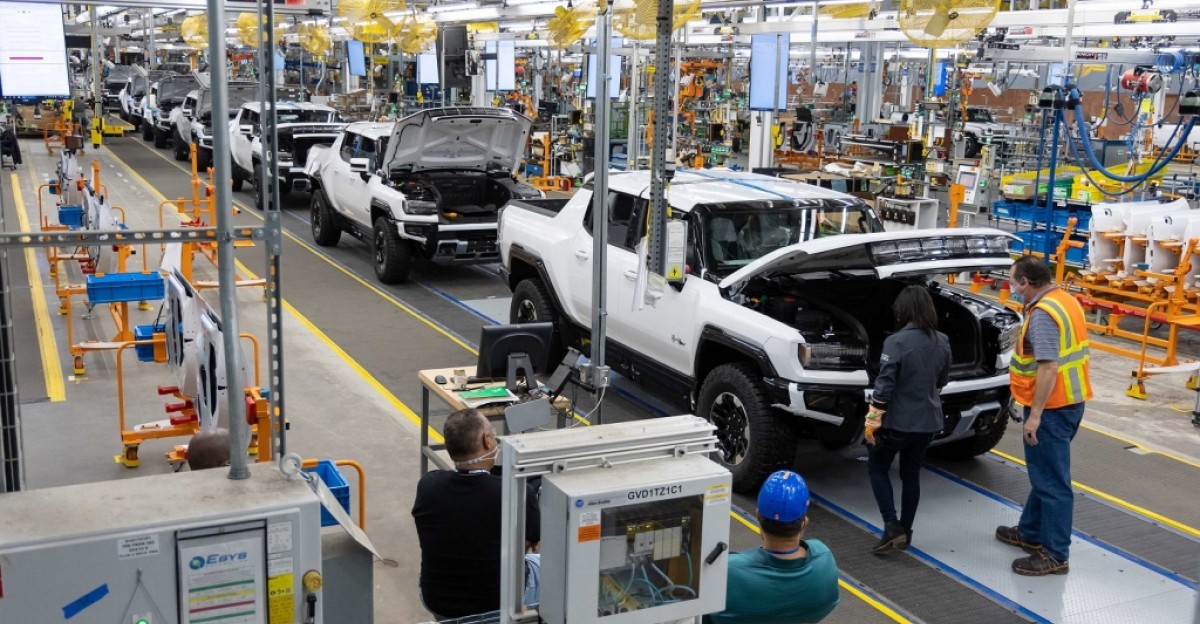
Factory Zero was supposed to be GM’s flagship EV facility. Promoted around 2021 as the future of American electric vehicles. By January 2026, about half its workforce was gone. Shinhwa, meanwhile, timed its expansion against an industry running at roughly 70% capacity utilization.
Counter-cyclical investment during a contraction is not optimism. It is a bet that the bottleneck has permanently moved upstream, from assembly to precision components. This is not an exception. It is the new architecture: Tier-1 suppliers capturing the margin that OEMs can no longer hold.
The Fault Line
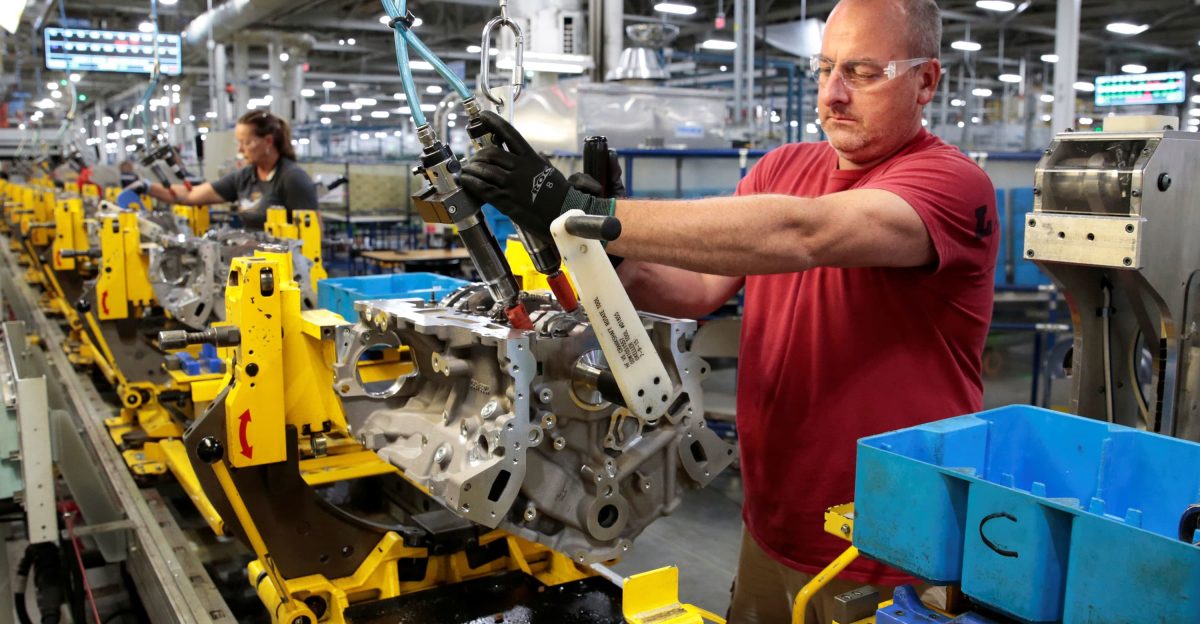
The geographic split is hardening. Legacy auto regions built around assembly, Detroit, Toledo, St. Louis, face structural contraction with no precision supply-chain ecosystem to replace what they are losing. Greenfield regions with OEM anchors, Alabama, Tennessee, Georgia, attract the capital.
Shinhwa’s $151 million in recent Auburn expansions sits inside that pattern. Construction on the new tooling facility is slated to be completed by the end of 2026, with operations ramping soon after. Tariff shifts, EV adoption slowdowns, or workforce pipeline failures could derail the timeline. Eighteen months of execution risk stand between announcement and payoff.
The Wager
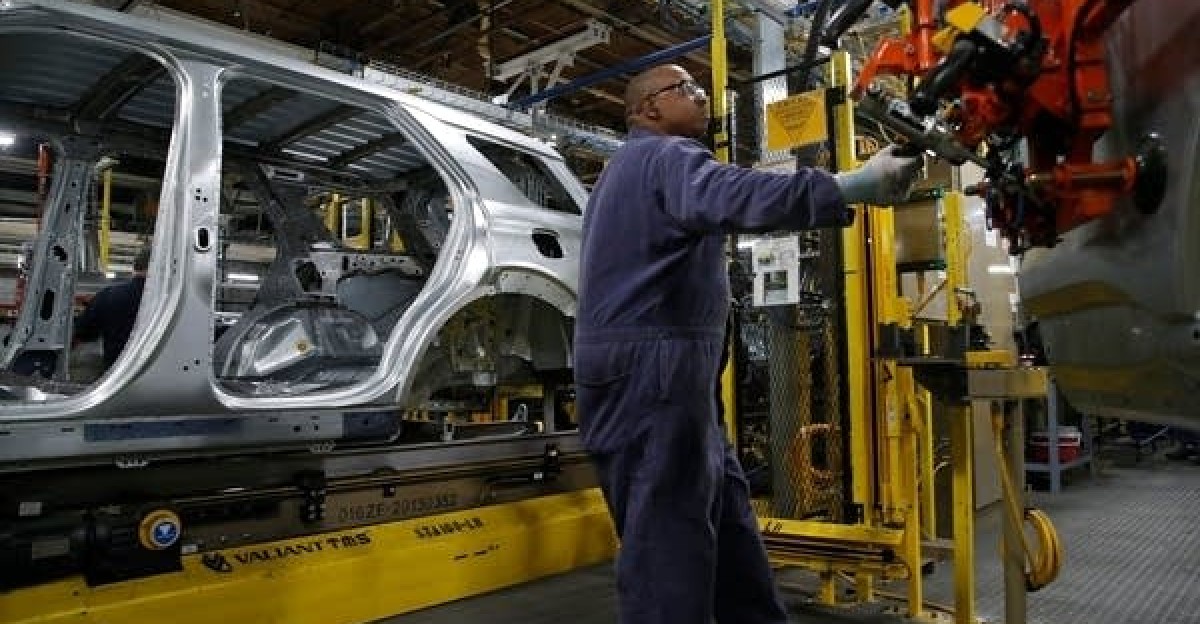
Michigan-based Tier-1 suppliers are already scrambling to match what Shinhwa built: precision capability clustered near OEM assembly. Mexican suppliers may counter by acquiring their own European toolmakers. The three-region race for global OEM contracts, North America versus Europe versus Mexico, is accelerating. Most people still think U.S. auto manufacturing is one story. It is two.
One economy runs on surplus assembly capacity and shrinking headcount. The other runs on precision engineering, vertical integration, and $151 million bets on places nobody expected. Auburn, Alabama, just picked its side.
Sources:
Open Line Auburn, “Shinhwa announces $37 million expansion in Auburn,” City of Auburn, Ala., March 2, 2026.National Today, “Shinhwa Plans $37 Million Expansion in Auburn,” March 3, 2026.
Expansion Solutions, “Shinhwa Expands Auburn Operations with $37M Investment,” March 3–4, 2026. Alabama Political Reporter, “Auto parts maker Shinhwa plans $114 million Alabama expansion,” Aug. 15, 2023. UAW, “Unlocking the Potential of U.S. Auto Manufacturing Capacity,” white paper, April 29, 2025.
Reshoring Initiative, “Reshoring Initiative 2024 Annual Report Including 1Q2025 Insights,” June 8, 2025. General Motors layoffs coverage, “General Motors invoking 1,140 layoffs at Detroit’s Factory Zero,” CBS News Detroit / local Detroit media, Nov. 24–25, 2025.