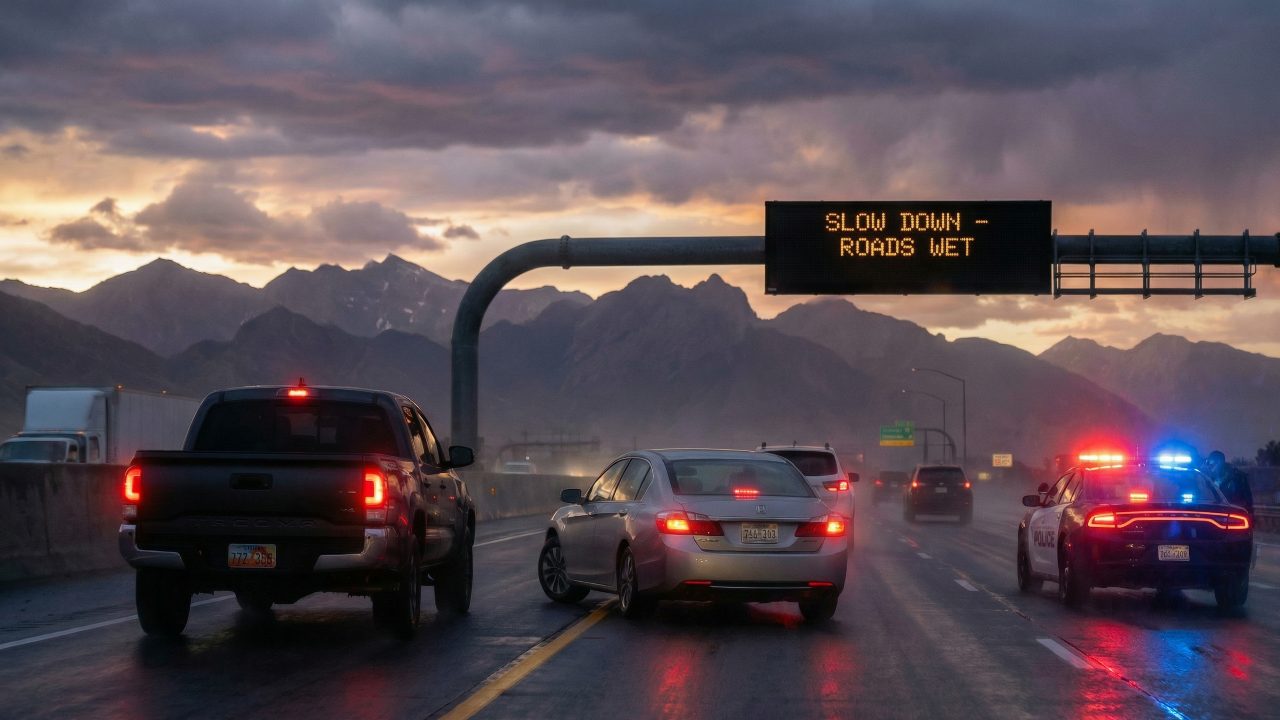
Utah Ranks 3rd Worst Drivers In America As Teen Deaths Surge 72%
Utah now ranks third worst in America for driving incidents, with 54.6 per 1,000 drivers, trailing only North Dakota and New Jersey, according to LendingTree’s 2025 analysis. And here’s what makes the number sting: overall traffic fatalities dropped to 264 in 2025, a six-year low. But that declining total hides something ugly. Teen driving deaths surged 72% in a single year, from 18 to 31. The “safest year” is a mirage.
Behavioral Engine
The cause behind Utah’s crisis lies in one statistic: 96% of road fatalities stem from behavioral choices. Speeding. Impairment. Distraction. Aggression. Not potholes, not weather, and not mechanical failure. UDOT Region 3 spokesman Wyatt Woolley put it plainly: drivers are “doing something that they kind of made a choice, that if they had chosen to do the right thing, then it probably wouldn’t have happened to begin with.” Speeding alone caused 35% of fatal crashes in 2025. That behavioral engine powers every ripple that follows, and no law has shut it off.
Teen Toll
The most direct hit lands on families. Teen drivers make up 9% of licensed drivers in Utah but account for 21% of all crashes and 28% of serious injury crashes. In 2025, 31 teenagers died on Utah roads, up from 18 the year before. That 72% spike happened while the overall count fell. Think about what that means for a parent sending a 16-year-old out on I-15: the roads got statistically “safer” for everyone except the kid behind the wheel.
Insurance Squeeze
Businesses absorbed the shockwave fast. With 54.6 incidents per 1,000 drivers, insurance companies may reprice Utah risk. Young drivers and motorcycle riders face the steepest premium increases. The math is brutal: motorcycle crashes are 13 times more likely to kill than other traffic accidents, and insurers price lethality. Ride-sharing companies may tighten driver age and experience requirements. The ranking didn’t just embarrass Utah. It repriced the cost of driving there for everyone under 25.
Motorcycle Explosion
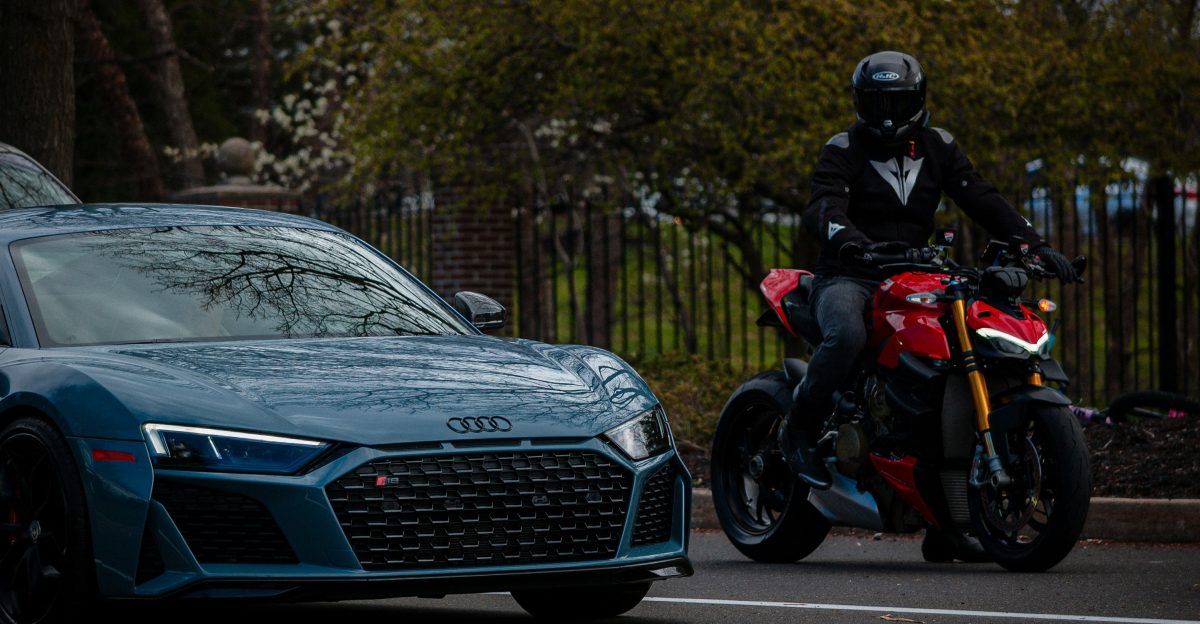
Motorcycle deaths jumped 32% in a single year, from 53 in 2024 to 70 in 2025. That 2024 number was already a 15-year high. And here’s the part that breaks the assumption that bad weather causes crashes: 94% of motorcycle fatalities happen in clear conditions. Warmer winters extended the riding season, which sounds like good news until you realize more months on the road means more exposure to the same aggressive driving culture killing everyone else. Good weather became a death multiplier. Nobody in the safety office budgeted for that.
Hidden Mechanism
Every one of these ripples traces back to the same structural failure. Politicians measure success on aggregate totals. Total fatalities dropped, so the system declared victory. But aggregation hides demographic acceleration. Teens surging 72%. Motorcyclists are surging 32%. Road rage fatalities are nearly doubling from 14 annually to more than 25. Enforcement increased: 9,279 road rage citations between 2023 and 2025. Fatalities kept climbing anyway. Aggregate number drops. Subcategory numbers spike. The system rewards headline wins over targeted intervention. Same mechanism, every vulnerable group, identical blind spot.
Preventable Loss
UHP Sgt. Mike Alexander said it directly: “The reality is that these tragedies are preventable. When we commit to driving focused, alert, sober, and calm. And when we ensure every person in the vehicle is buckled up, we aren’t just following the law; we are actively saving lives.” Preventable. That word carries weight when 31 teenagers and 70 motorcyclists died in a year the state celebrated as safe. Males aged 21 to 39 account for 66% of impaired driving crashes. The profile is known. The deaths keep coming.
Law After Fire
Utah passed the state’s first road rage enhancement law through House Bill 30, which took effect in the summer of 2024. Road rage fatalities had already doubled from their historical baseline before the bill reached the governor’s desk. Between 2020 and 2024, Utah logged 3,899 road rage crashes resulting in 116 fatal outcomes and 133 deaths. The law arrived after the crisis had metastasized. Other states now study HB 30 as either a template or a cautionary tale about reactive policy dressed as prevention.
Winners and Losers
The losers are obvious: teenagers, motorcyclists, and the families absorbing funeral costs and lifetime disability bills. The winners are quieter. Politicians claimed a legislative victory. The media ran the “lowest fatalities since 2019” headline without digging into subcategories. Insurance companies used the aggregate decline to manage public perception while quietly raising premiums on the demographics actually dying. Motorcyclists now face potential regulatory backlash: mandatory training, age restrictions, and liability increases. The people paying the highest price get the least protection.
Unfinished Cascade
Utah County’s population will double by 2065. The state already faces a $5.1 billion transportation funding gap. More drivers on the same roads, governed by the same aggressive culture that produces 54.6 incidents per 1,000 drivers. Motorcycle advocates will resist restrictions through libertarian framing. Parents will resist tighter teen licensing. And enforcement without culture change has already proven it doesn’t bend the curve. The cascade from this ranking reaches your insurance bill, your kid’s commute, and your riding buddy’s next season. None of it is finished.
Sources:
“UDOT and DPS release 2025 statewide traffic fatality numbers.” Utah Department of Transportation / Utah Department of Public Safety, 5 Jan 2026.
“Teen, motorcycle fatalities on Utah roads soared in 2025, while overall deaths dropped.” Fox 13 (KSTU), 6 Jan 2026.
“Utah traffic deaths fell in 2025, but fatal crashes for teens and motorcyclists rose.” Deseret News, 6 Jan 2026.