Finnish Engineers Create ‘Impossible’ Temperature-Sensing Tire That Thinks For Itself
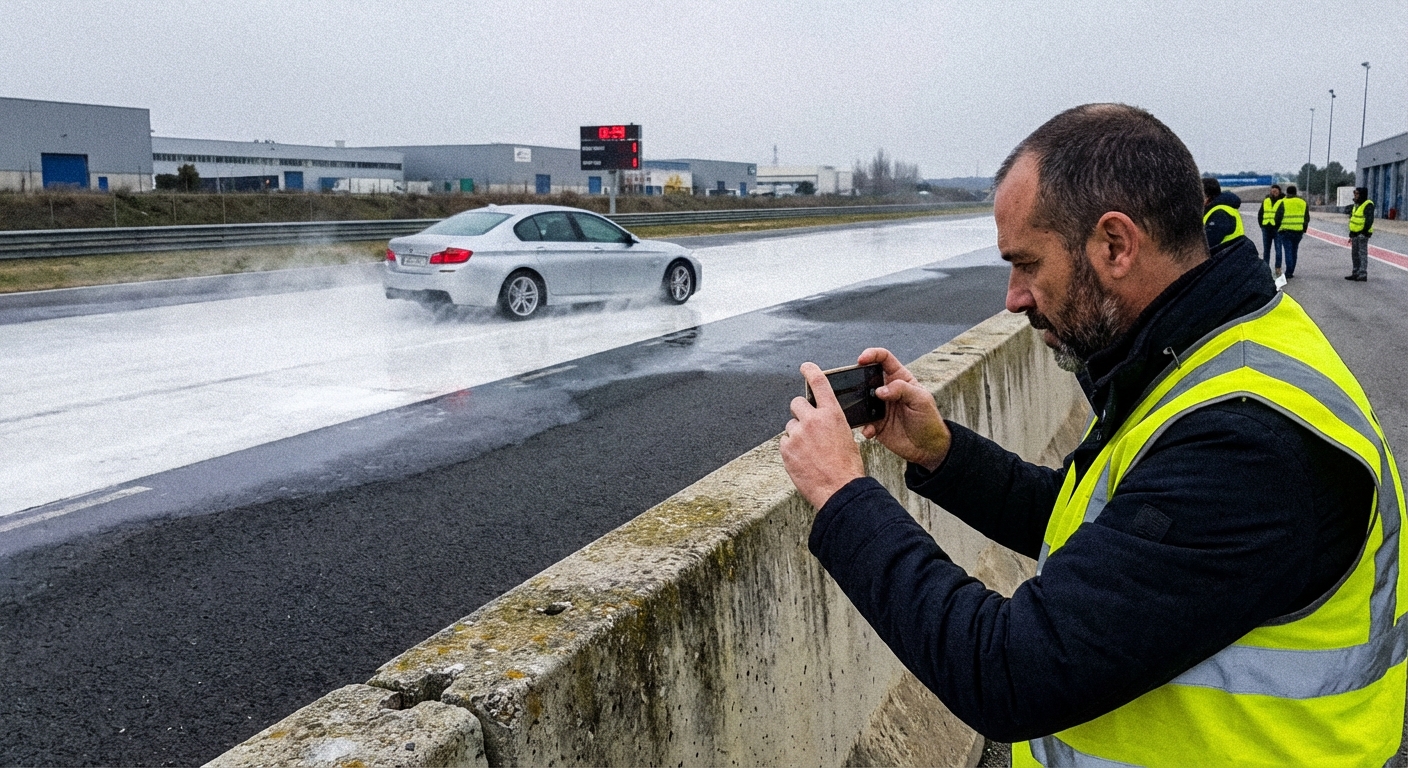
Somewhere above the Arctic Circle, on a frozen test track carved into 700 hectares of Finnish wilderness, a tire rolled across ice at 23 degrees below zero. Its tungsten carbide studs bit hard into the surface. Then the temperature climbed. And without a single electronic sensor, without a button press, without anyone touching anything, those same studs quietly sank back into the rubber. No driver decided that; the tire did. Nokian had been chasing this moment across 2 million kilometers of testing.
Ninety Years
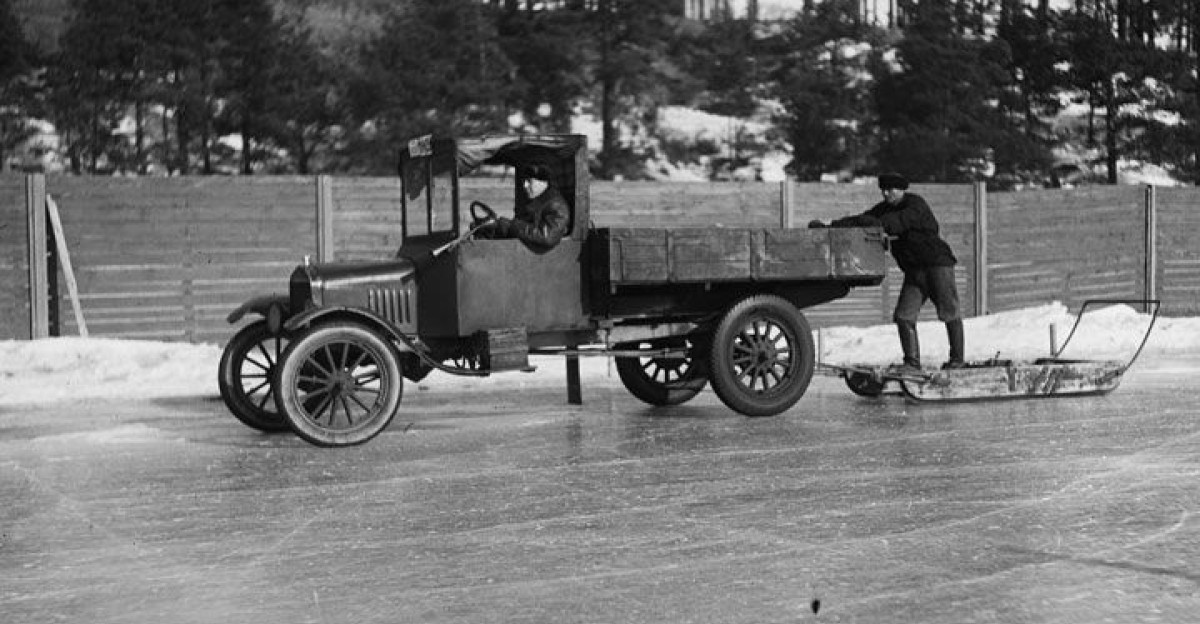
Nokian Tyres invented the winter tire in 1934. Introduced the Hakkapeliitta brand two years later. For nine decades, every studded tire on earth operated the same way: studs out, all the time, whether the road was a sheet of ice or dry pavement in warmer conditions. Drivers accepted the tradeoff. Studs meant safety on ice and chewed-up asphalt everywhere else. That binary choice defined the entire category. Nokian announced a concept to break it back in 2014, using a button-activated retractable stud. Then the concept vanished for years.
The Real Problem
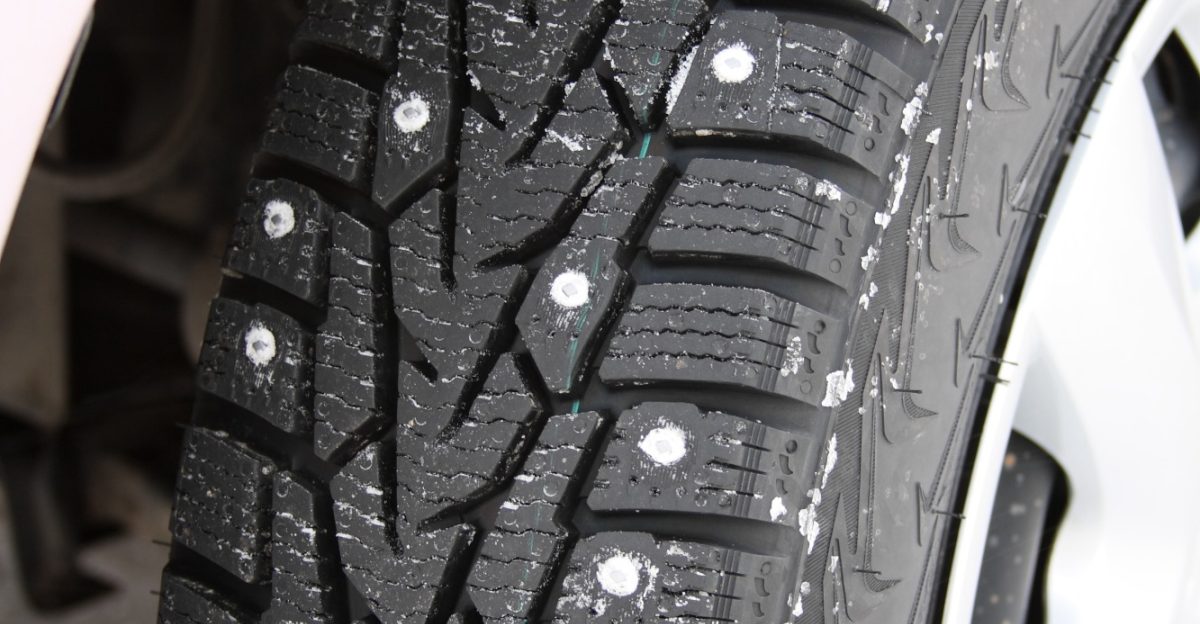
The assumption was always that drivers wanted better studs. Grippier compounds. Harder carbide. Nokian’s own development manager, Mikko Liukkula, quietly killed that assumption: winter conditions, he said, are “less predictable than ever.” Temperature swings of 22 degrees Fahrenheit within a single day are now routine in Nordic and North American winters. Fixed studs cannot adapt to that volatility. Meanwhile, European and North American regulators tightened restrictions on studded tires because of road damage. The pressure came from both directions at once, and consumer preference had nothing to do with it.
The Crack
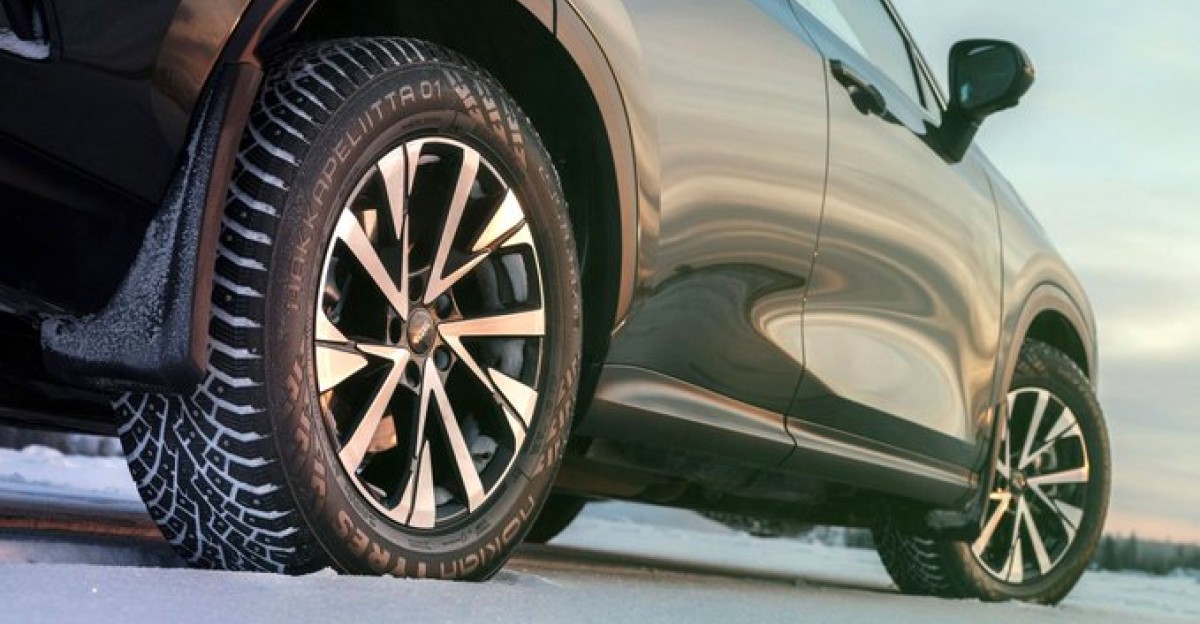
CEO Paolo Pompei declared on March 2, 2026, that the Hakkapeliitta 01 “achieves what was previously thought impossible.” Twelve years of development. Thousands of prototypes destroyed. Ten patent applications filed for a single reactive compound 2.5 millimeters thick. At minus 5 Celsius, it stiffens, pushing studs into full engagement. Above 5 degrees Celsius, it softens, pulling them back. No app. No wiring. No driver input. The “impossible” breakthrough was really a 12-year grind through material science nobody wanted to talk about.
Rubber Intelligence
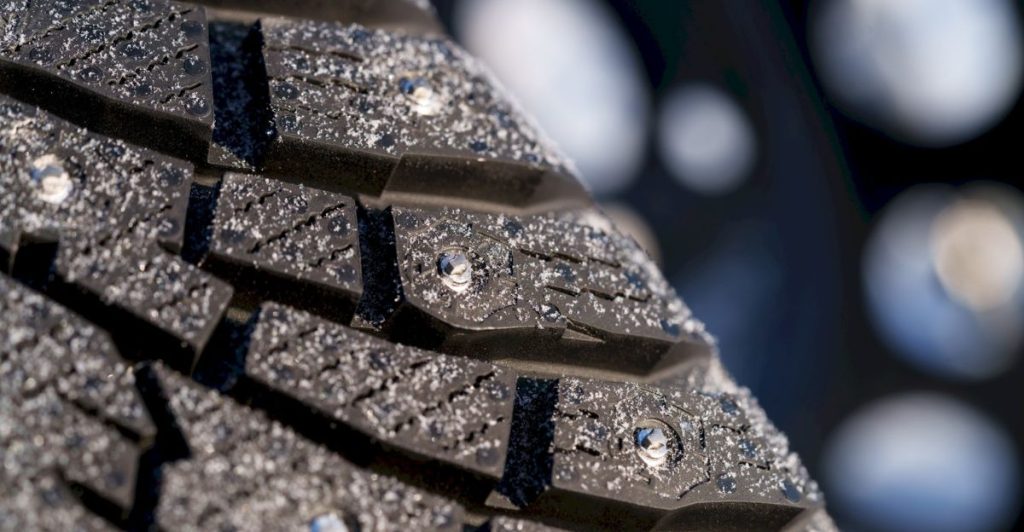
Each tire carries approximately 120 tungsten carbide studs (some sources cite up to 220), every one responding independently to the temperature of the surface beneath it. The compound is both a sensor and an actuator. It detects thermal conditions through molecular response and physically changes the stud protrusion based on what it finds. That is the automotive equivalent of a thermostat with no circuit board, no wiring, no programming. The intelligence lives in the rubber itself. Nokian abandoned the 2014 button concept because passive systems never forget, never malfunction, and never need a driver to remember.
The Numbers
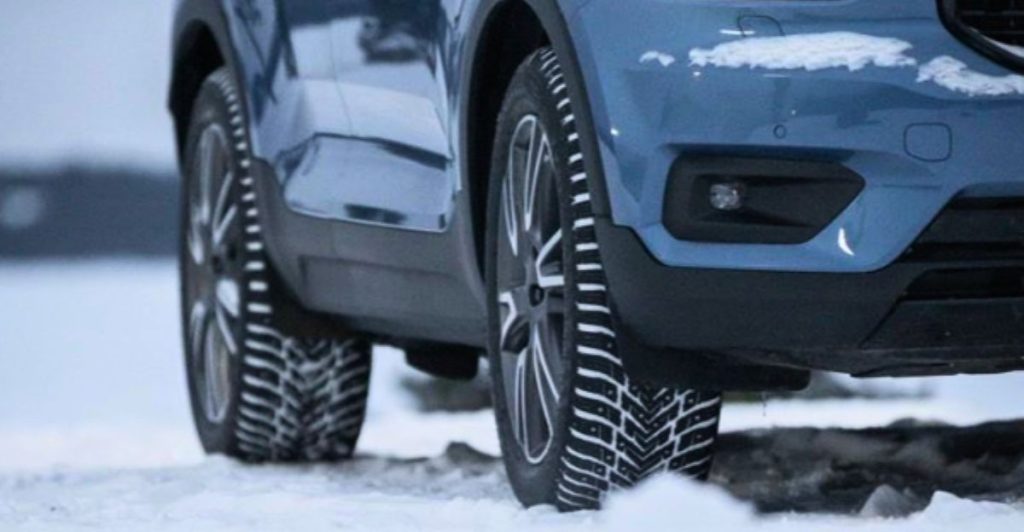
Against its predecessor, the Hakkapeliitta 10, the new tire cuts road wear by up to 30 percent. Ice grip improves by up to 10 percent. Wet grip gains up to 5 percent. Noise drops by 1 decibel between 37 and 62 mph. Those numbers sound modest until you realize that 30 percent less road damage is the difference between a studded tire getting banned and getting approved. Nokian filed 10 patents to protect the compound. The tire is available in 124 size variants covering 14-inch to 22-inch fitments.
Ripple Effect
If adoption scales, road maintenance budgets across Nordic countries and northern U.S. states could see real relief from reduced pavement damage. Competitors now face a brutal timeline: Michelin, Bridgestone, Continental, and Pirelli must reverse-engineer a reactive compound or develop alternatives, knowing Nokian spent 12 years and filed 10 patents building a moat. Dealers begin ordering in May 2026. The autumn launch targets the exact markets where regulators have been squeezing studded tires out of existence. Nokian built a tire that could reopen those closed doors.
New Rule
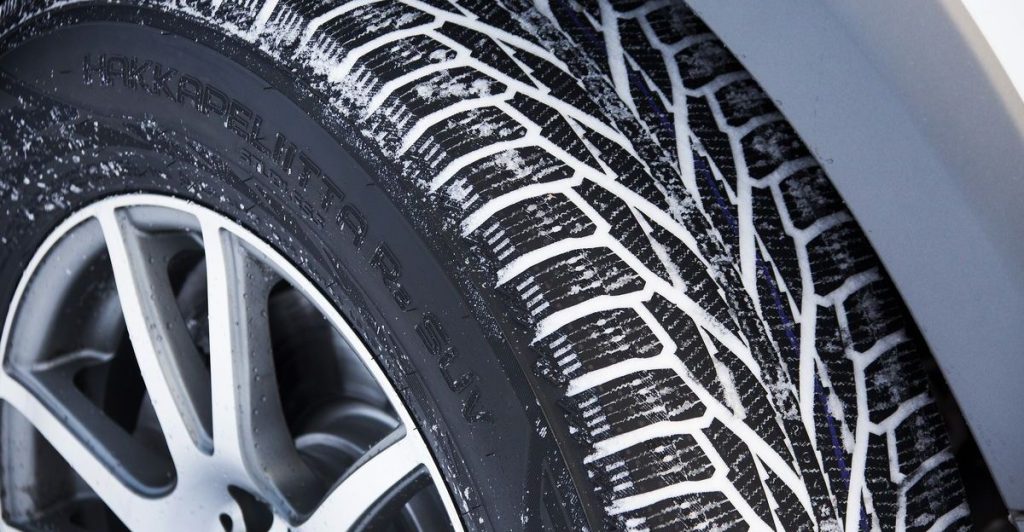
This tire carries both the Three-Peak Mountain Snowflake symbol and the Ice Grip certification, meaning it brakes 18 percent better on ice than the reference standard. No other studded tire combines that certification with adaptive on-demand stud engagement. The precedent matters more than the product. If regulators begin requiring demonstrable temperature-responsive behavior rather than static performance specs, the Hakkapeliitta 01 becomes the benchmark every competitor must meet. Nokian did not just launch a tire. The company proposed a new regulatory standard with its own product already compliant.
Unstable Winters
Climate models project continued volatility in northern hemisphere winters. If those models hold, the Hakkapeliitta 01 is positioned as the safety-and-compliance leader for a generation. If winters somehow stabilize, it becomes a premium niche product. Nokian bet 12 years and 2 million test kilometers that instability is permanent. Regulators could also tighten further, demanding 50 percent road-wear reduction instead of 30. That would force another innovation cycle sooner than Nokian planned, and the compound’s limits remain untested at that threshold.
The Hedge

The tread compound includes renewable materials: natural rubber, bio resin, oils derived from pine resin, and canola. Production runs at Nokian’s factory in Nokia, Finland, roughly 620 miles south of the Ivalo proving grounds where those prototypes died by the thousands. Every piece of this tire was engineered to answer a question most drivers never asked, because the question came from regulators and weather patterns, not from customers. Knowing that reframes every “breakthrough” tire you will see for the next decade. The real product is a climate hedge wrapped in rubber.
Sources:
“A New Era of Winter Driving Begins: Nokian Tyres Launches Entirely New Type of Studded Winter Tire That Automatically Adjusts to Changes in Temperature.” Nokian Tyres / Business Wire, 1 Mar 2026.
“Nokian’s New Studded Winter Tire Can Do Something Amazing.” Car and Driver, 2 Mar 2026.
“Nokian Unveils ‘World’s First’ Temperature-Adaptive Studded Winter Tire.” European Rubber Journal, 2 Mar 2026.