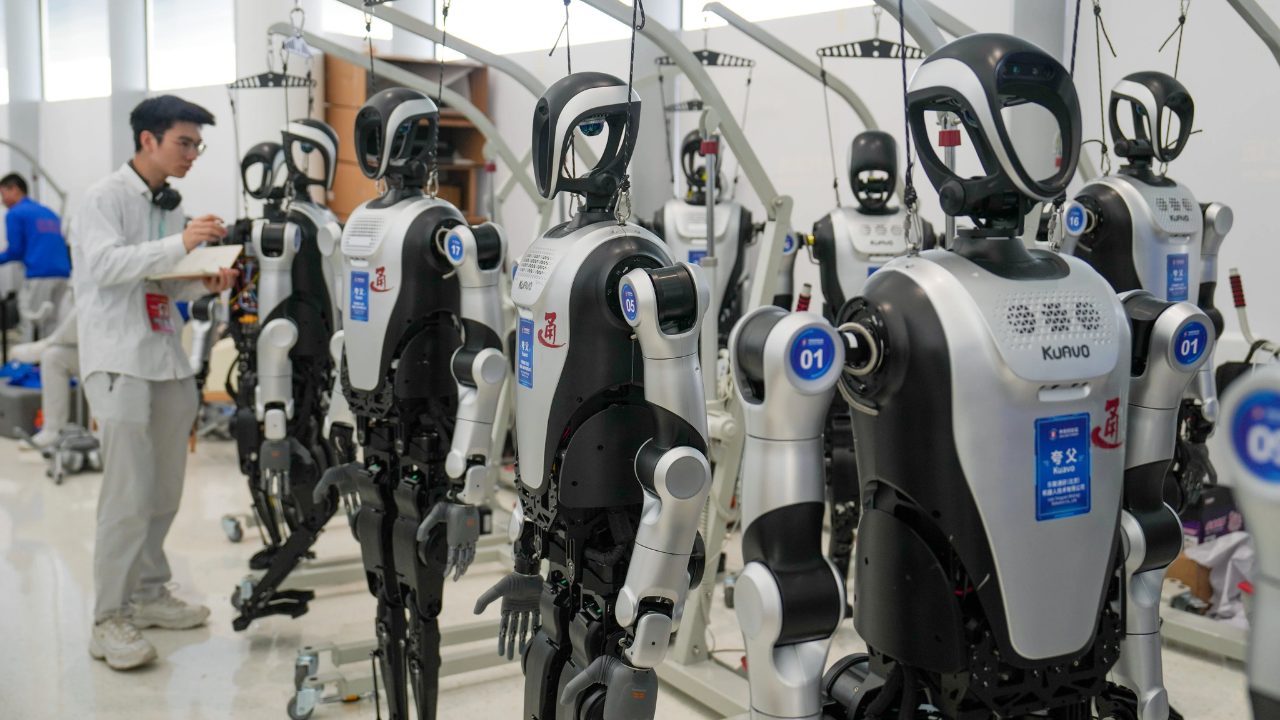
Xiaomi Deploys 90% Accurate Humanoid In Live EV Factory—Tesla’s Robot Still In The Lab
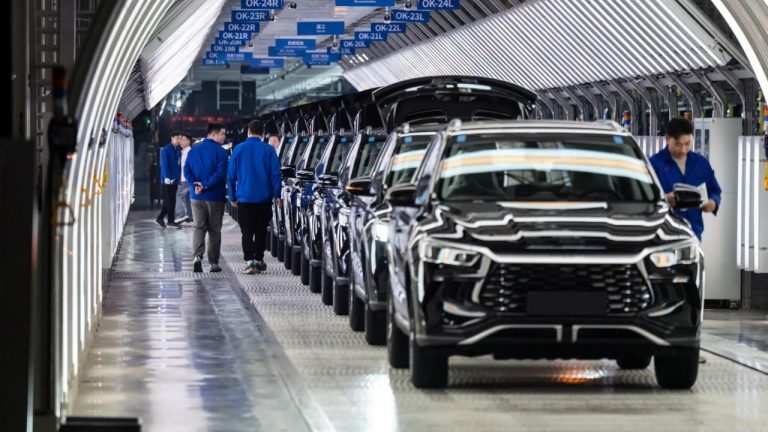
In a die-casting section of a Chinese EV plant, a humanoid robot picked a self-tapping nut from an automatic feeder, set it onto a positioning fixture, and continued working. Operators stayed clear. No emergency stops triggered.
The machine worked with slide conveyors and automated tightening systems, hitting the station’s fastest requirement: one cycle every 76 seconds. Three hours without interruption. Xiaomi announced the results on March 2, 2026. The number from that shift turned the industry’s focus.
Factory Floor Milestone
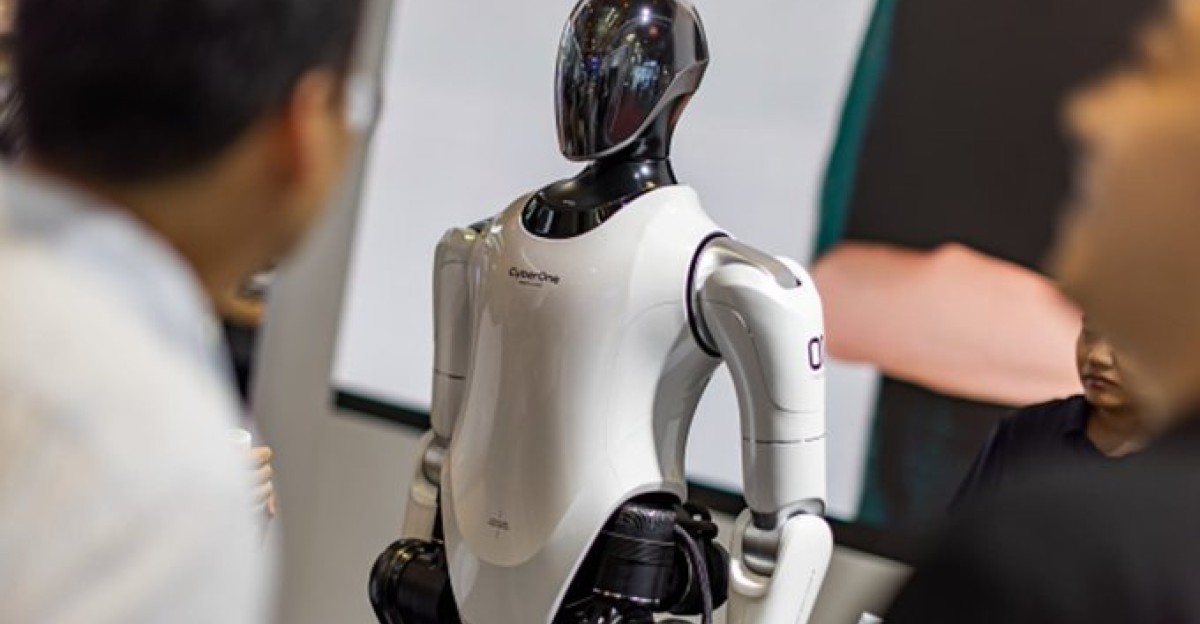
That number: 90.2% success rate on simultaneous dual-sided installation. This marks one of the first documented cases of a humanoid robot reaching near 90% accuracy in real automotive production. No demo, no simulation suite. The robot performed on a factory floor where magnetic interference warps sensor readings and spline structures complicate every grip.
Xiaomi President Lu Weibing confirmed in public remarks that humanoid robots completed a three-hour autonomous run at a self-tapping nut station, handling installation tasks and staying in sync with the line’s 76-second takt time. A phone company set the new benchmark.
The Smartest AI Myth

Observers expected the winner to build the smartest AI: better algorithms, bigger models, faster training runs.
Tesla’s Optimus fit that narrative. Elon Musk promised more complex tasks by year’s end and teased new generations of the robot. During a late-2025 earnings call, Musk warned that the biggest competition in humanoid robots would come from China, pointing to manufacturing strength. “Manufacturing” carried more weight than most realized.
Breaking the Mold
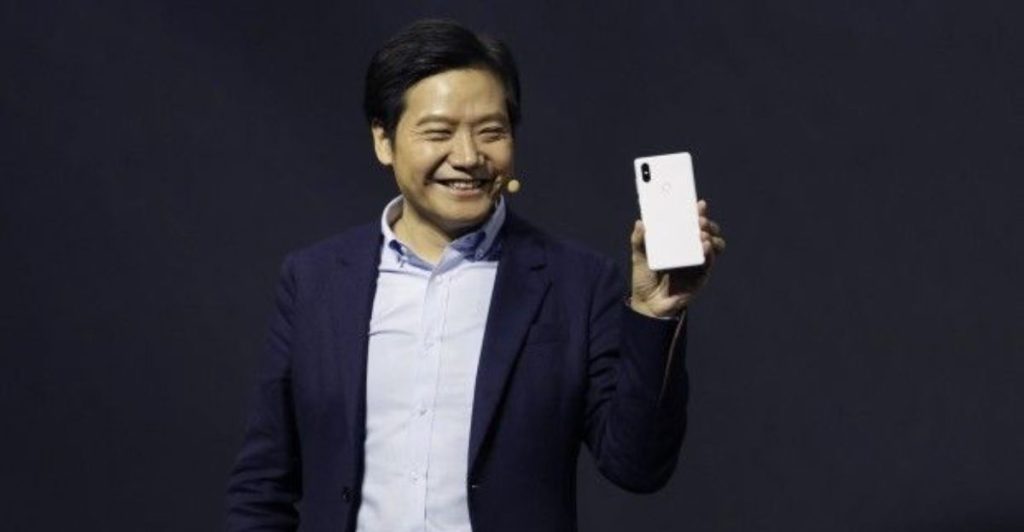
Lei Jun, Xiaomi’s CEO, called his robots “apprentices,” stressing they were still at an early stage and that the company needed to solve engineering problems before discussing disruption. Yet, Xiaomi deployed them in production at 90.2% accuracy during a live factory pilot.
He proposed a 10,000-hour reliability target and outlined a roadmap for deploying humanoid robots at scale across Xiaomi factories over the next five years. The “apprentice” language offered political and regulatory cover. The factory floor revealed the priorities. Xiaomi moved at production speed, not waiting for perfection.
How the Robot Works
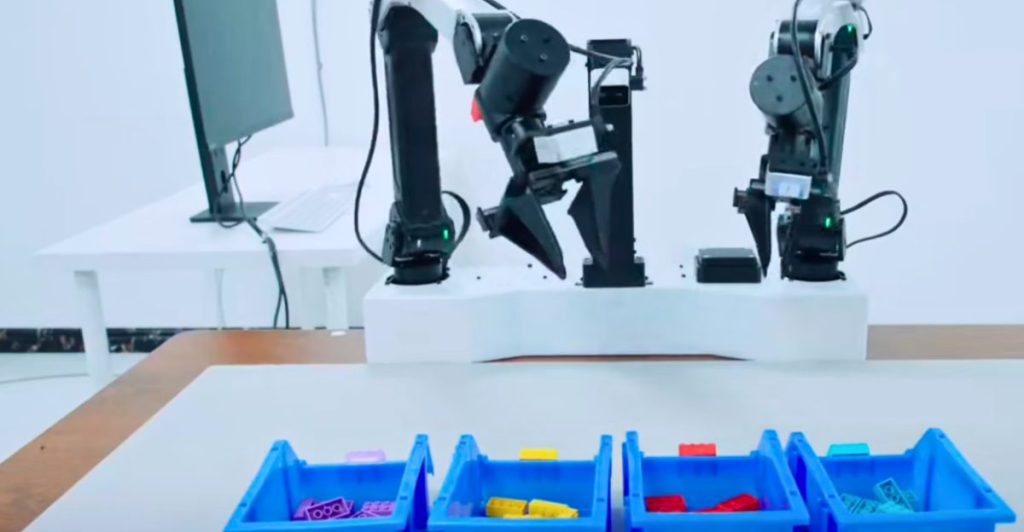
Behind the 90.2% stands a 4.7-billion-parameter Vision-Language-Action model called Xiaomi-Robotics-0. This embodied AI system was trained with reinforcement learning and extensive simulated disturbances. Its hybrid control architecture combines vision, tactile feedback, and joint proprioception to keep the robot stable in noisy industrial settings.
Xiaomi open-sourced the model in mid-February 2026. Two and a half weeks later, it deployed the system in a factory pilot. No competitors have publicly reported using this model in their own production lines. The blueprint alone does not grant an edge; the factory does.
What Funds the Robots
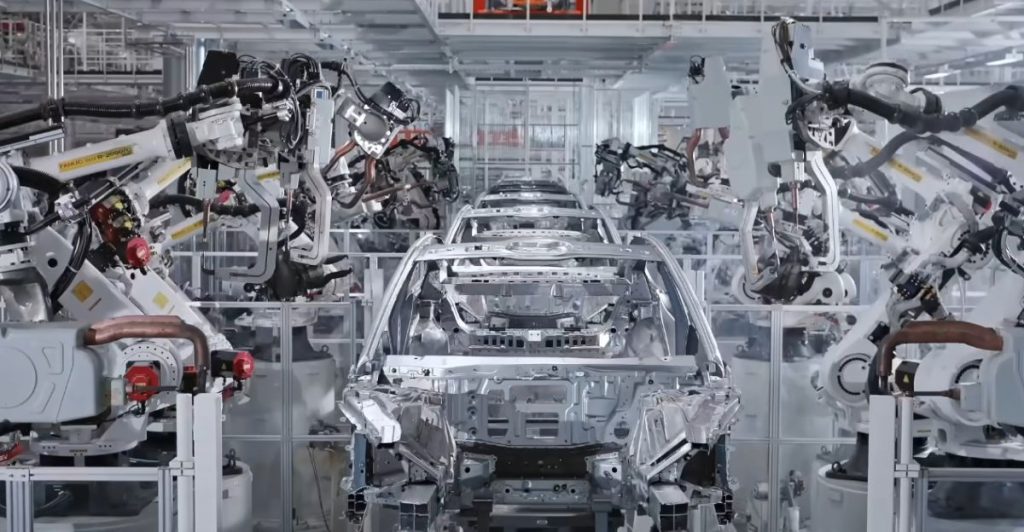
Xiaomi’s Changping dark factory covers about 81,000 square meters, cost around $330 million to build, and runs as a highly automated smartphone plant. Reports put production rates at one smartphone every few seconds, with annual capacity in the tens of millions. That cash flow and automation knowledge fund humanoid R&D without equity dilution or shareholder panic.
Meanwhile, a Xiaomi unit acquired a new land plot in Beijing’s Yizhuang area for about $88 million covering roughly 485,000 square meters, expected to be used for the third phase of its EV factory alongside Phase 1 and Phase 2, which together target several hundred thousand units of annual capacity once fully ramped. One company running multiple revenue engines. Tesla’s Optimus, by comparison, is still a long‑term side bet.
Industry Moves to Catch Up
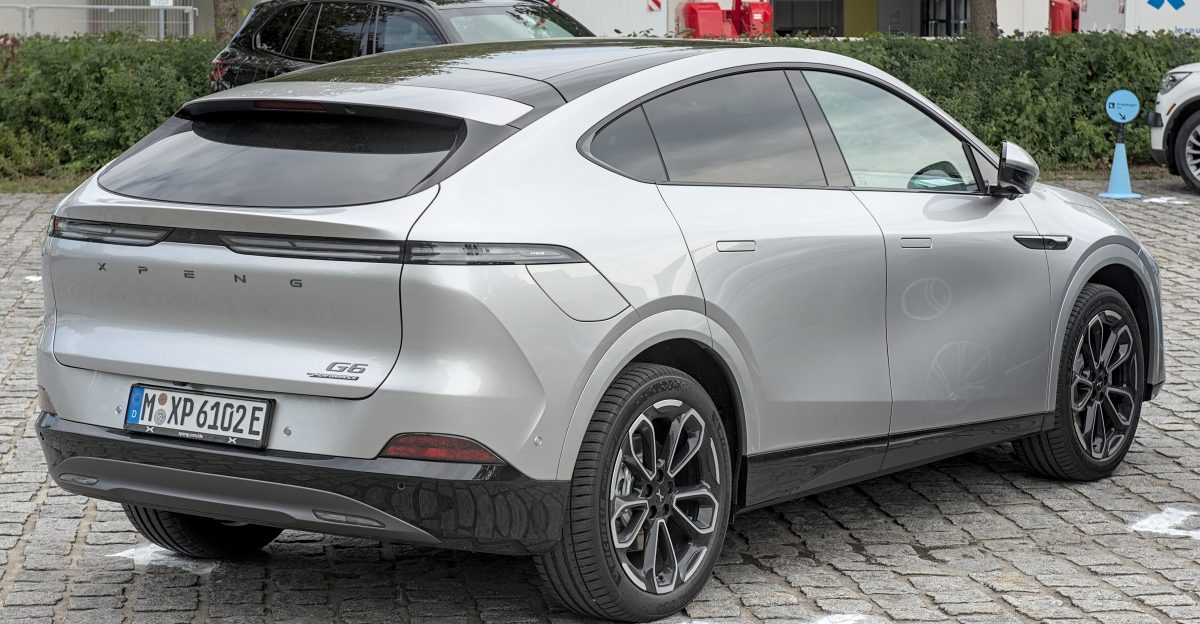
This pressure spreads fast. Xpeng is exploring humanoid robot deployment tied to new facilities in Guangzhou and broader national pushes for embodied AI. UBTech plans to scale from about 500 delivered humanoids in 2025 to as many as 5,000 units in 2026, with a roadmap toward 10,000 units in 2027. Hyundai plans a multi‑billion‑dollar investment in South Korea across an AI data center, robot factory, and hydrogen infrastructure to support its robotics push.
BMW has already begun deploying Figure AI’s humanoid in test production runs at its Spartanburg plant. Mercedes is piloting Apptronik robots in its manufacturing network. Every major automaker now faces the same math: build your own humanoid program or license someone else’s.
The Real Competitive Edge
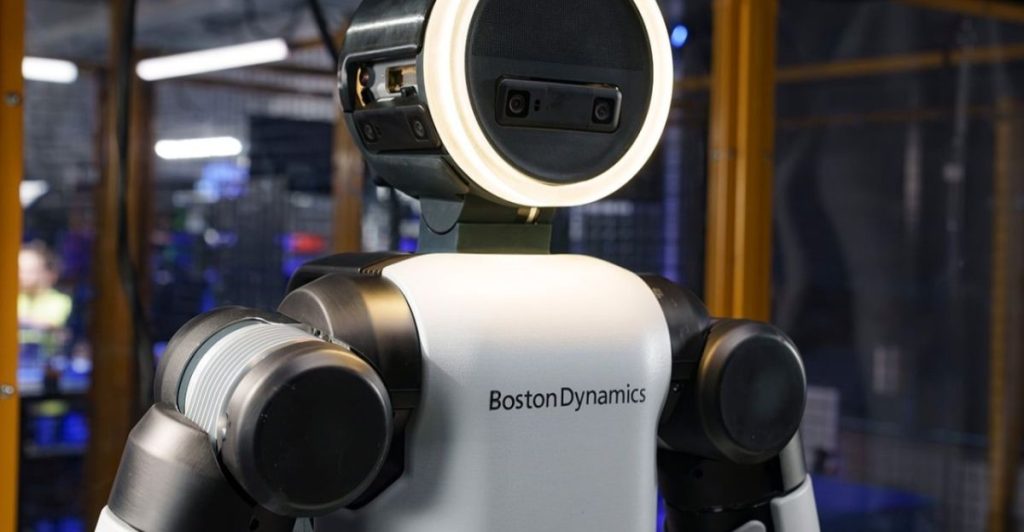
The pure AI arms race is a distraction. Boston Dynamics spent over a decade going from Atlas prototype to electric productization. Xiaomi went from open-sourcing its model to live factory deployment in just a few weeks. The difference comes from scale and integration. Xiaomi can spread humanoid development costs across phones, EVs, factories, and IoT all at once.
Tesla focuses capital on a narrower set of bets, and every quarter without commercialization brings more shareholder pressure. That structural gap shapes the competition. Integration across the ecosystem beats raw innovation speed. After this, every robotics headline lands differently.
How Fast It’s Moving
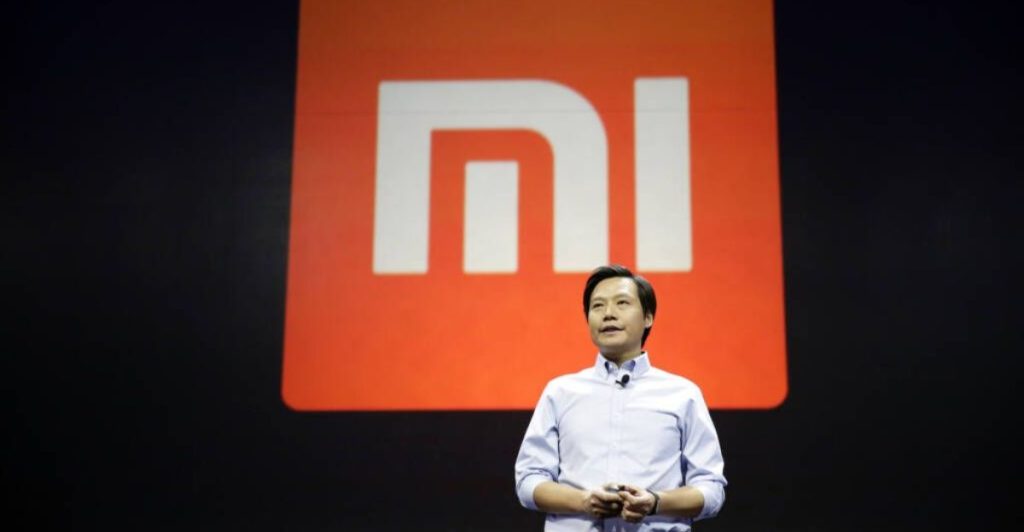
Lei Jun’s multi‑year timeline means roughly 1,500 to 3,000 humanoid robots could populate Xiaomi’s expanded factories by the early 2030s if internal deployment scales as planned. Manufacturing workers in repetitive assembly roles face direct displacement pressure in the late‑2020s window. Morgan Stanley projects the global humanoid robot market will reach roughly $5 trillion annually by 2050, a figure that could rival or exceed the EV market itself.
Policymakers have years, not decades, to prepare workforce transitions. And the reliability target Lei Jun proposed, 10,000 hours mean time between failures, is the kind of benchmark Chinese tech leaders are pushing to hit before the end of this decade.
What the Rivals Will Do
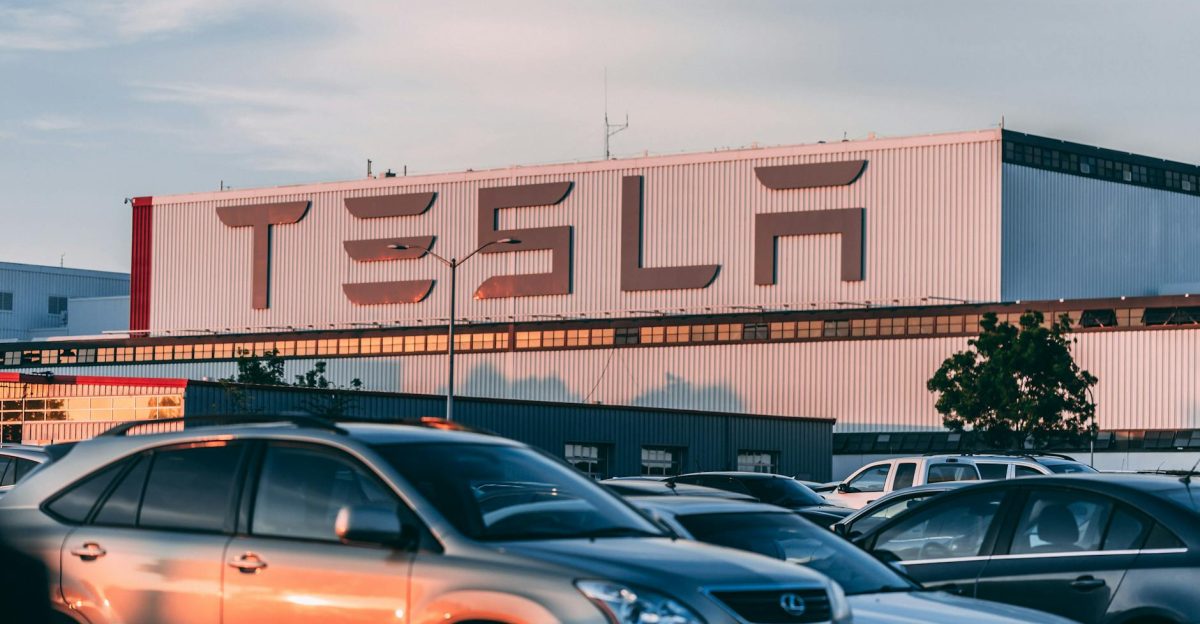
Tesla’s likely response: accelerate Optimus cost‑down toward a mass‑market price point and eventually push into consumer home robots, expanding beyond factory roles. Figure AI and Apptronik will chase niche applications where humanoid form factors offer advantages that traditional robots cannot match.
Unitree will keep undercutting rivals with aggressively priced humanoids. But Xiaomi already operates the template that other mega‑cap conglomerates will copy: patient capital, integrated ecosystems, factory‑first deployment. The race everyone thought was about building the smartest robot just became about who owns the factory it walks into.
Sources:
ChinaEVHome, Xiaomi Humanoid Robot Hits 90.2% Success Rate in Auto Factory Pilot, 2026-03-01
Humanoids Daily, Xiaomi Reports 90.2% Success Rate in Humanoid “Internship” at Beijing EV Factory, 2026-03-02
Interesting Engineering, Xiaomi humanoid robot achieves 90% success in EV nut installation, 2026-03-03
Xiaomi / Xiaomi-Robotics-0 technical release (via Notebookcheck/Yutori aggregation), Xiaomi-Robotics-0 (VLA) — Open-source 4.7B-parameter embodied VLA enabling real-time robotic control, 2026-02-11
Morgan Stanley, Humanoid Robot Market Expected to Reach $5 Trillion by 2050, 2025-05-13
Metrology News, Fully Autonomous ‘Dark’ Smart Factory Runs 24/7 (Xiaomi Changping dark factory coverage), 2024-08-04