Musk’s Tesla Sued As 174,000 Vehicles Trap Children In 104-Degree Heat
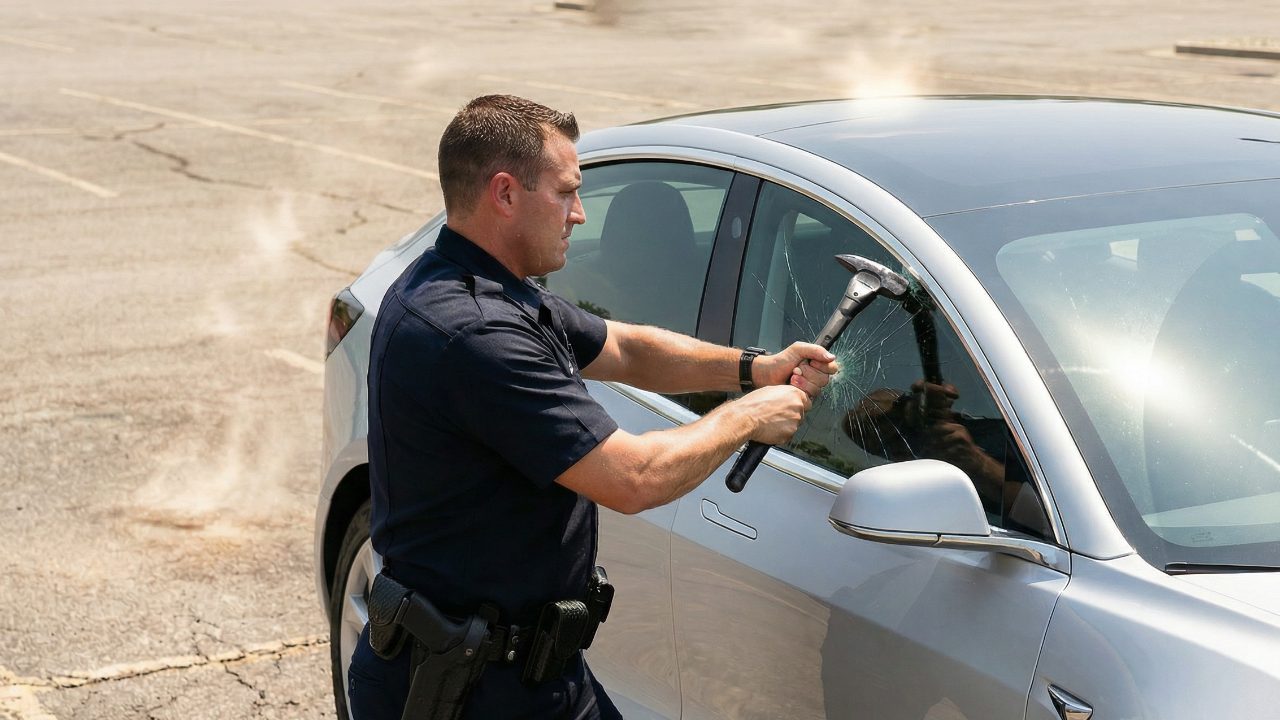
On a hot day in Santa Barbara, a parent watched an infant scream inside a Tesla as the doors failed to open. The 12-volt battery had died, disabling every electronic latch. No exterior manual override existed. Temperatures inside rose past 104 degrees Fahrenheit while the child, strapped in a car seat, sweated and flushed. After thirty minutes, a bystander broke a window. Paramedics described the child’s vital signs as “concerning.” The incident exposed how a single battery failure could turn a high-end vehicle into a dangerous trap.
Growing Pattern
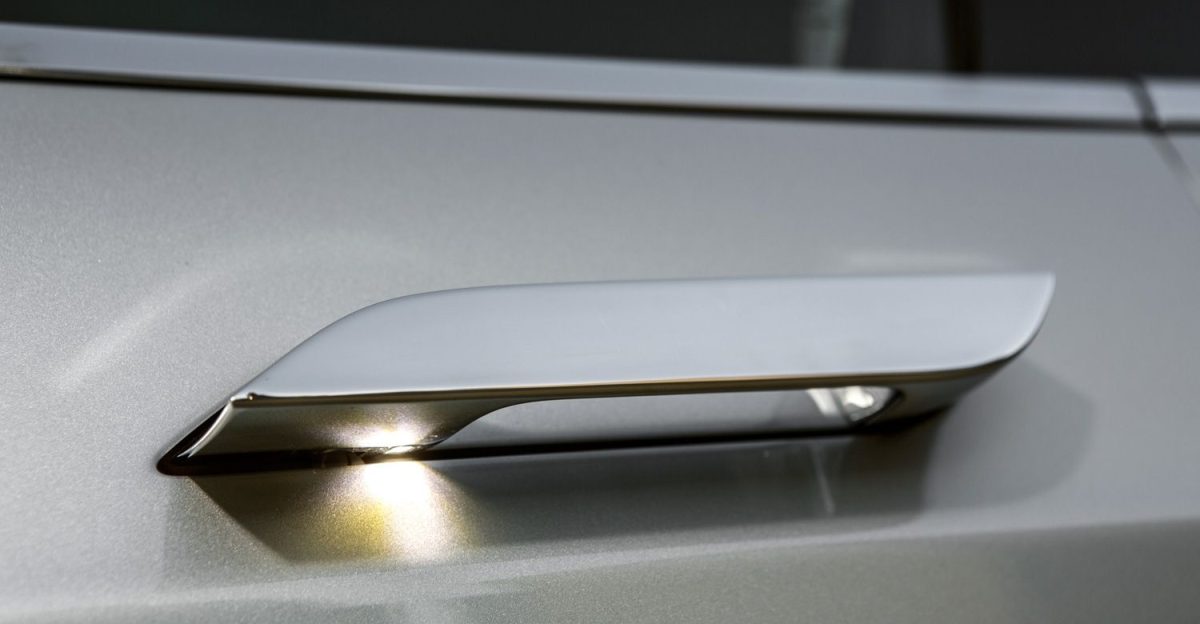
The Santa Barbara event was part of a recurring trend. Bloomberg reported multiple NHTSA complaints since 2018 describing Tesla door handles failing during low-voltage events. Parents had to retrieve children from locked rear seats while police or firefighters smashed windows to rescue them. Complaints involved different models across several years. Each report highlighted that occupants could not locate the emergency release. The accumulation of incidents signaled a systemic problem. The combination of hidden releases and electronic failure created repeated danger. The pattern demonstrated that what appeared isolated was widespread.
Hidden Escape
Manual release cables existed under rear-seat carpeting, but they were unmarked and hidden. Third-party vendors began selling labels to help owners locate these exits. The design turned emergency escape into a puzzle. Tesla’s design chief Franz von Holzhausen remained silent as complaints continued to rise. The obscurity of the system meant safety depended on owner knowledge rather than clear design. Families discovered that survival relied on finding an unlikely cable under the upholstery. Luxury features became a hazard because critical safety information was inaccessible. Awareness of the system lagged behind its risks.
“Virtually Zero”
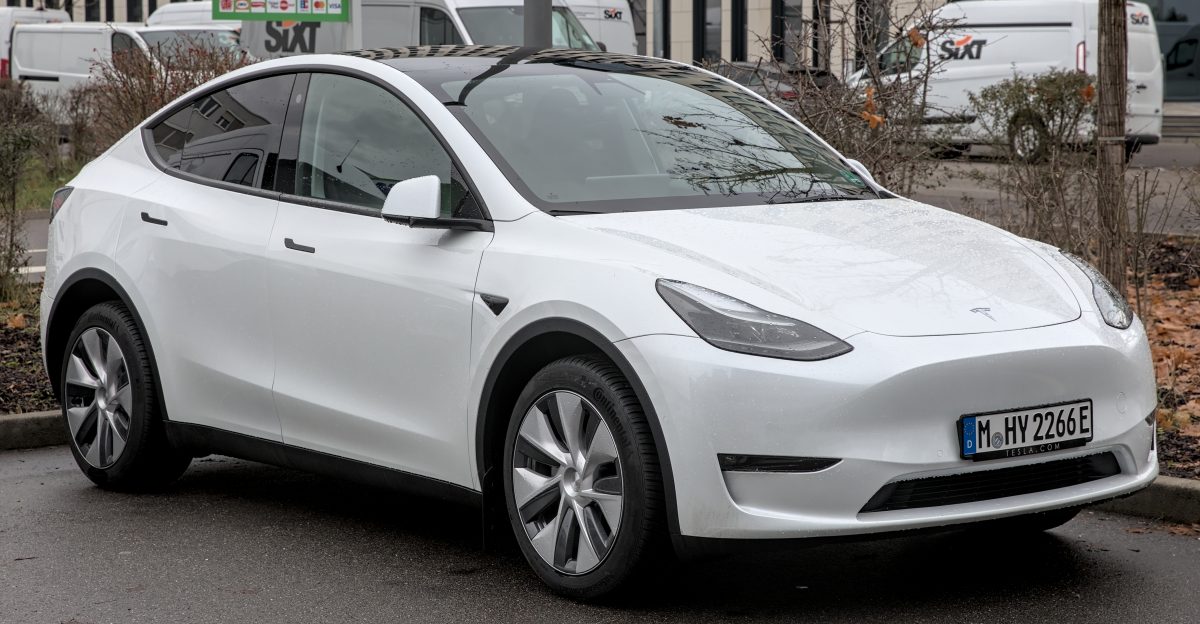
On September 15, 2025, NHTSA opened a preliminary investigation into 174,290 Model Y vehicles after reports of inoperable door handles during low-voltage events. Elon Musk had claimed that incidents had “gone to virtually zero.” Nine complaints triggered the investigation, with seven more arriving within ten days. First responders continued rescuing children from overheated Teslas. Musk’s statement to investors was contradicted by ongoing federal scrutiny. Reports showed that low-voltage failures could trap occupants. The investigation expanded attention to the systemic problem rather than isolated incidents, emphasizing that federal regulators viewed the risk as ongoing and measurable.
Design Flaw
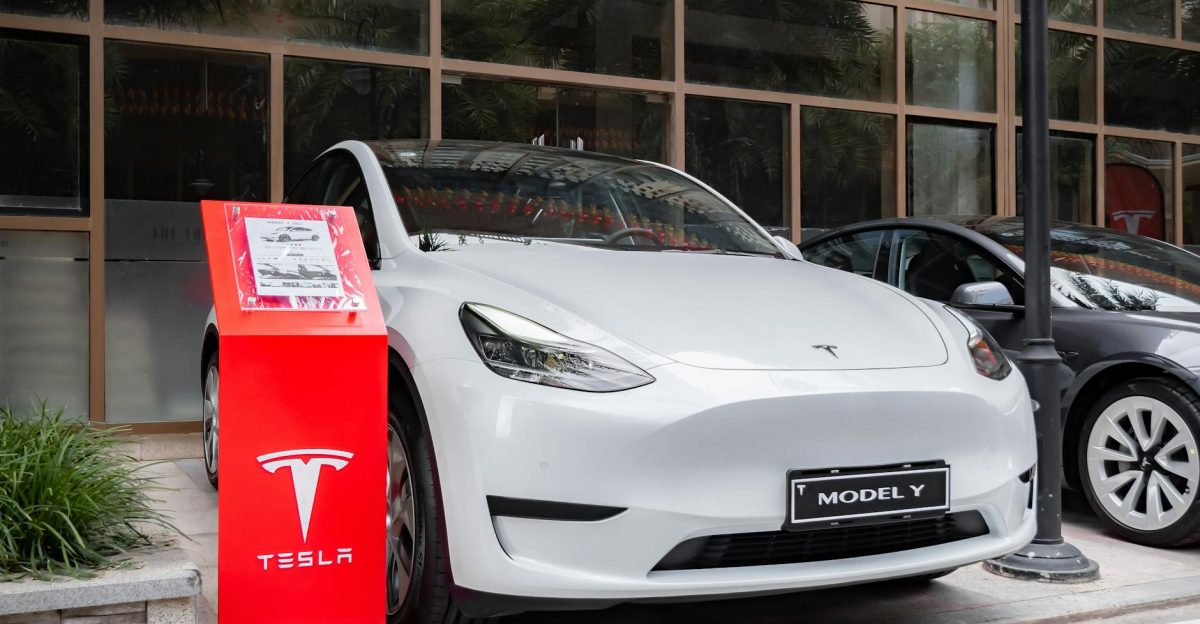
The design flaw was structural. Teslas use a high-voltage battery for propulsion and a 12-volt battery to power electronics, including all door latches. When the 12-volt battery dies due to age, heat, or crash damage, doors lock electronically without an external override. The hidden manual release exists under upholstery. Crash tests focus on impact survival, not egress. Critics noted that aesthetic choices ignored occupant escape. Tesla’s signature design created a safety vulnerability. The architecture ensured that an occupant could survive a crash but still be trapped inside a locked vehicle.
Body Count
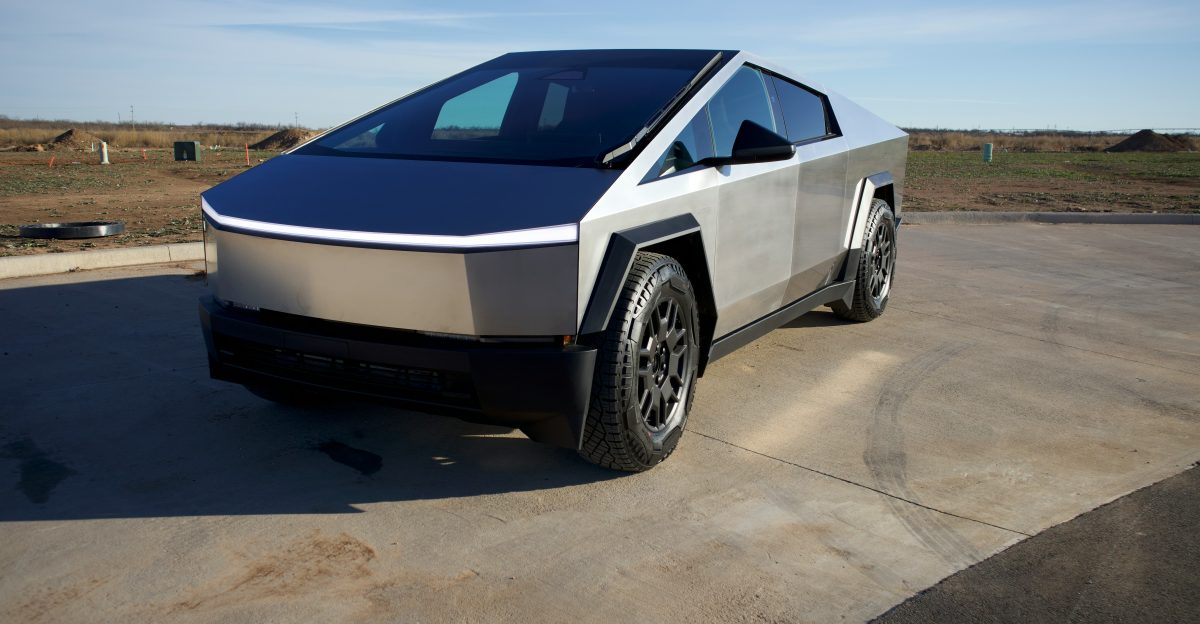
The risk proved deadly. In October 2025, the family of 19-year-old Krysta Tsukahara filed a wrongful death lawsuit after she was trapped in a burning Cybertruck when electronic handles failed in Piedmont, California. She died from smoke inhalation and burns. A Wisconsin family lost two relatives in a 2016 Model S crash under similar circumstances. John Urban reported three of four handles failed in his 2015 Model S by 2022. Tesla redesigned the handles over multiple years, yet the same risk persisted across model years, showing the danger endured despite updates.
Regulatory Cascade
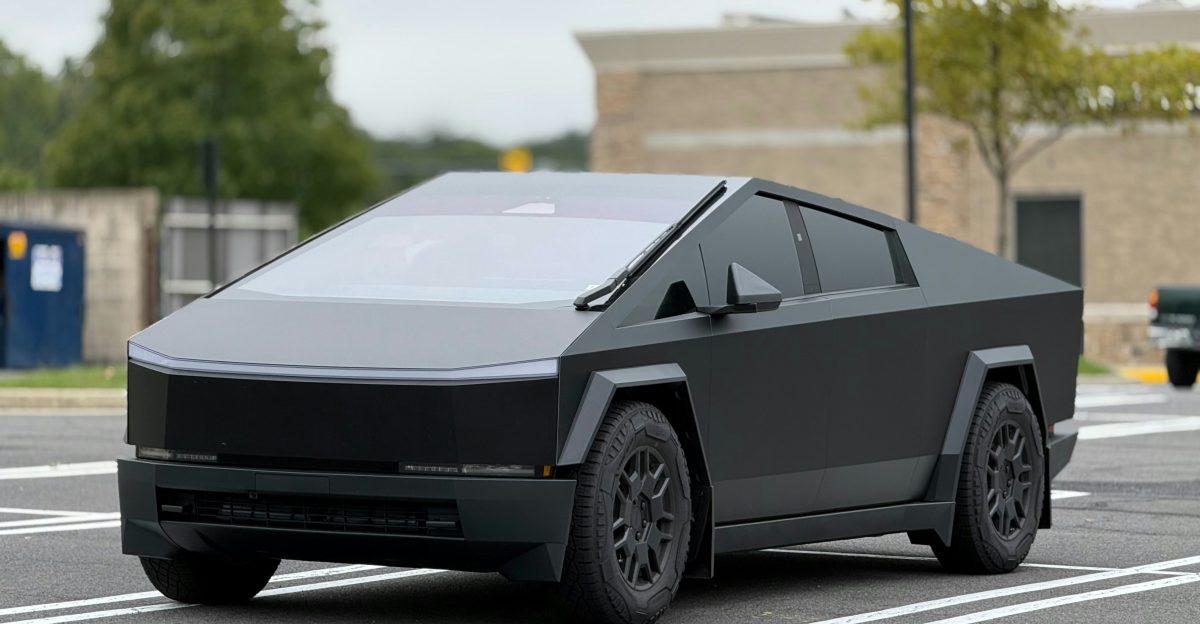
China banned hidden electronic-only door handles starting January 1, 2027, mandating mechanical releases on all doors. High-profile accidents involving power loss or crashes influenced the move. The U.S. House proposed a bill requiring clear manual releases on all American vehicles. NHTSA expanded its investigation from the 2021 Model Y to 2017–2022 Model 3 vehicles. Three governments on two continents acted against the same design philosophy in months. Tesla’s minimalist door design went from a brand hallmark to a global regulatory target. International regulations reflected growing concern over hidden safety risks.
Confession
Franz von Holzhausen spoke publicly in September 2025, stating to Bloomberg that combining electronic and manual releases into one button “makes a lot of sense” and that Tesla was “working on” a redesign. The statement came one day after NHTSA opened its investigation and one week after Bloomberg reported multiple entrapment incidents. The admission followed complaints, deaths, and public exposure rather than internal safety review. Tesla prioritized design aesthetics over practical escape. The public statement confirmed the company recognized the issue but delayed action until external pressure compelled disclosure.
The Lawsuit
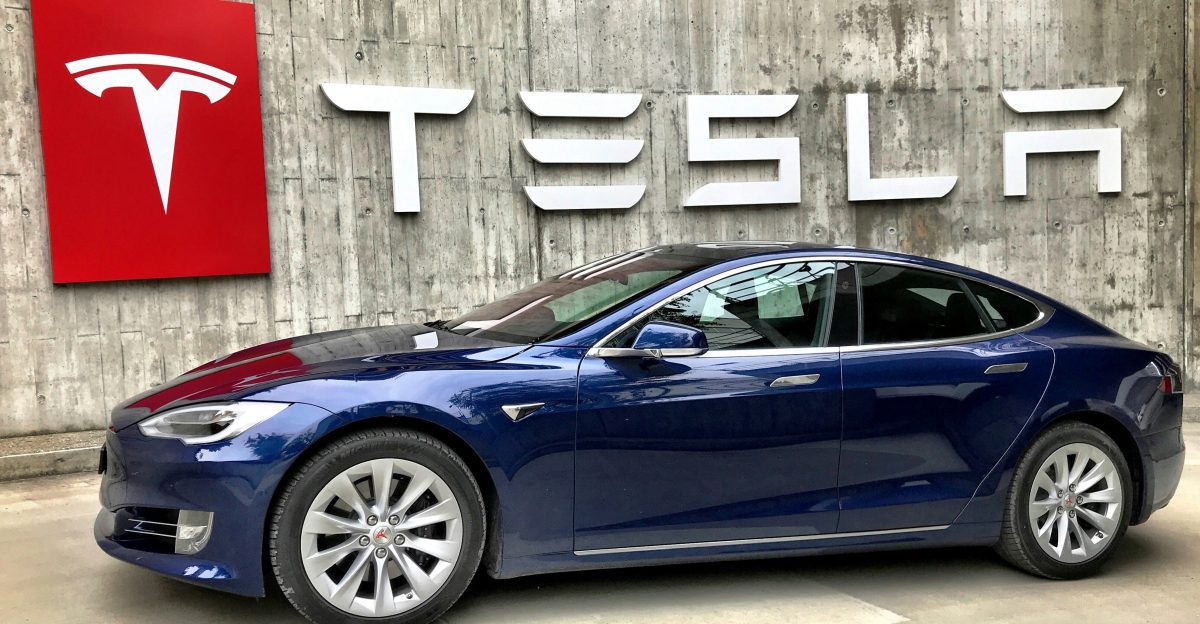
On February 13, 2026, Robert L. Hyde filed a class action in U.S. District Court for the Central District of California, Case No. 3:26-cv-00942-BJC-MMP. The suit alleges fraudulent concealment and violations of California’s Consumers Legal Remedies Act, representing buyers of 2023-or-later Model S vehicles. Hyde claimed the defect reduced his vehicle’s value. The lawsuit addresses Model S, while NHTSA’s investigation covers 2021 Model Y SUVs. Both relate to low-voltage failures that trap occupants. Fatalities now serve as pattern evidence. The case exposes Tesla to extensive legal and financial liability across multiple models.
No Exit
Tesla plans to merge electronic and manual releases into a single button in future production. Approximately 174,290 Model Y vehicles and an unknown number of Model S cars still have emergency exits hidden under carpeting. No recall or retrofit has been announced. China’s ban begins in 2027, and the House bill awaits a vote. Vehicles remain at risk. A failing 12-volt battery can turn a parked Tesla into a locked room. Owners continue to face hidden danger while regulators and lawmakers push for system-wide safety improvements.
Sources:
Tesla’s Dangerous Doors. Bloomberg, September 10, 2025
Tesla faces federal safety probe over reports of faulty door handles. CBS News, September 16, 2025
Tesla sued by family of California teenager killed in fiery Cybertruck crash. The Guardian, October 2, 2025
Tesla Faces Class Action Lawsuit Over Model S Door Handles. Not a Tesla App, March 3, 2026
China banning hidden door handles on cars starting in 2027 due to safety concerns. CBS News, February 3, 2026
Tesla is redesigning its door handles following safety probe. TechCrunch, September 17, 2025