6 Major Auto Brands Now Source From China—Chinese Vehicles Surge 45% As Toyota Falls 28%
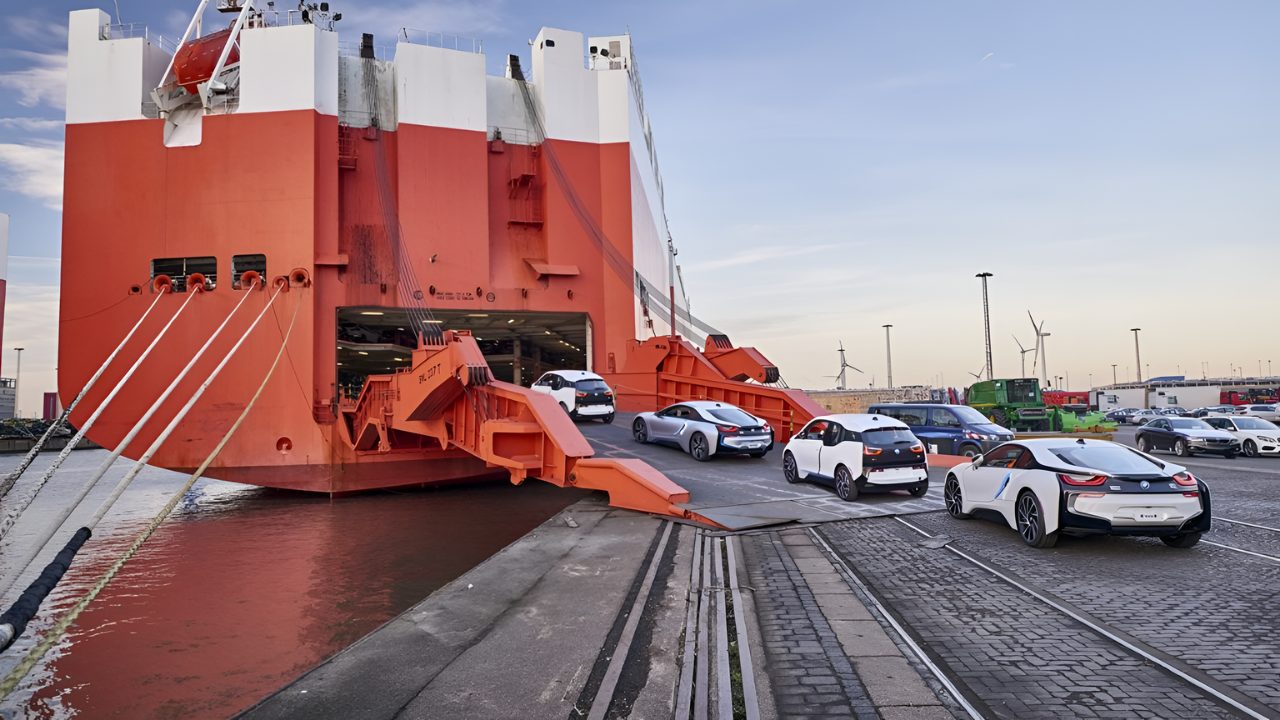
China dethroned Japan as Australia’s top vehicle source in February 2026. First time since 1998. Chinese-made vehicles hit 25,781 units against Japan’s 21,671, a gap that materialized in a single month after nearly three decades of Japanese dominance.
Chinese imports surged 50.5% year-over-year. Toyota sales fell 27.8% in that same month, and other leading Japanese brands also declined. FCAI CEO Tony Weber confirmed it: “After 28 years, Japan has been overtaken by China as the largest source of vehicles for the Australian market in a single month.” Most people saw that headline. Almost nobody tracked where the shockwave landed next.
Supply, Not Loyalty
This reversal had nothing to do with Australians falling out of love with Japanese cars. Japanese dominance was built on containerization logistics, dealer network depth, and incremental engineering. China neutralized all three advantages simultaneously.
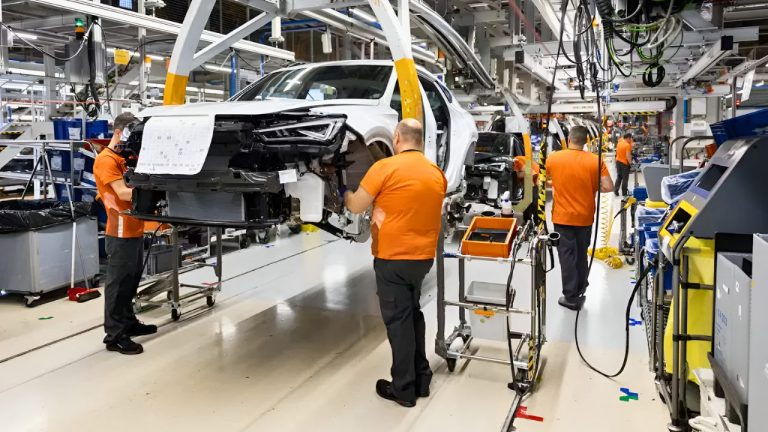
Battery cost parity through LFP chemistry eliminated Toyota’s efficiency edge. Chinese factories now achieve two-to-four-week order-to-delivery windows against Japan’s six-to-twelve. And new Chinese brands entered with dealer networks already built through existing distribution channels. Ten new brands launched since 2020. Nine of the ten build vehicles in China.
The Toyota Backlog
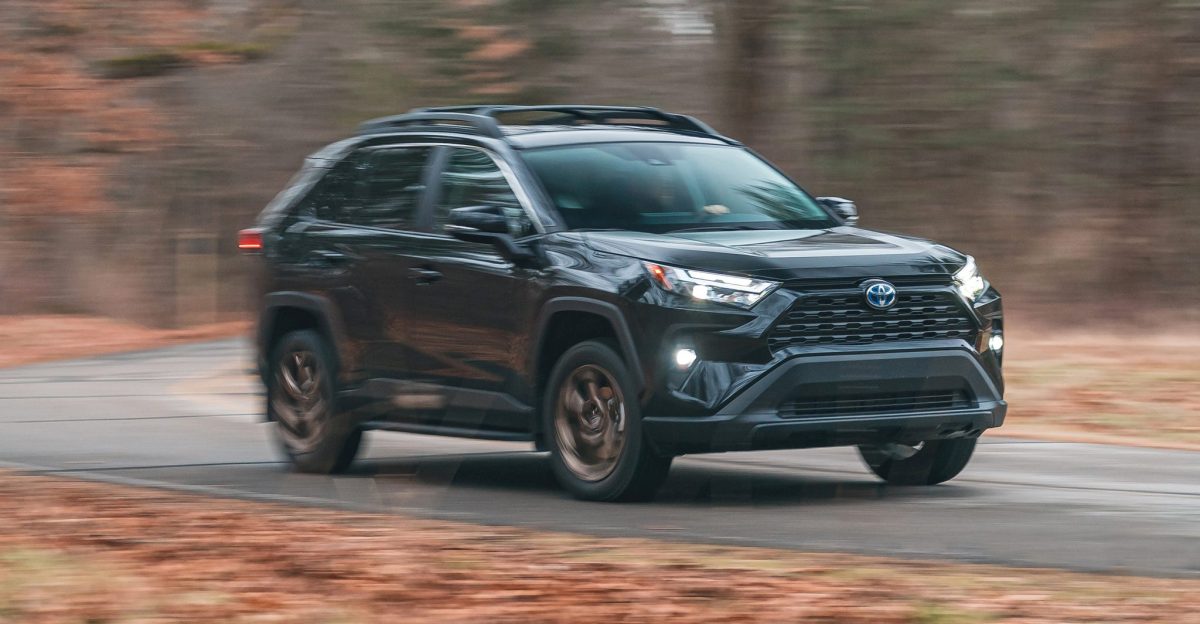
Toyota’s RAV4 Hybrid, Australia’s most popular SUV for years, managed just 723 units in February during its model run-out. Typical months moved over 2,000. Analysts estimate the order backlog now exceeds 10,000 units, representing roughly $250 to $300 million in deferred revenue. Buyers facing three-to-six-month waits found alternatives already sitting on showroom floors.
The BYD Sealion 7 recorded strong February deliveries, comfortably above four figures. The BYD Atto 3 is positioned as one of Australia’s more affordable new EVs, undercutting many Japanese rivals on price. Toyota’s supply gap became China’s open door.
Brands Choosing China
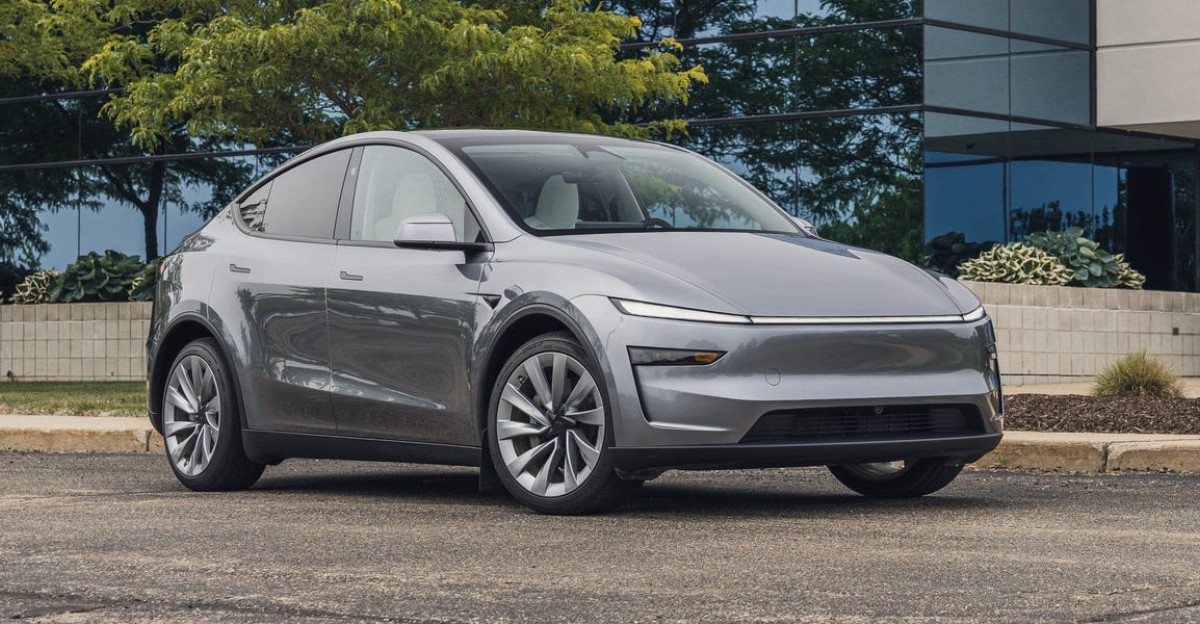
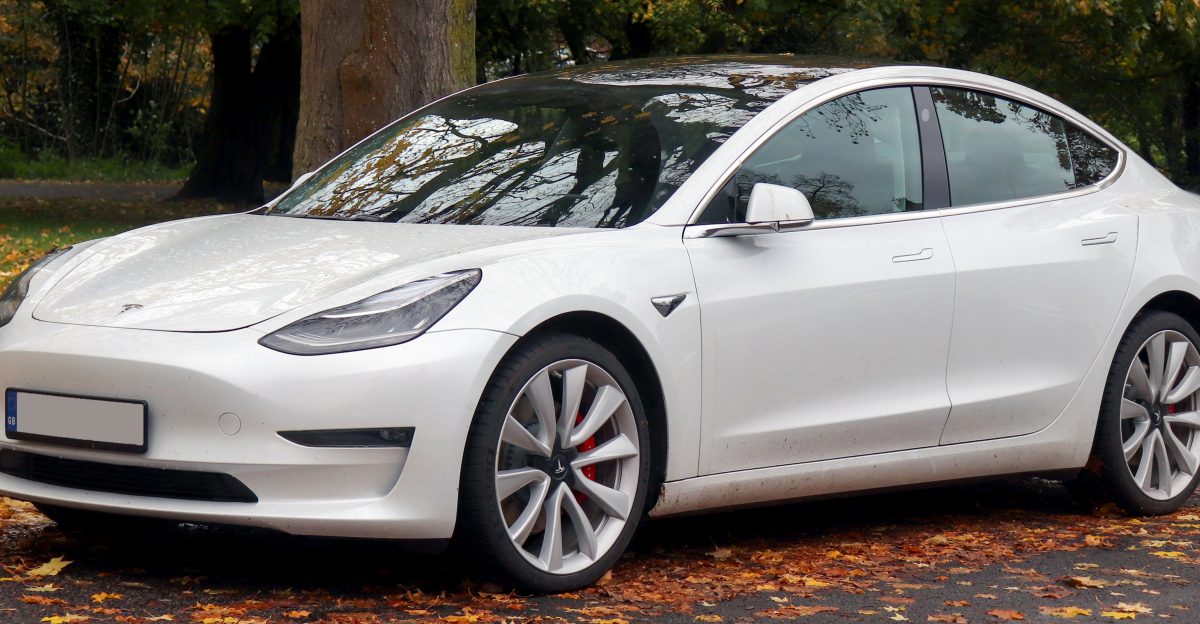
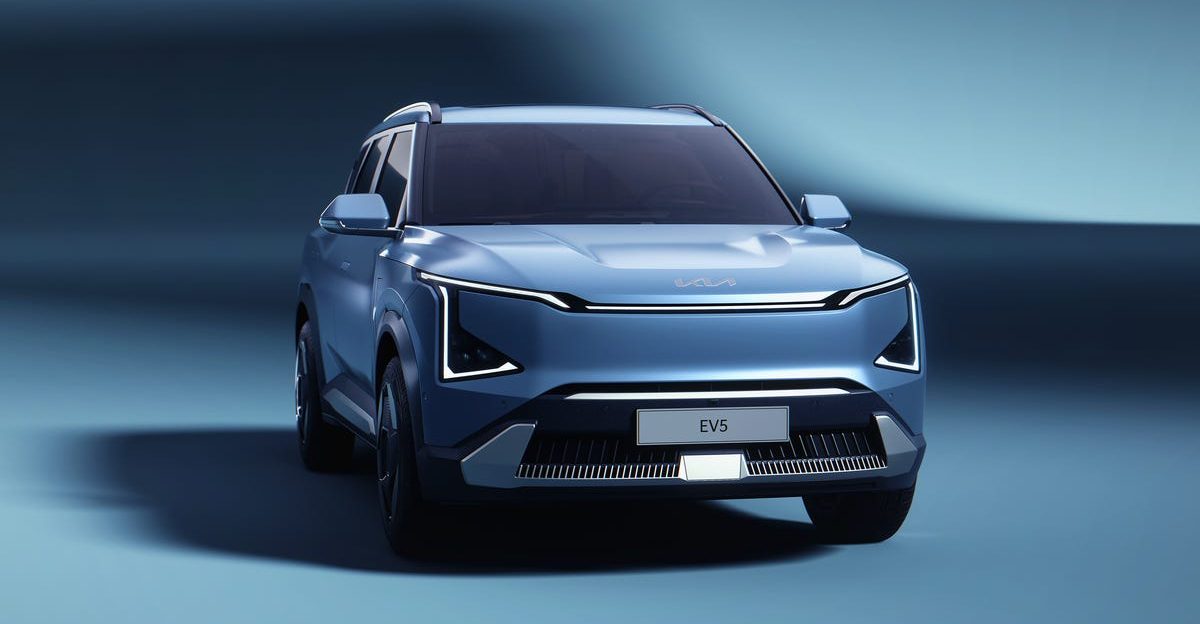
Six of Australia’s top 15 vehicle brands now source from Chinese factories: Tesla, Kia, Hyundai, Chery, GWM, and MG. Tesla ships every Model Y and Model 3 from Shanghai. Kia’s EV5 rolls off a Yancheng production line. Hyundai’s new Elexio is the first Hyundai EV assembled 100% in China, priced at $59,990.
These brands rank among the world’s largest automakers. They looked at Chinese factory capacity, Chinese battery economics, and Chinese delivery speed, and made the same calculation. The Australian showroom floor now runs through Shenzhen.
The Luxury Collapse
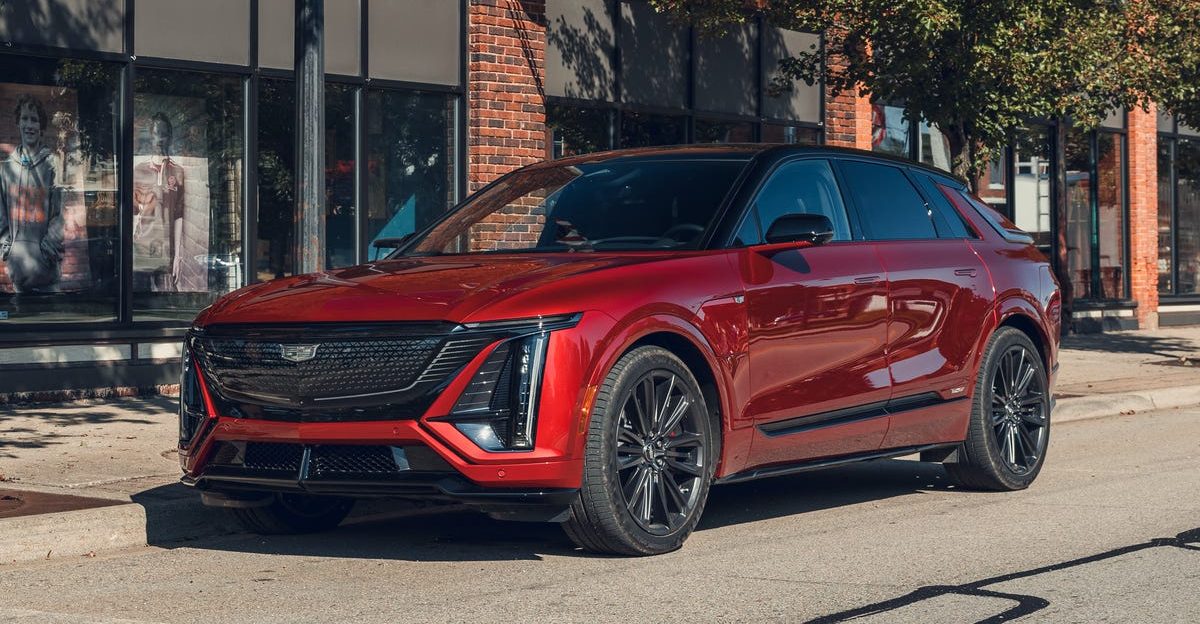
The cascade crossed into territory nobody budgeted for. In premium EV segments, some brands have resorted to deep discounts on models like the Cadillac Lyriq to compete with Tesla and Chinese rivals, signaling margin pressure rather than confident pricing power.
That kind of margin destruction signals desperation, not strategy. Meanwhile, Chinese brands climbed upward. Zeekr’s 7X quickly established itself as a noticeable new premium entrant within just a few months on sale, positioning as a credible alternative to established brands. BYD’s Ocean range has racked up multi‑million unit global sales since 2021, giving it one of the fastest‑growing EV line‑ups in the world. Chinese brands now claim budget AND premium tiers. The middle belongs to nobody.
One Factory System
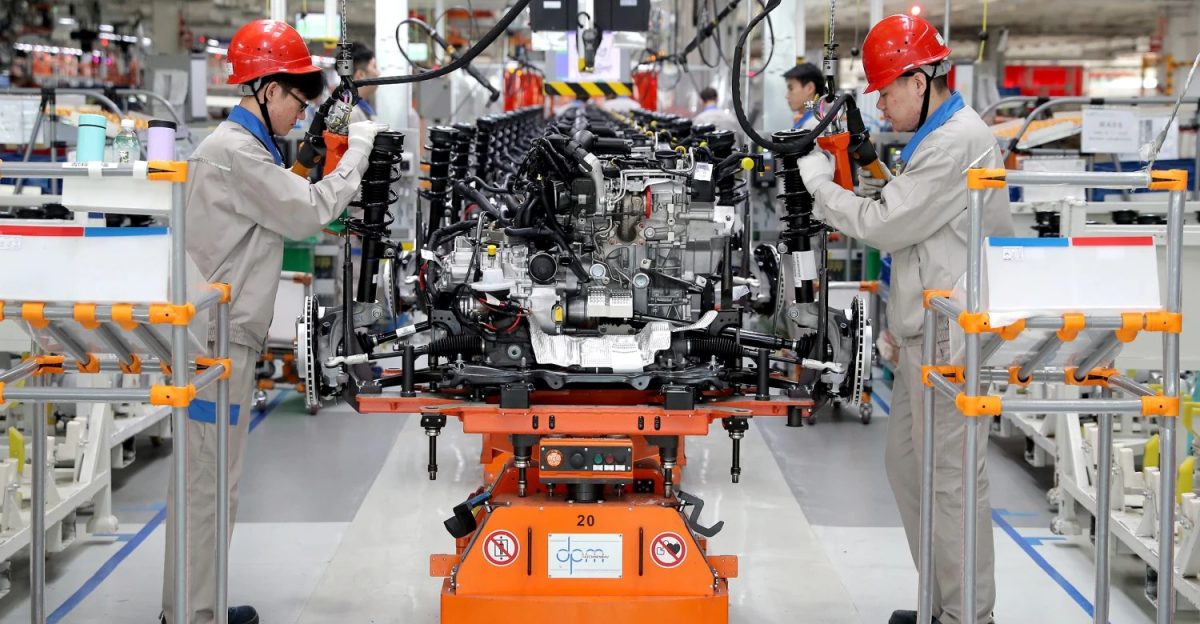
Here is the mechanism connecting every ripple. Australia’s vehicle market was optimized around Japanese supply chains for 28 years. Chinese manufacturers broke that lock by deploying five or six new models per quarter instead of two per year, shipping faster, and pricing lower through battery cost parity.
Chinese imports up 50.5%. Toyota and other leading Japanese brands were down by around the high‑20s percent range. One supply chain ramped. Another couldn’t respond. That math hits the dealership in your suburb. It hits the trade-in value in your driveway. Same mechanism, every level.
“Consumers Benefit”

Tony Weber framed it as progress: “The Australian market is one of the most open and competitive in the world. New brands can enter, establish dealer networks and compete on price, technology and design. Consumers are the beneficiaries of that competition.”
Read that again knowing Toyota dropped 27.8%, Mazda fell 19.9%, and Subaru sank 24.4% in the same month. The “competition” Weber celebrates is between Chinese manufacturing models. Japanese brands aren’t competing. They’re watching inventory evaporate while order banks grow and showrooms thin out.
The Global Template
Australia just became the blueprint. A right-hand-drive market where Japan dominated for 28 years flipped to China in a single month. Canada, the UK, and other right-hand-drive markets are watching. Europe already shows the trajectory: EV market share is approaching one-fifth of new car sales, and BYD registrations are growing at triple‑digit rates year-over-year.
Australia’s EV sales nearly doubled year-to-date, hitting 18,543 units against 9,516 in 2025. A 94% increase in two months. The precedent is set. If it happened here, the same pattern can replicate anywhere Japanese logistics once held the line.
Winners and Losers
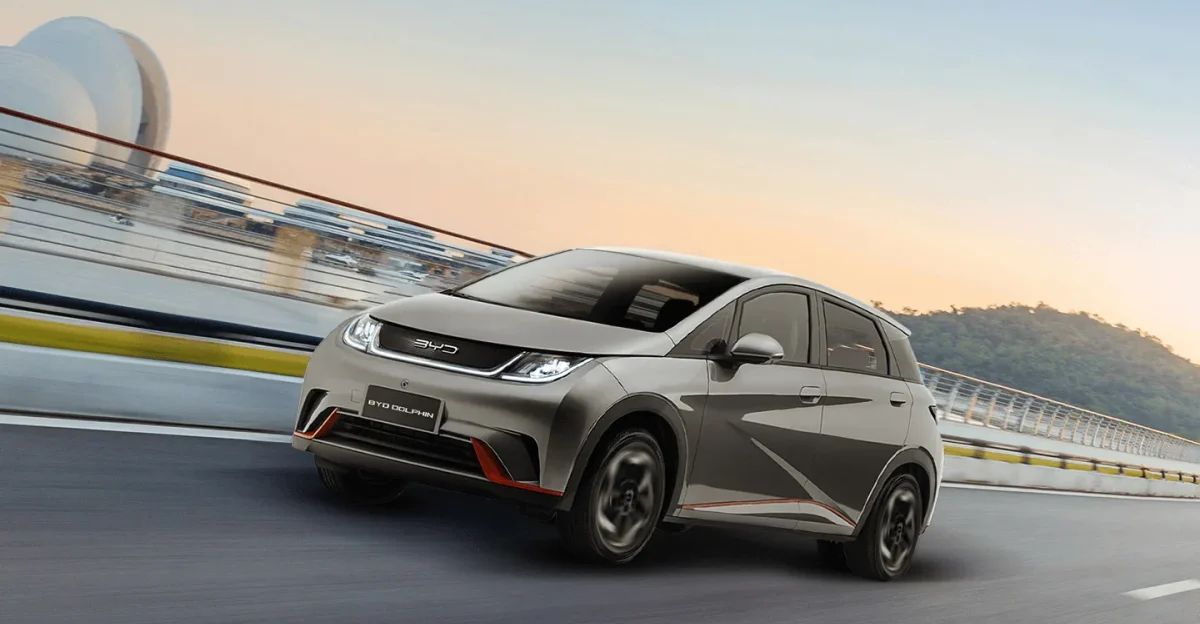
Winners: Australian buyers choosing from affordable Chinese EVs like the BYD Dolphin or Atto 3 to premium options approaching $100,000. That price spread didn’t exist two years ago. Losers: Japanese brand owners watching resale values soften as inventory floods the used market.
Japanese dealership networks face potential restructuring as volumes contract across Toyota, Mazda, and Mitsubishi simultaneously. Parts suppliers tied to Japanese production lose volume. And the irony cuts deep: Kia and Hyundai, Korean brands built on Japanese engineering philosophy, now source key EV models from China to survive.
Still Accelerating
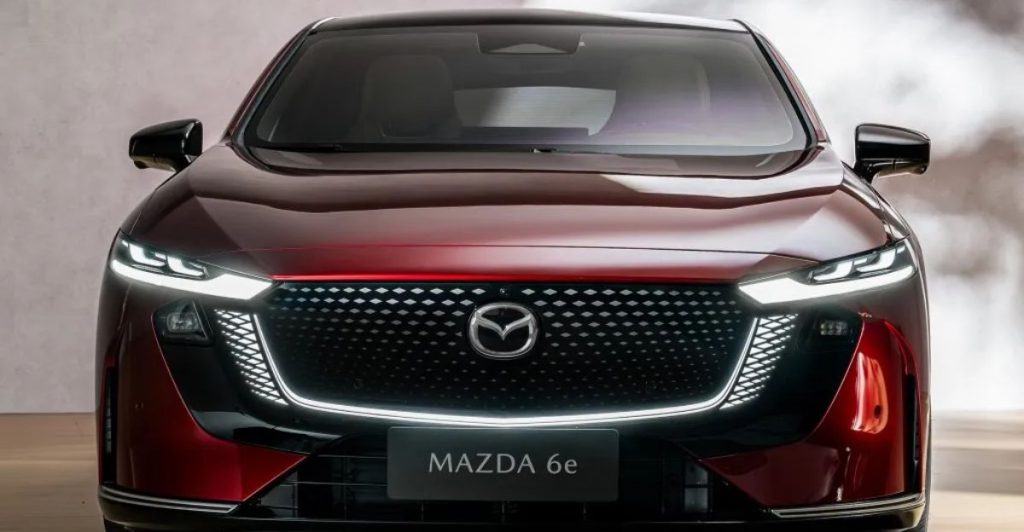
The cascade has no finish line. Japanese automakers are projected to announce Chinese EV partnerships or battery acquisitions. Analysts expect that Mazda could launch a sub-$40,000 EV assembled in China by 2027, badged Japanese but built Chinese.
BYD’s Seal 08 and Sealion 08 are expected to join the Australian line‑up, expanding the premium tier further. EV market share jumped from 8.4% in January to around 12% in February. One month. The system that ended Japan’s 28-year reign is the same system accelerating right now. Knowing that puts you ahead of everyone still reading the surface headline.
Sources
Federal Chamber of Automotive Industries. “China – No. 1 Source Market in February.” Media release, March 3, 2026.Man of Many. “China Dethrones Japan as Number One Source of New Vehicles in Australia.” March 3, 2026.
GoAuto. “VFACTS: Chinese Cars Top February Sales.” March 3, 2026.
BestSellingCarsBlog. “Australia February 2026: China Becomes #1 Country of Origin, Toyota Off –27.8% to Lowest Share in 3 Years.” March 4, 2026.
The Driven. “EV Sales Bounce Back to Nearly 12 Pct of Australia Market, Led by Tesla, BYD and Zeekr.” March 3, 2026.
ZeCar. “EV and PHEV Sales Surge in February 2026: Tesla, BYD and Zeekr Lead the Charge.” March 3, 2026.
CarsGuide. “Chinese Car Dominance Exposed: BYD, Chery, GWM and MG Are All Top 10 Sellers in Australia.” January 20, 2026.