Hyundai Kills $39K Ioniq 6 As Tariffs And Tax Credit Loss Force 92% Price Jump
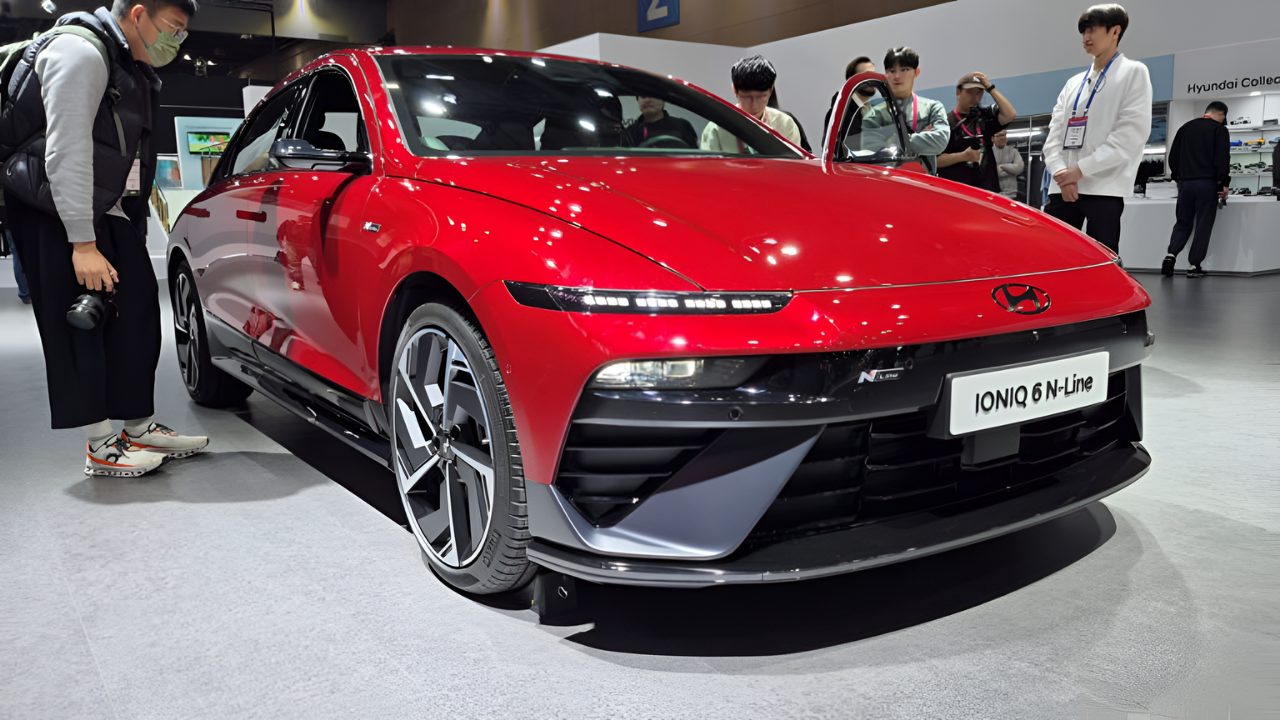
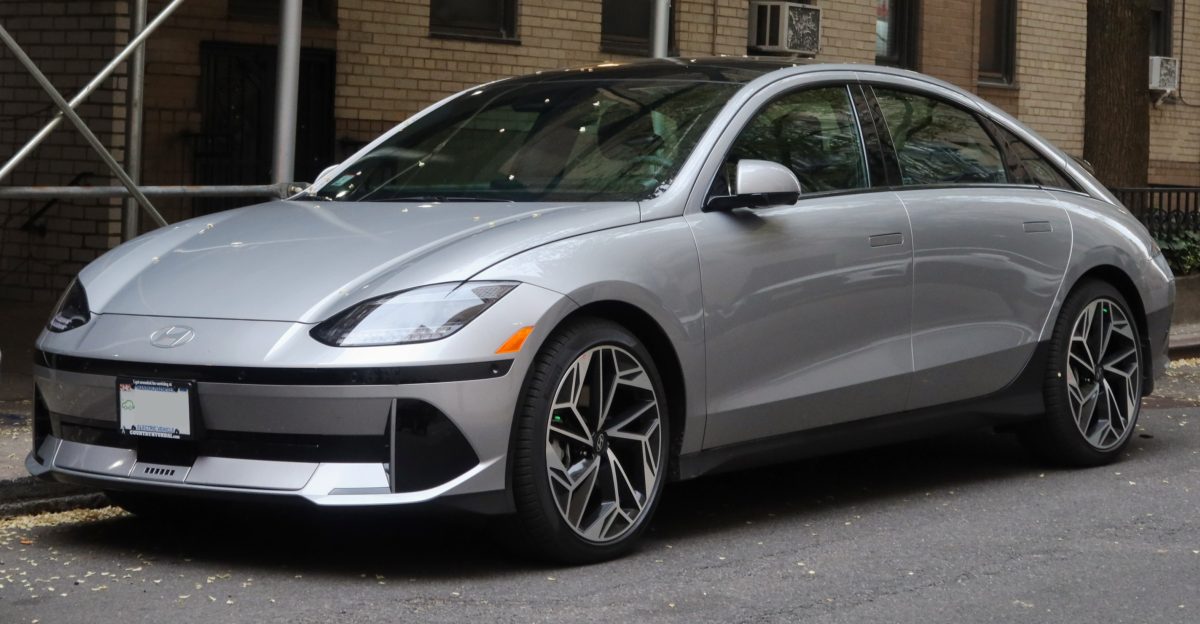
Hyundai killed the standard Ioniq 6 for the 2026 U.S. model year. The $39,095 sedan that Cars.com named its 2026 Top EV Pick just six months ago will no longer be sold in America. Only 573 units moved in the first two months of 2026, a 70% collapse from the same window last year. The only Ioniq 6 left is the 641-horsepower N variant at an estimated $75,000. That means the cheapest new Ioniq 6 in America now costs 92% more than it did last year, with no mid-tier option. The collapse started with two policy changes, and the wreckage stretches further than anyone expected.
The Double Hit
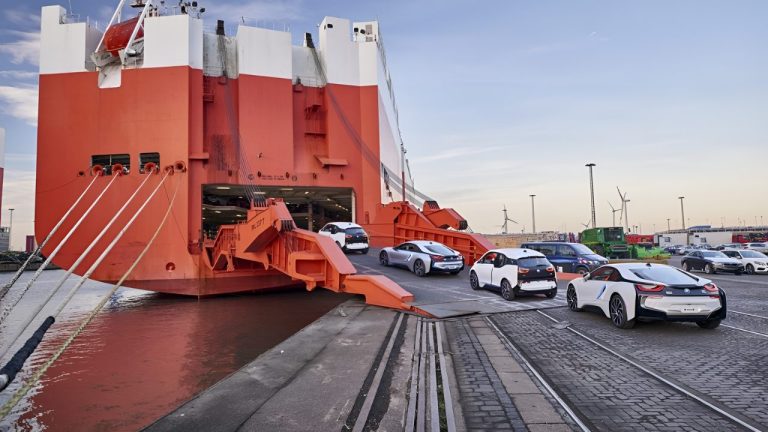
Two forces converged. The Trump administration’s 25% tariff on imported vehicles landed on every Korean-assembled car, adding roughly $9,750 to a $39,000 sedan. Then the One Big Beautiful Bill Act eliminated the $7,500 federal EV tax credit after September 30, 2025. Combined headwind: approximately $17,250 per vehicle. On a low-margin sedan, that math doesn’t bend. It breaks. Hyundai built the Ioniq 6 in South Korea. The Ioniq 5 and Ioniq 9 come from Savannah, Georgia. That geographic detail, invisible to most buyers a year ago, became the dividing line between survival and extinction.
Sticker Shock
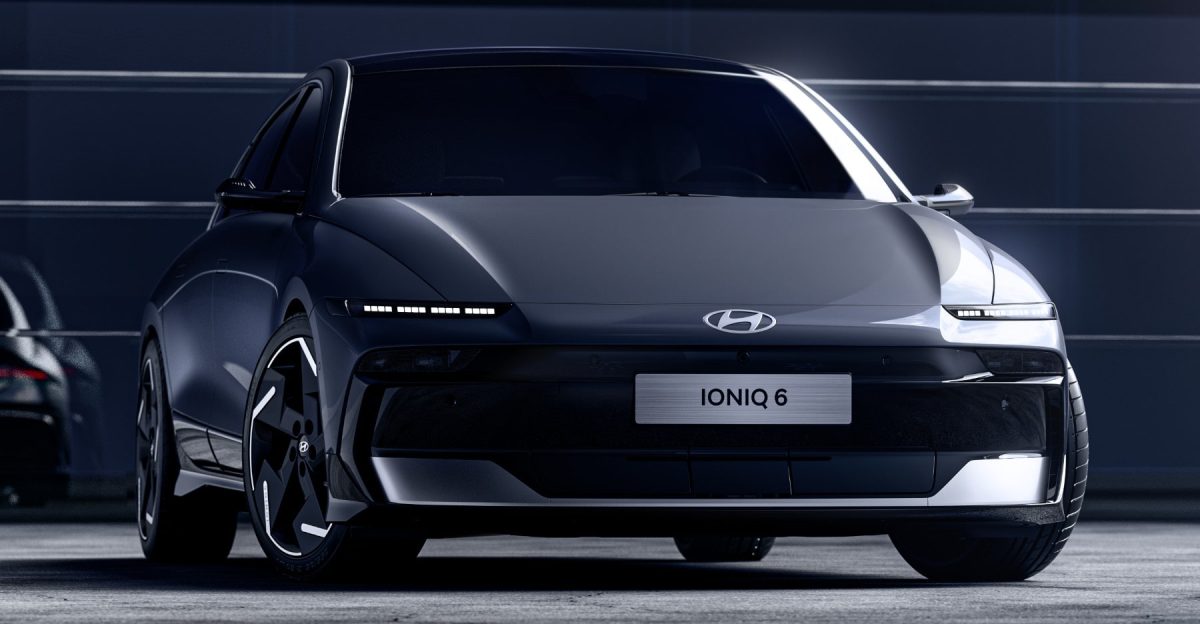
The direct hit landed on buyers first. Fewer than 300 Ioniq 6 units sold in February 2026. A year earlier, that number topped 1,000. Even if Hyundai swallowed the tariff entirely, buyers still lost the $7,500 credit — making a $39,095 sedan feel like a $46,595 purchase out of pocket. Shoppers walked. Dealers watched foot traffic evaporate for a car that had earned EV of the Year accolades at launch. The Ioniq 6 once held the title of fastest-charging EV Edmunds had ever tested. None of that mattered when the price tag jumped by five figures overnight. The restaurant industry absorbed the same tariff math at a different scale.
Dealer Scramble
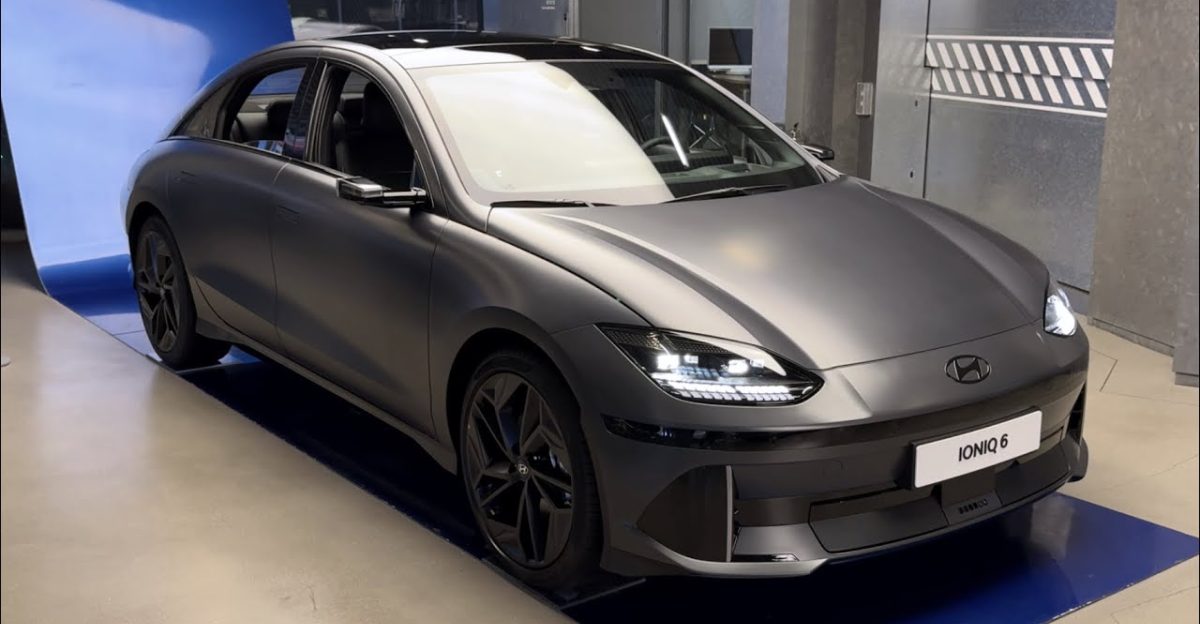
Hyundai dealers now sit on unsold 2025 Ioniq 6 inventory with no 2026 replacement coming. Hyundai confirmed those remaining sedans “will continue to be available at dealerships,” which is corporate language for clearance pricing. Markdowns of 15% to 20% are likely just to move metal. Meanwhile, the Georgia-built Ioniq 5 sold 3,200 units in that same February. The Ioniq 9 SUV doubled the Ioniq 6’s volume. Dealers are pivoting hard to the survivors, and smaller franchises without SUV allocation face a margin crisis with no relief in sight.
Canada Gets It
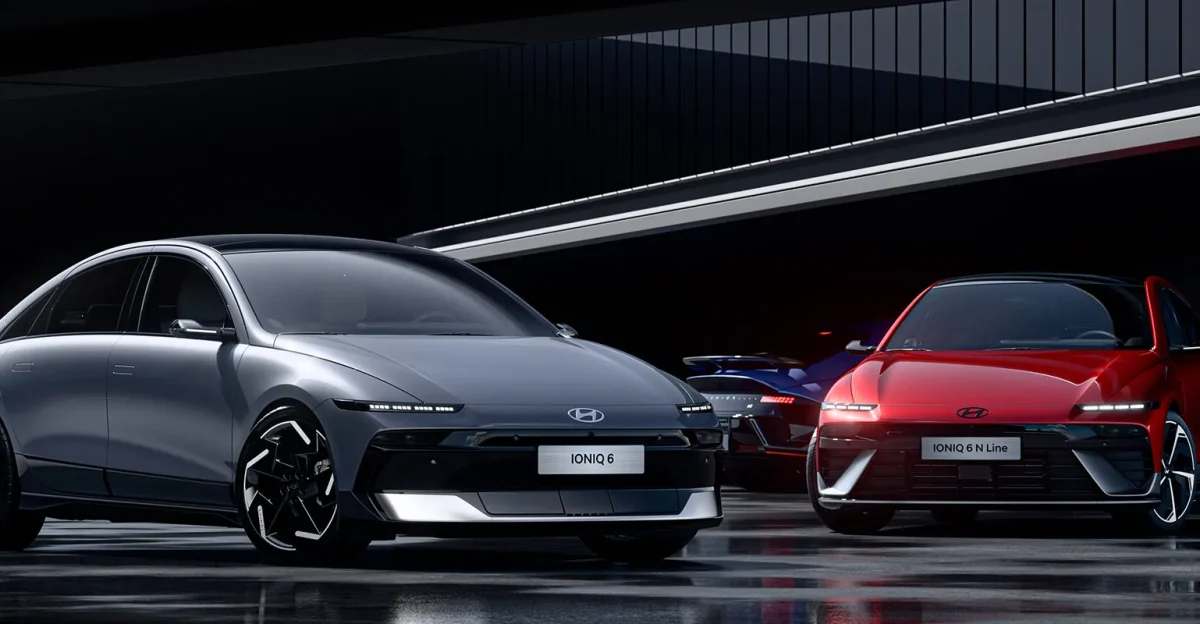
Here’s where the scope blows past the U.S. auto market. The refreshed Ioniq 6, with its updated styling and new 84 kWh battery option, will be sold in Canada as a 2027 model. Hyundai Canada confirmed it. The product works. The engineering works. The 0.21 drag coefficient still makes it one of the most aerodynamic cars on earth. America just can’t have the affordable version, because American policy made it unprofitable. One country north, the same car thrives. Same company, same sedan, completely different outcome. Policy drew the border, not product quality.
The Hidden Machine
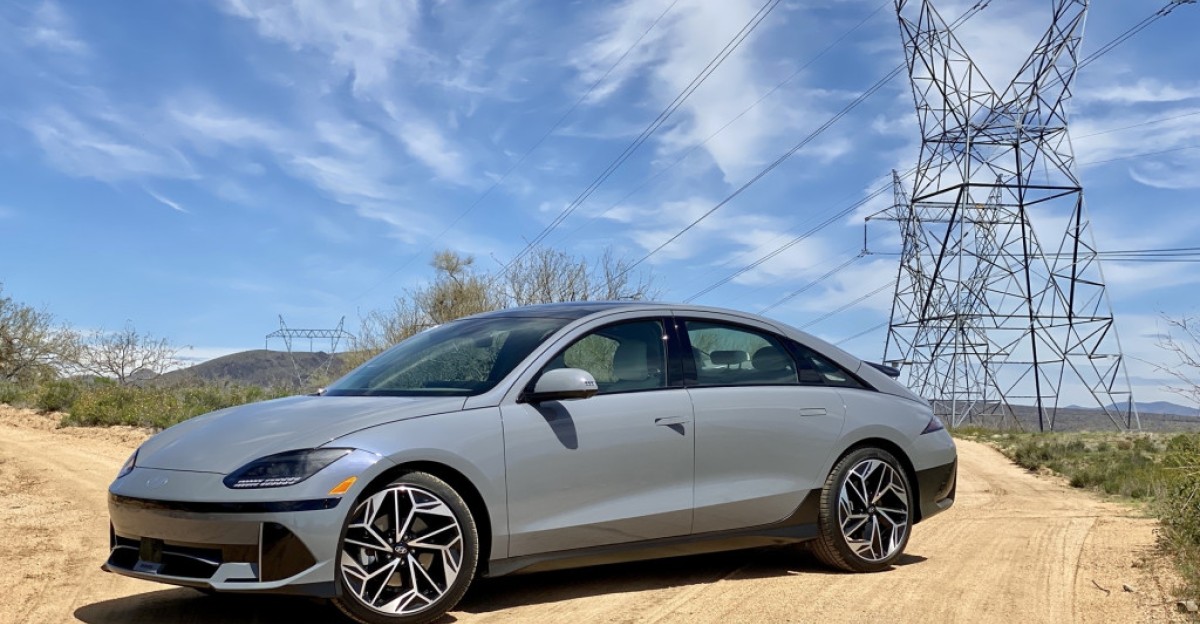
Tariff policy and subsidy policy don’t just add up. They multiply. Remove the $7,500 credit and the buyer absorbs a higher sticker price. Layer a 25% import duty on top and the manufacturer absorbs a cost it can’t pass through without destroying demand. The result is a scissors effect: costs rise from both directions simultaneously, and the margin collapses to zero. Korean assembly. American tariff. Congressional subsidy repeal. Three inputs, one output: the affordable model dies. That mechanism reaches every imported EV sedan priced below $50,000. Every single one faces the same math Hyundai just failed.
The Quiet Admission
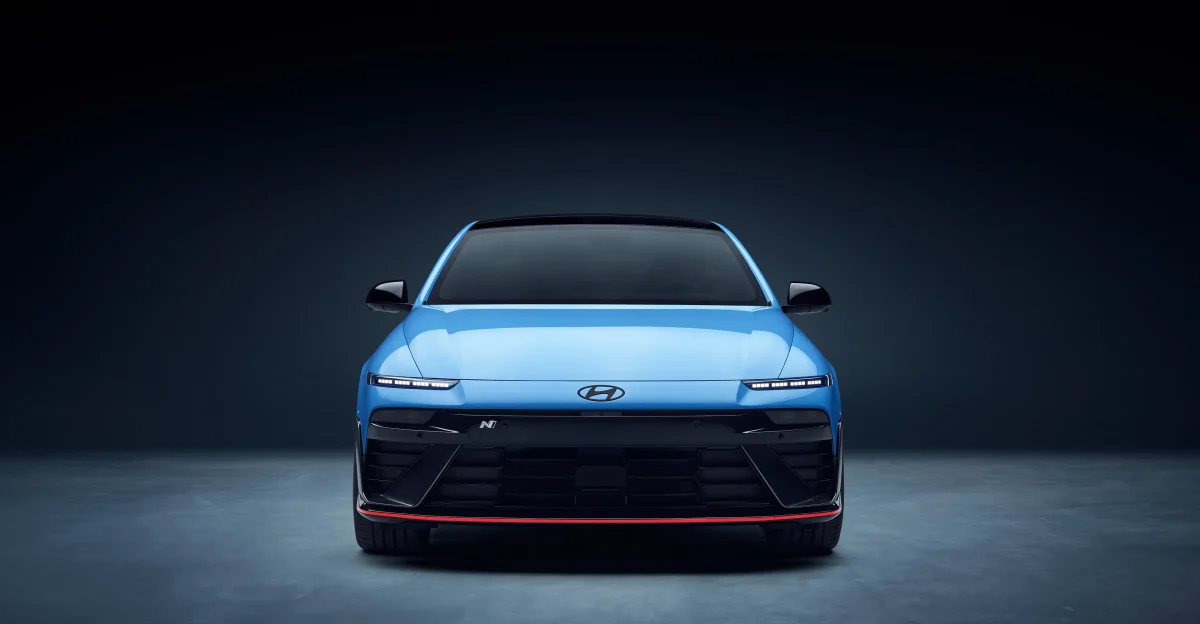
Hyundai’s spokesperson delivered the obituary wrapped in celebration: “Going forward, our award-winning IONIQ 6 lineup will consist of the all-new IONIQ 6 N.” Read that again. “Award-winning” and “will consist of” doing extraordinary work in the same sentence. The company never said “discontinued.” Never said “killed.” Never mentioned tariffs on the record. Edmunds noted the obvious: “It’s easier to fold the additional cost of import tariffs into the more expensive and lower-volume Ioniq 6 N.” Translation: the affordable car died so the expensive one could absorb the penalty. Buyers who purchased in 2024 and 2025 now hold a depreciating asset in a dead model line.
New Rules
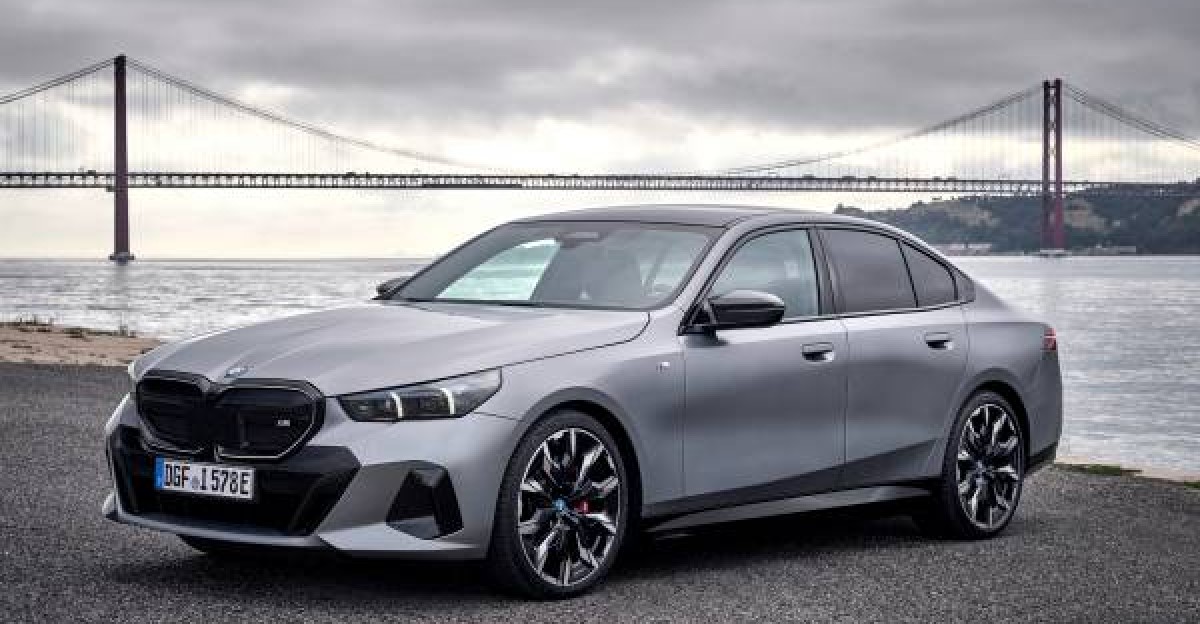
This discontinuation set a template. When tariff plus subsidy headwinds exceed margin capacity, automakers kill the affordable trim and retreat upmarket rather than cut prices. That precedent now hangs over every imported EV sedan in America. The BMW i5, Mercedes EQE, and Volkswagen ID.7 all ship from overseas. All face the same 25% tariff. The 2025-2026 period represents the most severe policy shock to the U.S. EV market in a single calendar year, rivaling the Tesla tax credit phase-out but with an added tariff dimension. Geography now determines which cars Americans can buy.
Winners and Losers
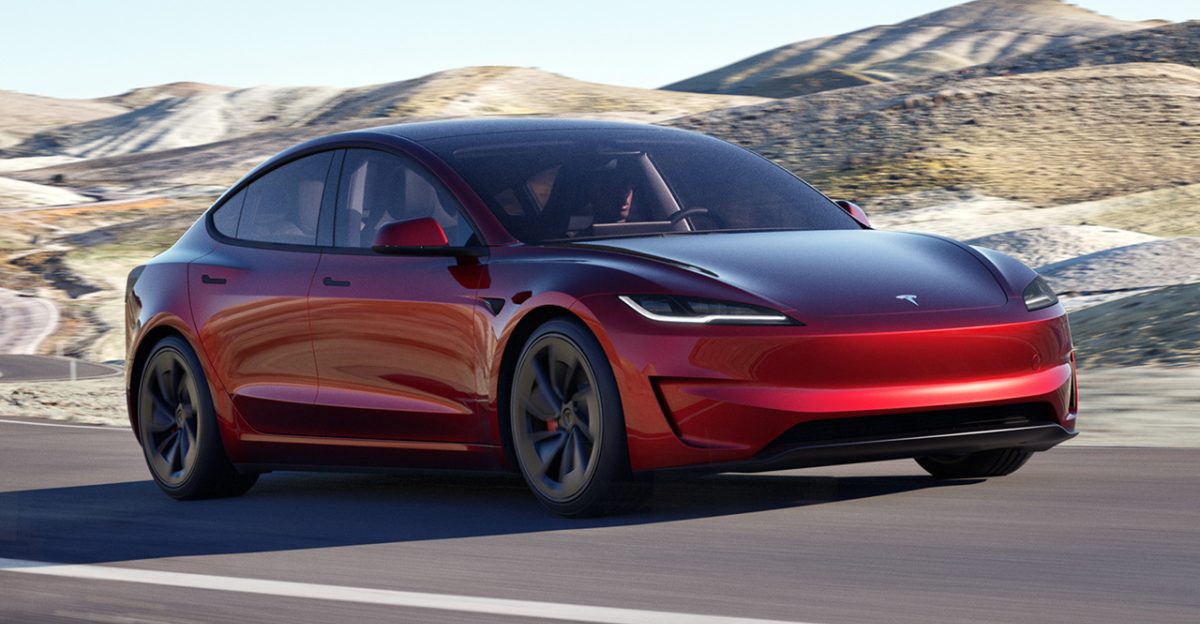
Tesla’s U.S.-built Model 3 just gained a structural advantage it didn’t engineer. Every imported competitor eating a 25% tariff hands Tesla relative pricing power for free. Hyundai’s own Georgia-built SUVs survive, but even those face potential price increases if tariff rates climb further. The clearest losers: the 10,478 Americans who bought an Ioniq 6 in 2025. Their sedan’s resale value now likely carries a discontinuation penalty on top of normal depreciation. Early adopters funded an experiment that policy terminated. The EV affordability promise didn’t fail because of engineering. It failed because the scaffolding was always political.
Still Cascading
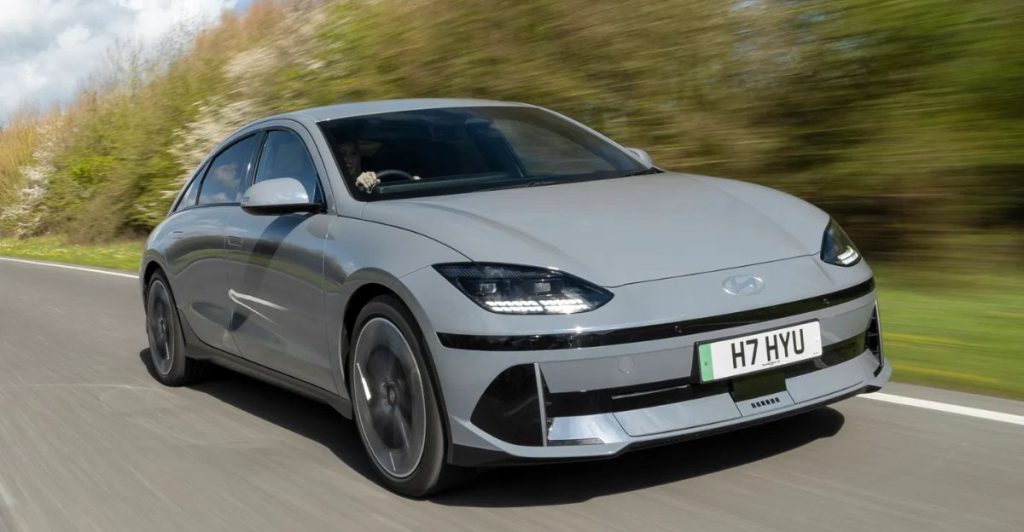
The cascade keeps moving. Hyundai could shift Ioniq 6 assembly to Mexico or the U.S. under USMCA rules, but that timeline stretches two to three years. If tariff rates rise beyond 25%, even the Georgia-built Ioniq 5 and Ioniq 9 face pricing pressure. If the EV credit stays dead through 2027, the entire sub-$50,000 EV segment could hollow out, leaving only premium models above $60,000. One policy year killed an award-winning sedan. The system that killed it is still running, and the next product in its path hasn’t been named yet.
Sources:
Edmunds, “Standard Hyundai Ioniq 6 Dropped From U.S. Lineup – We’ll Only Be Getting the High-Performance Ioniq 6 N,” March 3, 2026.
Car and Driver, “The Regular Hyundai Ioniq 6 Is Dead, but the Sporty N Model Lives,” March 3, 2026.
Cars.com, “Hyundai Discontinues Ioniq 6 for 2026, Will Only Offer High-Performance N Version in U.S.,” March 3, 2026.
BBC News, “Trump Raises US Tariffs on South Korea Imports to 25%,” January 26, 2026.
CNBC, “Trump: Tariffs on South Korean Autos, Pharma, to Rise to 25%,” January 26, 2026.
WC Shipping, “South Korean Car Tariffs 2026: Verified Update for Importers and Shippers,” January 26, 2026.
Columbia University Center on Global Energy Policy, “Assessing the Energy Impacts of the One Big Beautiful Bill Act,” July 13, 2025.
Center for American Progress, “The Implementation Timeline of the One Big Beautiful Bill Act,” November 11, 2025.
Reuters, “Senate Republicans Seek to End EV Tax Credit by September 30,” June 28, 2025.
Edmunds, “2026 Hyundai Ioniq 6 Prices, Reviews, and Pictures,” 2025 model overview.