20% Of Global Oil Hangs Threatened—Fuel Panic Returns As 90-Car Queues Form Within Hours
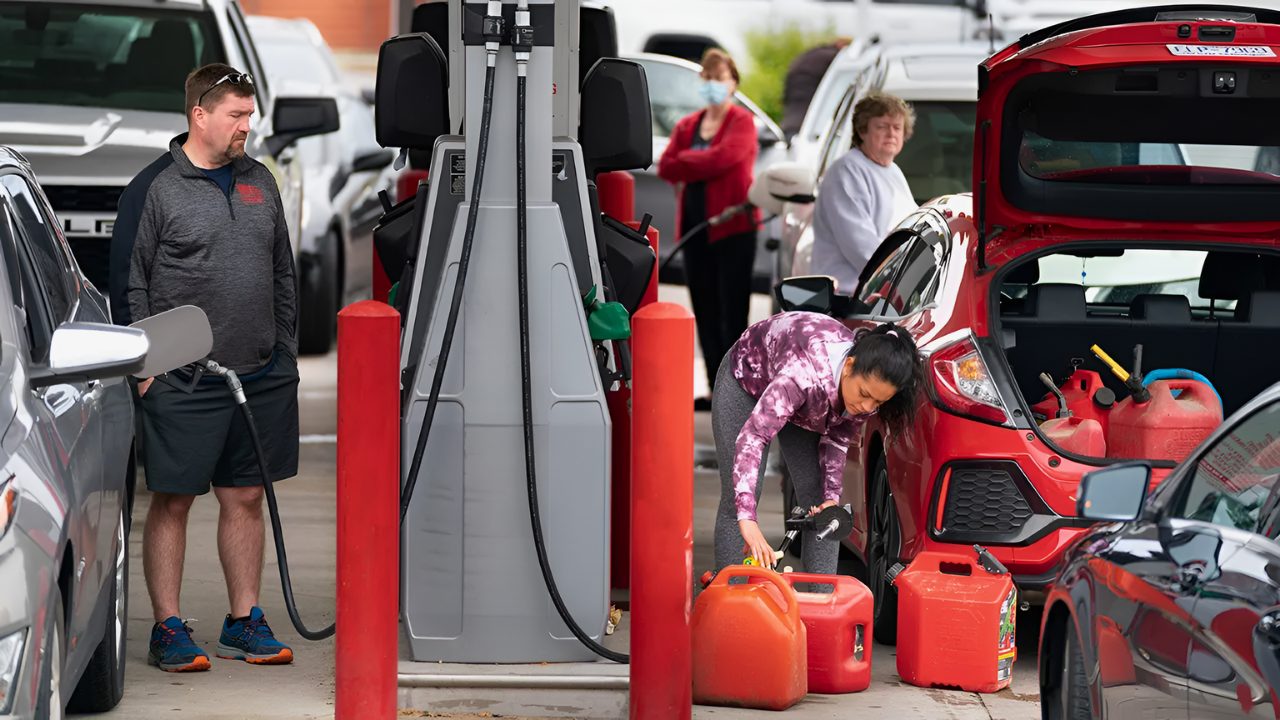
Headlights stretched back farther than the petrol station’s lot could hold. Ninety cars deep in some places, engines idling, drivers checking phones, watching the same oil price alerts that put them in line. London, Manchester, Liverpool, Kirkdale.
Over an hour just to reach a pump. Not because fuel had run out. Not because deliveries had stopped. Because somewhere between a missile strike in Iran and a 13% spike in crude prices, filling the tank stopped feeling optional and started feeling urgent.
The Trigger
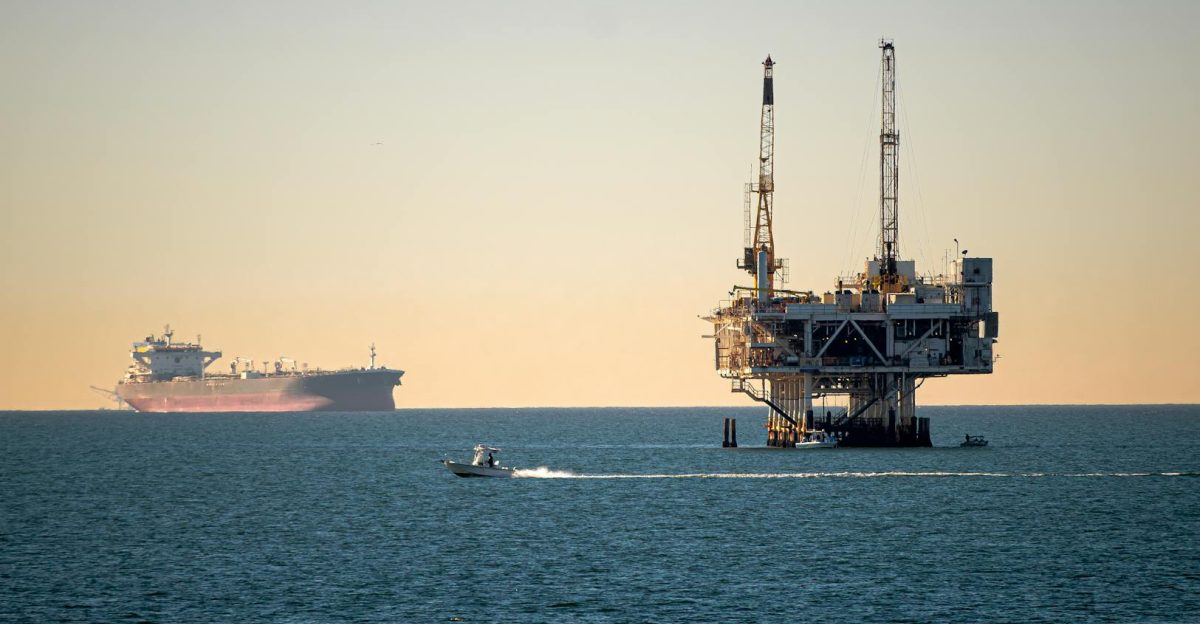
Iran’s retaliation attacks, launched after the killing of Supreme Leader Ayatollah Ali Khamenei, sent Brent crude to its highest level since July 2023. Prices surged to the $80–85 per barrel range. Goldman Sachs slapped an $18 per barrel risk premium on top.
The Strait of Hormuz, a narrow waterway carrying roughly 20% of globally traded oil and gas, sat at the center of every worst-case scenario. Ali Vaez, director of the Iran Project, warned that closure would mean prices “gap violently upward on fear alone.”
Don’t Panic
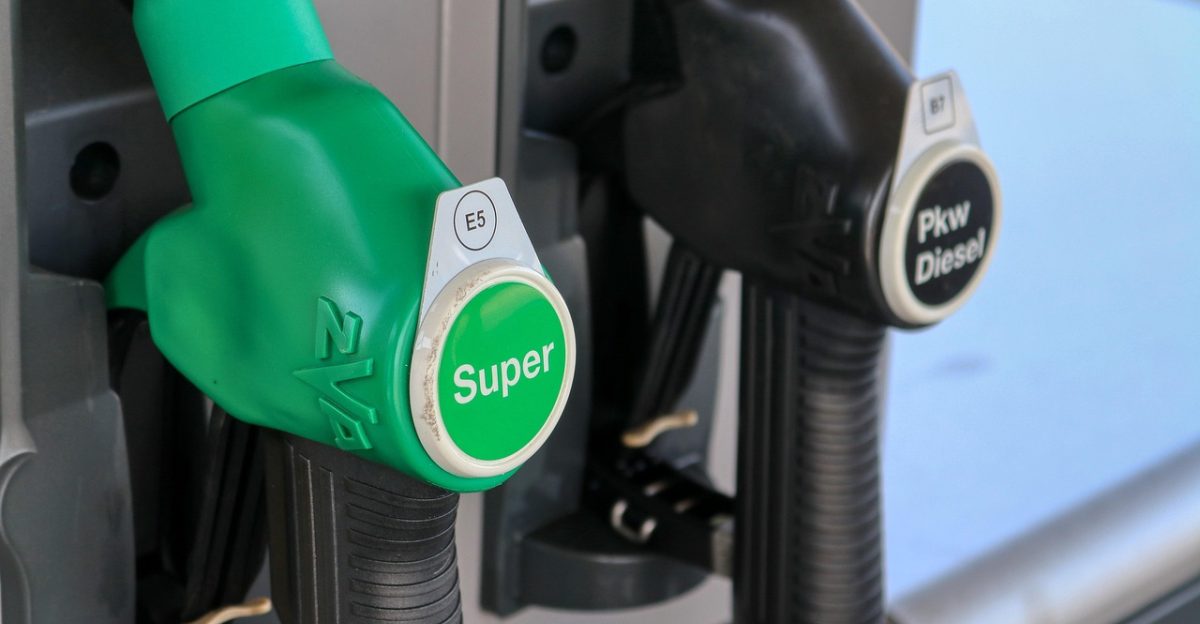
The AA said don’t panic buy. The RAC said don’t panic buy. The UK government said supplies remained stable. RAC head of policy Simon Williams added that oil would “have to rise significantly and stay that way for some time” to dramatically affect pump prices.
Every credible authority delivered the same message: there is no shortage. And that message, broadcast across every news outlet and social feed simultaneously, accomplished something remarkable. It told millions of people that a scenario existed where panic buying would be rational.
The Backfire
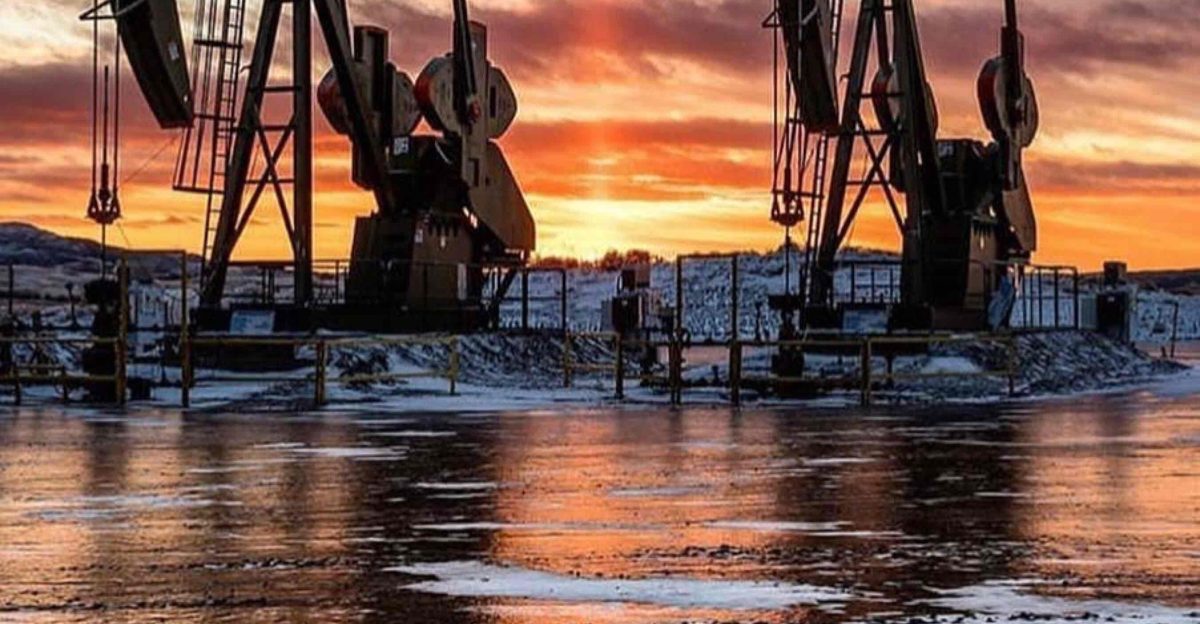
Within hours of those reassurances, drivers flooded stations across four major cities. Ninety cars at a single location. Hour-plus waits at peak sites. Many of the longest lines formed at Costco stations, where fuel runs cheapest. That detail matters.
These weren’t panicked people making irrational choices. They were rational consumers calculating that locking in today’s price beat gambling on tomorrow’s. Each driver’s logic was flawless. Multiplied by millions, it created the exact shortage everyone warned against.
The Cycle
The mechanism works like a bank run. One person fills up early. Then ten. Then the queue becomes visible. Photos hit social media. Research on emotional contagion confirms that fear-driven purchasing cycles accelerate through social network visibility.
The queue itself becomes proof that the threat is real. More people join. Stations that operators described as experiencing “constant flow” suddenly looked like crisis zones on camera. The gap between ground reality and broadcast reality became the fuel for more panic.
The Numbers
If crude breaks $100 per barrel, UK petrol could hit 150 pence per litre, according to the RAC. Wholesale fuel costs typically take 7–10 days to filter through to pump prices. So the drivers queuing on March 3 were racing a clock that hadn’t started ticking yet.
Brent sat at $80–85. The $18 Goldman Sachs risk premium reflected what traders feared, not what had happened. The panic priced in a future that might never arrive, and the queues made that future feel inevitable.
The Ripple
The cost doesn’t stop at the pump. Low-income households with tight fuel budgets can’t fill large tanks preventively. Gig economy workers driving for Uber and Deliveroo face margin compression with every pence increase.
Petrol retailers absorb demand surges but can’t profit from them because wholesale costs rise faster than they can adjust prices. Delivery logistics networks strain to restock drained stations. One behavioral cascade, triggered by a conflict thousands of miles away, squeezes wallets that were already thin.
The Pattern
This has happened before. The 1973 oil crisis triggered global panic buying. In 2020, toilet paper vanished from shelves over a respiratory virus. September 2021, a UK tanker driver shortage created fuel queues that burned into national memory. That memory is now being retriggered.
Behavioral finance professor Hersh Shefrin put it plainly: “When fear takes over, people become focused on worst-case scenarios.” The pattern repeats because the warning system itself has become the panic mechanism. Authorities can’t warn without signaling danger exists.
The Clock
The Strait of Hormuz hasn’t closed. Vaez warned that closure would “push fragile economies closer to recession in a matter of weeks.” India, which routes 40% of its crude imports through that strait, maintains just 25 days of crude oil inventory.
South Korea’s semiconductor supply chain depends on stable energy flowing through the same contested waterway. If disruption persists, the pressure doesn’t stay in petrol stations. It reaches chip factories, shipping lanes, and central banks choosing between fighting inflation and preventing recession.
The Trap
Every driver in those 90-car queues made a defensible choice. Fill up now, avoid paying more later. The problem is that defensible individual choices, repeated across millions of people, manufacture the crisis they’re designed to prevent. Governments can release strategic petroleum reserves.
OPEC can boost production. Diplomats can de-escalate. But none of those tools address the real vulnerability: a population that has learned, through repeated experience, that “don’t panic” means “panic now, before everyone else does.”
Sources:
NDTV. “Long Queues at UK Petrol Stations Amid Fears of Fuel Price Hike, Public Told to Avoid Panic Buying.” March 2, 2026.
NDTV Profit. “Iran’s Hormuz Gamble: How the Geopolitical Chokepoint Is Fueling a New Oil Shock.” March 2, 2026.
NDTV. “Strait of Hormuz Crisis Threatens Asia’s Energy Security.” March 3, 2026.
The Independent. “Drivers Warned Over Panic Buying Fuel Amid Middle East Conflict.” March 3, 2026.
RAC. Comments by Simon Williams, head of policy, on potential UK petrol price rises linked to Iran conflict and Brent crude surpassing 80 dollars per barrel, quoted in Express. March 3, 2026.
AA (Automobile Association). Public statements urging UK motorists not to panic buy fuel in response to Middle East conflict and potential oil price rises, quoted in Express and The Independent. March 2–3, 2026.
Sky News. “Oil Prices Spike as Key Shipping Route Disrupted by Iran Attacks.” February 28, 2026.