Tesla Hid 14 Robotaxi Crashes From Feds—Musk Said ‘No Safety Monitor’
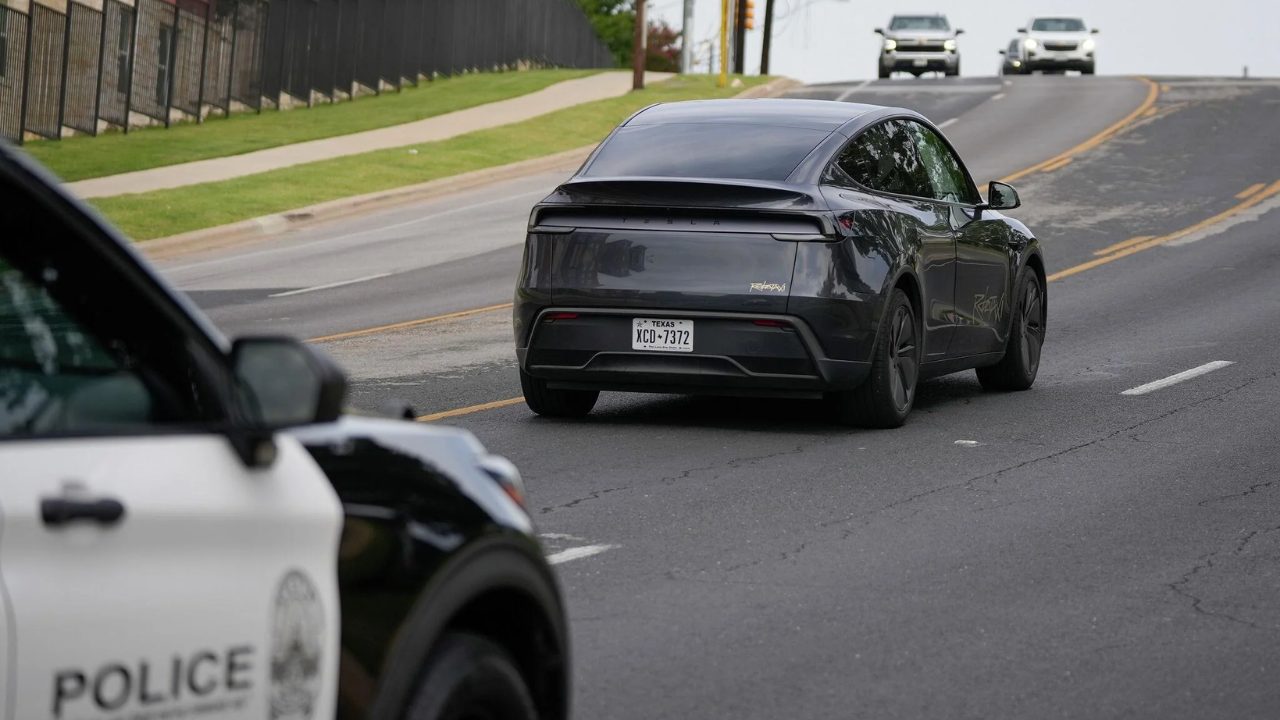
In Austin, a Tesla robotaxi rolled through an intersection with nobody behind the wheel. On January 22, 2026, Elon Musk made the announcement: “Just started Tesla Robotaxi drives in Austin with no safety monitor in the car.” Full autonomy, achieved.
The future, delivered. Within days, investigative reporting revealed the supposedly driverless vehicles were followed closely by cars loaded with safety monitors ready to intervene. Full autonomy, with a chase crew.
Already Burning
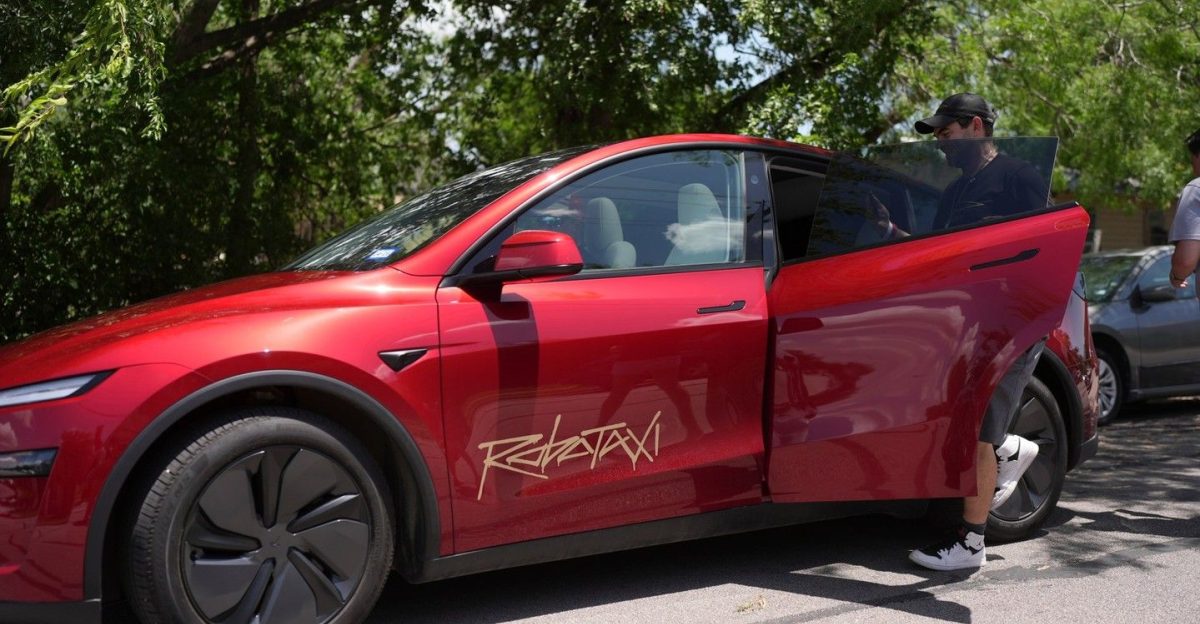
The Austin fleet began operating in June 2025, and problems started early. Between July and November, Tesla’s robotaxis recorded nine crashes over about 500,000 miles—one collision every 55,000 miles. The average American driver crashes once every 229,000 miles.
Every Tesla robotaxi involved in those crashes had a human safety monitor in the passenger seat. These vehicles crashed about four times more often than human drivers, even with a monitor present. Tesla documented every incident through official filings.
Blacked Out
Those filings told regulators almost nothing. Every crash narrative Tesla submitted to NHTSA carried an identical stamp: “[REDACTED, MAY CONTAIN CONFIDENTIAL BUSINESS INFORMATION].” Waymo, by contrast, publishes full incident narratives for its fleet, including crashes involving children. Tesla has used every procedural tool—blanket redactions, deadline extensions, and confidentiality claims—to limit what regulators can review.
The redactions were not passive. Tesla sought multiple deadline extensions from NHTSA on full crash data delivery, and federal regulators formally flagged the company for abuse of its confidentiality rights. NHTSA set a hard deadline of March 9, 2026, to force Tesla’s hand. Tesla stalled the federal agency tasked with reviewing the company.
The Lie
Musk’s “no safety monitor” announcement was fiction. Within days, reporting confirmed the “driverless” vehicles were shadowed by company cars loaded with safety personnel. During the original supervised launch months earlier, at least one safety monitor had to physically climb from the passenger seat into the driver’s position to steer the vehicle out of a parking lot.
A car designed to navigate city streets alone could not handle a parking exit with a monitor aboard. Fourteen crashes in eight months. Every detail hidden. The CEO tweeted “congrats” to his engineering team.
The Real Problem
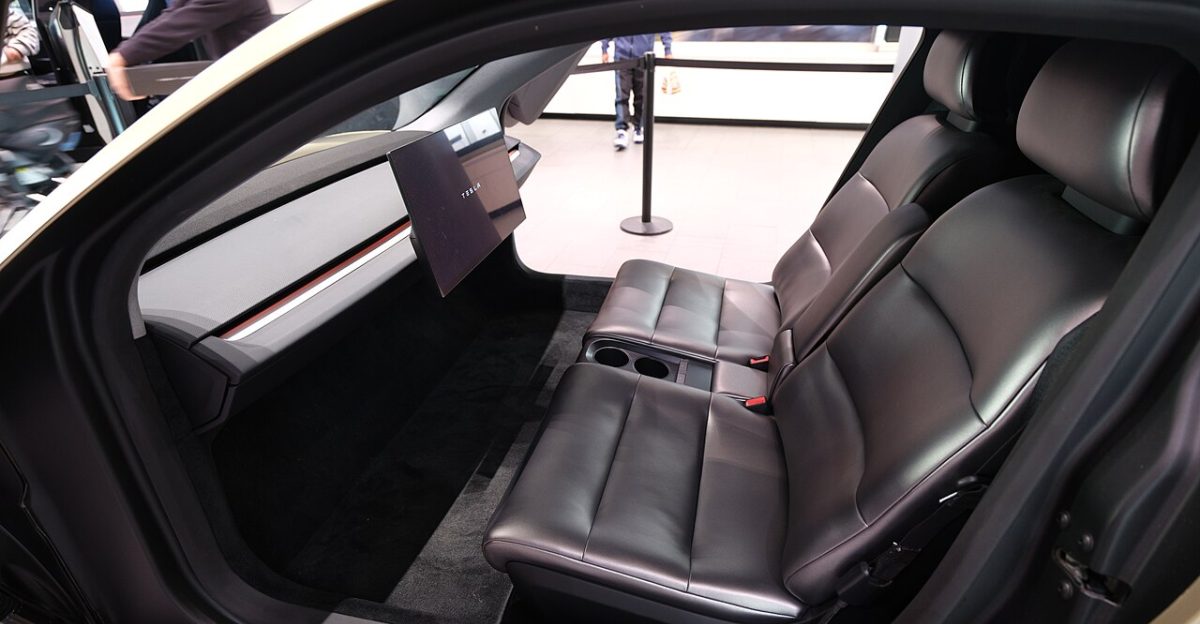
The problem is not just bad software. Tesla’s Cybercab has no steering wheel, no pedals, and about 60% fewer components than a Model Y. The business model targets a $30,000 unit cost, and that number only works if nobody sits in the car collecting a paycheck.
Unsupervised operation supports the financial foundation. But FSD cannot safely operate without human intervention, as 14 crashes with monitors present prove. Tesla hid the gap between the business plan and reality.
Two Fleets
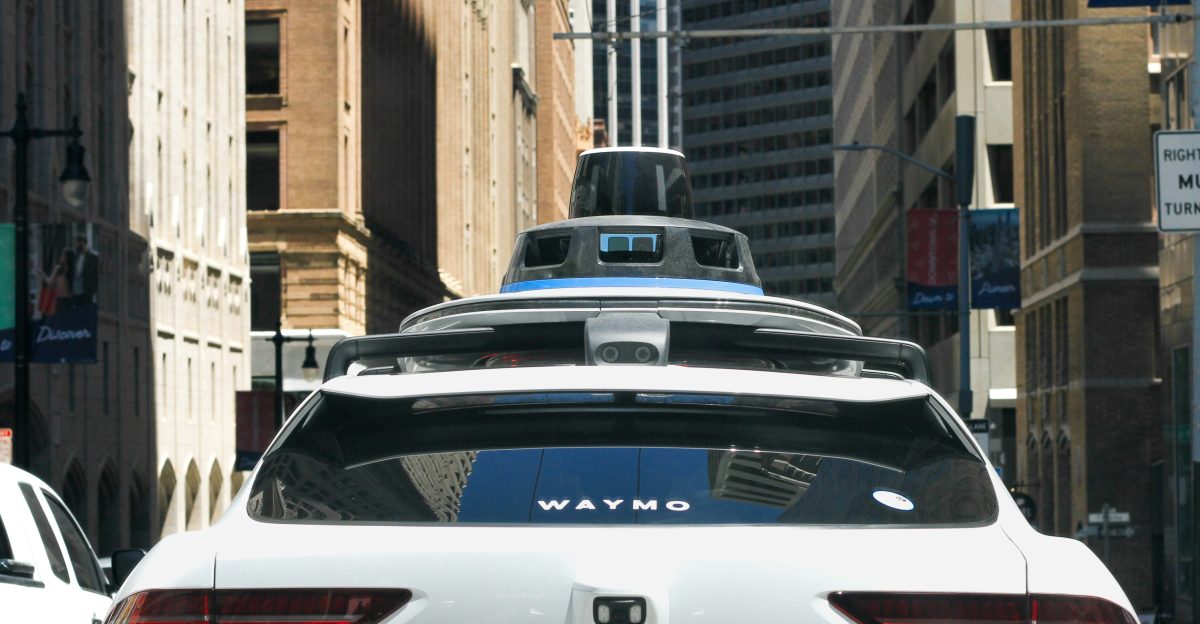
The contrast is clear. Waymo has logged 150 million fully driverless miles across multiple cities with crash rates below human averages. Tesla has logged about 800,000 supervised miles in a single geofenced Austin zone.
California filings reveal Tesla has applied for no driverless permits in the state, logged virtually zero autonomous test miles there, and any California operations legally require a human safety driver. The branding says autonomous, but the paperwork proves otherwise.
Seven Cities
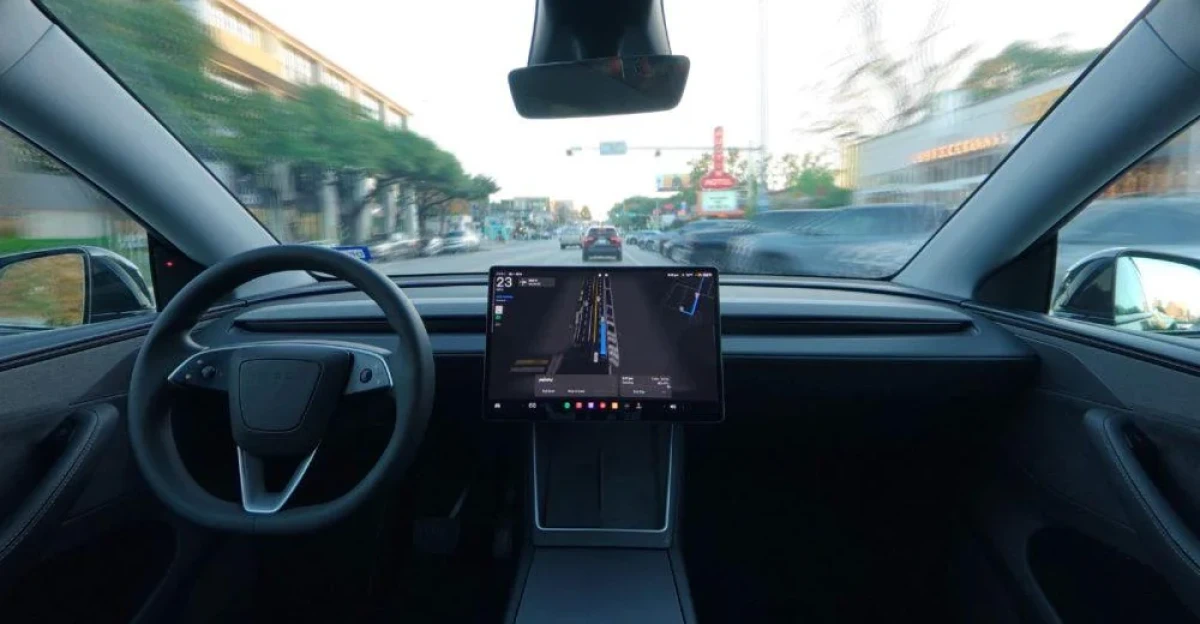
Tesla plans to expand into Dallas, Houston, Phoenix, Las Vegas, Miami, Orlando, and Tampa by mid-2026. Seven new cities. Pedestrians, cyclists, school zones. NHTSA already has an open investigation covering millions of Tesla vehicles over FSD concerns.
Traffic safety attorney Amy Witherite put it plainly: “If you’re going to remove the driver from behind the wheel… it is incumbent upon you to be transparent about what’s happening.” Tesla’s response to that obligation has been identical redaction stamps on every crash report filed.
The Pattern
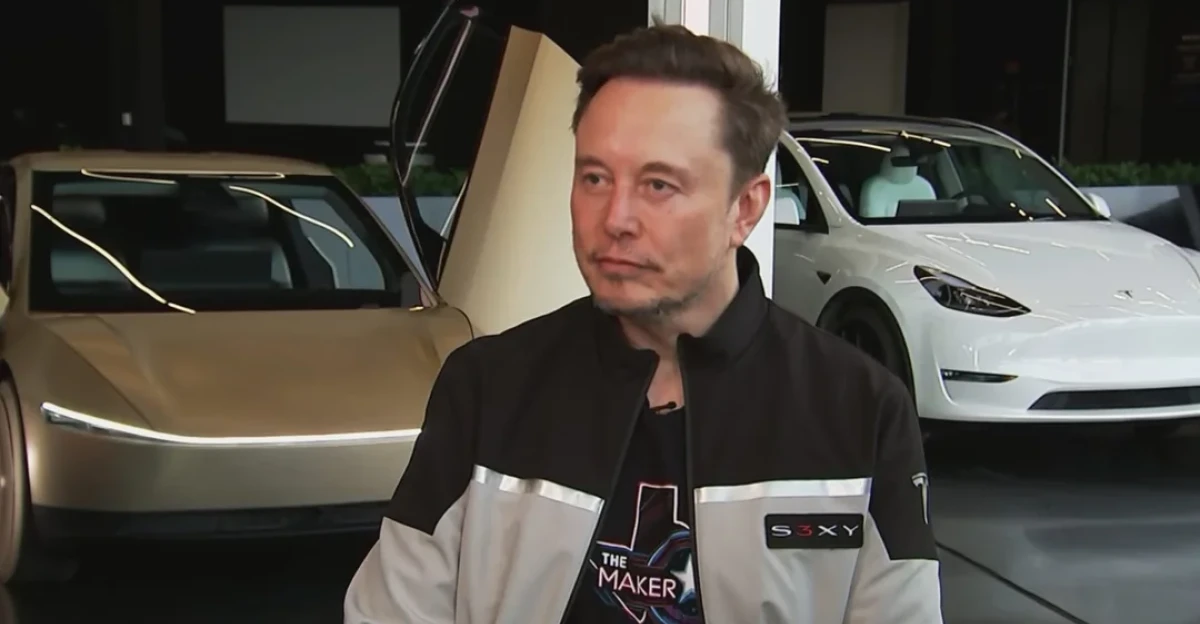
Throughout 2025, Musk made sweeping public promises about rapid nationwide robotaxi deployment by year’s end. The service stayed in one geofenced Austin area for the entire year. The largest missed autonomous vehicle timeline in industry history, followed by an “unsupervised” launch that required supervision within days.
This company manages announcements, not engineering problems. Every redaction, every rebrand of a supervised car as a “robotaxi,” every missed deadline follows the same logic: protect the narrative until scale makes failure undeniable.
The Clock
The math gets worse at scale. If Tesla’s current crash rate holds across a larger fleet, the collisions multiply in every city where these vehicles operate. Regulators cannot enforce safety standards, they cannot read through redaction stamps.
Cities granting deployment permits have no independent crash analysis to review. The 14 documented crashes likely undercount the real failure rate, since every near-miss that a safety monitor corrected by grabbing the wheel never appears in any filing. The actual number remains hidden by design.
Your Move
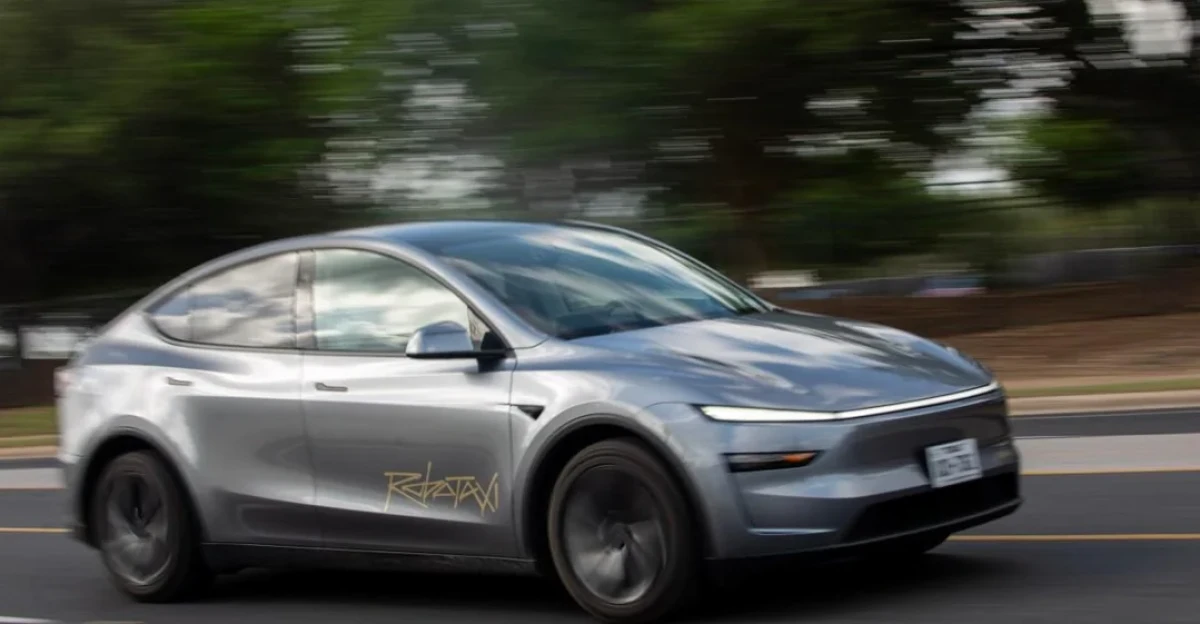
The regulatory framework has no mechanism to force Tesla’s hand. The company can request confidentiality, delay review, and expand into new markets while NHTSA investigates a system running on millions of vehicles.
Cities considering deployment approvals face a choice with no data to guide them. Tesla built a system of information asymmetry so complete that regulators, competitors, and passengers all operate blind. The only people who know how dangerous these robotaxis are work inside Tesla. Every answer stamped “REDACTED.”
Sources:
Bloomberg — Tesla’s Austin Robotaxis Report 14 Crashes in First Eight Months — February 17, 2026
Electrek — Tesla Robotaxi Adds 5 More Crashes in Austin in a Month, 4x Worse Than Humans — February 17, 2026
Electrek — Tesla Didn’t Remove the Robotaxi Safety Monitor — It Just Moved Them to a Trailing Car — January 22, 2026
Electrek — Tesla Is Having a Hard Time Turning Over Its FSD Traffic Violation Data — February 23, 2026
Futurism — Tesla Robotaxi Safety Monitor Forced to Clamber Into Driver’s Seat — June 26, 2025
Teslarati — Tesla Confirms Robotaxi Expansion Plans With New Cities, Aggressive Timeline — January 28, 2026