Ford Promises ‘Same-Day’ F-150 Repairs While 5,000 Mechanic Jobs Sit Empty
Somewhere in Michigan, a team of 25 people watches repair orders scroll across screens in real time. Every Ford dealer in the network, every stalled truck, every ticking clock visible from one room. The mission, handed down by VP Daniel Justo himself: “We want customers to be back on the road the same day.” Ford launched Uptime Assist in early 2025 and enrolled dealers for free, betting that centralized monitoring could reshape how 35 million annual repair orders move through the system. The five-day average told a different story.
Every Idle Truck Burns Up to $1,000 a Day
Fleet operators already knew the math. Every truck sitting idle in a service bay burns between $500 and $1,000 per day in lost productivity. Multiply that across a five-day average repair window and a single broken F-150 can erase a week’s margin before anyone touches a wrench. Ford built Uptime Assist around that pain point, deploying AI tools, specialist hotlines, and a parts network hitting 97 percent availability. The infrastructure looked impressive on paper. The bottleneck was never on paper.
Fixing Paperwork While 5,000 Mechanic Jobs Go Unfilled
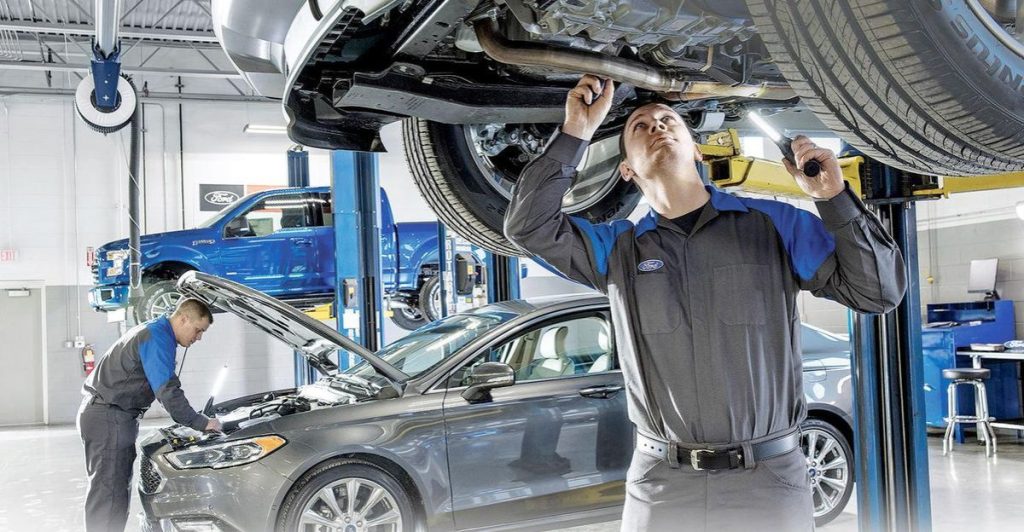
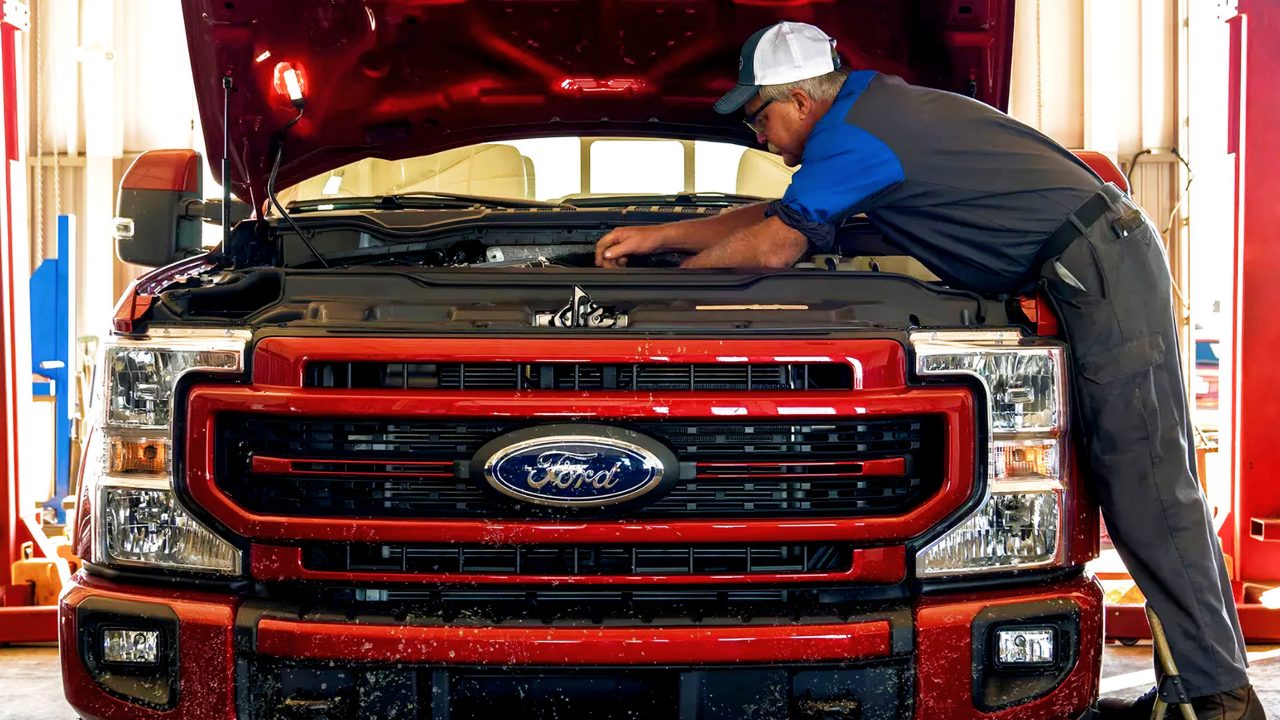
The assumption most people carry into a dealership waiting room is simple: service is slow because dealers are disorganized. Ford leaned into that narrative. Uptime Assist flags any repair drifting past two days. Specialist hotlines slashed resolution times from eight hours to twenty minutes in some cases. AI now catches paperwork errors before they stall claims processing. Every fix targets administrative friction. Which would matter enormously if administrative friction were actually the problem. Ford’s own CEO admitted the company cannot fill 5,000 mechanic positions paying $120,000 a year.
Same-Day Promises Meet a Four-and-a-Half-Day Reality
Justo’s same-day pledge collides with Ford’s own baseline data: 70 percent of repairs finish within two days, but the network average still hovers around five. That means 30 percent of jobs drag so long they warp the entire curve. Uptime Assist delivered a 10 to 15 percent improvement. Roughly half a day shaved off. Half a day off a five-day wait. Ford built a command center, hired hundreds of global call center staff, and integrated AI into service manuals. The average dropped from five days to four and a half.
5,000 Empty Bays With No One Standing in Them
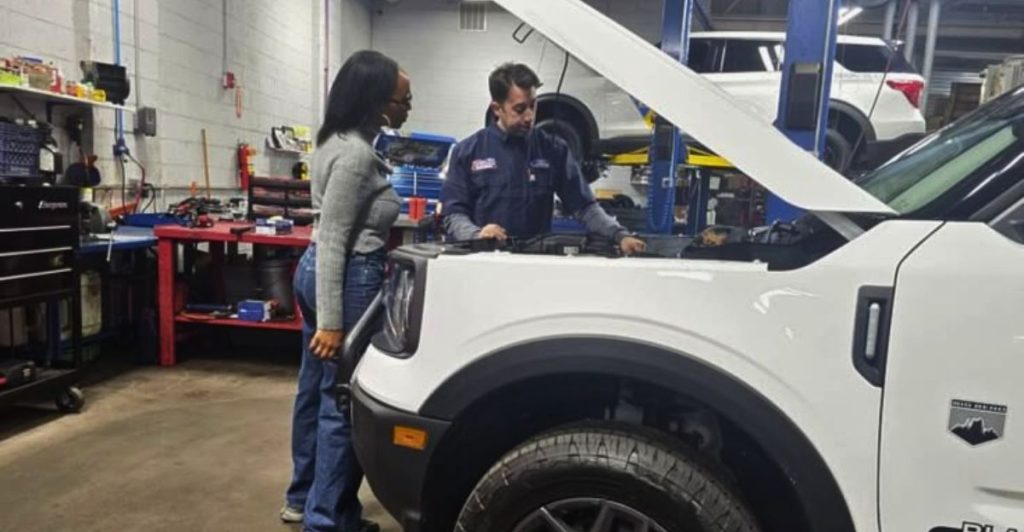
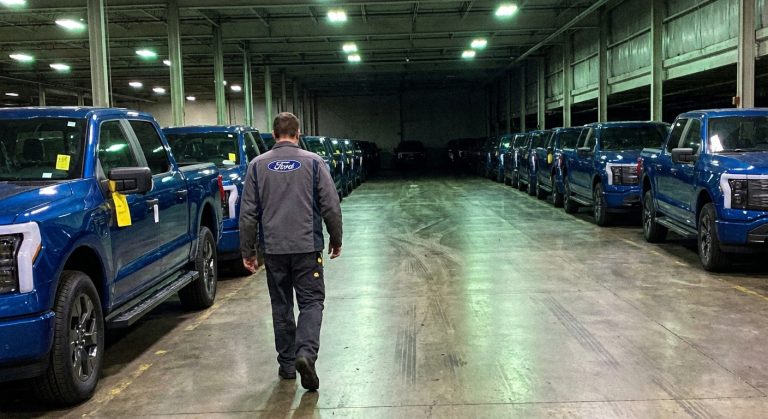
Every element of Uptime Assist assumes the constraint is procedural. Parts availability? Ninety-seven percent. Diagnostic support? Twenty-minute specialist calls. Paperwork errors? AI catches them. The system optimizes everything surrounding the repair except the repair itself. Five thousand empty bays with no technician standing in them cannot be monitored into productivity. Ford is perfecting the waiting room experience while the waiting room stays full. The labor shortage is not a side effect of slow service. Slow service is a side effect of the labor shortage.
A $1,363 Repair Uptime Assist Cannot Touch
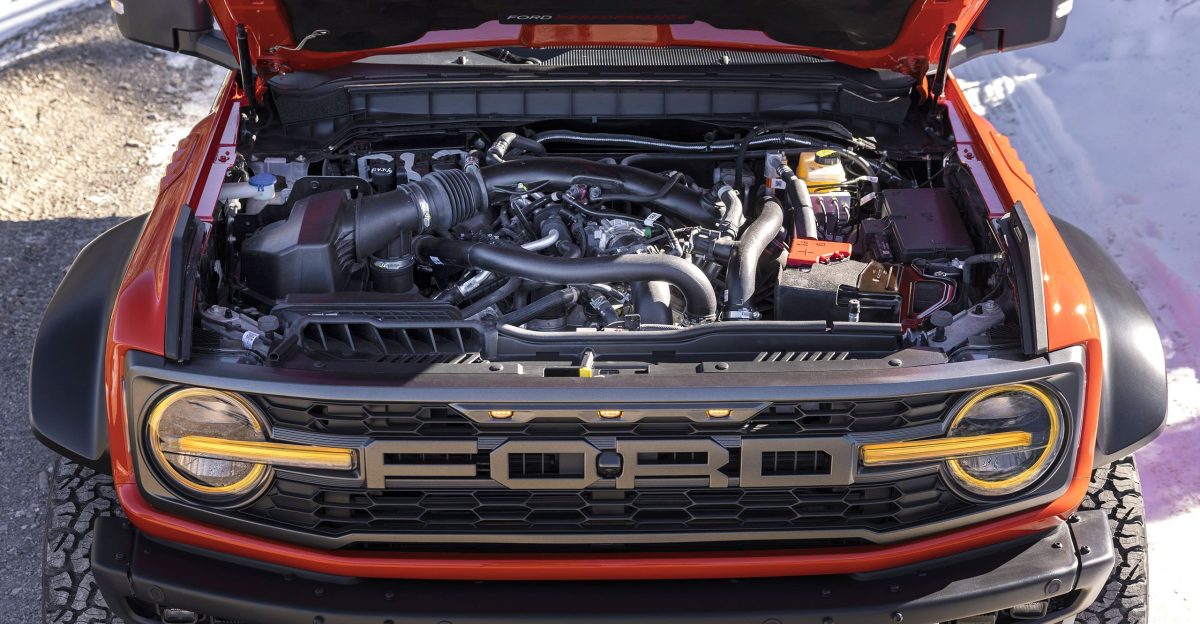
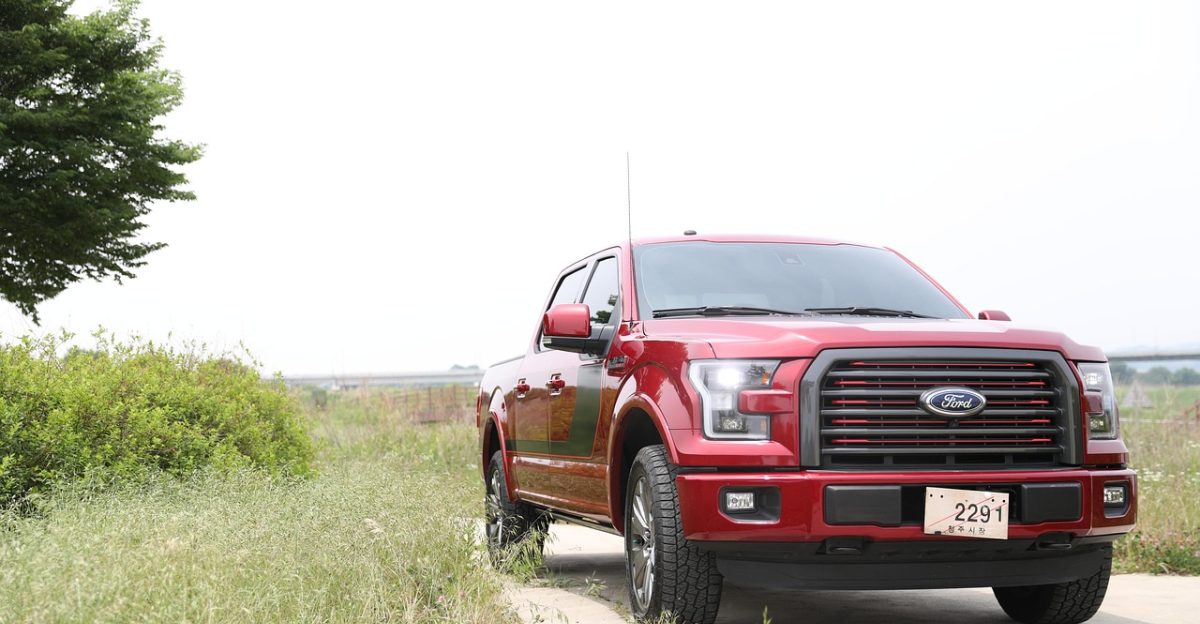
One F-150 owner documented the reality Uptime Assist cannot touch. A cam phaser cold-start rattle, a well-known recurring defect, required $1,363.45 in repairs outside warranty. Phaser replacement, oil change, gaskets, seals, antifreeze. Only after negotiating with Ford corporate did the owner receive financial assistance. Fleet operators losing $1,000 daily get centralized attention. Individual owners paying four figures out of pocket get a phone number. The efficiency gains flow toward commercial volume, not toward the person writing the check at the service counter.
2 Million Recalls Competing for the Same Service Bays
Looming behind Uptime Assist sits an NHTSA recall affecting 2 million 2015 through 2018 F-150s for seat belt pretensioner fire risk. Dealers face penalties of $27,168 per vehicle for non-compliance. Those recalls consume the same service bays, the same technicians, and the same hours that Uptime Assist needs for its same-day targets. When 2 million trucks need safety work and 5,000 mechanic positions remain vacant, every efficiency gain from centralized monitoring gets absorbed by mandatory recall volume.
Centralized Monitoring and the End of Dealer Autonomy
Ford’s centralized command architecture represents the first major OEM real-time repair monitoring network. Competitors lag behind. But the precedent being set is not about speed. Dealer autonomy is permanently ceded the moment every repair order becomes visible to a Michigan control room. Performance pressure flows downward. Independent repair shops lose customers as Ford centralizes diagnostics and parts supply through its dealer network. The five-day average has been an industry standard for decades. A 10 to 15 percent improvement within one year sounds substantial until you realize it moved the needle from terrible to slightly less terrible.
When Customer Benefit Becomes a Triage Tool
As recalls pile up and the mechanic shortage deepens, Uptime Assist will pivot from customer benefit to triage tool. Recall work gets prioritized because penalties demand it. Regular maintenance gets pushed. Warranty repairs slide down the queue. Fleet managers who built budgets around $500-per-day downtime savings will watch those savings evaporate when their trucks compete for bay time with 2 million fire-risk recalls. Ford’s South American operations already manage 600 suppliers, 150,000 SKUs, and 400 dealers through AI forecasting. Complexity is growing faster than capacity.
No Algorithm Can Solve a Hiring Crisis
The person who understands this story walks into a dealership knowing something most customers do not: Uptime Assist optimizes the signal, not the service. Parts are stocked. Hotlines are staffed. AI catches clerical mistakes. None of that puts a wrench in a technician’s hand. Ford offered $120,000 salaries and still left 5,000 positions vacant. The next time a service adviser quotes a three-day turnaround with an apologetic shrug, the real question is whether Ford can hire its way out of a crisis no algorithm can solve.
Sources:
“Ford Wants Your F-150 Fixed Before You Finish Your Coffee.” Carscoops, 27 Feb 2026.
“Ford CEO Has 5,000 Open Mechanic Jobs With Up to 6-Figure Salaries.” Yahoo Finance / Office Hours: Business Edition podcast recap, 31 Jan 2026.
“Part 573 Safety Recall Report 18V-568 (2015–2018 Ford F-150 Seat Belt Pretensioner Fire Risk).” National Highway Traffic Safety Administration, 6 Sep 2018.
“Ford Flags Severe Shortage as 5,000 Mechanic Jobs Go Unfilled Despite $120K Salaries.” Firstpost, 15 Nov 2025.