Automakers Dump PHEVs After Largest Emissions Study Ever Exposes 300% Fuel Lie On 1.4M Vehicles
The largest real-world emissions study ever conducted just gutted the plug-in hybrid industry. Fraunhofer ISI and Ariadne Projekt researchers analyzed over 1.4 million European PHEVs using onboard fuel consumption monitoring data and found drivers burn 6.0 to 6.2 liters per 100 kilometers. Manufacturers claimed 1.25. That gap exceeds 300%. Multiple automakers are now publicly distancing themselves from the technology, with Polestar and Renault leading the rejection and Stellantis retreating after a €22.3 billion loss. The number everyone saw was fake, and the cascade from that fakeness reaches further than anyone expected.
Built to Fail
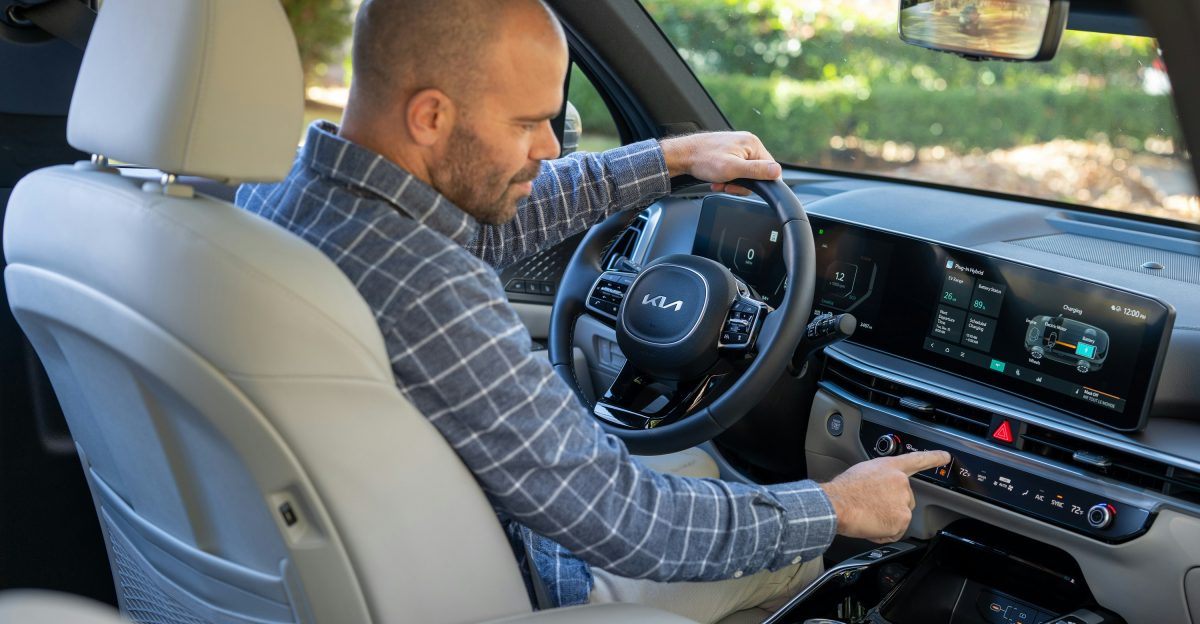
The emissions gap isn’t a glitch. Transport & Environment found that current PHEVs carry combustion engines 1.6 times more powerful than their electric motors. Optimal design demands the inverse: electric motors at least twice as powerful as the engine. That power imbalance means the gas engine kicks in constantly during supposedly electric driving. Add the reality that an estimated 60 to 80 percent of European PHEV owners rarely charge, and the architecture collapses. The testing model assumed disciplined daily charging. The product was engineered for people who don’t do that. Stellantis absorbed the financial proof of that mismatch.
Your Fuel Bill
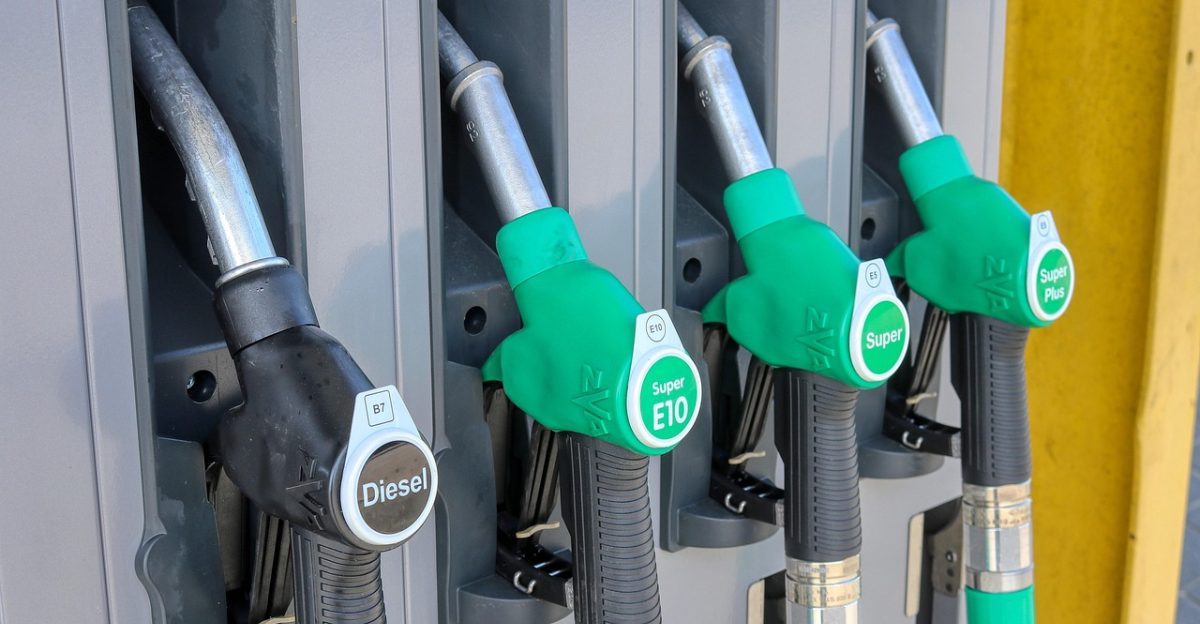
For the average European PHEV driver, the gap between promised efficiency and actual consumption translates to an estimated €500 to €900 per year in extra fuel costs, depending on methodology. That figure comes from burning nearly five times the advertised fuel across a typical 15,000-kilometer year. Multiply that across 1.4 million vehicles, and the collective overspend is staggering. Owners bought these cars believing the sticker. The sticker was built on laboratory assumptions that never matched a single real commute. The grocery run, the school pickup, the highway merge: all burning gas, the brochure said you wouldn’t need.
Corporate Scramble
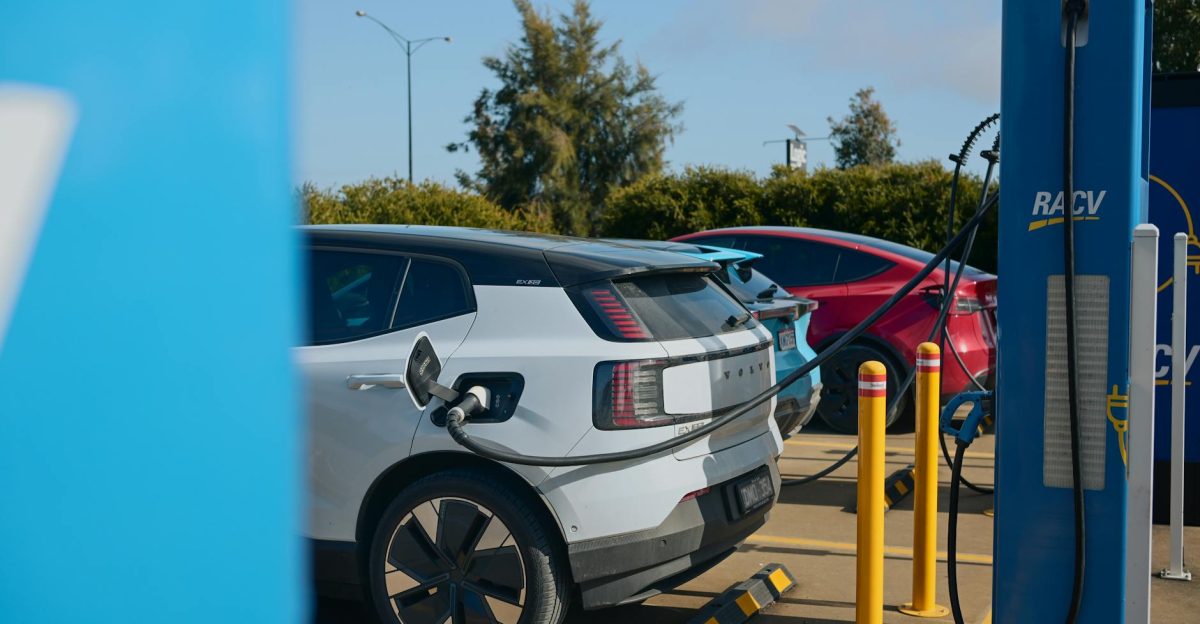
Polestar Australia managing director Scott Maynard declared PHEVs “the worst of both worlds,” saying they have “all the complexity of a petrol engine with the added engineering of an electric drivetrain as well.” Renault CEO François Provost went further, calling short-range plug-in hybrids “fake,” saying, “The electric range is too short, and customers are not motivated to charge them.” Polestar maintains an EV-only strategy. Renault is investing in range-extender architecture instead. Stellantis, after its €22.3 billion loss, admitted it overestimated “the speed of the energy transition” and began reintroducing combustion options. Three companies, three different escape routes from the same sinking category.
Surprise Victims
The ripple crossed into territory nobody budgeted for. European battery and electric motor suppliers like Bosch, ZF, and Schaeffler (formerly Vitesco) designed PHEV components to current specifications. If the 2.0x motor-to-engine power ratio that Transport & Environment recommends becomes the standard, supply chain consolidation is expected, with smaller suppliers potentially exiting the market. One emissions study. And now the supply chain that built these drivetrains faces consolidation pressure from a product its own customers are abandoning. The companies that manufactured the compromise are now trapped by it.
The Rigged Clock
Here is the mechanism connecting every ripple. European emissions regulations operate on a three-to-five-year lag behind real-world performance. Manufacturers optimize vehicles to pass laboratory tests. Regulators wait for onboard data to reveal the gap. Then they revise the standards years later. By then, the cars are sold. Profits banked. The correction hits consumers, not boardrooms. Factory floor to showroom to driveway to depreciation notice. That cycle just restarted: utility factor corrections arrive in 2025/26 for new models and 2027/28 for existing ones. Same lag. Same winners. This echoes the first major regulatory correction, which addressed diesel emissions cheating by introducing real-driving emissions testing and the WLTP test cycle itself. Now, regulators are correcting PHEV emissions gaps within that same framework. The pattern is clear: the regulatory model chases industry deception rather than preventing it. And each correction cycle creates a new class of stranded assets.
Voices Inside
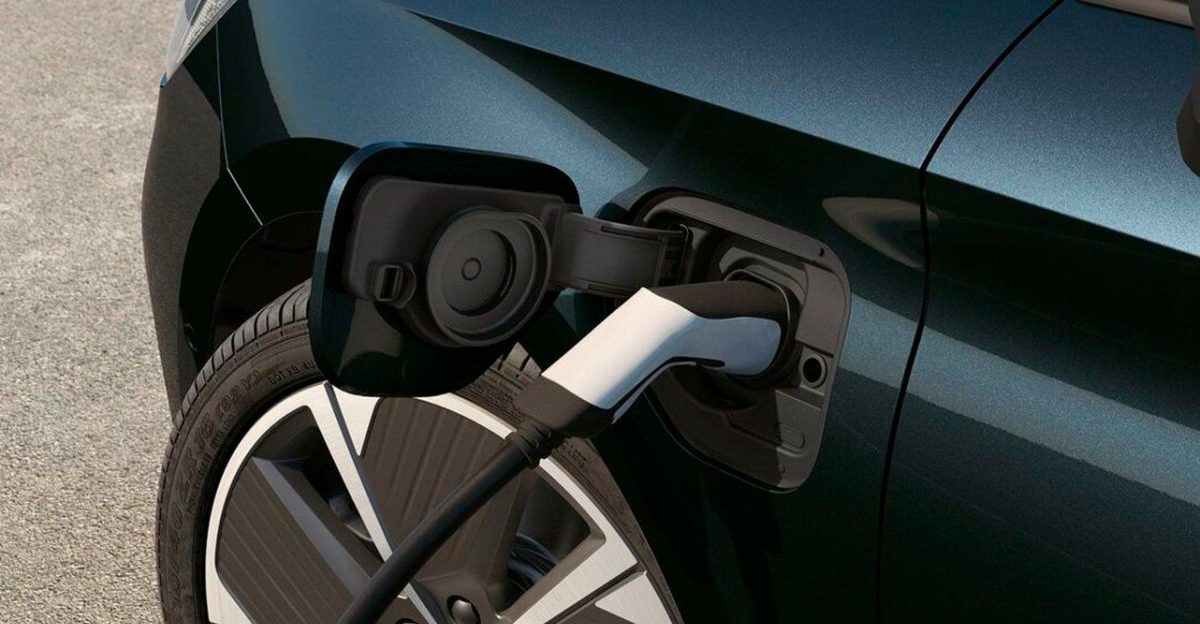
Fraunhofer ISI/Öko Institute study authors stated it plainly: PHEVs’ “real-world CO₂ emissions are three to five times higher than the type-approval values.” These vehicles “only offer climate benefits over conventional combustion engines when operating in battery-electric mode,” and most owners almost never do. The study used onboard fuel consumption monitoring, not surveys or estimates. Actual liters burned by actual drivers on actual roads. When the data comes from the car itself, there is nowhere left to hide. That finding now shadows every PHEV on every dealer lot in Europe.
New Rules Coming
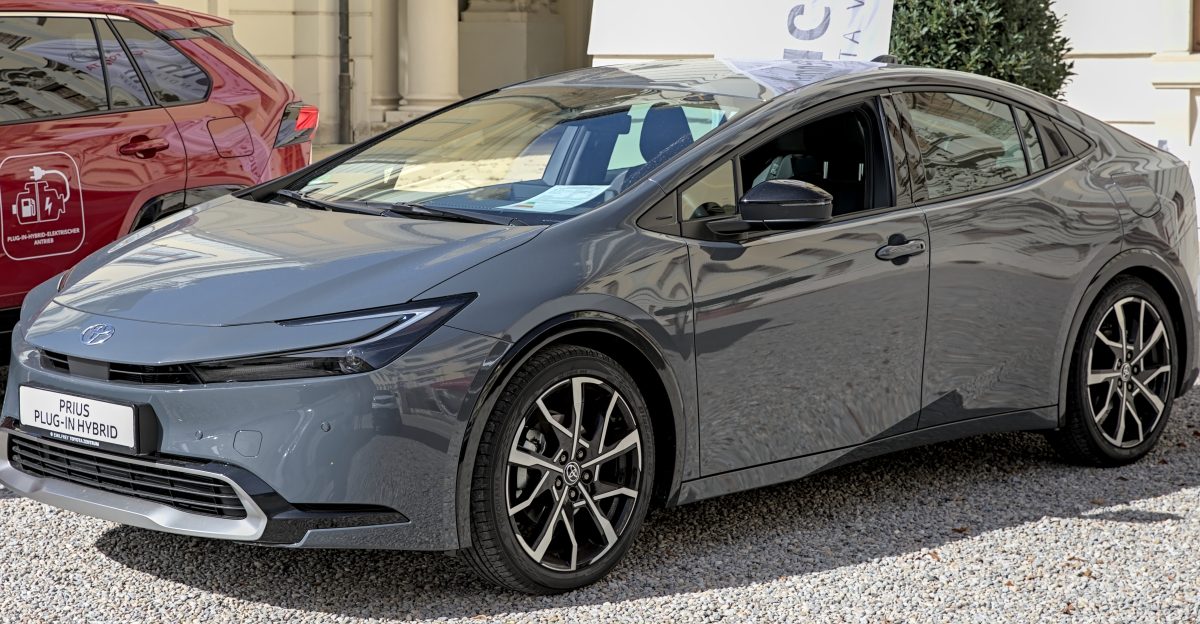
The European Commission’s utility factor corrections will slash the assumed electric driving share for PHEVs. A vehicle with 70 kilometers of electric range currently gets credited with approximately 54% electric operation. The revised utility factor would drop to approximately 34%. Vehicles compliant under the old rules become non-compliant under the new ones. The first major correction cycle followed the diesel emissions scandal, which prompted the shift from NEDC to WLTP testing. Now regulators are correcting PHEV emissions gaps. The pattern is clear: the regulatory model chases industry deception rather than preventing it. And each correction cycle creates a new class of stranded assets.
Winners and Losers
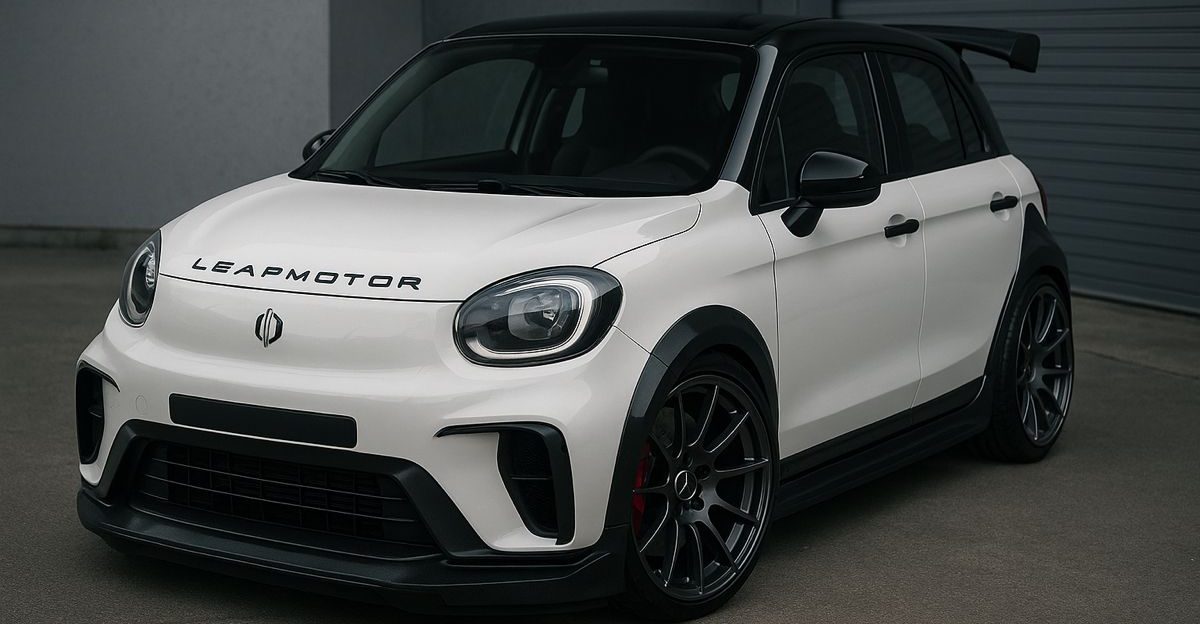
The 1.4 million European PHEV owners face estimated resale value losses of 30 to 50 percent as regulatory corrections render their vehicles non-compliant by 2028. Automakers escape through product rebranding. Renault pivots to range-extenders. Stellantis partners with Chinese automaker Leapmotor, whose C10 is WLTP-rated at just 10 grams of CO₂ per kilometer—the same test methodology that understated PHEV emissions. Chinese manufacturers could position their range-extenders as pre-certified for 2027/28 standards, claiming superior real-world performance. European engineers couldn’t solve the emissions gap. Chinese engineers might market the solution. The credibility shift is already underway.
Not Over
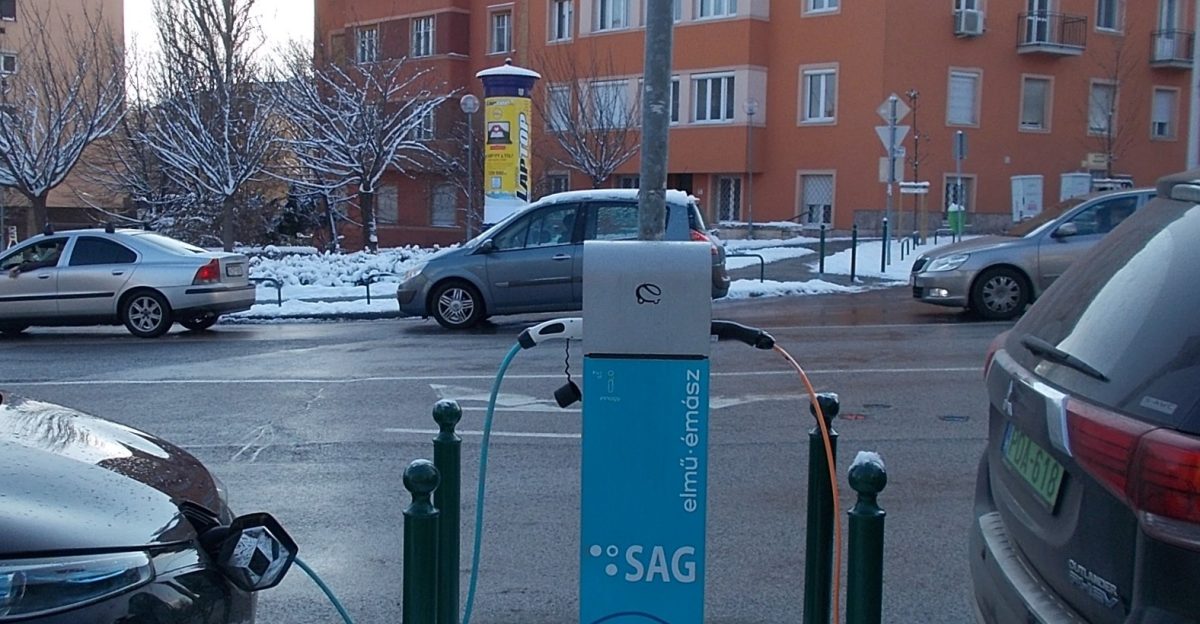
The cascade accelerates from here. Renault’s range-extender solution carries a fuel tank enabling an extended petrol-only range, potentially rivaling most PHEVs. If drivers skip charging the same way they skipped charging their plug-in hybrids, the identical emissions gap reopens under a new name. The regulatory clock resets. The three-to-five-year lag begins again. Different label, same physics, same human behavior. Anyone who now understands that cycle sees what most people will take years to figure out: the product changed, the problem didn’t.
Sources:
“Real-world Fuel Consumption and Potential Future Regulation of Plug-In Hybrid Electric Vehicles in Europe – An Empirical Analysis.” Fraunhofer ISI / Ariadne Projekt, Nov 2025.
“Smoke Screen: The Growing PHEV Emissions Scandal.” Transport & Environment, Oct 2025.
“Polestar: PHEVs Are the ‘Worst of Both Worlds.'” Carsales, 3 Mar 2026.
“Stellantis Reports Full Year 2025 Financial Results.” Stellantis N.V., 26 Feb 2026.