Porsche Scraps Electric Flagship SUV Launch After 99% Profit Collapse—V8 Debuts In Its Largest Vehicle Ever
Porsche announced an 80% electric lineup by 2030, but its flagship K1 SUV will launch with a V8 instead of a battery pack. The vehicle was designed to showcase the brand’s EV ambitions on Volkswagen’s SSP platform. Autocar reported earlier this year that software delays, weakening EV demand, and collapsing profits forced a complete plan change. H1 operating profits fell sharply, signaling deep financial strain. The shift exposes how fragile Porsche’s EV strategy has become. Understanding the scale of these losses shows why the K1’s debut is now a combustion-focused launch.
K1 Reconfigured With Multiple Powertrains
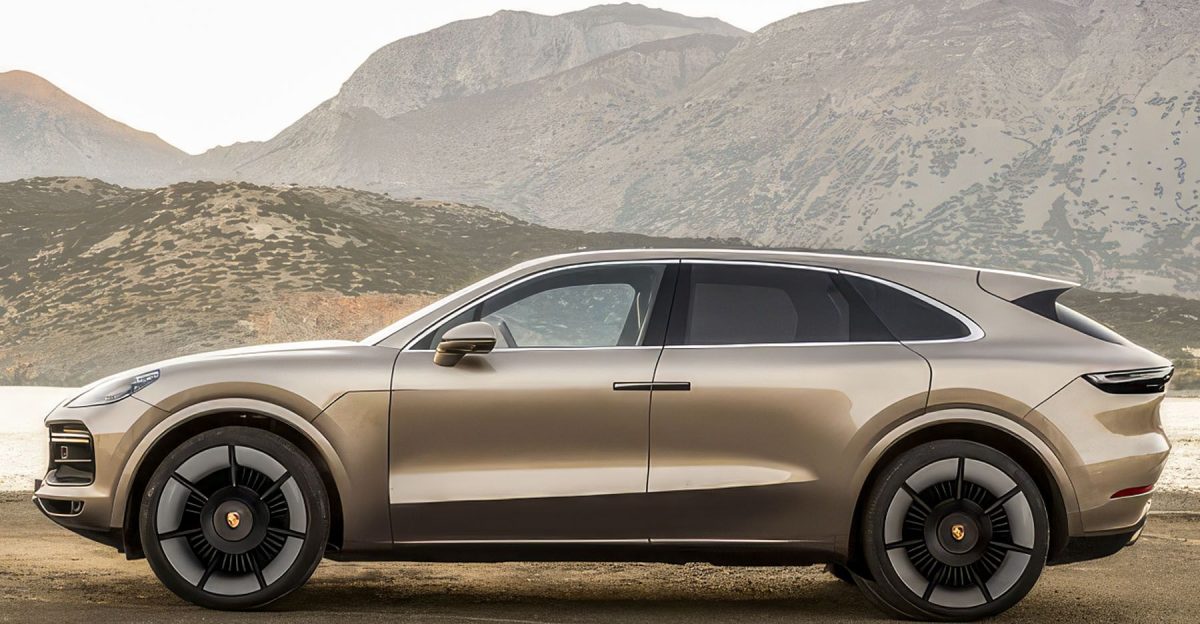
Autocar confirmed earlier this year that the K1 will arrive with V6, V8, and plug-in hybrid engines on the PPC platform. Jalopnik noted late in winter that an electric version remains “planned for later in the decade,” without a fixed date. Porsche’s decision reflects urgent operational adjustments after profit declines. Analysts say the change is linked to engineering delays and shifting demand patterns. The company is prioritizing production feasibility and cost management over a pure EV rollout. Each revised powertrain represents a strategic response to pressure on revenue and margin.
Porsche’s Largest Vehicle Ever
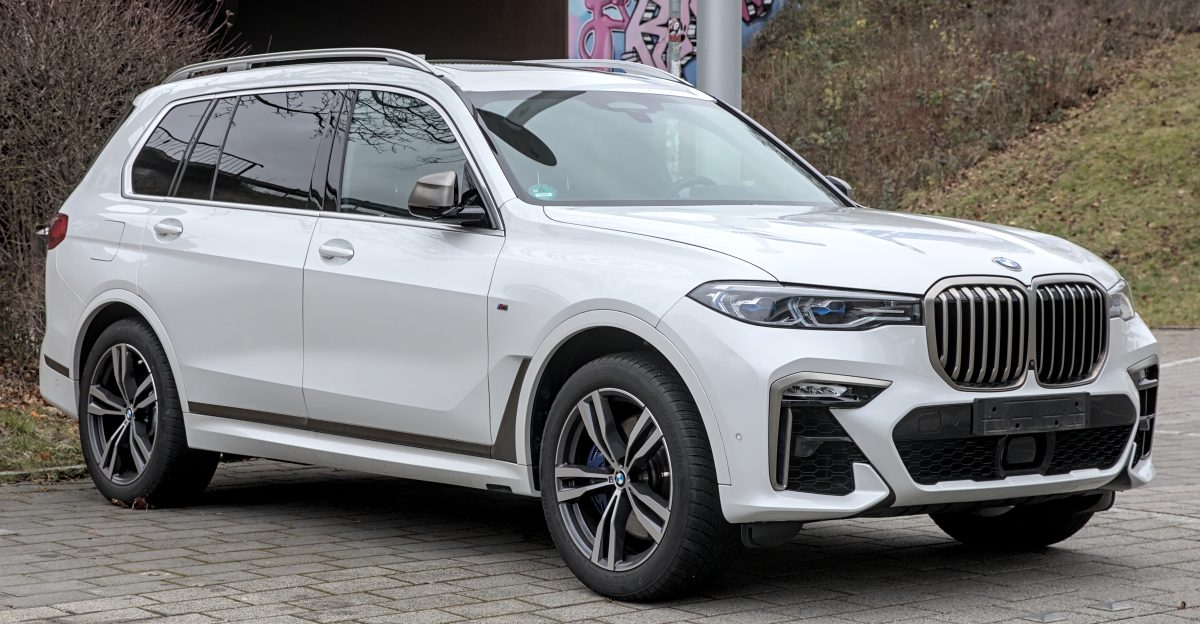
The K1 will be Porsche’s largest vehicle, exceeding five meters in length and offering 4, 5, and 7-seat layouts, according to Autocar on February. Cars24 reported it will share hardware with Audi’s Q9, targeting BMW X7 and Mercedes GLS. The SUV was intended as an EV halo to prove Porsche could scale electric luxury. Jalopnik outlined in late February that the original EV specification would have showcased brand leadership. Its revised launch plan now prioritizes proven combustion systems. The scale of the vehicle underscores the challenge of transitioning Porsche’s largest model to electric.
“Delays…Have Pushed Porsche To Combustion”
“In earlier plans the K1 was a purely electric model on SSP. However, delays in that architecture’s engineering, especially its software, and a slowdown in EV interest centred on a rapid decline in Taycan sales have pushed Porsche to instead launch it with combustion power,” Autocar reported late this winter. These delays and shifting market interest forced Porsche to reconsider feasibility. The company now faces operational and financial constraints. Each postponed milestone amplifies pressure on delivery schedules and profit margins, making the K1 launch a signal of wider strategic adjustment.
Profit Falls 99% Amid EV Costs
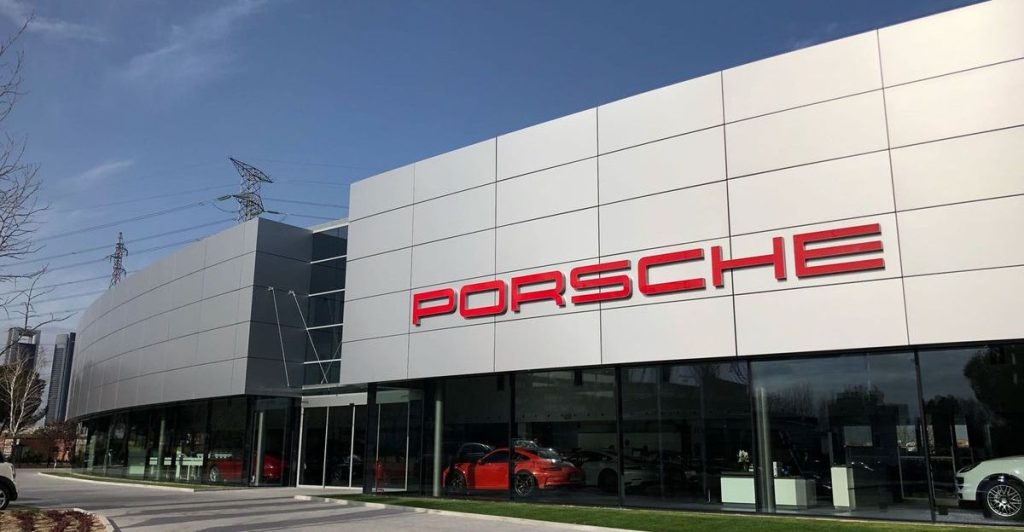
Porsche’s finances show the consequences of these changes. Longbridge reported late last summer that H1 operating profit dropped 67.1% from €3.06 billion ($3.3 billion) to €1.01 billion ($1.1 billion). CFO.com noted late in autumn that profit for the first nine months collapsed 99%, from €4.04 billion ($4.3 billion) to €40 million ($43 million), and margins fell from 14% to 0.2%. Rising EV development costs and platform delays drove these figures. Each decline forced reevaluation of major projects, including the K1, and affected the broader rollout strategy for Porsche’s electric models.
“This Year Will Be The Trough”
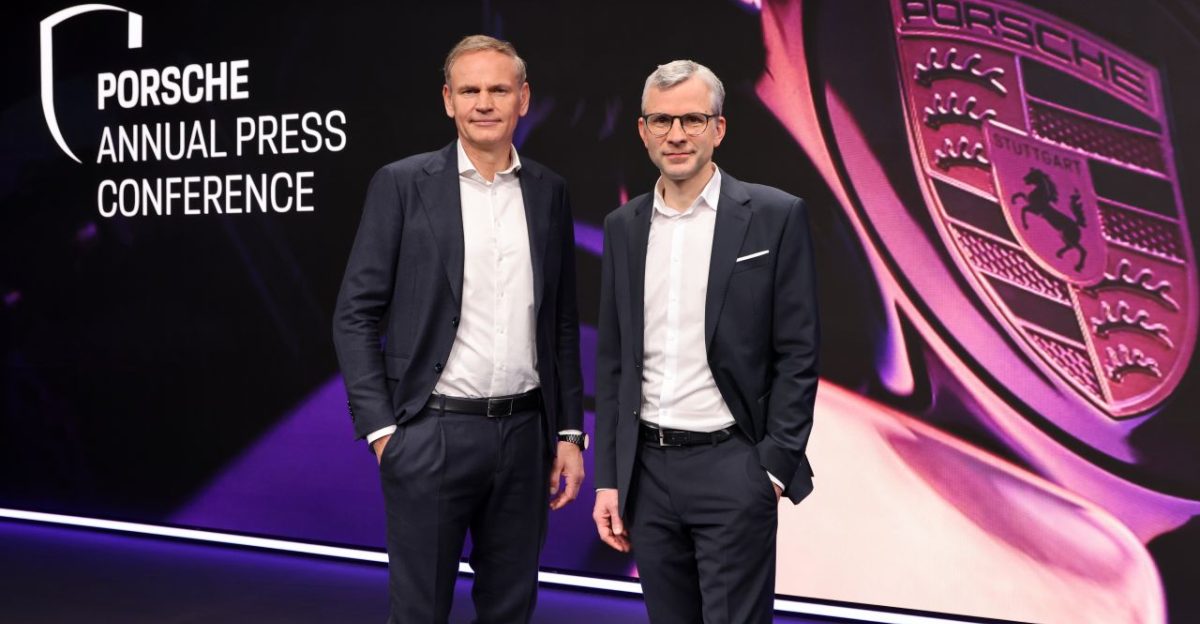
“We expect this year to be the trough that precedes a noticeable improvement from next year onwards,” CFO Jochen Breckner said in an interview cited by CFO.com late last autumn. Porsche forecast roughly €3.1 billion ($3.4 billion) in charges from EV write-downs, restructuring, and platform delays. Longbridge noted that R&D costs and North American tariffs contributed. Labeling the year a trough signals deep structural challenges. Investors and analysts recognized that operational adjustments would follow. Each step reflects an effort to stabilize finances before resuming development of EV models and refining production schedules.
Workforce And Factory Realignment
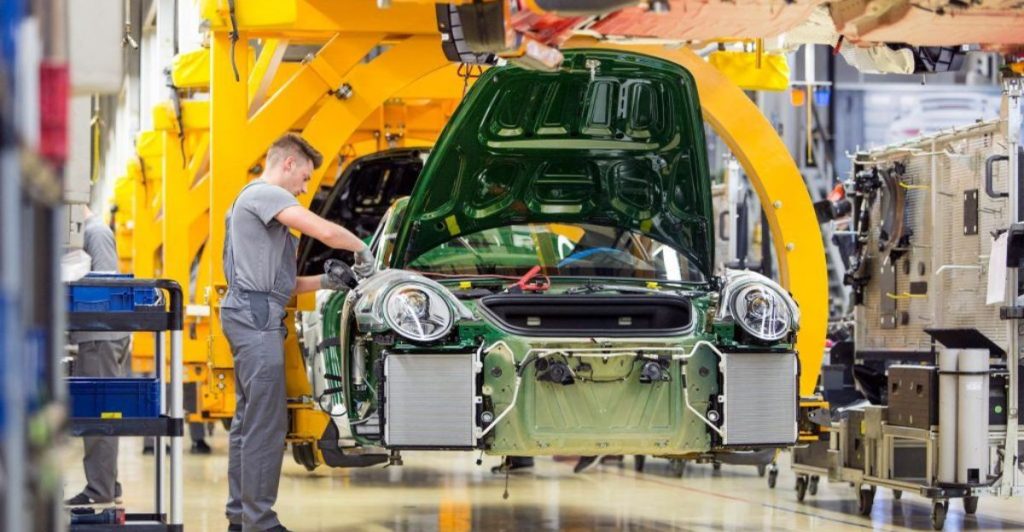
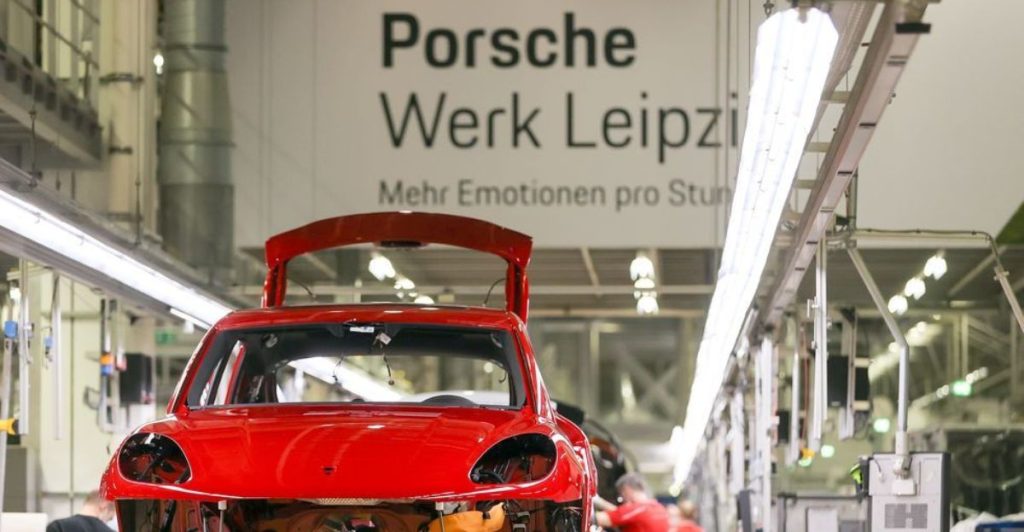
The K1’s production shift shows the human impact of Porsche’s strategy. Paul Tan reported earlier this year that the EV-only K1 was planned for Leipzig, but high German labor costs moved production to Volkswagen’s Bratislava plant. The Autopian noted late last year that 42,000 employees face a strategic realignment after former CEO Oliver Blume increased staff to meet a 400,000-car target. Production changes affect employees before customers. Each relocation reflects the broader cost pressures reshaping Porsche’s manufacturing footprint. Employees will encounter altered work assignments and timelines as the company aligns operations with revised vehicle plans.
Hybrid And Combustion Focus Returns
“Building a more balanced drivetrain portfolio beyond 2028 will strengthen our market position and support sustainable long-term growth,” former CEO Oliver Blume said in comments cited by 911Supercars earlier this year. Porsche’s approach now favors combustion and hybrid models despite prior commitments to an 80% EV lineup by 2030. Analysts noted that a compact ICE SUV is planned around 2028. The strategy illustrates a wider retreat from EV dominance. Each powertrain choice prioritizes financial and production certainty. Porsche is recalibrating, and the shift demonstrates how the company adjusts product planning under pressure.
Multiple EV Programs Reassessed
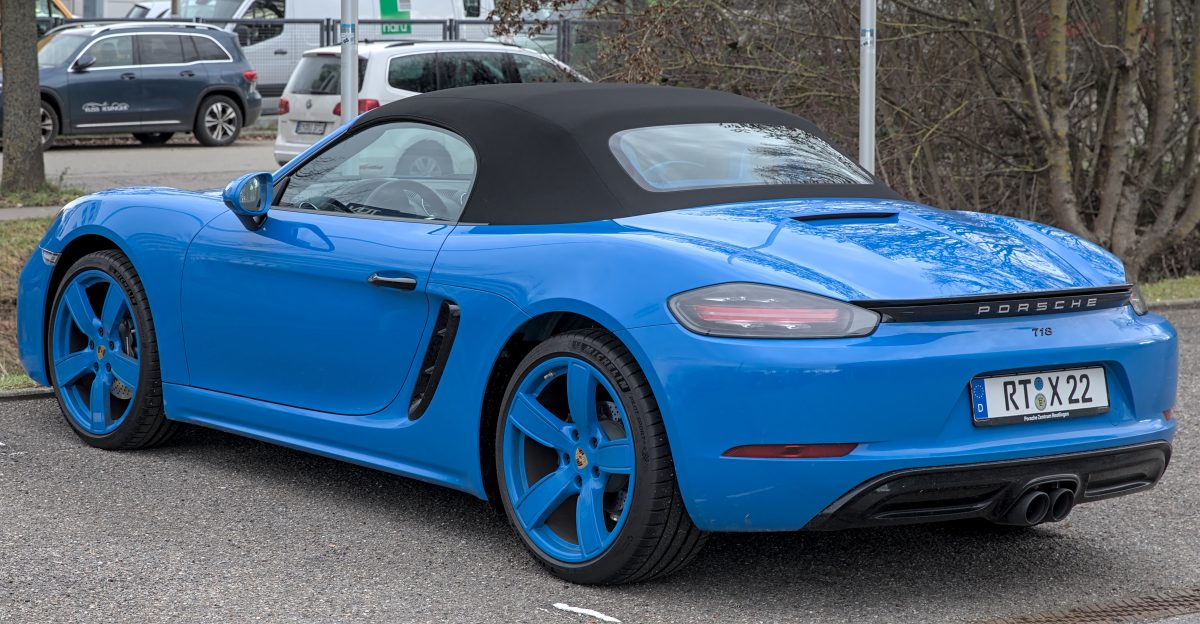
MotorIllustrated reported late last year that Porsche is reconsidering the electric 718 Boxster and Cayman programs after development costs rose and 718 sales fell 21% to 18,612 units. Taycan deliveries dropped 22% to 16,339, even as Macan EV reached roughly 60% of Macan sales early in the year. Longbridge noted that exiting the Cellforce solid-state battery venture cost €500 million ($537 million). Each of these adjustments shows the brand’s broader retrenchment from ambitious EV programs. These steps reflect a shift toward models that can stabilize revenue and limit financial risk while retaining partial electrification.
K1 Will Arrive With V8 Engines
Porsche’s largest SUV will reach showrooms around 2028 with a twin-turbo 4.0-liter V8, 3.0-liter V6, and plug-in hybrids, according to Autocar earlier this year. Any electric K1 is delayed until “later in the decade.” 911UK reported that total deliveries dropped 10% to 279,449 vehicles, the steepest decline in 16 years, as Cayenne Electric development continued in Bratislava. The K1’s launch emphasizes combustion power while EV transition progresses slowly. Each adjustment demonstrates the company’s operational recalibration. Buyers will encounter a new timeline for electrification, with the largest model leading with engines Porsche considers financially sustainable.
Sources:
Porsche K1 luxury SUV to be Audi Q9 twin with V6 and V8 power. Autocar, late February this year
Porsche’s operating profit plunges 99% as CFO manages EV reset. CFO.com, late October last year
Porsche’s profit plunged 67% in the first half, refocusing on margins. Longbridge, late July last year
Porsche sales slump the most in 16 years. 911UK, earlier this year
Porsche may scrap Boxster and Cayman EVs as cost pressures continue. MotorIllustrated, late last year