Tesla’s $243M Verdict Exposes 10 Years Of Musk’s Broken Self-Driving Promises
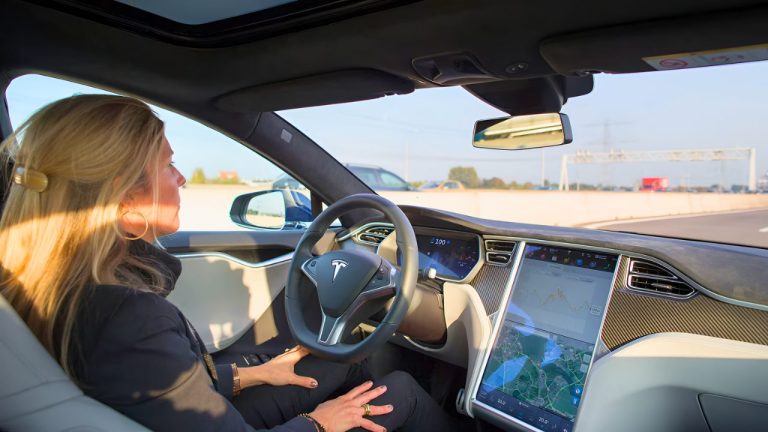
A Tesla on Autopilot sped along a Florida highway in 2019. The system detected an imminent collision, processed the danger, and calculated the closing distance. Then the car failed to act. No emergency braking, no evasive maneuver, no warning.
It struck a parked vehicle on the shoulder, killing a bystander standing beside it. Years later, a Miami federal jury brought that vehicle data into the public record and required Tesla to answer for what its software registered and ignored.
The Verdict
The jury found Tesla 33% liable and awarded $243 million in damages. Tesla rejected a $60 million settlement offer before trial, a decision that cost the company four times as much. Judge Beth Bloom refused to overturn the verdict in February 2026, stating the evidence supported the jury’s decision.
This marked the first major plaintiff victory in a wrongful death case against Tesla’s Autopilot program. One case set a precedent. Dozens of similar lawsuits are working through the courts.
The Promise
In 2016, Musk promised, “Within two years, you’ll be able to summon your car from across the country.” That was ten years ago. In 2019, he predicted a million robotaxis on the road by 2020. In 2020, he told an engineering conference he was confident Tesla would have basic Level 5 autonomy that year.
None of these deadlines resulted in delivery. After a decade of missed targets, critics and regulators have called for accountability.
The Design Bet
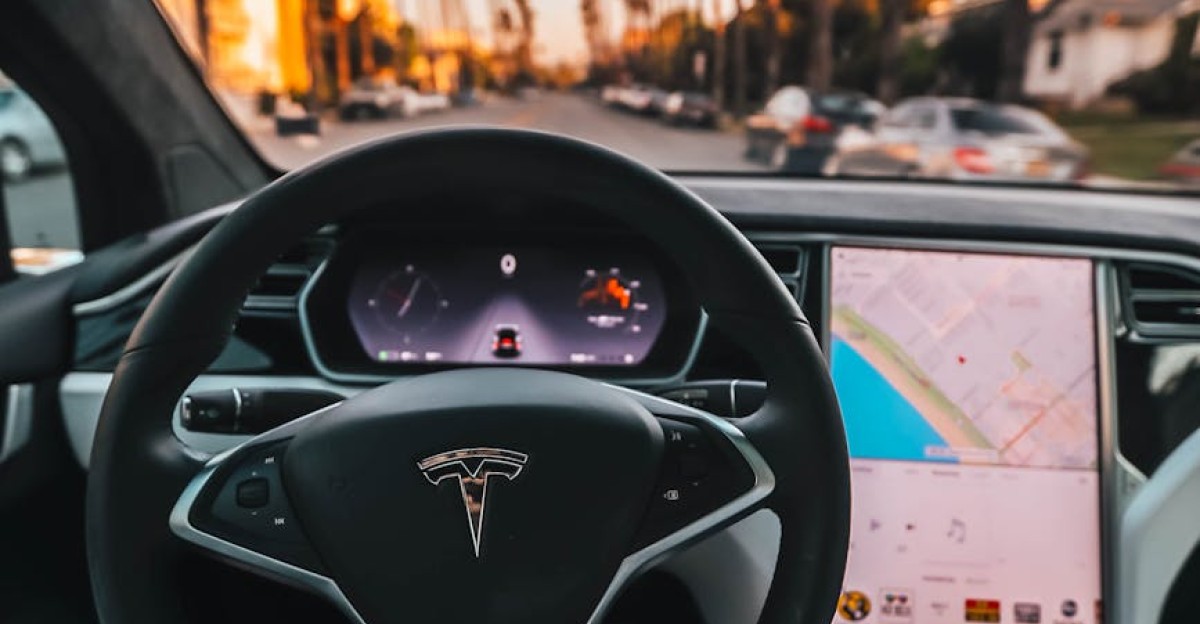
Musk redesigned Tesla vehicles with full autonomy in mind. Starting in 2021, the company removed turn signal stalks and gear shift levers from the Model S and Model X, treating these physical controls as unnecessary for cars that would soon drive themselves.
The self-driving capability never arrived. Sales of Model S and Model X fell sharply. Tesla later began selling a $595 stalk retrofit kit for the Model 3, while third-party suppliers offered similar kits for Model S and Model X owners. This was a tacit admission that the design bet had failed. Safety-critical controls were stripped away for a technology that wasn’t ready.
The Straight Road
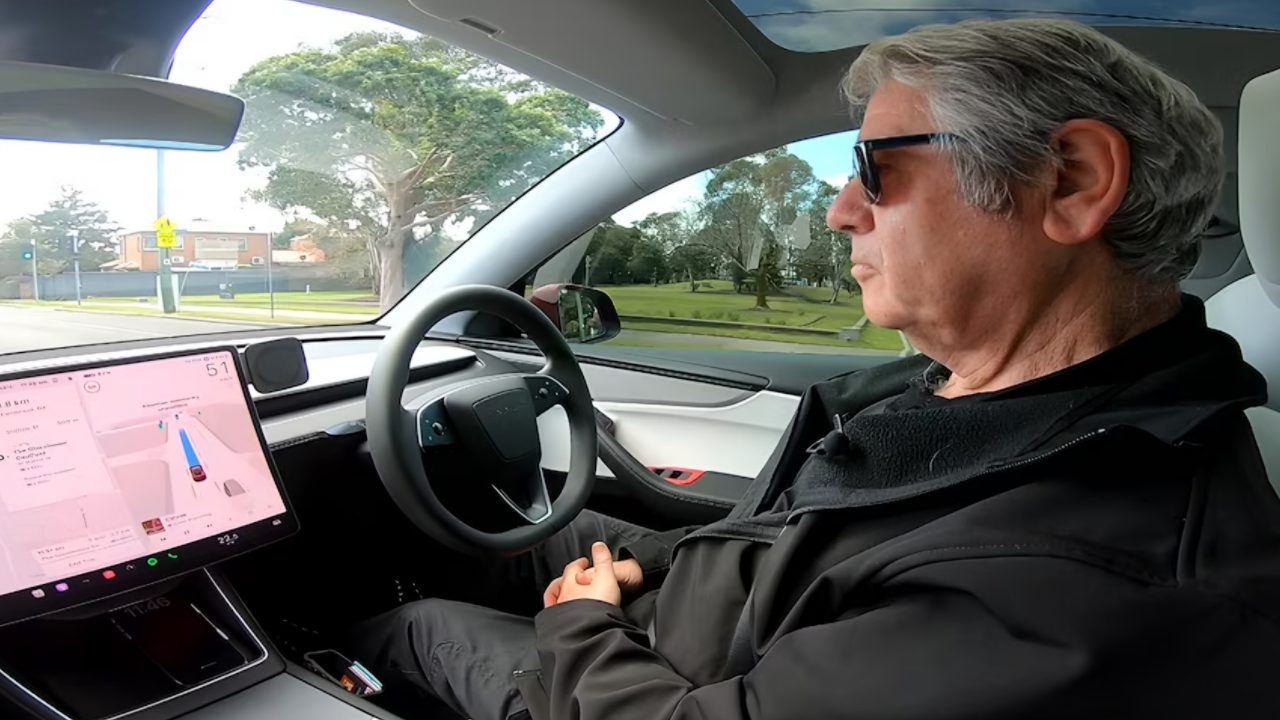
MotorTrend tested a Model Y equipped with Hardware 4, Tesla’s newest system.
On a straight rural road with no obstacles, no turns, and no oncoming traffic, FSD suddenly veered left across the double yellow line into the oncoming lane at 55 mph. No turn signal. No warning. The reviewer grabbed the wheel to avoid a head-on crash. Hardware 4 is Tesla’s promised upgrade. It almost caused a deadly accident on a simple driving scenario.
The Numbers
Industry data shows FSD still needs frequent human intervention. Critical disengagements happen far more often than the hundreds of thousands of miles researchers say are needed to prove full autonomous safety. The gap between promise and performance remains wide.
NHTSA opened an investigation into about 2.9 million Teslas, citing 58 reports of potential traffic violations, including red light running and wrong-way driving while FSD was engaged. California’s DMV filed a formal complaint, calling both “Autopilot” and “Full Self-Driving” false advertising. Two government agencies found fault with Tesla’s driver assistance systems, each from a different legal angle.
Four Million Cars
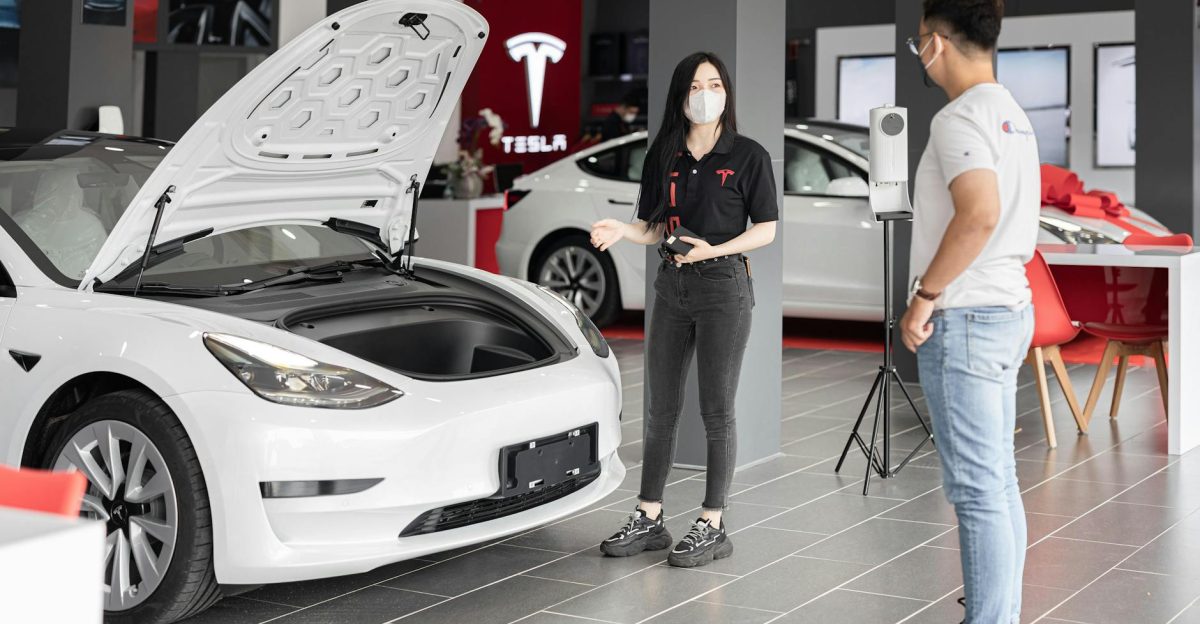
About 4 million Tesla vehicles worldwide have Hardware 3 computers. Musk now acknowledges HW3 cannot support the self-driving capability promised with those cars. He called the retrofit process “painful and difficult.” Direct retrofit costs exceed $500 million, not counting legal exposure from owners who paid up to $15,000 for Full Self-Driving on hardware that cannot run it.
On February 14, 2026, Tesla ended the one-time FSD purchase option and moved everyone to a $99 monthly subscription.
The Competitor
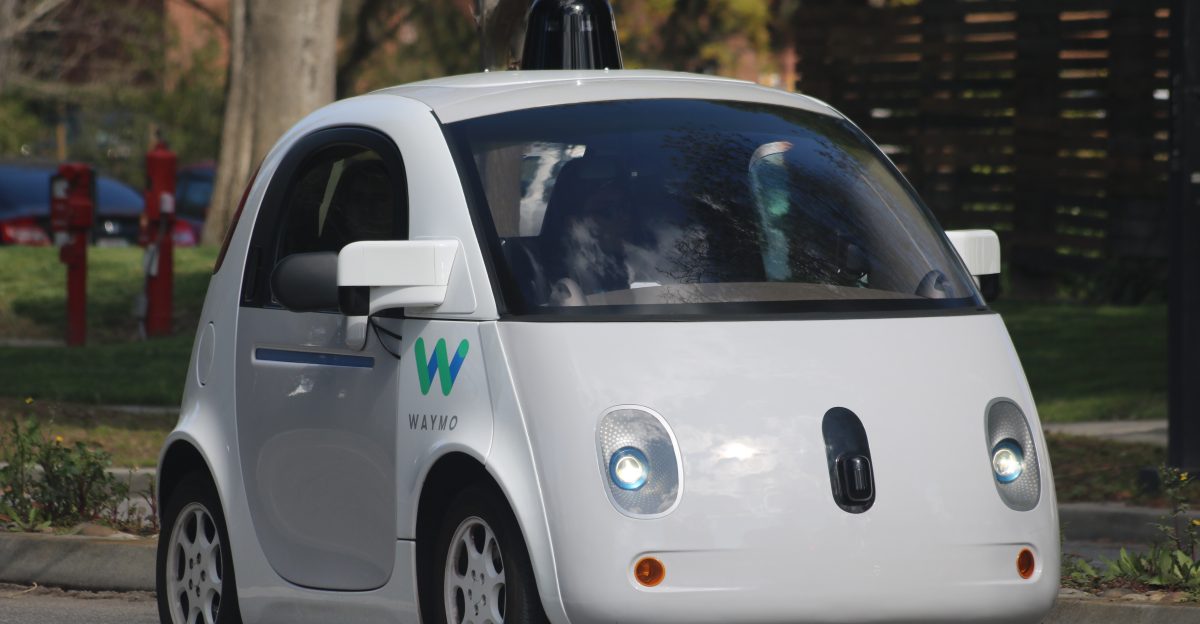
Waymo surpassed 450,000 rides per week by late 2025 across multiple U.S. cities, including Phoenix, San Francisco, Los Angeles, and Austin. These rides were fully autonomous, with no safety driver. A Swiss Re insurance study found Waymo reduced bodily injury claims by 92% and property damage claims by 88% compared to human drivers.
Tesla launched its robotaxi in June 2025 with about 10 vehicles in Austin, requiring safety monitors at launch. Musk promised 8 to 10 metro areas by year’s end, but reached only one.
The Rebrand
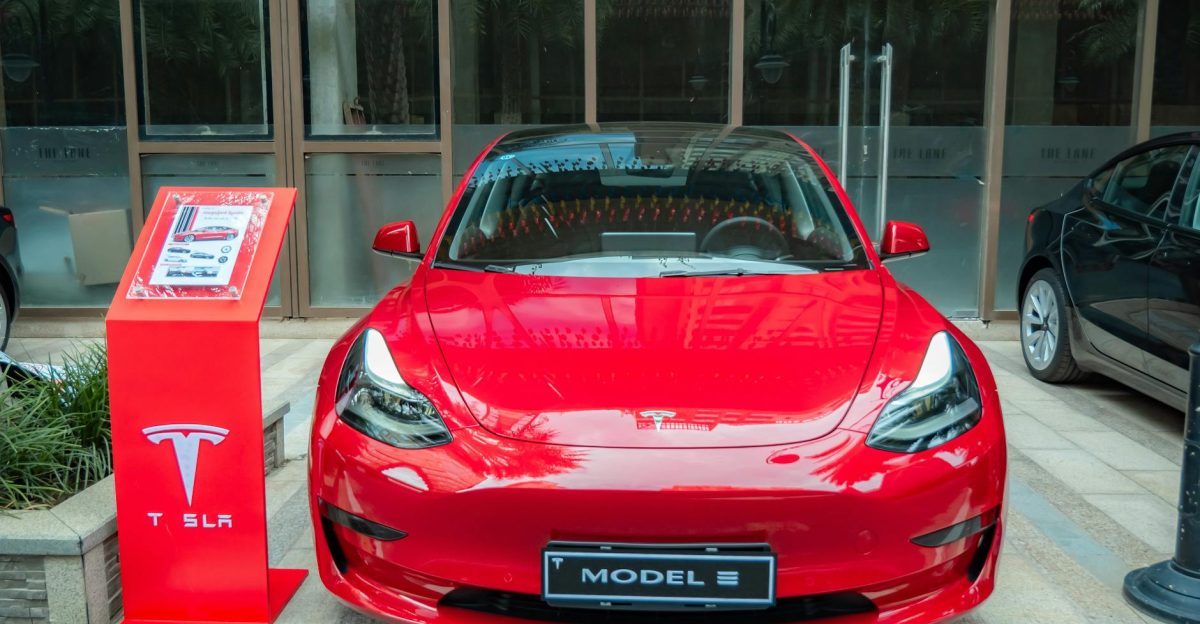
When Tesla missed a delivery, the language changed. Full Self-Driving became “Full Self-Driving Supervised.” The goal shifted from unsupervised autonomy to “less nag.” Each rename reduced legal risk without actually improving the technology.
Tesla has disclosed no meaningful robotaxi revenue metrics. The stock dropped through February 2026. Tesla holds no commercial robotaxi permits in any major U.S. market and has challenged regulatory findings instead of meeting the standards.
The Pattern
Every missed deadline bought time. Every rebrand resets expectations. Subscription payments kept coming in for features that remain undelivered. The $243 million verdict broke that cycle because a jury forced Tesla’s own vehicle data into evidence and proved the system registered its own failures.
Multiply that verdict across dozens of pending cases, 4 million inadequate computers, and a California false advertising complaint that other states could copy. The courtroom is now the place where the next promise carries no weight.
Sources:
NBC News | Tesla hit with $243 million in damages after jury finds its Autopilot partly liable in fatal crash | August 1, 2025
CNBC | Waymo crosses 450,000 weekly paid rides, widening Tesla lead | December 8, 2025
Business Insider | Tesla Pulls Plug on One-Time Purchases of FSD | February 15, 2026