‘Lifetime Fluid’ Is Warranty Life Not Car Life—$8,000 Bills Hit Owners At 100K Miles
Somewhere past 90,000 miles, the shudder starts. A hesitation between gears appears, new and unwelcome. The dashboard stays clean. No warning lights. Owner’s manuals say the transmission fluid is good for life, so it stays untouched.
This is the trap: millions of CVT-equipped vehicles roll toward the same cliff, and most drivers have no idea the edge is coming. The fluid breaking down inside that gearbox tells a different story than the marketing promised.
Promises That Led Drivers Astray

Every CVT owner heard the same promise: smoother acceleration, better fuel economy, fewer parts to break. Nissan spent two decades refining its XTRONIC CVT technology. Honda and Subaru rolled out their own designs in the early 2010s.
The engineering moved forward. Maintenance guidance did not. Manufacturers labeled the transmission fluid “lifetime,” and owners trusted the claim. That word carried a meaning most never stopped to question.
Early Failures and the Pattern Emerging
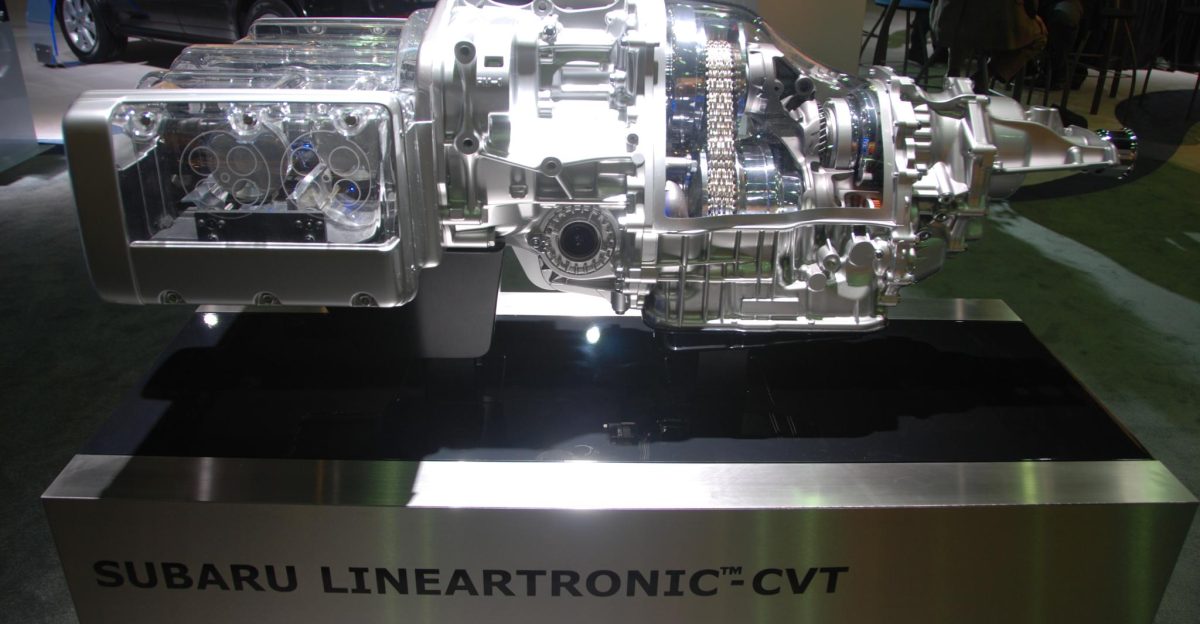
Through the 2010s, Nissan faced a wave of powertrain complaints centered on CVT failures. The 2013–2016 Altima and the 2014–2016 Rogue were eligible for extended warranties. Honda’s early HR-V models (2016–2020) required software updates to address CVT calibration issues.
These cases formed a pattern. The common thread: owners followed the book, trusted “lifetime fluid,” and watched transmissions fail at 80,000 to 120,000 miles. The idea that CVTs are doomed began here, built on neglect disguised as compliance.
What ‘Lifetime Fluid’ Really Means
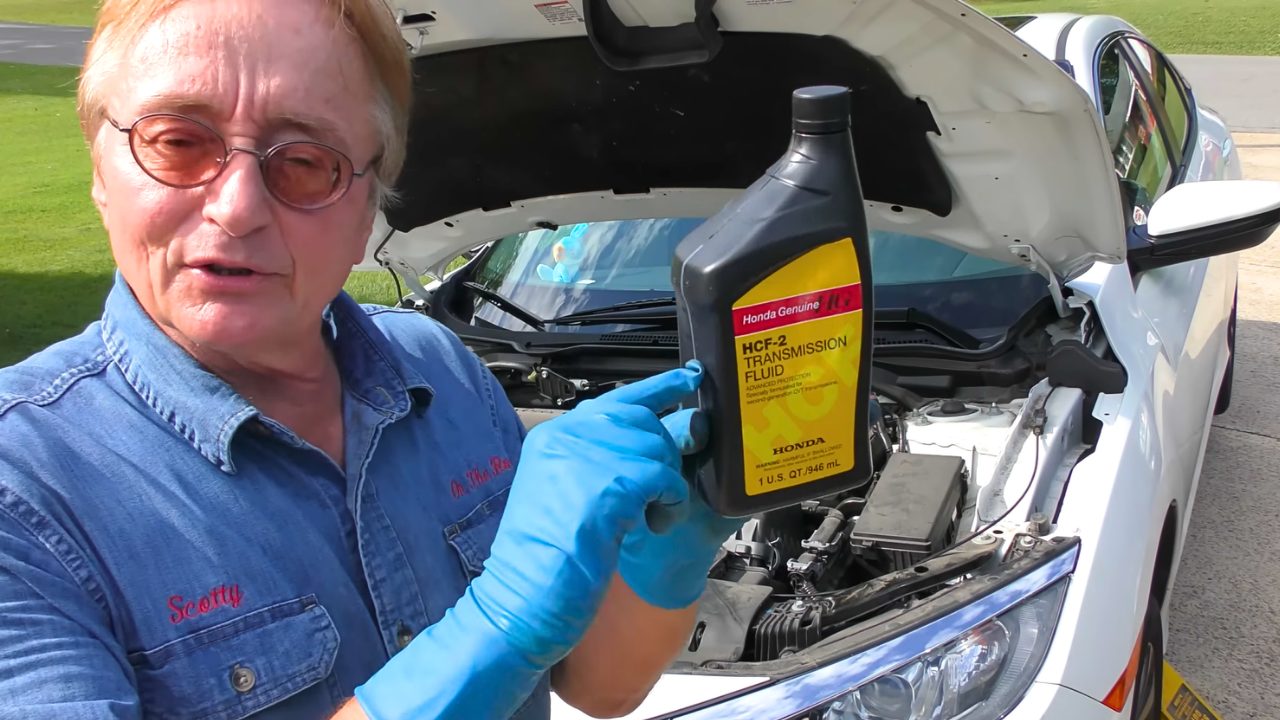
A transmission expert put it simply: “Lifetime means the life of the warranty. Once you reach 100,000 miles and the gearbox fails, that transmission lived its lifetime.” One documented Honda Civic CVT reached 286,000 miles with fluid changes every 25,000 miles using OEM specs.
A same-model transmission that followed the “lifetime fluid” advice failed at 87,000 miles. The comparison is anecdotal, but the 199,000-mile gap comes down to a single maintenance decision.
How CVT Fluid Fails
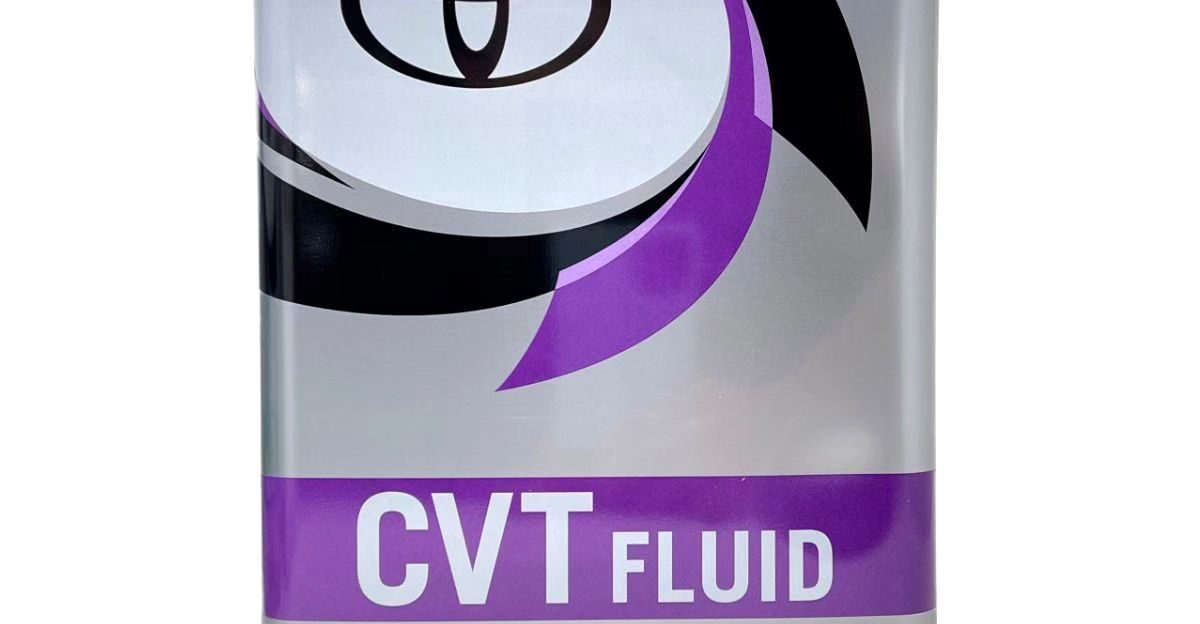
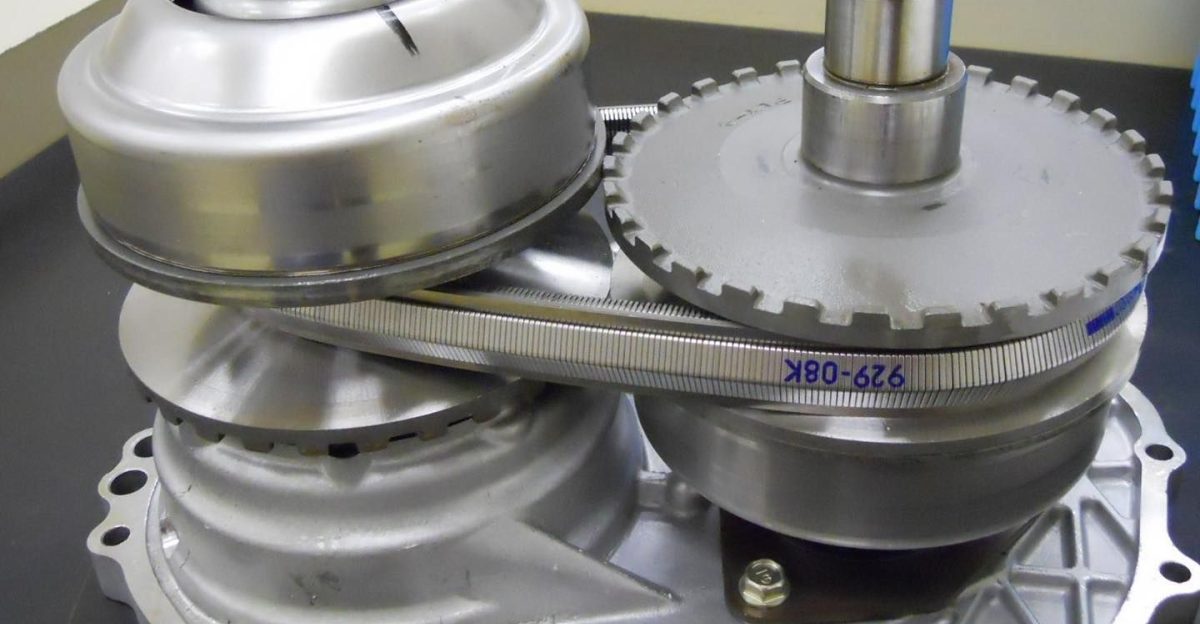
CVT fluid goes far beyond oil. It contains friction modifiers, viscosity improvers, and anti-wear additives that manage belt pressure through precise hydraulic adjustments. When temperatures go above 240°F, these molecules break apart. Metal particles form. The belt slips. Each slip creates more heat, more particles, and more slipping.
One missed fluid change starts a feedback loop of damage that no warning light catches until the transmission is already ruined. Stop-and-go commuters generate 20–40% more heat than highway drivers, making everyday driving riskier for CVTs.
Cost of Maintenance vs. Repair
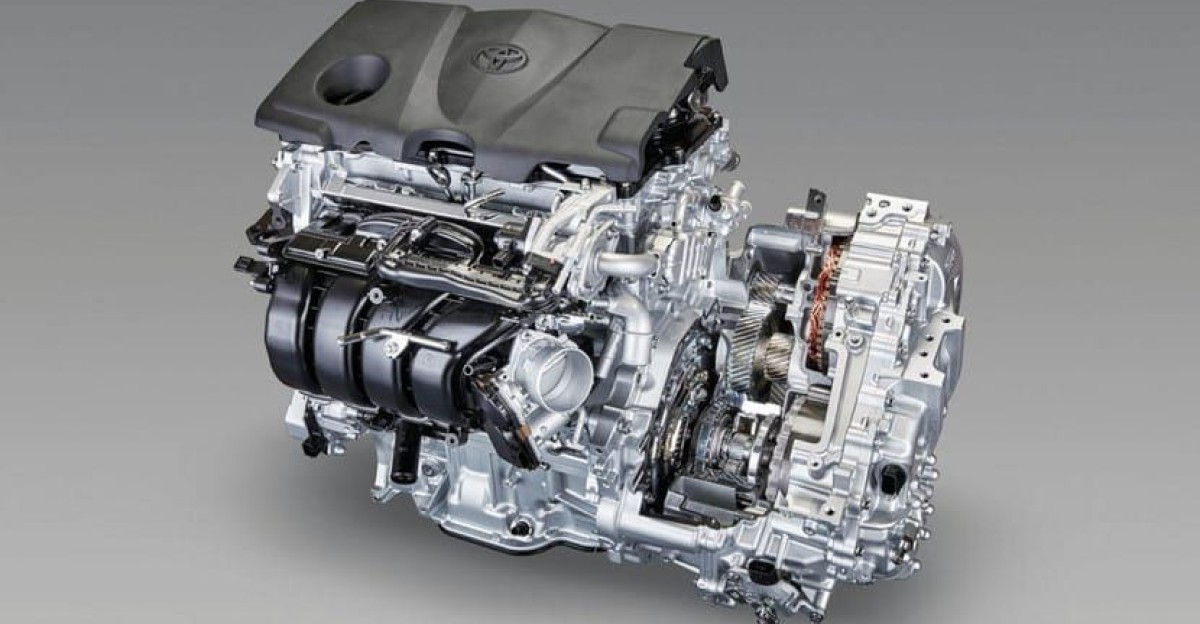
Replacement costs run $4,500 to $8,000, plus two to three weeks without a vehicle. A preventive fluid change costs about $500. That’s a 16-to-1 ratio between skipping maintenance and doing it right. Toyota Prius eCVTs use a planetary gear system instead of the usual belt-and-pulley design. These units often top 300,000 miles on the original transmission. Professional drivers with strict maintenance routines reach well past 150,000 miles.
Properly maintained belt CVTs last 200,000 to 300,000 miles. Maintenance decisions every 25,000 miles determine the transmission’s fate.
The Price of Lost Trust
Nissan’s early CVT failures damaged the technology’s reputation. Resale values on CVT-equipped vehicles still carry a stigma, even as newer engineering leaves those problems behind. Subaru redesigned its CVT lineup, and reliability improved in models after 2017, though long-term data is still coming in.
Honda extended the HR-V’s warranty to 7 years and 150,000 miles after addressing the calibration issue. Buyers who avoid CVTs now overpay for traditional automatics that are less fuel-efficient. This fear results in real financial losses for buyers who never learned about the maintenance protocol.
The ‘Lifetime’ Maintenance Myth

“Lifetime fluid” was a marketing strategy to lower perceived ownership costs in consumer magazine ratings. A lower maintenance perception led to better scores and more sales. The real cost falls on whoever owns the car after the warranty ends.
This approach also appears in recommendations for coolant, brake fluid, and differential oil. The CVT issue is the template. Every “lifetime” fluid claim now deserves careful scrutiny.
Can Brands Earn Back Trust?
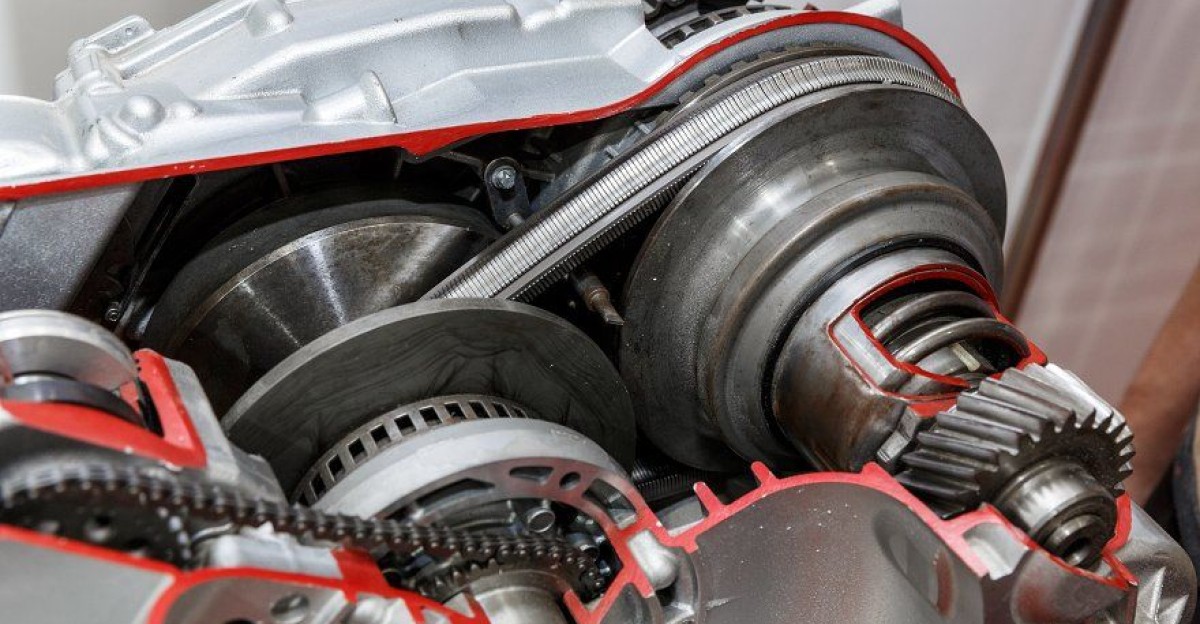
Nissan’s latest XTRONIC CVT generation claims 58% friction reduction over the original design and improved fuel efficiency. The third-generation platform marks a major engineering overhaul. But the brand lost a decade of credibility after transmissions failed under its own fluid recommendations.
Honda and Toyota built trust by acknowledging problems and extending coverage. Nissan is still working to regain that credibility, and every owner who faced a multi-thousand-dollar repair remembers the reason.
The Real Decision for Drivers

The myth that all CVTs die before 100,000 miles began with real failures, then hardened into a marketing term that went unchallenged. The transmission technology works. Toyota proved it. A Honda Civic reached 286,000 miles.
The hardware was never the weak point. Choosing a CVT is not a gamble. Skipping a $500 fluid change every 25,000 miles in favor of a sales-driven label is. Most people in dealerships today still don’t know that difference.
Sources:
NHTSA.gov | Rogue and Pathfinder CVT Warranty Extension | May 31, 2022
Honda OEMDTC | Warranty Extension: 2016-2020 Honda HR-V CVT Premature Belt Deterioration | December 5, 2024
Nissan USA | XTRONIC CVT Continuously Variable Transmission | Undated (current official page)
Kelley Blue Book | Transmission Repair and Replacement Prices & Cost Estimates | Undated
Rohnert Park Transmission | Why CVT Maintenance Matters More Than You Think | September 19, 2025