Tesla Finally Admits To Brake Defect After 18-Month ‘Bluff’ As 100K Model Y Owners Face $1,200 Repair Bill
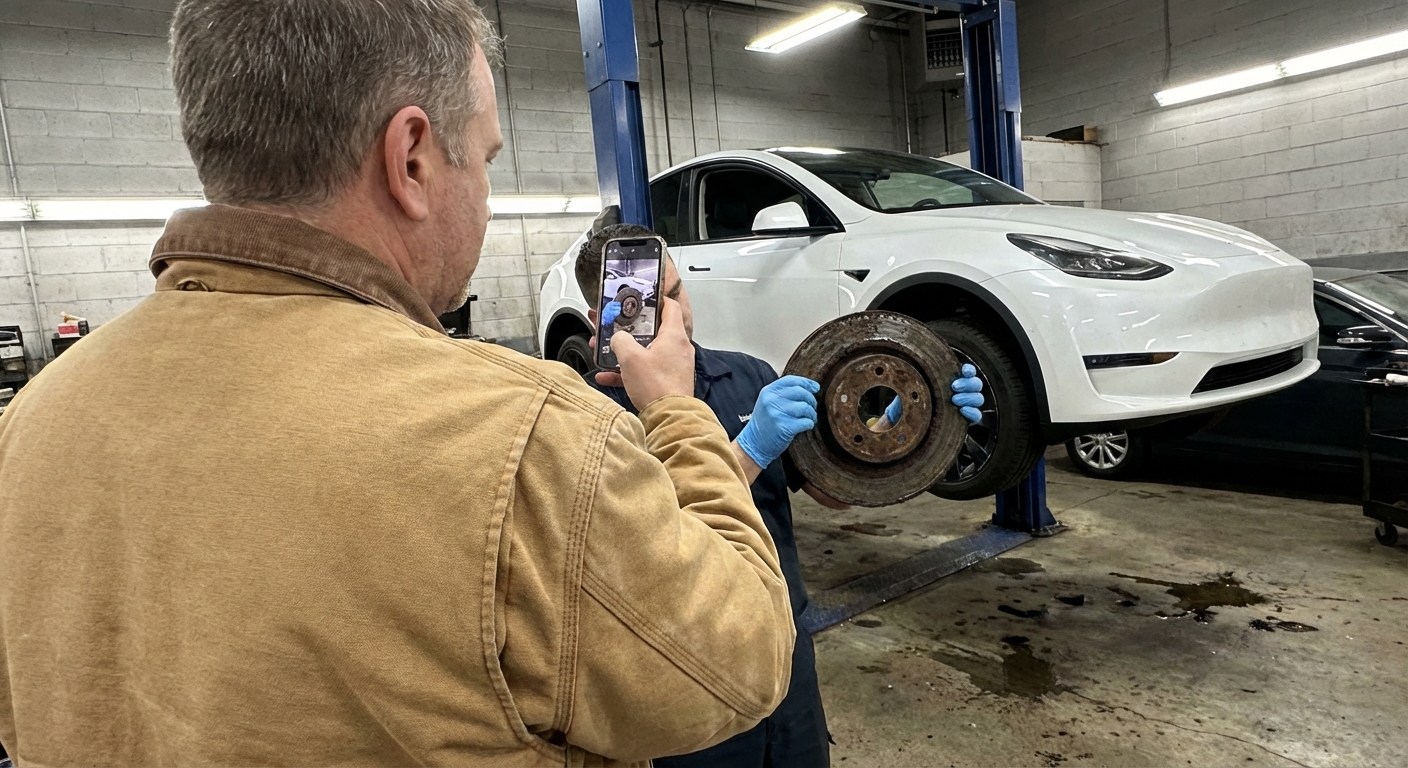
The noise started in cold weather. A metallic squeal from the front brakes, sharp enough to turn heads in parking lots across Europe. Giga Berlin Model Y owners flooded forums with the same complaint, the same sound, and the same frustration. Tesla’s answer stayed consistent for more than a year: regenerative braking reduces mechanical brake use, and squealing is a normal characteristic of the system. Owners were told to burnish their own rotors or pay $250 for the service. But some of those vehicles carried a deeper problem that nobody had officially named yet.
Pattern Recognition
That $250 burnishing fix never held. Forum after forum documented the same result: noise returns within weeks. Tesla service technicians knew. The pattern was visible at the shop level long before it reached engineering’s official position. Meanwhile, Giga Berlin hit a production milestone of 100,000 Model Y units by August 2025, shipping dual-motor vehicles across Europe, the Middle East, Africa, Taiwan, Canada, Australia, and New Zealand. Every one of those regions was now exposed.
Inspection Day
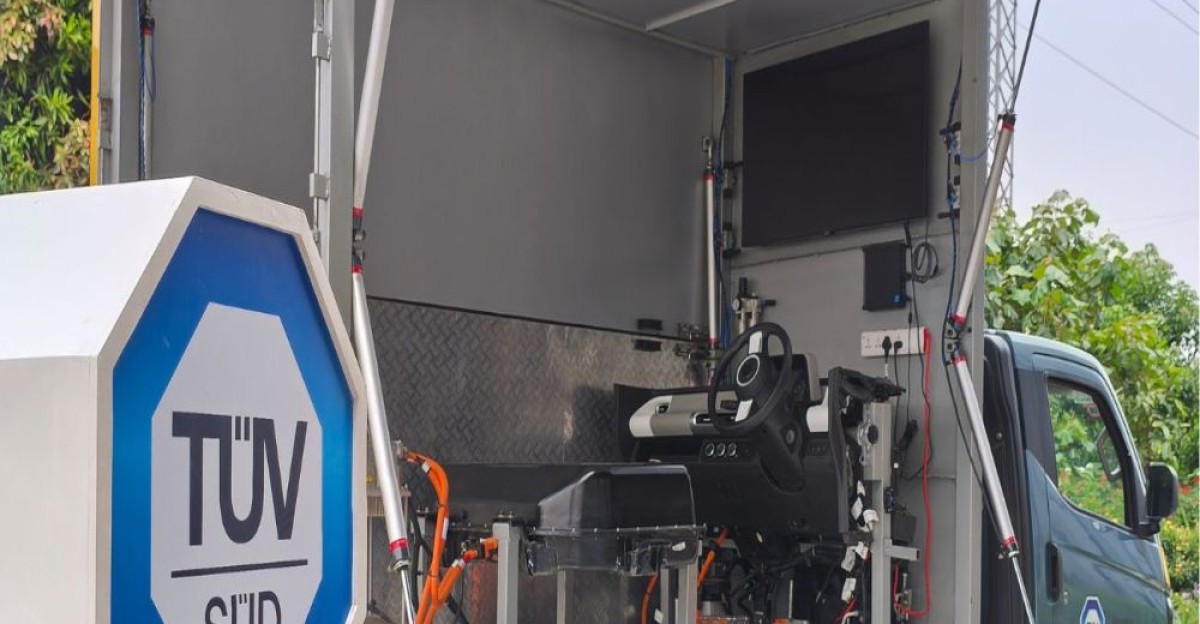
Then Germany’s TÜV published its 2026 inspection report. Model Y entered the mandatory program for the first time and immediately earned the worst reliability rating in a decade: a 17.3% defect rate among vehicles just 2 to 3 years old. Brake disc failures ranked among the primary categories. The assumption most EV buyers carried, that electric vehicles need less maintenance because regenerative braking saves the pads, ran headfirst into a German inspection bay. Corrosion from disuse was eating rotors that barely got touched. The efficiency feature was creating the failure.
The Reversal
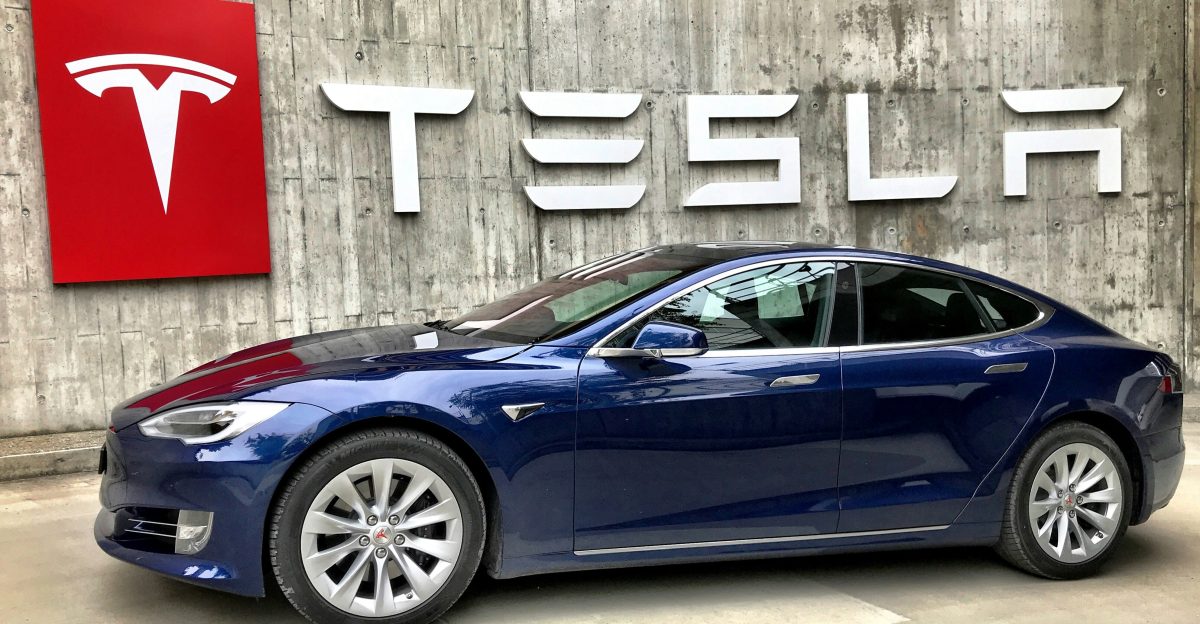
In late February 2026, Tesla issued Service Bulletin SB-26-33-002. The squealing was no longer “normal.” The bulletin directed full front rotor replacement on Giga Berlin-produced 2025–2026 Model Y dual-motor vehicles. Not resurfacing. Not burnishing. Replacement. These were the same vehicles, with the same sound, but opposite diagnoses. One commentator captured what owners felt: “Tesla finally capitulated.” More than a year of being told to live with it, reversed in a single document. The repair costs $700 to $1,200 per axle, and mobile service cannot perform it.
Hidden Mechanics
The irony cuts to the bone. Regenerative braking, Tesla’s signature efficiency technology, reduces mechanical brake use so dramatically that rotors sit idle long enough to corrode. Add 300 to 400 kilograms of battery weight pressing down on every stop, and the brake system operates under structural stress it was never designed to absorb at Giga Berlin’s production tolerances. The bulletin targets dual-motor variants only, suggesting load-dependent rotor stress concentrated in heavier configurations. Tesla built a car so efficient at not using its brakes that the brakes rotted.
The Numbers
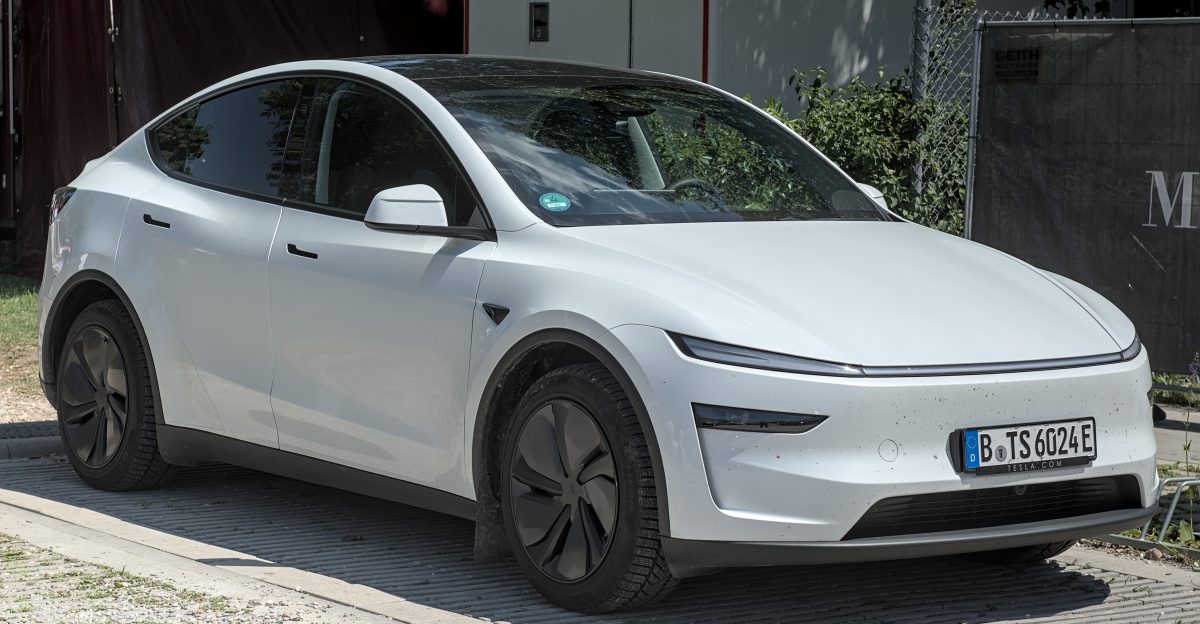
Owner satisfaction for Model Y sits at 797 out of 1,000 in JD Power’s 2026 study, second-highest among all EVs. Meanwhile, roughly one in six of those same vehicles fails mechanical inspection. That gap between how owners feel and what the data shows represents a striking perception-versus-reality split. Owners love the software, the acceleration, the tech. They rate the car on what it does well while the rotors corrode underneath them. Full four-wheel brake replacement runs $1,200 to $2,000 at Tesla service centers.
Aggregate warranty exposure
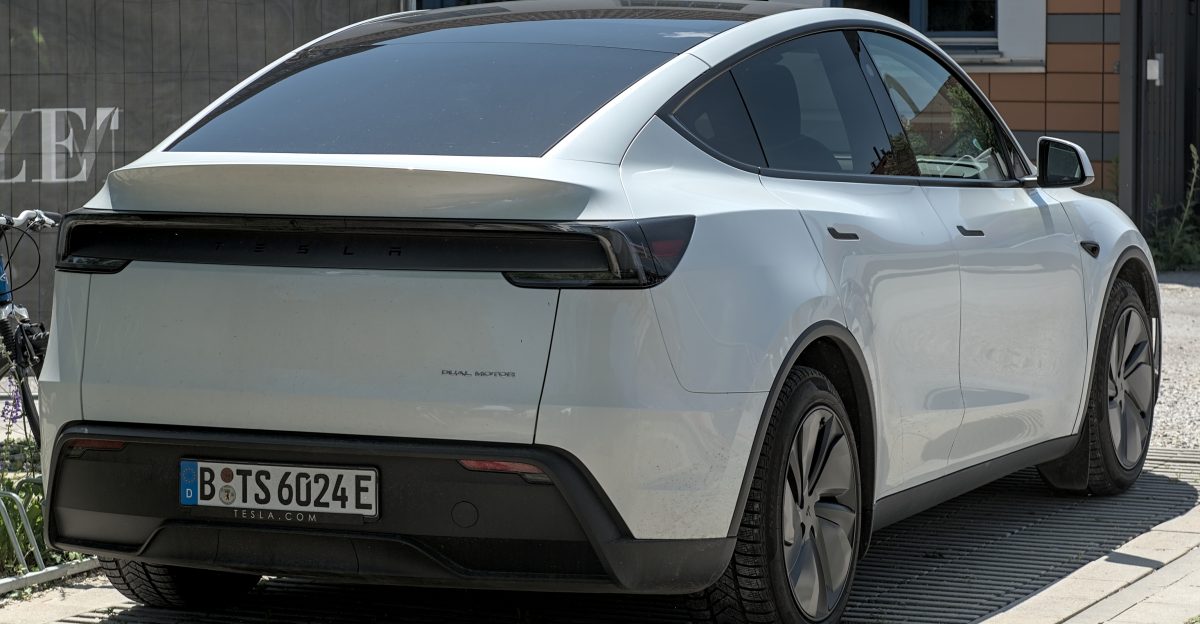
Service centers across multiple regions now face appointment backlogs for a one-hour repair that cannot be performed by mobile units. Used Model Y buyers inheriting 2025–2026 Giga Berlin vehicles carry a hidden rotor replacement liability that was never disclosed at purchase. Aggregate warranty exposure could reach $ 24 million to $60 million if the affected population reaches 20,000 to 30,000 vehicles, according to estimates. Competitors smell blood. Hyundai, BYD, and Volkswagen can now point to TÜV’s worst-in-decade rating in every European showroom conversation.
The Real Pattern
This is not a one-time quality slip. In 2018, Consumer Reports tested Model 3 braking and found stopping distances longer than a Ford F-150 pickup. Tesla issued an emergency OTA update within days, but only after external testing forced the issue. Caliper bolt recalls followed. Suspension knuckle recalls followed. Now rotor replacements. Every Tesla mechanical defect over eight years follows the same arc: owners report, Tesla attributes to normal use, media coverage builds, an outside agency validates the defect, Tesla acknowledges and deploys a fix. The cycle is the product.
Firmware Fear
The rotor defect is the problem you can hear. The one you cannot hear is worse. At least one documented Juniper Model Y experienced a complete brake system failure approaching a roundabout: regenerative braking, friction brakes, and parking brake all disabled simultaneously. A firmware glitch. Tesla later acknowledged the software defect and applied a firmware fix to the affected vehicle, but not before telling the owner, “We recommend the continued monitoring of the vehicle’s performance on future drive cycles.” Three independent brake modes were defeated by a single software bug. If regulators replicate TÜV’s methodology, the NHTSA investigation becomes a real possibility.
What You Know
German aftermarket specialists at Meyle already engineer upgraded suspension and control arm components specifically for Tesla vehicles, because the chronic bushing failures are well-known in the supply chain. The maintenance myth, that EVs universally cost less to maintain, died in a TÜV inspection bay. EV maintenance is not less. It is categorically different: corrosion instead of friction wear, software glitches instead of mechanical fade, battery-weight-punishing components designed for lighter cars. Most Model Y owners do not know this yet.
Sources:
“Replace Front Brake Rotors — Service Bulletin SB-26-33-002.” Tesla, Inc., 25 Feb 2026.
“Tesla Model Y named worst car for reliability in Germany’s major TÜV report.” Electrek, 3 Dec 2025.
“Tesla Has Confirmed My Tesla Model Y Juniper Had a Firmware Glitch That Prevented Me From Regen Braking, Friction Braking, or Parking Brake.” Torque News, 12 Jun 2025.
“Tesla Model 3 Gets CR Recommendation After Braking Update.” Consumer Reports, 29 May 2018.