Akron’s $300K ‘Permanent Fix’ Truck Fills 146 Potholes Daily As $600K Automation Wipes Out Jobs
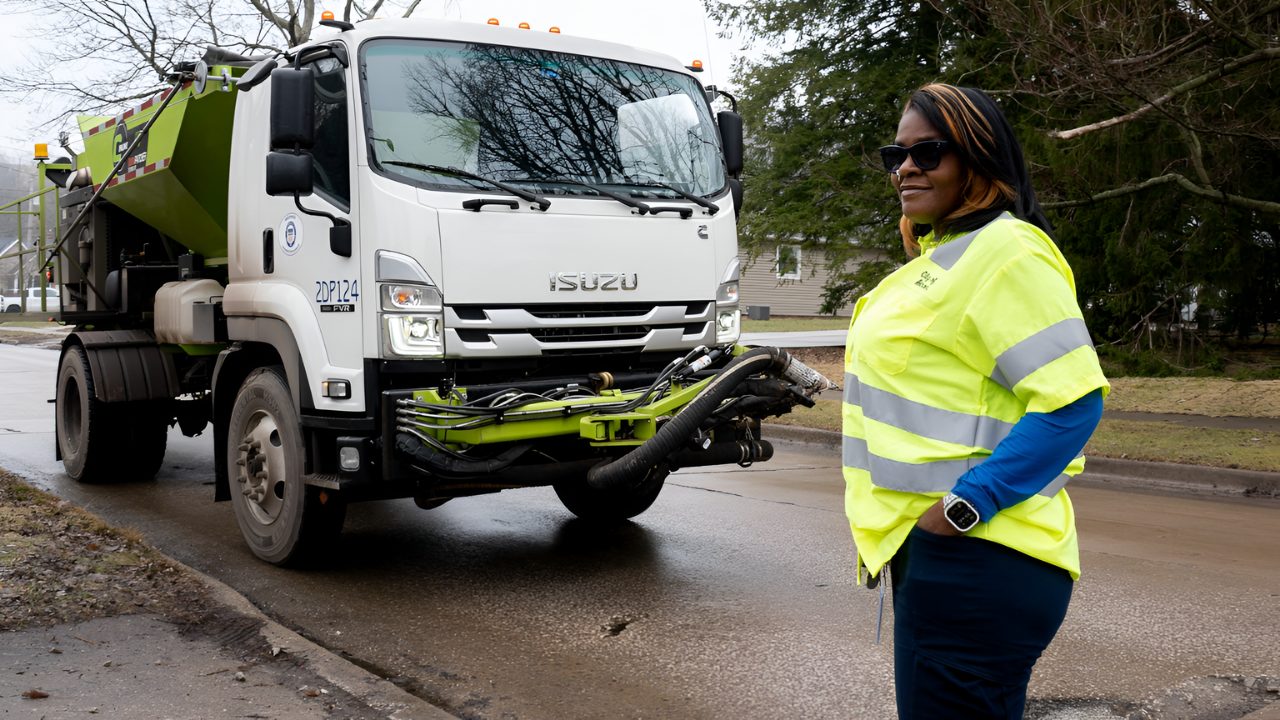
Akron just spent $600,000 on two Cimline P5 DuraPatcher trucks that eliminated the need for five-person pothole crews. One operator with one joystick completed each repair in under 2 minutes. The same truck model fills up to 146 potholes per day, according to data from Amarillo, Texas, and Akron now runs two of them. The city’s deputy public works manager, Anthony Dolly, called it “a permanent fix for these potholes,” adding, “We will not be out in three to six months to fill this pothole again.” And he meant the pavement. What happened to the workers those trucks replaced? Nobody’s celebrating that part. Akron has lost 34.6% of its population since 1960. Now it’s losing the jobs that kept the people who stayed. The ripples from this $300,000 machine extend beyond Ohio.
The Math
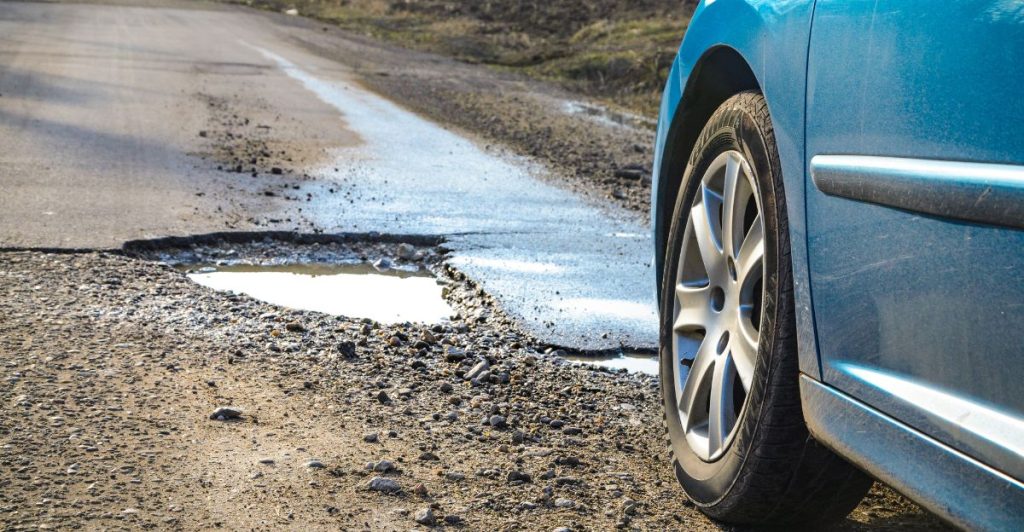
Traditional pothole repair starts expensive before anyone touches asphalt. Crew call-out fees alone run from $100 to $250 per trip, according to HomeGuide cost data. Add $25 to $40 per hole in materials and labor. Multiply that across 55 million potholes nationwide, and the old model bleeds money by design. The DuraPatcher flips the equation: one heated 300-gallon tank, one operator, spray-injection bonding emulsion directly to pavement. The cost structure that kept five-person crews employed was never about quality. It was about overhead nobody questioned.
Your Roads
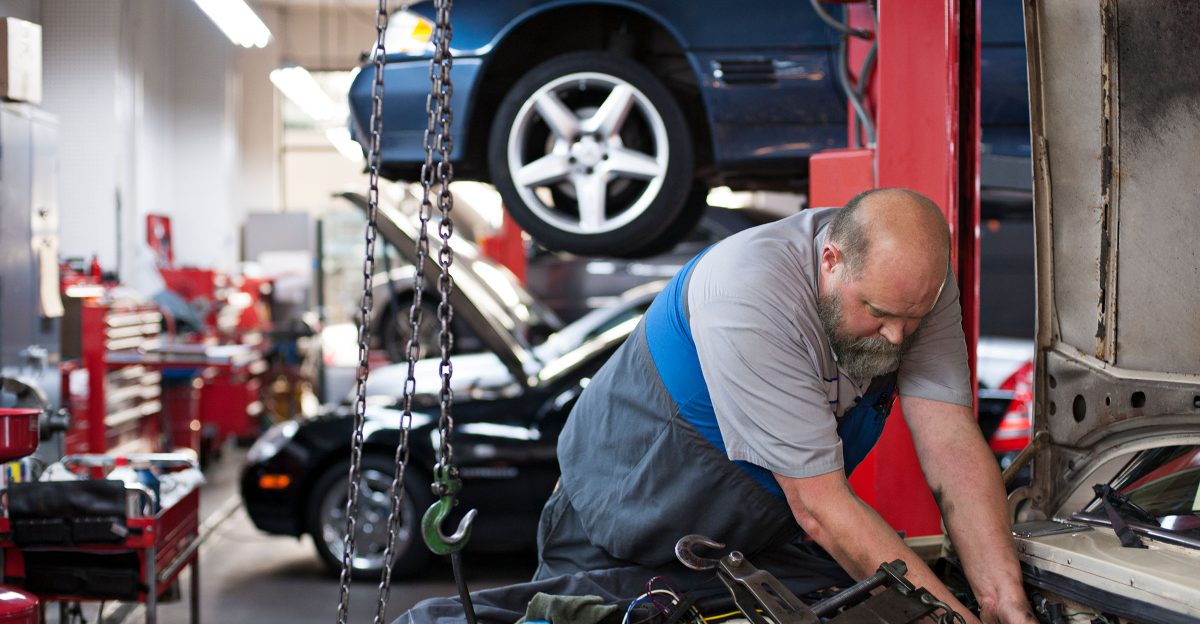
Here’s where it hits the driveway. Poor road conditions cost American motorists $26.5 billion every year in vehicle repairs alone, according to AAA. Traditional cold-patch repairs last one season, sometimes less. MnDOT documented spray-injection patches holding for four years or more on rural highways, with a 92% success rate after year one. Akron operator Tasha Love confirmed it from the field: “It lasts longer than the cold patch.” Repairs that actually stick mean fewer blown tires and fewer alignment bills. The consumer upside is real. The workforce cost behind it is just getting started.
The Productivity Shock
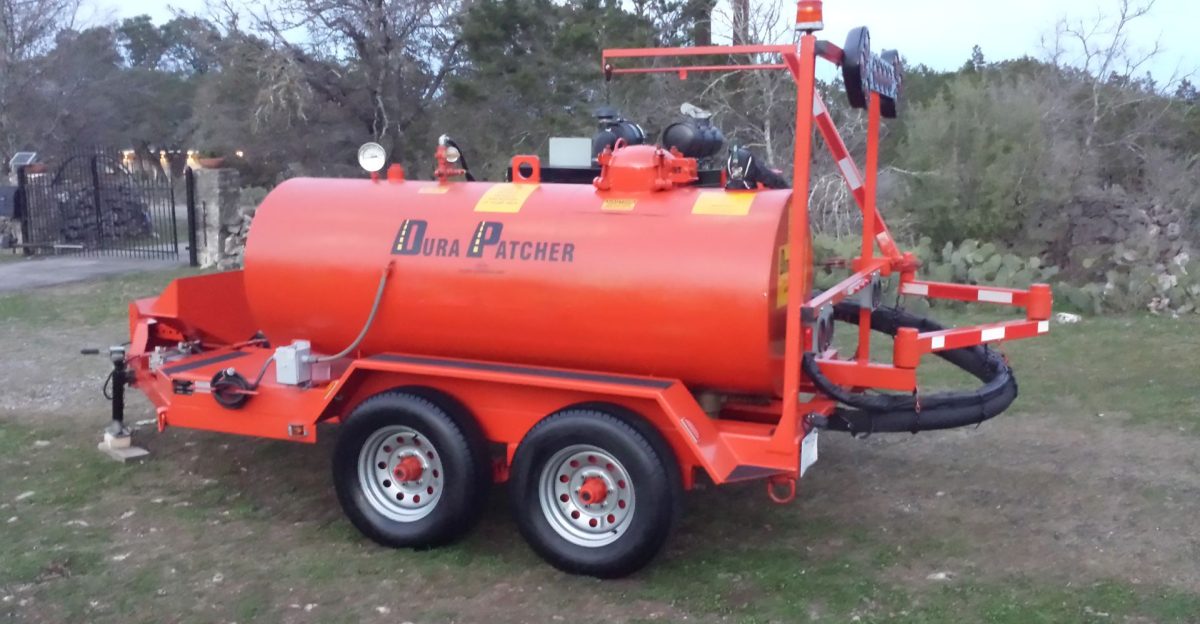
Amarillo, Texas, first documented the number that makes five-person crews indefensible: 146 pothole repairs per day with the DuraPatcher, compared with 20 for traditional crews. That’s a more than sevenfold productivity gain, among the largest documented in municipal pothole repair. Akron now deploys the same P5 model, and its $6.5 million resurfacing budget, earmarked for 52 miles of roads, stretches dramatically further as a result. Cities watching Akron’s results face an uncomfortable question. Every month they delay adoption, they’re spending more to fix fewer holes. The budget math just became a political problem.
Unexpected Targets
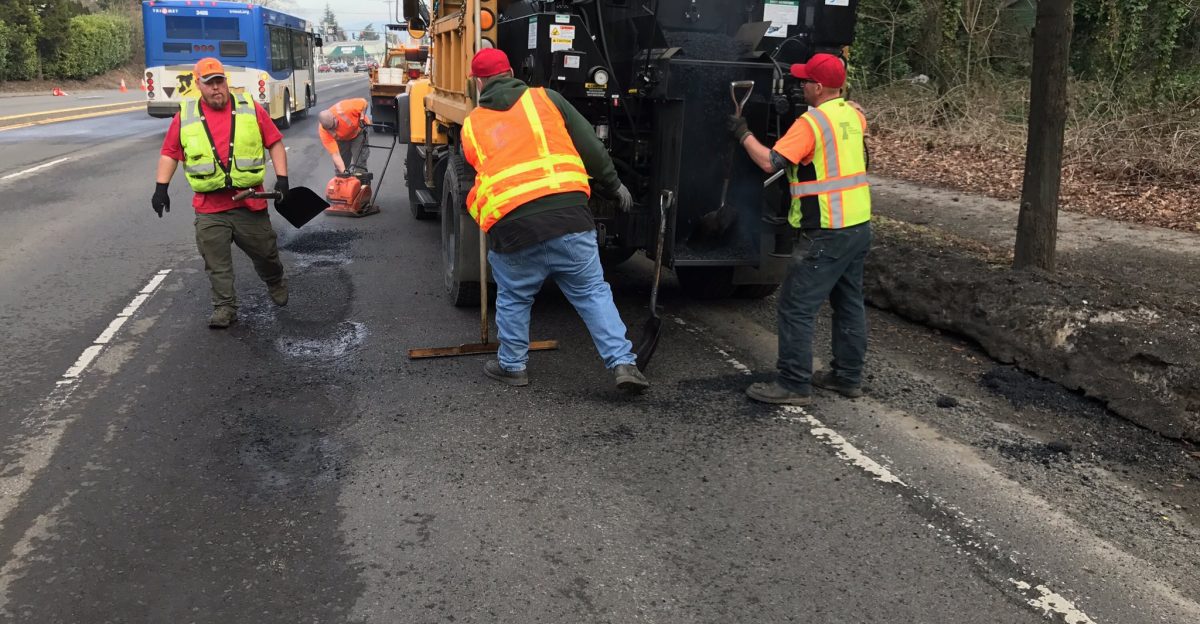
Municipal pothole repair was supposed to be automation-proof. Physical labor. Outdoor conditions. Skilled coordination. In 2026, investors predicted that 11.7% of U.S. jobs could be automated with current technology, but most people pictured warehouses and call centers. Not road crews. The DuraPatcher’s joystick interface combined five specialized roles into a single general operator role. Think about that for a second. If a pothole crew can be replaced by a single person and a heated tank, the definition of “safe from automation” just got a lot narrower.
The Hidden Engine
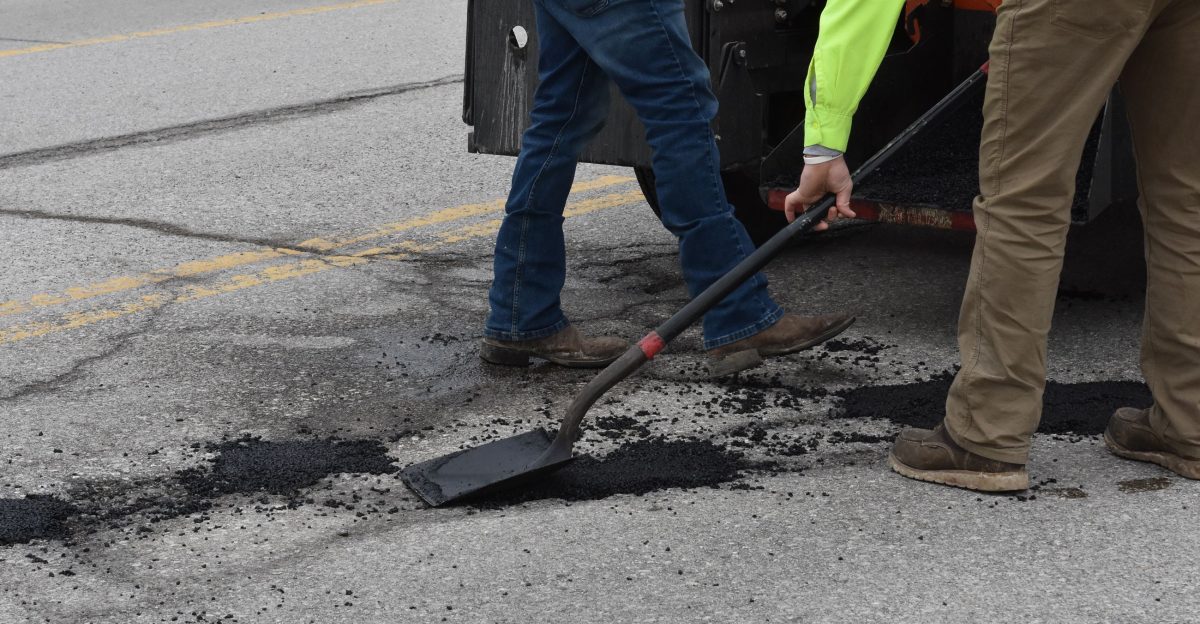
Same mechanism. Different city. Identical result. Traditional repair loads fixed costs onto every single job: crew assembly, traffic management, equipment staging. Those costs exist whether you fill one pothole or fifty. Spray injection eliminates the fixed-cost layer entirely. Amarillo proved it. Iowa deployed it. Akron bought it. The pattern runs from Texas to the Midwest to the Rust Belt. Once a city converts capital spending from salaries to equipment depreciation, the savings compound every year. After a five-to-seven-year payback window, the old model can’t compete.
The Human Price
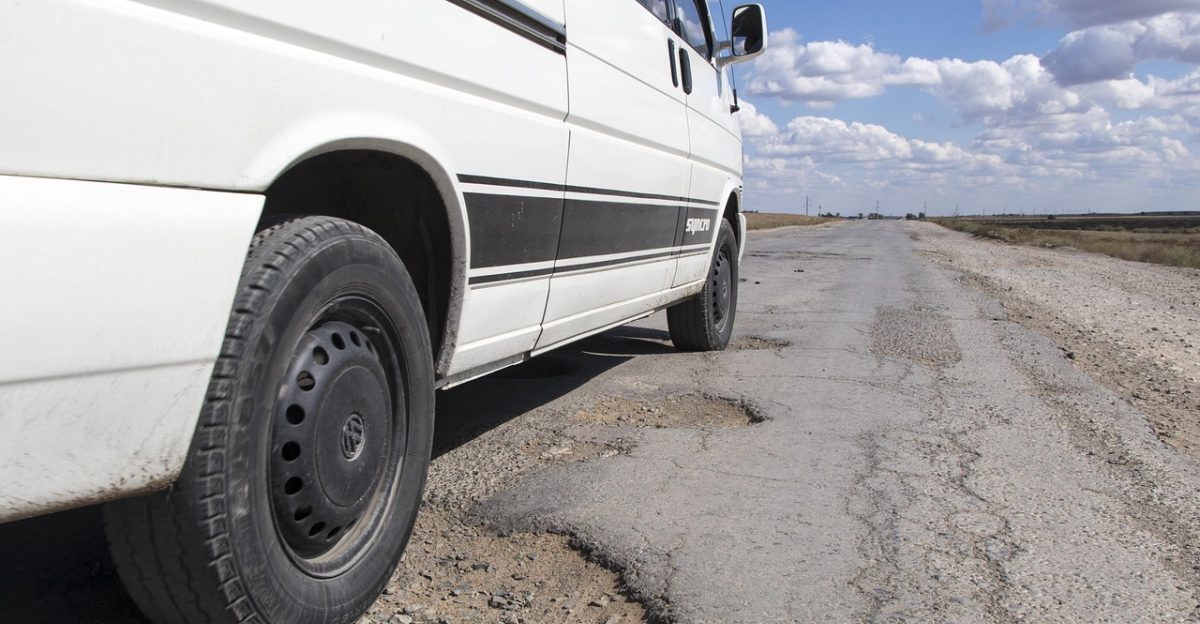
Iowa didn’t automate solely for efficiency. Iowa automated after a worker died. Matt Dickerson was killed in a 2024 work-zone incident, and the state’s DOT deployed DuraPatchers the following year. Maintenance supervisor Cory Kirkpatrick framed it plainly: “The ability to remove staff from the operation takes more employees off the road and increases safety.” Safety became the justification. Labor elimination became the feature nobody had to defend out loud. Akron’s five-person pothole crews were replaced outright—their roles absorbed by a single operator and a $300,000 machine. The jobs weren’t cut from a budget line. They were engineered out of existence.
The Precedent
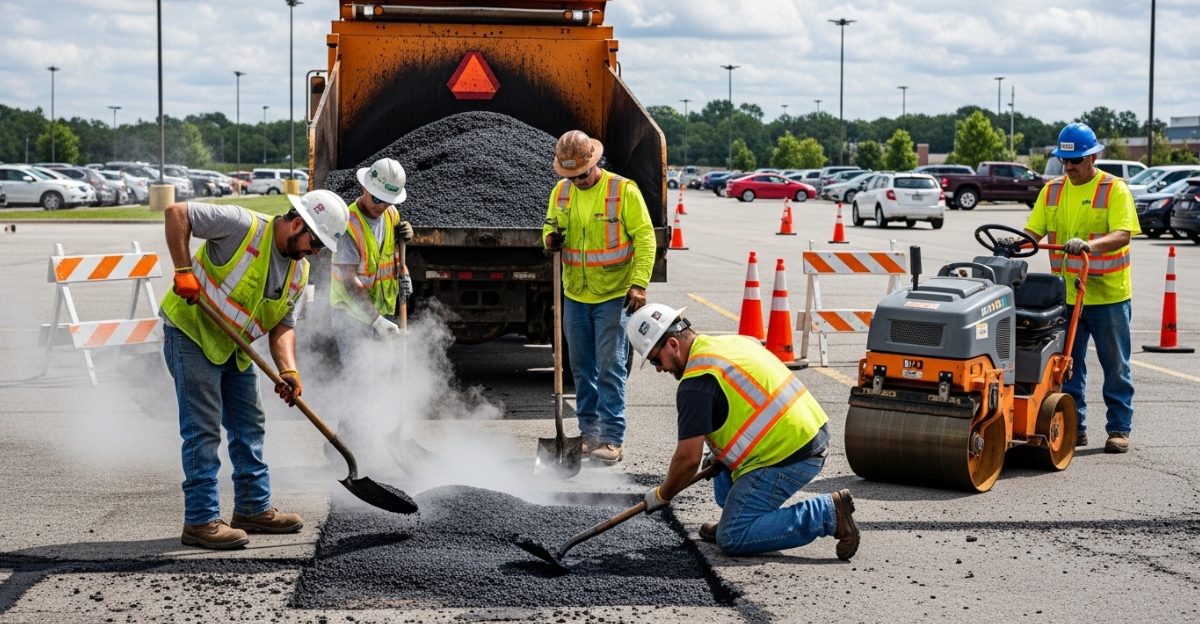
Akron just proved something every city council in America will notice: you can automate public works jobs, frame it as infrastructure improvement, and face almost no political resistance. Iowa used safety. Akron used durability. Both achieved the same outcome—fewer workers on the payroll. Previous DuraPatcher models required three operators. The P5 requires one. Cimline spent 50 years refining that reduction. The precedent now exists for municipalities to replace entry-level crew positions with capital equipment, and pothole repair has long served as a gateway into city employment. That door is closing.
Winners and Losers
Cimline and spray-injection manufacturers win big. Municipal budgets win on paper. Motorists win with roads that hold up for years instead of months. The losers: pothole-crew workers in every city that follows Akron’s lead. Seasonal maintenance contractors who bid on annual patching contracts. Entry-level municipal employees who used those jobs as a first rung. Akron’s operating budget allocated $17.6 million for highway maintenance in 2025. Automation shifts that spending from local paychecks to equipment depreciation. The money stays in the budget. It just stops circulating through the community.
Not Over
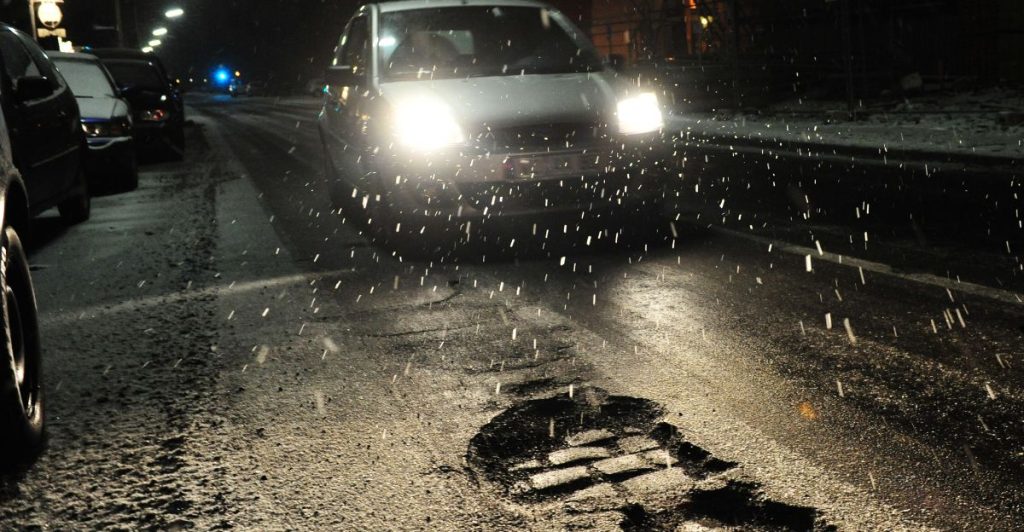
The cascade keeps breaking outward. Fifty-five million potholes sit unrepaired across the country. Every one of them is now an economic argument for a $300,000 truck instead of a five-person crew. Unions will push for retraining funds baked into automation contracts. Some cities will delay. But the math Akron proved doesn’t reverse. Spray injection costs 70 to 90% less than mill-and-fill over a lifecycle. The technology existed for years. What changed in 2026 is that cities stopped pretending they needed the workers more than the machine. That shift doesn’t have a rollback button.
Sources:
“Akron deploys new weapon to fight potholes.” News 5 Cleveland (WEWS), 18 Feb 2026.
“Iowa DOT trying new, potentially safer pothole-filling machine.” Business Record, 1 Jul 2025.
“AAA: Potholes Pack a Punch as Drivers Pay $26.5 Billion in Related Vehicle Repairs.” AAA Newsroom, 1 Mar 2022.