AI Pricing ‘Runs Amok’ As Hawaii Rental Cars Hit $1,500/Week—Only 4 Minivans Left On Entire Island
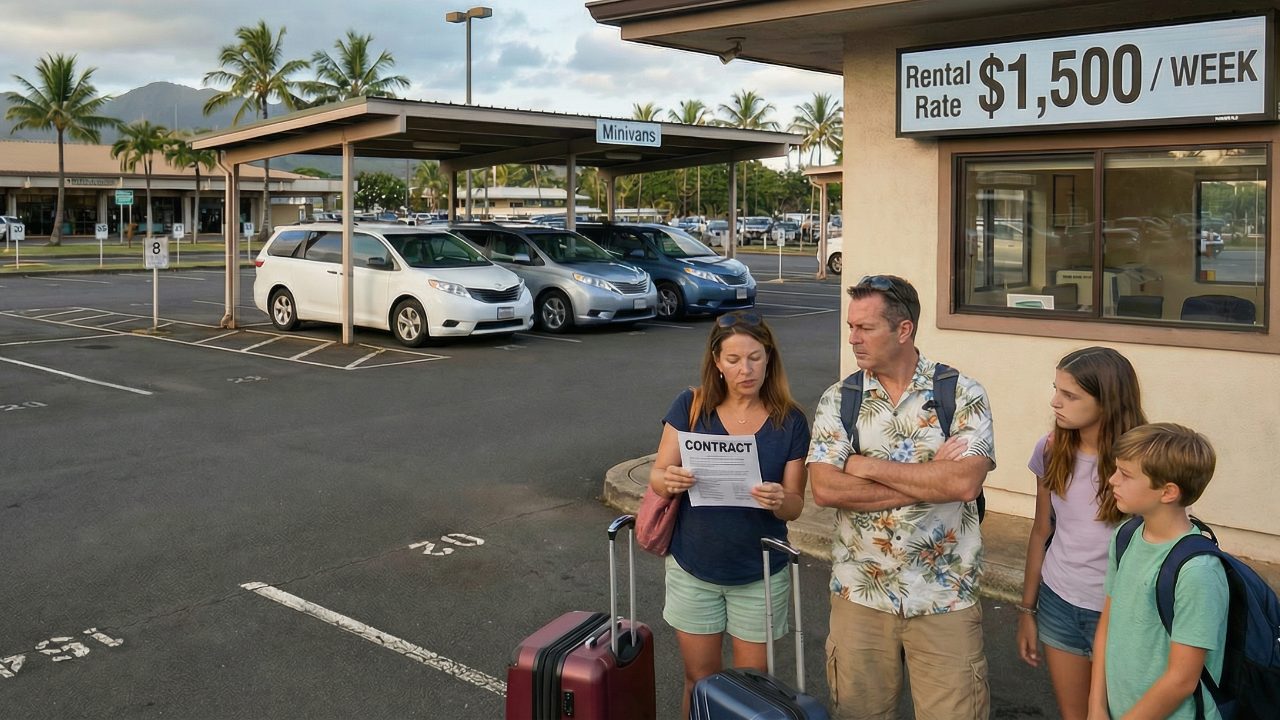
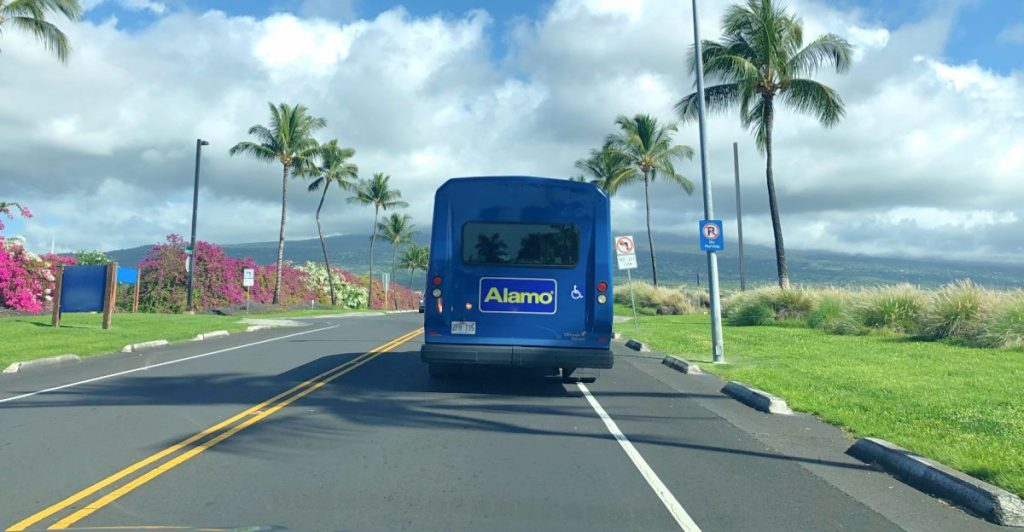
Valentine’s Day week on Maui, and every rental counter at Kahului Airport had the same answer: nothing. Enterprise, Fox, National, Payless, Sixt, Thrifty. Sold out. Families rolling luggage past empty parking lots, refreshing apps, calling numbers that rang to voicemail. The island that spent eleven months of 2025 as Hawaii’s cheapest rental market had flipped overnight to its most expensive, according to local rental car company Frank’s Friendly Cars, which tracks island pricing data, 65% pricier than second-place Hilo. Something beyond seasonal demand had broken the system on Maui, and the price tags proved it.
Prices Doubled—and Then Some
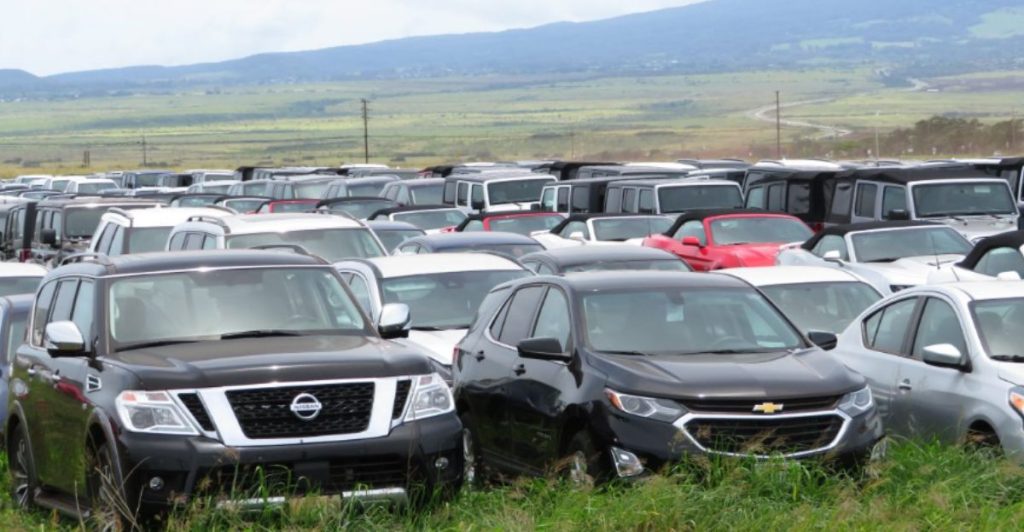
The cheapest car available at Kahului Airport in early February 2026 cost nearly $1,500 for one week. The same rental one year earlier ran under $750. By Valentine’s Day peak week, airport prices had surged far beyond that, with the cheapest available rental topping $2,400 per week, according to Frank’s Friendly Cars data. Midsize and larger categories climbed even higher. Seven-seat SUVs reached more than $5,000 per week at the airport during the peak, before easing to roughly $2,019 per week by late February. Even resort-area lots, the traditional budget escape hatch, saw prices climb to $1,080 to $1,770 per week during the peak. For a family budgeting a full Hawaii trip, transportation costs alone now consumed a massive share of the total before anyone booked a hotel room.
The Chrysler Recall That Broke Maui
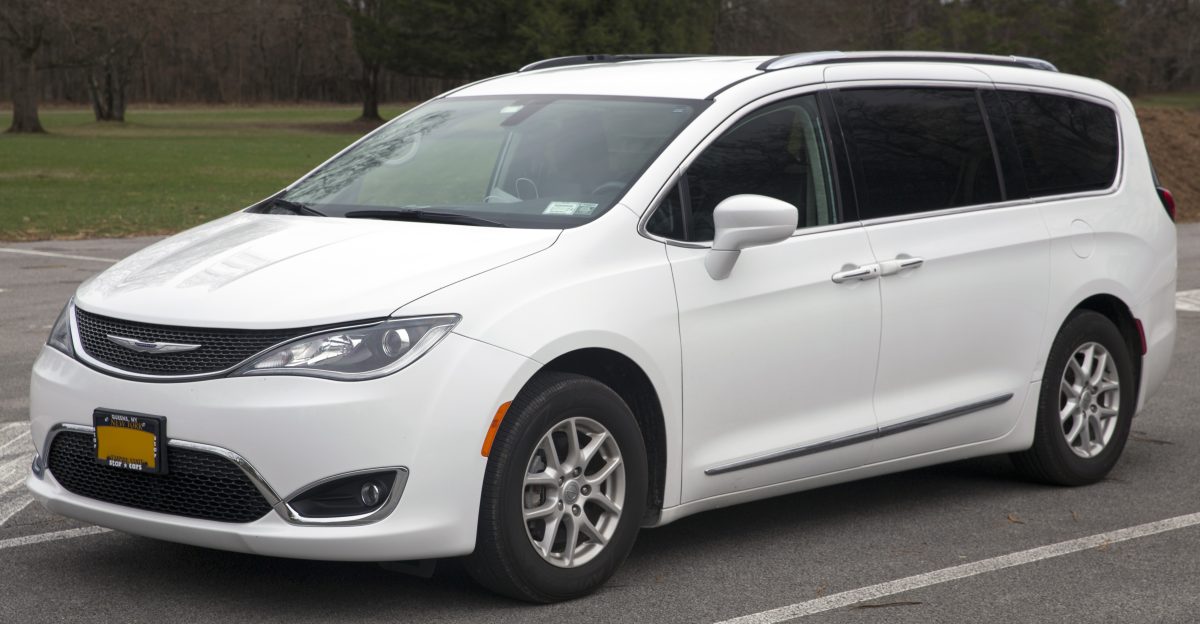
A Chrysler recall issued June 28, 2025, pulled the pin. Roughly 250,000 Pacifica and Voyager minivans nationwide carried insufficient side-curtain airbag pressure, and the Safe Rental Car Act mandated grounding within 24 hours, or up to 48 hours for larger fleet recalls. On Maui, Frank’s Friendly Cars estimated that roughly 3,000 minivans were grounded in rental fleets. That single vehicle class represented a massive share of island inventory. Repairs dragged for months. The conventional wisdom said prices would normalize once supply returned. That assumption was about to collide with an algorithm nobody bothered to turn off.
Four Minivans Left on the Entire Island
Across the entire island of Maui during peak week, Frank’s Friendly Cars, a local rental company that publishes regular pricing analyses, documented that only four minivans remained available. Four. Down from thousands. And the companies knew. Frank’s Friendly Cars documented the carnage and quoted the industry’s own admission: “These prices are the result of dynamic pricing and yield management algorithmic price-setting methods now powered by artificial intelligence, running amok, while the humans in charge of administering them are asleep at the wheel.” The algorithms were blamed. Not one company disabled them. Not one undercut the market. Extraction continued by design.
Algorithms Designed for Maximum Extraction
The confession deepens when you examine what “running amok” actually means. These algorithms optimize for one variable: maximum revenue per transaction. Not customer lifetime value. Not brand loyalty. Not market stability. The companies chose those objectives, programmed them, and watched triple-digit percentage markups roll in without intervening. One Frank’s Friendly Cars analyst framed it plainly: “We would like to think that there is no human car rental manager who would set prices at these crazy levels.” No human would. But a human told the machine to.
Prices Fell But Never Returned to Normal
When minivans returned to service in late February, prices dropped. They did not return to normal. Rates remained 50 to 123% above prior-year levels , suggesting the algorithm may have trained customers to accept a permanently elevated floor. Analysts warned of “negativity bias,” the psychological phenomenon where one bad price experience permanently reshapes destination perception. Families who saw four-figure compact-car quotes will remember Maui as unaffordable for years, regardless of future discounts. According to Frank’s Friendly Cars data, February 2026 marked the highest seasonal rental peak in Maui’s recorded history, stretching back at least to 2013 .
One Algorithm Repriced an Entire Economy
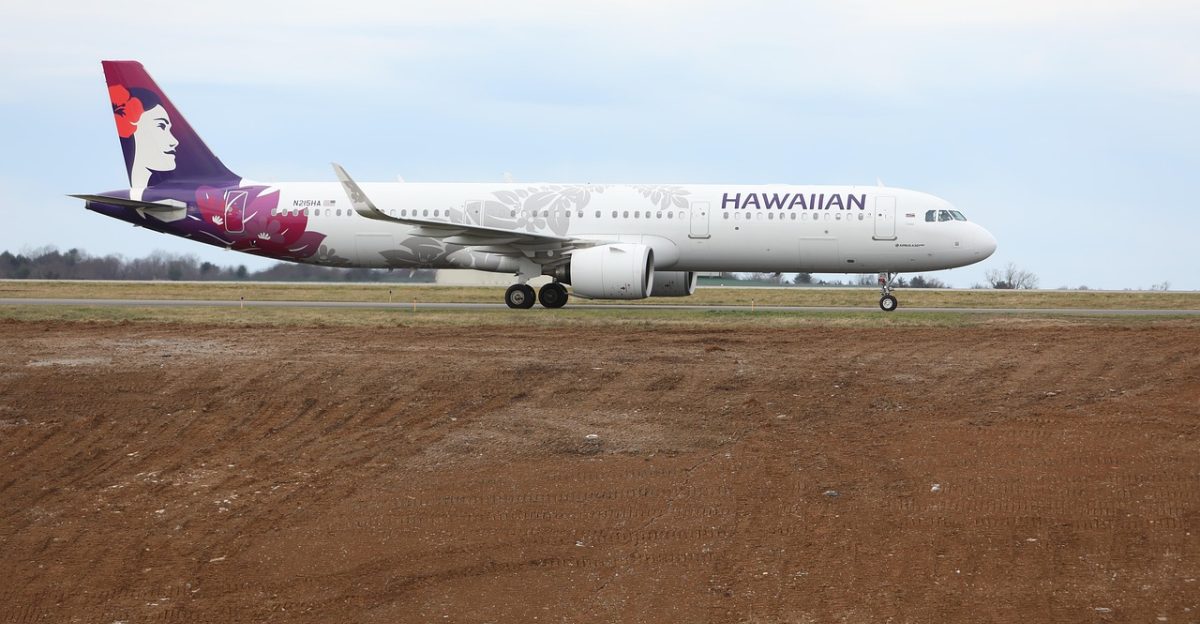
The pricing shock radiated far beyond rental counters. Restaurants closed in numbers difficult to track. Multiple golf courses have shut down over the past two decades, with acceleration expected. Hawaiian Airlines was acquired by Alaska Airlines in September 2024 as part of a strategic consolidation, though Hawaiian had faced broader financial pressures. Federal employee travel to Hawaii reportedly dropped sharply in February 2026 after government spending restrictions reduced visitor room-nights significantly. Small tourism businesses built on moderate-income visitor traffic watched their customer base evaporate. One rental car algorithm repriced an entire island’s economy.
Middle-Class Tourists Priced Out by Design
According to one industry estimate, tourist market penetration in Hawaii fell from 82.5% in February 2023 to 73.7% by February 2026, the fastest decline outside the COVID shutdown. That 8.8-point decline coincided with rising prices and weakening consumer confidence. Hawaii’s tourism model now explicitly targets high-income visitors, compressing vacation-rental supply, restructuring airline routes toward premium cabins, and stacking fees at every touchpoint. The state has proposed an additional $90 to $100 million in annual rental car taxes on top of existing surcharges that already add substantially to every rental. Every fee is an exclusion mechanism. Once you see it, you cannot unsee it.
Residents and Tourists Sorted by the Same Machine
One survey suggests a majority of Hawaii’s middle-income households, including those earning $100,000 or more, have considered leaving the state within five years. That figure dwarfs the 30 to 40 percent relocation consideration typical in expensive mainland metros. Tourists and residents are being sorted by the same pricing machine. Canadian visitors defected over exchange rates. Japanese tourists pulled back on yen weakness. Midwest families doing the trip-cost math landed on the same conclusion: not for us anymore. Peer-to-peer platforms like Turo gained share as traditional rentals priced themselves into irrelevance.
No Legislation to Stop It
Multiple states, including Maryland, have introduced bills targeting algorithmic and dynamic pricing. Hawaii, the state most visibly damaged by it, had no comparable legislation as of February 2026. That regulatory vacuum is the open question. If lawmakers cap dynamic pricing, rates could moderate by mid-2026. If they don’t, the algorithm keeps learning that customers will pay whatever it charges, and the floor rises again next peak season. The middle-class Hawaii vacation is not being priced out by accident. Knowing that changes how you book, where you go, and what you accept.
Sources:
“‘Maui Car Rental Prices In February 2026 Have Doubled From February Last Year.’” Frank’s Friendly Cars Maui Car Rental LLC blog, 1 Feb 2026.
“‘Maui Car Rental Prices Are On The Way Down From Record Mid‑February Peak.’” Frank’s Friendly Cars Maui Car Rental LLC blog, 2 Mar 2026.
“‘Chrysler Recalls Some 2022–2025 Pacifica and Voyager Vehicles to Fix a Potentially Dangerous Airbag Problem.’” Associated Press, 28 Jun 2025.
“‘Alaska Airlines Completes $1.9 Billion Acquisition of Hawaiian Airlines.’” Reuters, 18 Sep 2024.