Colorado EV ‘Boom’ Collapses As Auto Defaults Hit Worst Level Since 1993—Trapped In $1,000 Payments
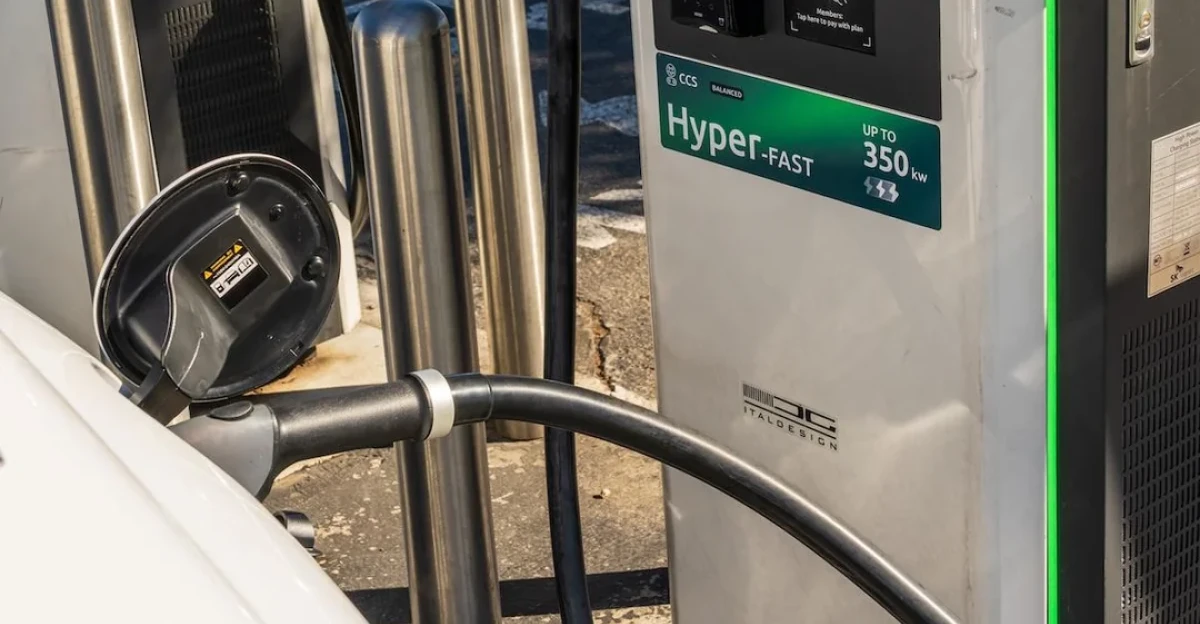
Colorado hit 32.4% EV market share in Q3 2025, which was the highest single-quarter state EV market share ever recorded nationwide. It sounds like a clean-energy triumph, but it was a fire sale. Federal tax credits of $7,500 per new EV expired October 1, and buyers stampeded to grab the discount before it vanished. Industry forecasters now project EV sales will crater by 50% or more. The boom was a deadline, and the collapse already started: Colorado’s EV share had slipped from 31.3% in Q4 2024 to 26% in Q1 2025, before the credit elimination even took full effect. The auto loan crisis running underneath is worse.
Subsidy Life Support
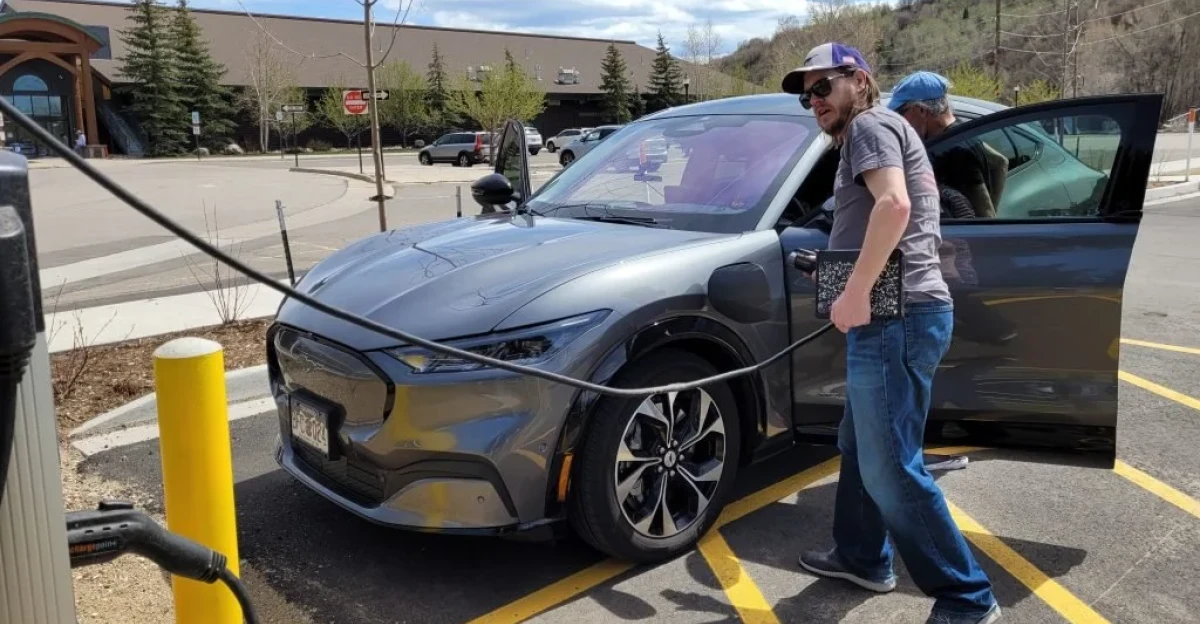
The cause is straightforward: federal policy created a price gap that made EVs artificially cheaper than gas cars. A $70,000 electric vehicle could be leased for $249 a month once credits, rebates, and manufacturer discounts are stacked up. “There’s no calculator on Earth that says a $70,000 vehicle should lease for $249,” said Jeff Silverberg, general manager of John Elway Chevrolet. “Certainly not a good one. And that’s what we saw.” Remove the subsidy, and the math collapses overnight. That $249 lease becomes a payment many times higher. Colorado’s entire EV surge ran on government life support.
Kitchen Table Math
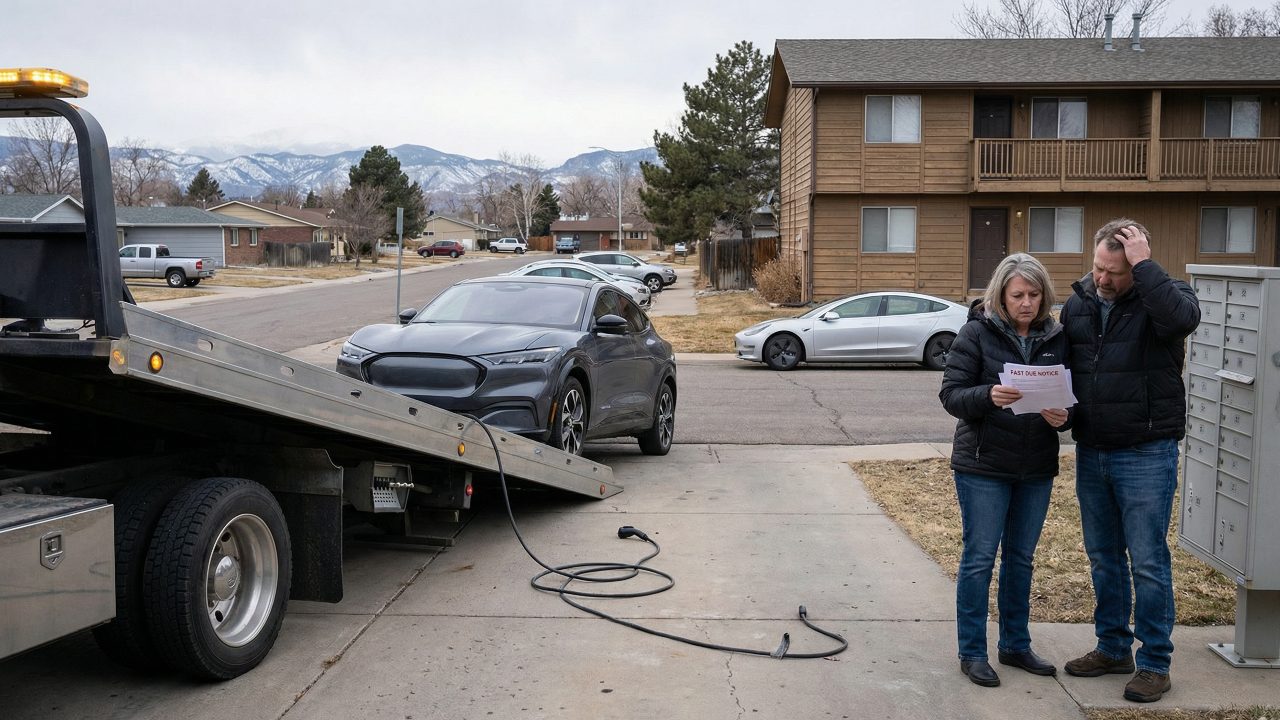
The sticker shock hits families first. Average new car transaction prices reached nearly $50,000 in spring 2026. One in five buyers now carries monthly payments above $1,000. That is a second mortgage on a depreciating asset. And the terms required to reach those payments keep stretching: 84-month auto loans represent 22% of new originations, the longest on record. Seven years of payments on something worth less every month. Meanwhile, 28% of trade-ins arrive underwater, owners owing an average of $6,905 more than the vehicle is worth.
Dealer Panic
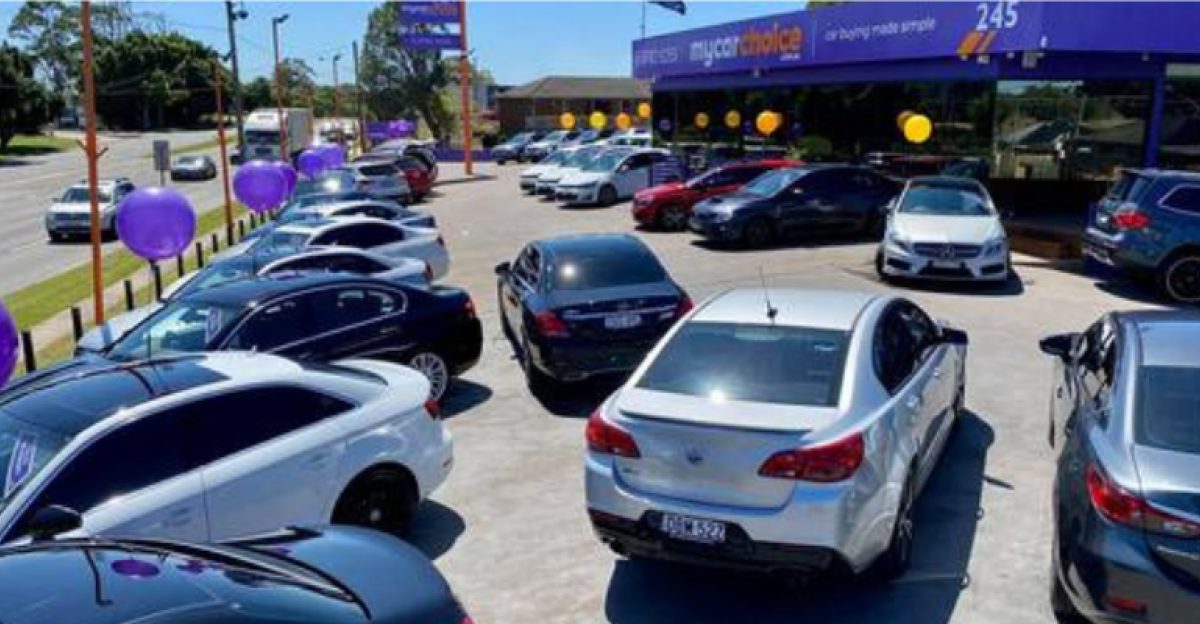
Franchise dealers rode the subsidy wave hard. Colorado franchise EV sales surged 110% year-over-year in Q1 of 2025, while direct-to-consumer brands like Tesla dropped 10%. Now those same dealers face ballooning EV inventory with no federal credit to move it. Matthew Groves of the Colorado Automobile Dealers Association called the third-quarter activity “a ton of shopper hype,” noting the incentive going away pushed sales up. Cox Automotive projects U.S. new-vehicle sales down 2.4% in 2026 and EV lease penetration declining by three percentage points. Dealers who loaded up on electric inventory are staring at write-downs.
Used Car Squeeze
Here is where the cascade crosses into territory nobody expected. Used car supply sits at just 49 days of inventory, half the 98-day supply for new vehicles. Average mileage on used cars for sale exceeds 70,000 miles. Buyers priced out of $50,000 new cars flood the used market, but there is nothing affordable to buy. And as subprime defaults accelerate, repossessed vehicles will dump into that same tight market, crashing prices for sellers still underwater. One policy change in the new-car market just destabilized the entire used-car economy.
The Hidden Trap
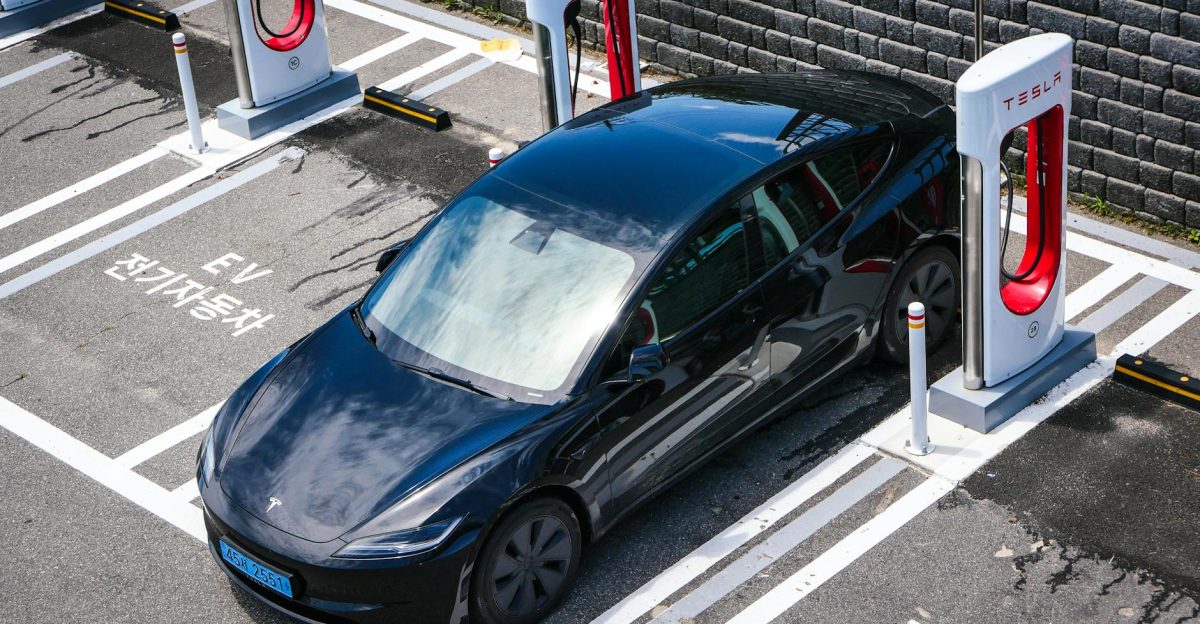
New cars are unaffordable, and used cars are scarce. Trade-ins underwater. Defaults spiking. These look like separate problems. But they share one mechanism: American households reached the limit of their financial strain, and subsidies papered over it. Subprime auto delinquencies hit a 32-year high of 6.65% at 60-plus days past due, the worst since January 1993, before the dot-com bubble, before 9/11, and before the 2008 crash. The subsidy removal removed the mask.
Voices Inside
“On the face of it, things seem good. The sales numbers are still strong,” said Tommy Mica, co-founder of The Fast Lane Car. “But I get that there’s this underlying tone across the majority of manufacturers [that] things are not OK.” That quiet dread is spreading. Auto loan delinquencies climbed 50% over the past 15 years, and the VantageScore data shows all income groups are affected. Prime borrowers’ delinquencies are climbing faster than subprime on an absolute basis. This stopped being a poor-people problem a long time ago.
Structural Collapse
Colorado’s job growth ranking fell from 6th nationally in 2019 to 47th by early 2025. A 41-position drop in six years. The state’s unemployment rate surpassed the national average for the first time since the 1980s oil bust. The Office of State Planning and Budgeting puts the odds of a recession at 50%. Tariff uncertainty froze business hiring and capital spending. Colorado’s effective tariff rate jumped from 3% to 21%, a 7-to-8 times increase representing the sharpest trade policy shock since NAFTA implementation in 1994. Retail sales are projected to fall 1.5 to 1.8 percentage points annually through 2027.
Winners and Losers

The irony is brutal. Tesla, the company that built Colorado’s EV market, watched its state market share collapse from 36.4% to 22.1% in twelve months as political backlash against its CEO drove buyers to franchise competitors. Franchise dealers, supposedly doomed by tech disruption, captured the entire EV growth wave. Subprime borrowers lose first. Young buyers locked into renting lose next. Rural communities with undiversified economies absorb the deepest cuts. And TABOR surplus tax credits will not be paid in 2026 due to revenue shortfalls, compressing consumer purchasing power further.
Still Breaking
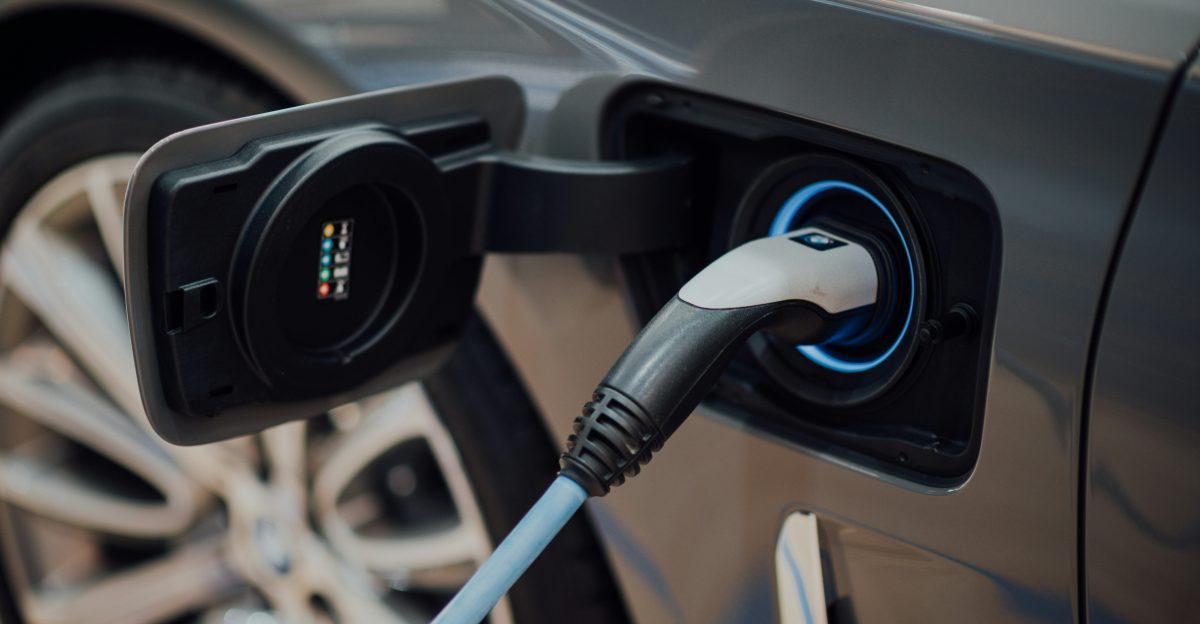
State EV credits drop from $6,000 to $750 in 2026. A second cliff behind the federal one. The housing market carries a 14-year-high unsold inventory. If mortgage defaults follow auto defaults, the cascade deepens. The JSON of Colorado’s economy reads like a diagnostic report: every system stressed, every margin gone, every buffer spent. Anyone paying attention to the car market now understands the pattern. Subsidies masked insolvency. The subsidies ended. The insolvency remains. And the next payment is due in 30 days.
Sources:
“Late Car Payments Are Piling Up at Record Levels.” Money.com, 16 Nov 2025.
“Cox Automotive Forecasts 2026 New-Vehicle Sales at 15.8 Million Units.” Cox Automotive, 5 Jan 2026.
“Big Parts of Colorado’s Economy Are Looking Lackluster — Are We in a Recession?” CPR News, 13 Nov 2025.