Tesla Pulls Entire US-Built Model 3 Inventory From Canada Overnight
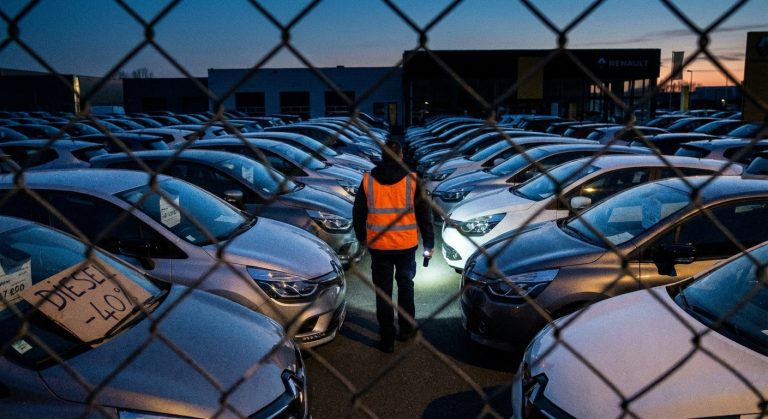
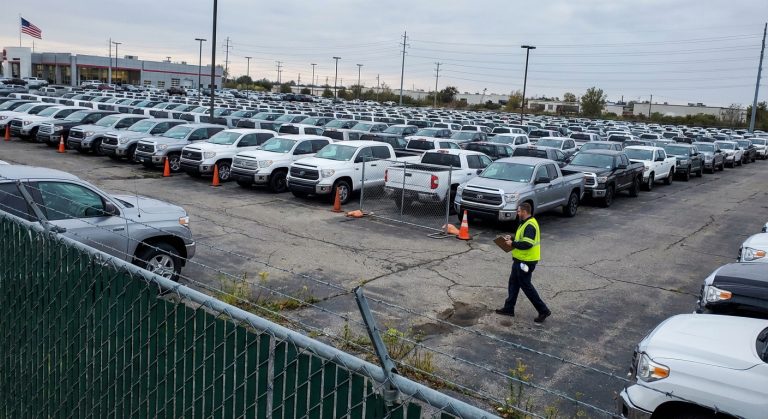
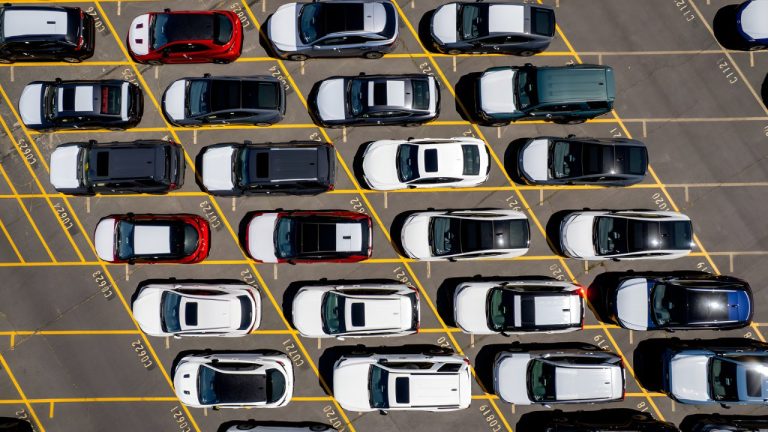
Over the weekend of March 1 to 3, Tesla’s Canadian showrooms emptied out. Every Model 3 demo unit and every new vehicle on each lot was pulled from the floor and loaded onto trucks headed south.
Reddit users in Canadian Tesla communities noticed first: the cars were gone. No discounts. No quiet relocation. All were shipped back to the United States without any public explanation. This happened on the same weekend Canada’s new Chinese EV import quota went into effect. Tesla kept silent. The empty parking lots told the story.
Tariff Whiplash
Starting October 1, 2024, Canada imposed a 106.1% tariff on Chinese-built EVs. That slammed the door on imports. For the next 17 months, every Model 3 in Canada will be listed at $79,990 CAD. In January 2026, Prime Minister Mark Carney went to Beijing and returned with a new deal. When that steep tariff blocked Tesla’s supply from Shanghai, there was no European backup for the Model 3.
Giga Berlin only builds the Model Y, so Tesla sent that SUV through Germany to avoid the tariff and switched Canadian Model 3 supply to its Fremont, California factory. Canada’s 25% counter-tariff on U.S. auto imports, a response to Trump’s April tariffs on Canadian goods, still hits every Fremont-built car. That extra cost landed on buyers. The $79,990 CAD price tag wasn’t about production costs; it was the tariff. Now, Canada allows 49,000 Chinese-built EVs per year at the regular 6.1% tariff rate. The first batch: 24,500 vehicles, first-come, first-served, starting March 1.
The Baseline
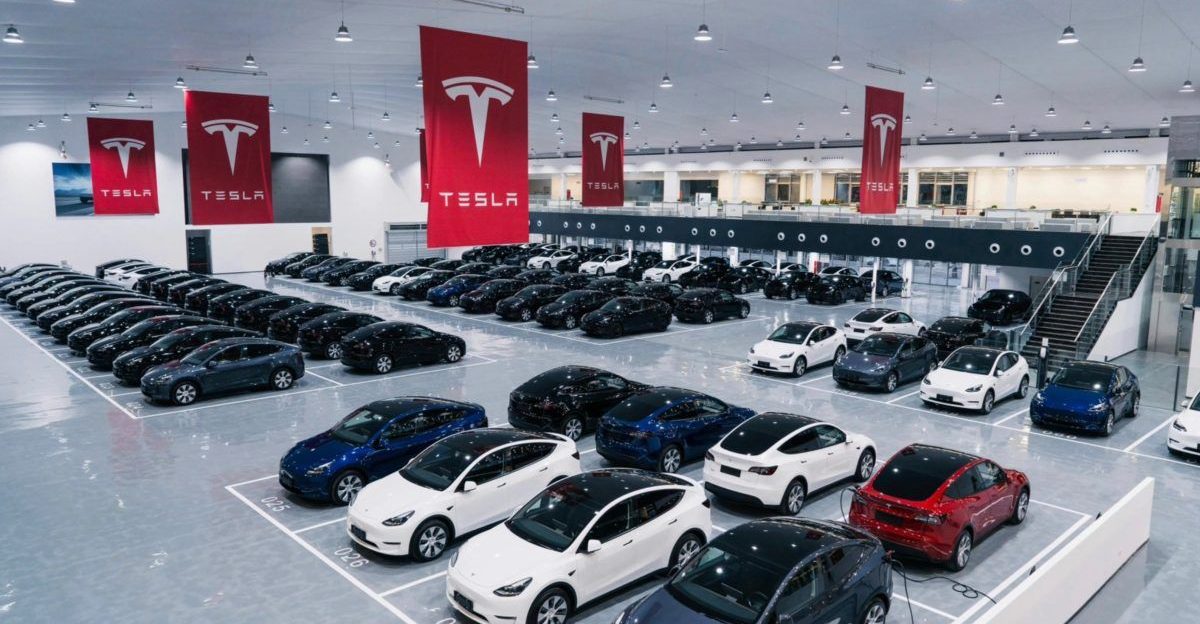
Tesla’s history of importing cars from China set the baseline for Canada’s new quota. The 49,000-unit annual limit matches the volume of Chinese-built EVs before the 2024 tariff. Tesla, as the main importer, defined that number.
Tesla’s Highland Model 3 and Juniper Model Y refreshes already meet North American certification standards, so there’s no delay. Competitors like XPeng and NIO still lack this certification. When the permit window opened on March 1, only Tesla had everything in order.
The Swap
Every Model 3 in Canada included $25,000 to $30,000 in U.S. import tariffs baked into its price. The 25% Canadian counter-tariff on American autos hit every Fremont-built unit. When the 6.1% tariff replaced the old 106.1% barrier, those cars stopped making sense financially. Tesla cleared out old inventory to make space for Shanghai-built models that could sell for $45,000 to $55,000 CAD.
Not a Tesla App reported Tesla was getting ready for a major price correction under the new trade agreement. In a single weekend, the company turned over its entire Canadian supply chain.
Regulatory Front-Running
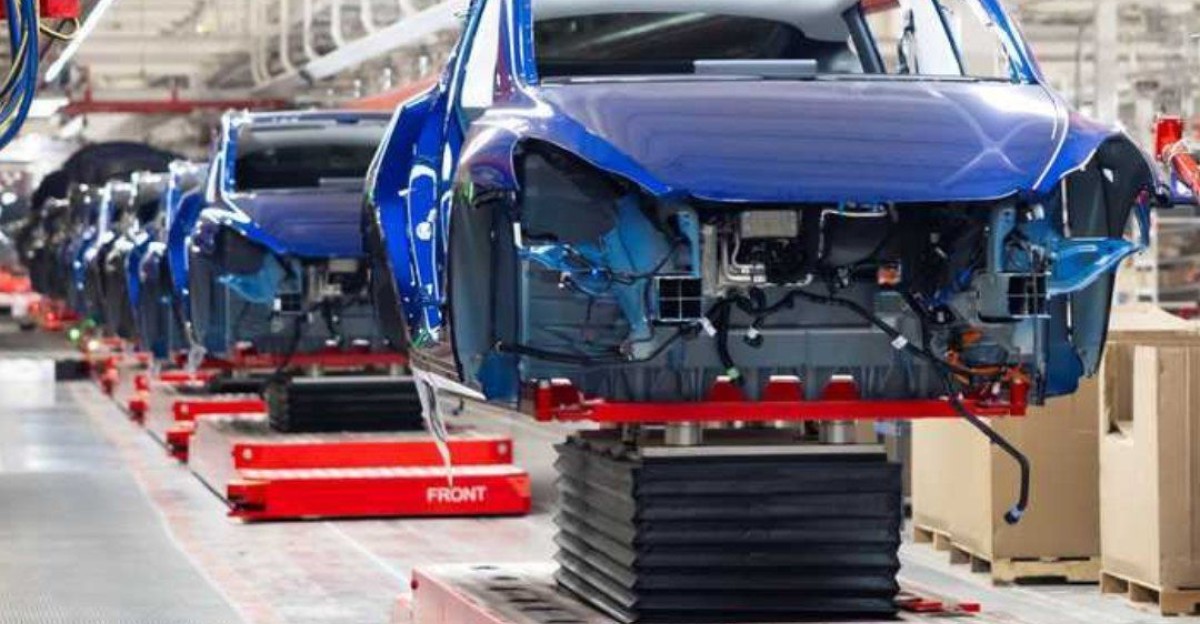
The quota system divides the year into two six-month permit windows: the first runs from March 1 through August 31, 2026. This structure rewards companies that can move quickly. Tesla’s Giga Shanghai models are already listed in Transport Canada’s certification database.
Competitors need about eight weeks just to get approval. Industry estimates say Tesla could grab 7,000 to 10,000 of the first 24,500 permits—about 29 to 41% of the total. Most Chinese manufacturers aren’t ready to sell in Canada. In this round, speed beats product quality.
Price Shock
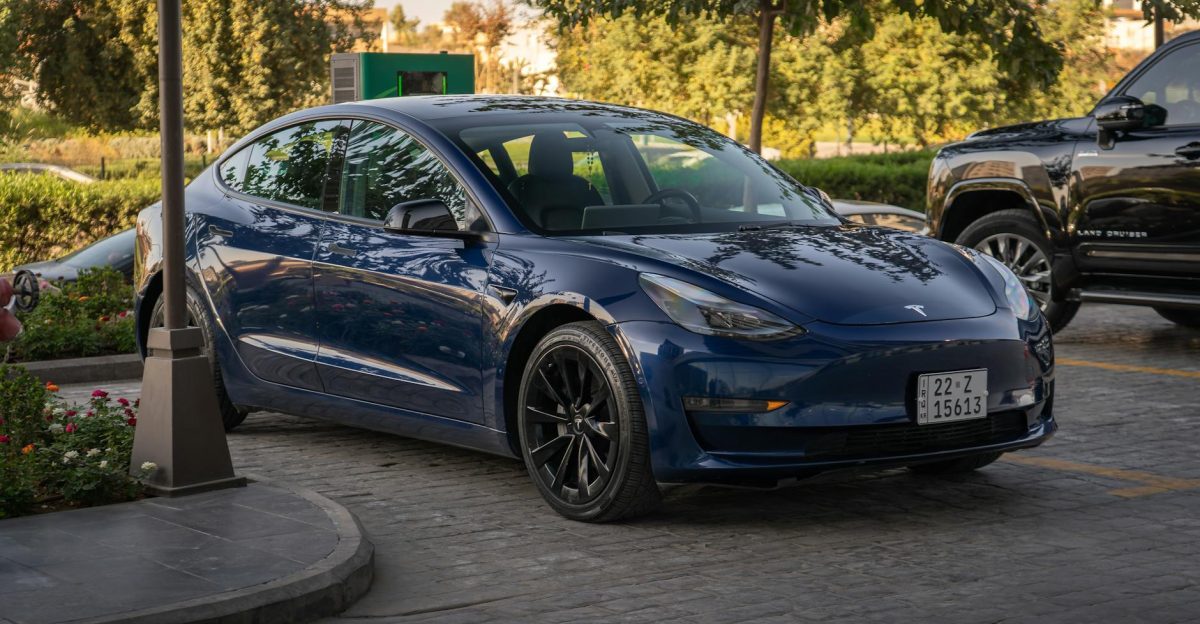
Tesla’s U.S. EV market share fell to 46% in 2025, down from 49% in 2024, with a monthly low of 38% in August. Global deliveries fell 8.5% year over year.
The company’s brand value sank by $15.4 billion, marking three years of losses. Tesla is hurting in the U.S. and looking to Canada’s tariff gap for relief.
Collateral Damage
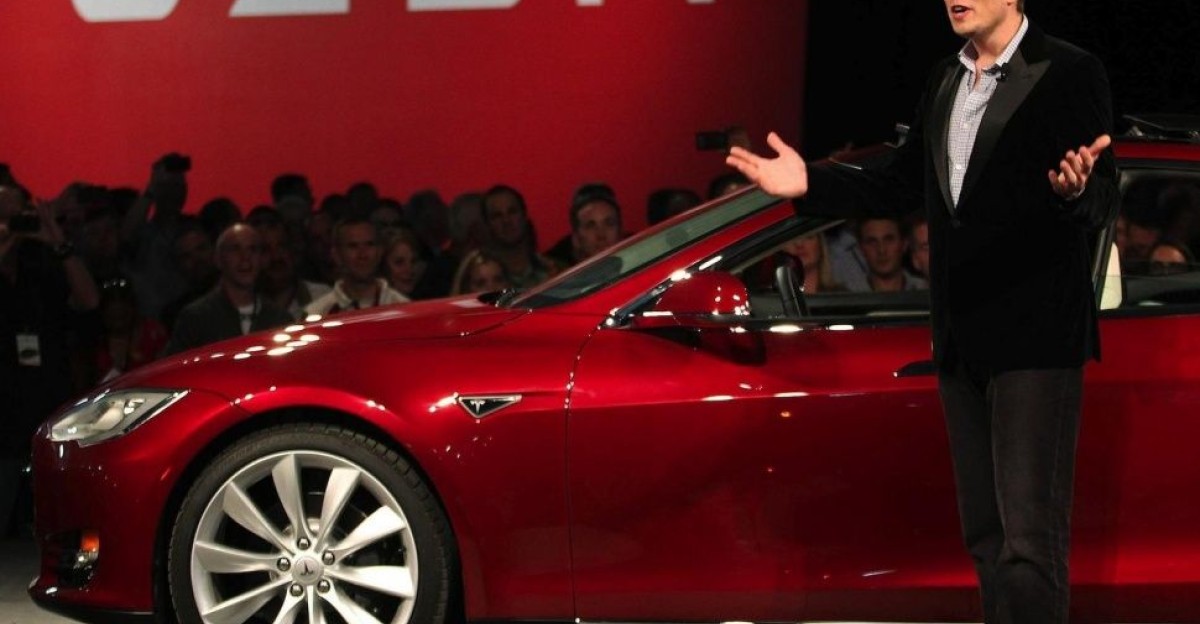
General Motors is locked out of this quota. It has no Chinese-manufactured vehicles with the required Canadian certification ready to import. Global Affairs Canada has said it will work with Chinese automakers on timely vehicle certification,’ implying none of the relevant brands yet meet Canadian motor vehicle safety standards at scale. Ford and Stellantis face the same certification delays as other non-Tesla importers.
Canadian EV prices are set to drop, pushing GM, Ford, and Hyundai into price wars that will cut into profits. One American company moves ahead thanks to a factory in China, while three rivals lose ground in Canada.
The Boomerang
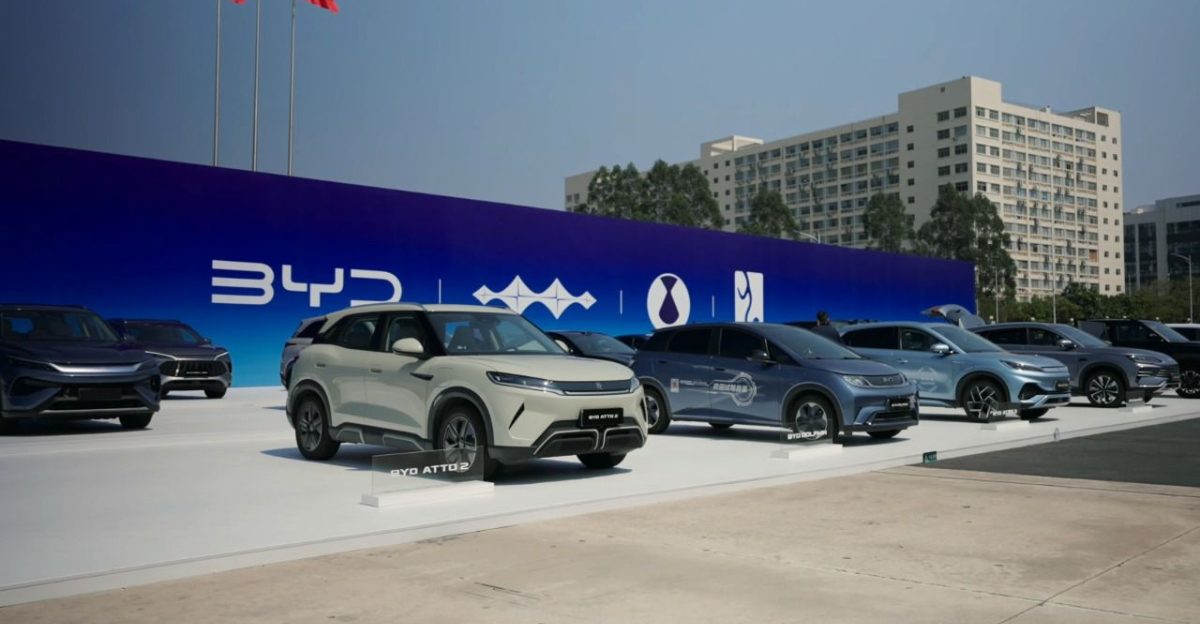
Trump’s more than 100% in total duties on Chinese EVs at the U.S. border were intended to seal off North America. The result was different. Canada negotiated directly with Beijing, creating a policy gap that Tesla is now using to its advantage. Some analysts call this “the tariff boomerang.”
The quota is set to increase annually at a fixed ratio, with affordable EVs priced below $35,000 CAD anticipated to comprise at least 50% of imported units by 2030. USMCA renegotiation arrives this summer. Canada’s managed quota system is the first of its kind in North America and could become a model for Washington.
Brand Poison

Carney described the deal as advancing a new strategic partnership that benefits the people of both nations. For now, the biggest winner is an American company importing from Asia. Its CEO’s reputation is already a challenge for sales in Canada.
Tesla’s head start will last until rivals complete North American certifications, likely by September 2026. China’s 2025 rare-earth export controls could disrupt EV motor supply chains, no matter where the cars are built. The six-month monopoly window won’t last, and it carries reputational risk.
The Real Game
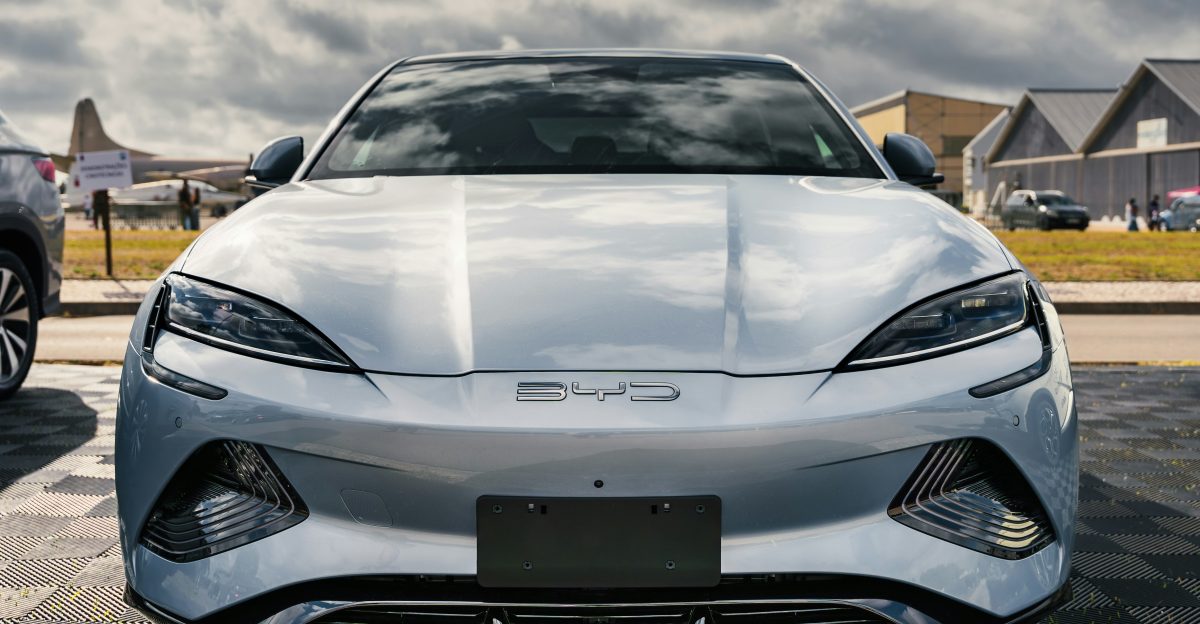
Affordable EVs in Canada now come from Giga Shanghai, not Detroit. Tesla cleared out its Canadian inventory in a weekend by filing permits faster than anyone else. By the time BYD or XPeng secures certification, Tesla could take 40% of the first quota.
The company that lost $15.4 billion in brand value last year now holds a six-month head start that’s more valuable than innovation. GM’s response in June will set the stage for the next stage.
Sources:
Drive Tesla Canada | Tesla removes Model 3 inventory from Canada as new China EV import program officially opens | March 1, 2026
Office of the Prime Minister of Canada | Prime Minister Carney forges new strategic partnership with the People’s Republic of China | January 15, 2026
Reuters | Tesla poised to be early winner as Canada opens door to Chinese-made EVs | January 19, 2026
Government of Canada – Department of Finance | Canada announces entry into force of countermeasures against auto imports | April 7, 2025
CleanTechnica | Tesla Had 46% of US EV Market in 2025, Down from 49% in 2024 | February 4, 2026
Electrek | Tesla brand value crashed 36% in 2025 | January 27, 2026