‘The Worst Is Yet To Come’—Europe’s Auto Supply Chain Loses 104,000 Jobs In 24 Months
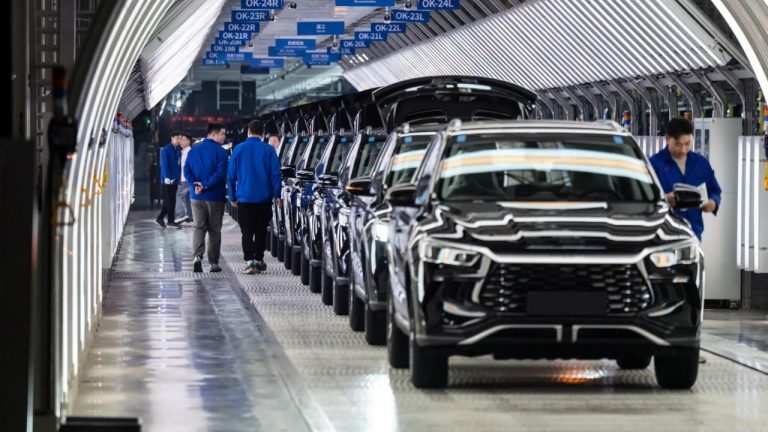
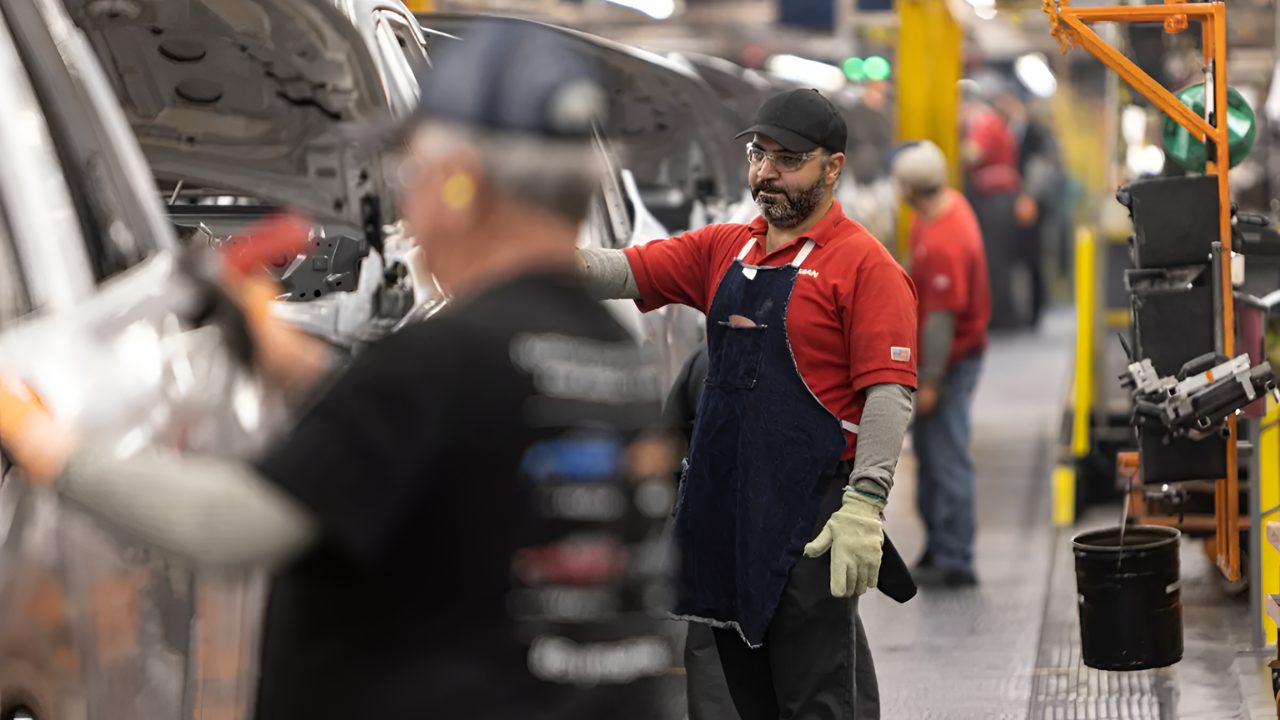
Factories across Germany, Sweden, and Italy that once operated around the clock now sit silent. Assembly lines designed for a growing market run at just over half capacity. Shifts have been cut. Parking lots stand half-empty on Monday mornings.
The European automotive supply chain, long considered the backbone of the continent’s manufacturing strength, began losing jobs in 2024, and those losses have continued. Every day, 140 families lose their income to this crisis. The pace is picking up.
The Buildup

The pressure had been building long before the first pink slips arrived. EU car sales were already around 18% below pre-pandemic levels. German profit margins slipped by 5 percentage points over 3 years. Supplier profits peaked in 2021 and 2022, then started a steady decline. The industry counted on the electric vehicle transition to create new demand and fill the gap.
Billions were invested in battery plants, new production lines, and worker retraining. The industry made a massive bet. The expected orders never came. Margins were shrinking before anyone was willing to say so aloud.
Cracks Appear

The industry counted on tariffs to block Chinese competition, subsidies to fill gaps, and European engineering to win on quality. This confidence cracked when Northvolt, Sweden’s battery leader, filed for bankruptcy in 2024.
Porsche scaled back its Cellforce battery subsidiary to research and development only, calling production “non-viable.” Stellantis-backed ACC put two battery plants in Germany and Italy on hold. Six hundred gigawatt-hours of planned European battery capacity never became reality. The safety net policymakers promised did not hold.
The Real Number

European suppliers lost 54,000 jobs in 2024. Another 50,000 disappeared in 2025. In just two years, more than 104,000 positions vanished while only 7,000 new jobs appeared. That is a 15-to-1 ratio of losses to gains. CLEPA Secretary General Benjamin Krieger stated, “We need to stop the bleeding: Over 100,000 people in the automotive supply chain have lost or are about to lose their jobs.”
Closures and bankruptcies now make up 44% of these job losses. In the past, that number was just 22%. These jobs will not return.
Inside the Machine
The main force behind this collapse comes from a supply chain designed for a world of cheap energy, global networks, mature internal combustion technology, and European cost leadership. All four of those conditions have flipped. China now controls about 70% of global EV production and 69% of the battery market.
The EU produced 2.4 million electric vehicles in 2024. China produced approximately 12 million new energy vehicles. Both Stellantis and Volkswagen leadership acknowledged the same bind: the harder they are pressed to cut prices, the more dependent they become on lower-cost battery imports.
Germany’s Wound
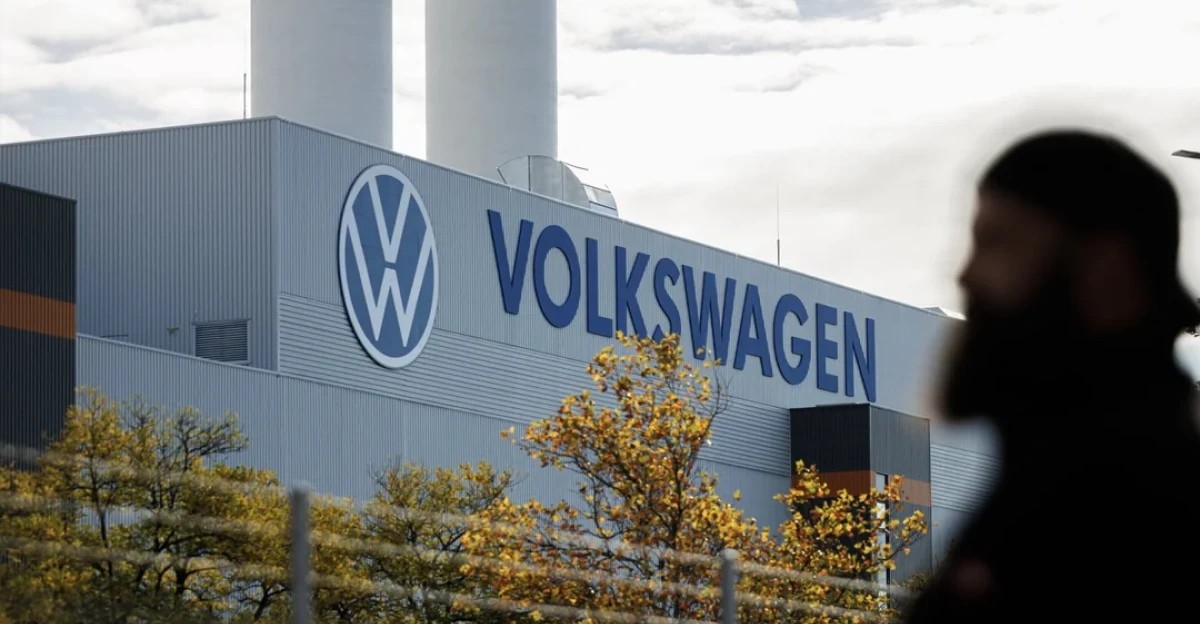
Germany faced the hardest hit. Its automotive sector lost 51,500 jobs in the year to June 2025, equal to 6.7% of its total workforce. Germany is responsible for two-thirds of the EU’s decline in car parts exports, and China accounts for over half of that drop. Volkswagen closed its Dresden plant, the first German factory to close in the company’s 88-year history.
That single closure ended a streak older than the Federal Republic. Germany narrowly avoided a third straight year of recession, growing only 0.2% in 2025 after shrinking in both 2023 and 2024.
The Ripple

The damage is spreading beyond supplier payrolls. The EU posted its first automotive trade deficit in new mobility components, as battery imports from China grew by 15% year-on-year. Bosch announced a combined 22,000 job cuts across two rounds of reductions. ZF plans 14,000 by 2028. Continental followed suit. Many Tier 2 and Tier 3 suppliers—rarely known outside the industry—are disappearing entirely.
Communities built around a single parts factory now face economic ruin. CLEPA projects that 350,000 supplier jobs will be at risk by 2030. Factoring in offshoring, that number could reach 650,000 by 2035.
The Hard Truth
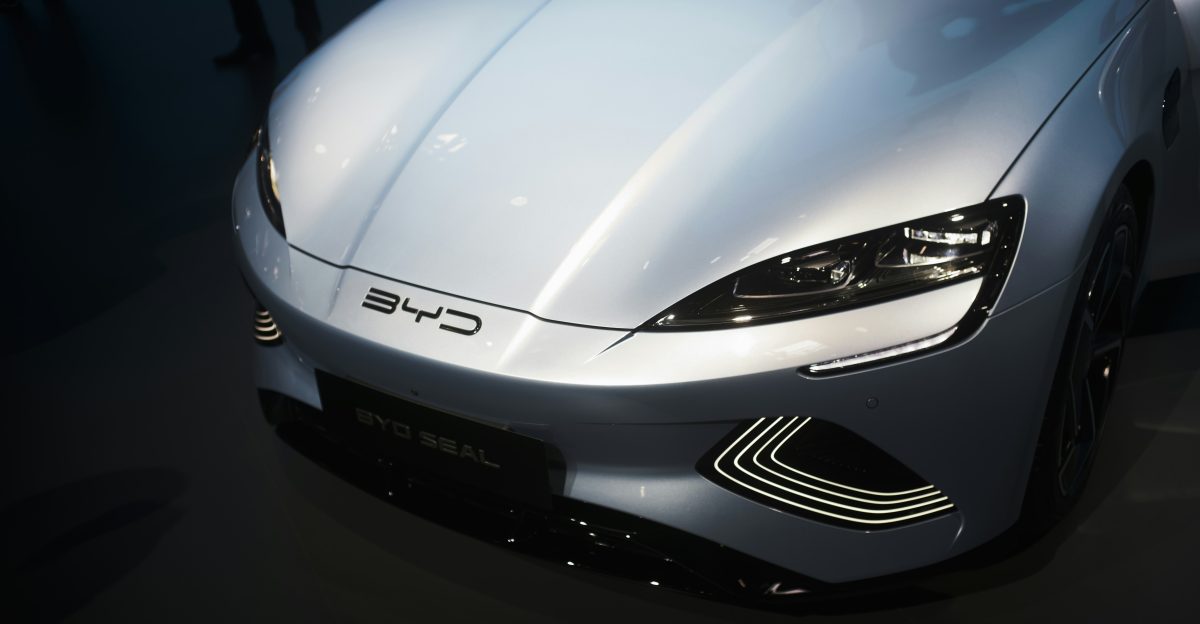
European policymakers face a hard truth: every protection mechanism designed to save the industry is speeding up its decline. Tariffs on Chinese EVs led BYD and CATL to build factories in Hungary. Local content rules requiring 70% EU sourcing clash with the fact that China controls 90% of rare-earth magnet processing.
In April 2025, Beijing restricted rare-earth exports, causing a 51% drop in magnet shipments in just one month. Europe’s defensive wall proved easy to bypass, and Chinese manufacturers have already entered.
No Floor

The Industrial Accelerator Act, Europe’s flagship policy response, remains under development and has not been enacted as of early 2026. The Draghi report called for €750-800 billion in investment per year, but spending is far below that level. Meanwhile, eight European auto plants need to close just to bring capacity utilization back to a sustainable level.
Those numbers hold even if demand picks up. Krieger warned, “This is no trial period.” The structural changes are underway, and politics moves more slowly than layoff notices.
The New Map
European automotive independence is no longer a policy choice. It is a historical artifact. Chinese companies are building inside EU borders, capturing supply chains from within, and doing so with European policy incentives.
The 104,000 jobs lost make up only about 30% of the projected total. Most of the damage is still ahead. Control of the battery means control of the car, and that decision was made before Europe arrived at the table.
Sources:
CLEPA – “Structural Pressures on Europe’s Suppliers: Policy Delivery Is Key” (Data Digest #24) – January 14, 2026
Just Auto – “Europe’s Auto Supplier Industry Faces Big Job Losses – CLEPA” – January 18, 2026
Reuters – “China’s Rare Earth Magnet Shipments Halve in May Due to Export Curbs” – June 20, 2025
Automotive Logistics / AlixPartners – “European Logistics Providers Brace for Industry Overcapacity” – November 26, 2025
DW – “EU Report Calls for €800 Billion Investment Boost” (Draghi Report) – September 9, 2024
ECFR – “Electric Shock: The Chinese Threat to Europe’s Industrial Heartland” – September 8, 2025