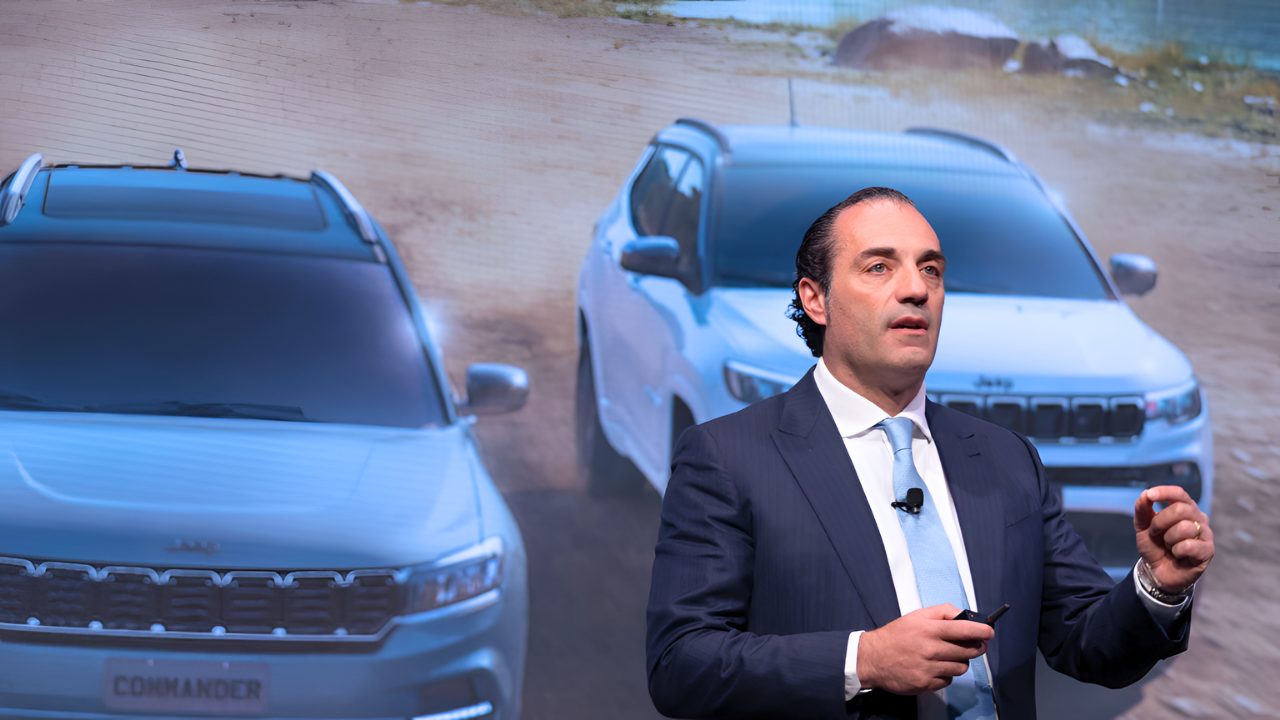
Departed CEO Pocketed $14M Before Stellantis Posted Worst Loss In History—New Boss Vows ‘Profitable Growth’
February 2026. A new CEO stands behind a podium and reads numbers that have never appeared on a Stellantis earnings sheet. Not in five years of existence. Not once. The company born from the 2021 merger of Fiat Chrysler and PSA had never posted a net loss. Now it has posted a €22.3 billion net loss, its first and one of the largest write-downs in automotive industry history. One year earlier, the same line read €5.5 billion in profit. A €27.8 billion swing, and 38,000 UAW-represented workers about to feel every euro of it.
The All-In Bet
That €22.3 billion didn’t vanish in a crash or a recession. It traced to a single strategic conviction: electric vehicles would dominate faster than anyone expected. Under former CEO Carlos Tavares, Stellantis committed tens of billions of euros to electrification and EV platforms across 14 brands on multiple continents. Scenario triggers and kill switches existed mostly on paper. No governance gates forced a reassessment when demand data started diverging from projections. The company built an entire architecture around one assumption about the future, then bolted most of the exits shut.
When Cracks Became Fractures
The assumption started rotting from the inside. Quality deteriorated because of what Stellantis itself called “operational choices which did not deliver the expected quality performance.” Field defect rates climbed. Rework hours piled up. None of it converted into a timely financial risk estimate. Meanwhile, supplier contracts carried exit costs nobody had modeled. Platform commitments ballooned without portfolio-level demand forecasts. Every warning signal existed in real time. The company’s own governance system simply never translated any of them into actionable intelligence. Warranty and quality-related charges alone ran into the billions in what amounted to internal bleeding nobody fully measured until the patient collapsed.
Itemizing the Damage
Here is what the multibillion-euro reset looks like when you break it open: €14.7 billion in charges tied to EV product realignment and related write-offs. Additional billions for platform impairments, a multibillion hit from quality and warranty failures, billions more for excess battery capacity and resizing the EV supply chain, and more than a billion for workforce reductions. Every euro traceable to a decision. Not a market shock. Not consumer rejection. Governance failure, pure and compounding. The company didn’t lose €22.3 billion because buyers rejected EVs. It lost that because nobody built a system to ask whether the bet was still working.
Strategic Reversal
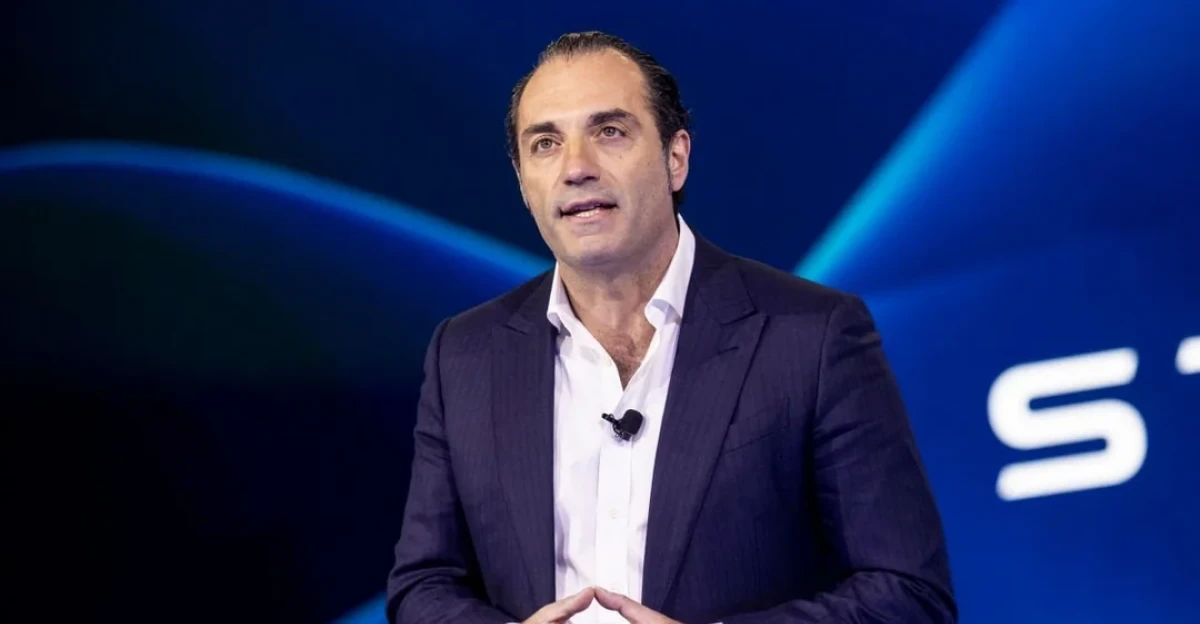
CEO Antonio Filosa, who took over in late June 2025, called it “the cost of over-estimating the pace of the energy transition and of the need to reset our business around our customers’ freedom to choose from the full range of electric, hybrid and internal combustion technologies.” His solution: a “freedom of choice” strategy offering electric, hybrid, and combustion vehicles. Which sounds forward-thinking until you realize it is a full repudiation of his predecessor’s entire strategic architecture. Stellantis also decided to discontinue its hydrogen fuel cell program, taking €324 million in related charges tied to the Symbio joint venture. Then it sold its 49% stake in an Ontario battery plant joint venture to LG Energy Solution for $100. After participating in a project whose overall planned investment ran into the billions. One hundred dollars.
The Volume Trap
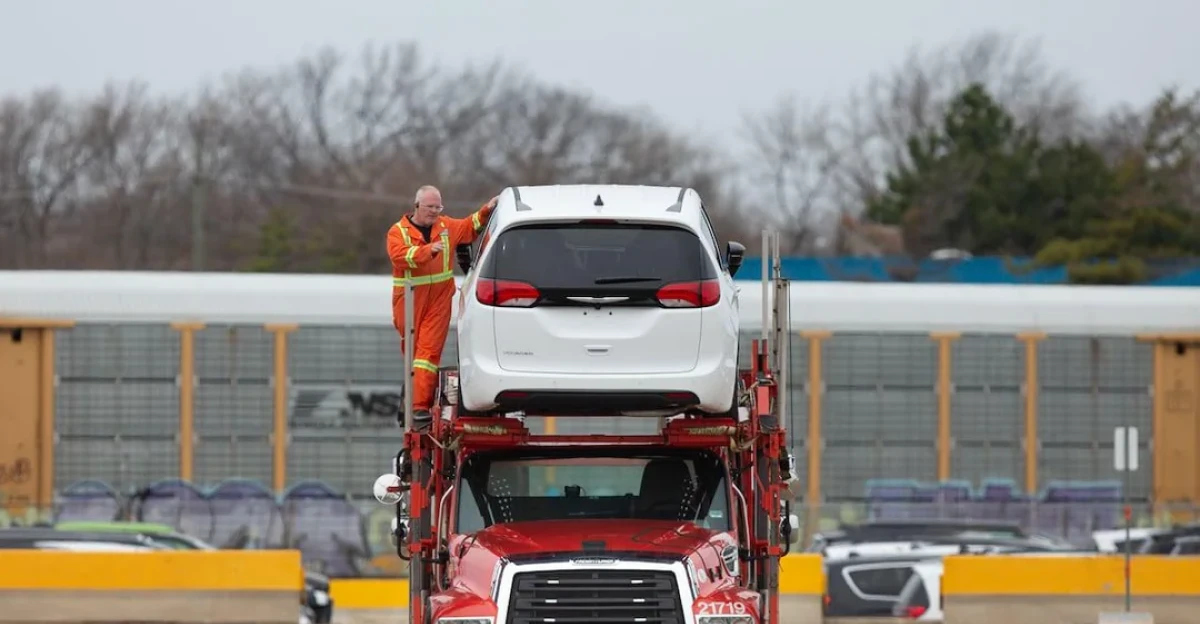
The recovery numbers look encouraging on paper. Second-half 2025 shipments rose about 11% to roughly 2.8 million units. Revenue climbed about 10% to just over €79 billion. North America surged nearly 40% in volume, adding more than 200,000 units. Except North America still produced a loss. More trucks moved off lots, but pricing collapsed so badly that every additional sale diluted margins further. Selling more vehicles while losing more money is not a turnaround. It is a company running faster on a treadmill bolted to the floor.
Golden Parachutes and Empty Pockets
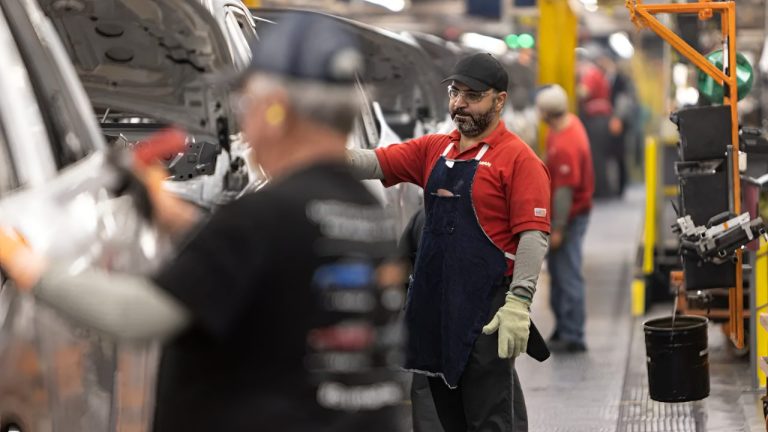
The UAW workers at Stellantis plants received exactly zero in profit-sharing for 2025. The mechanism is automatic: negative North American margins mean no checks. Meanwhile, departed CEO Carlos Tavares earned €12 million in 2025 despite departing in December 2024. Current CEO Filosa earned €5.42 million in 2025, including a €1.4 million base salary. Based on an estimated average employee salary of €78,000, Filosa’s pay was approximately 69.5 times the average worker’s compensation. The man who built the bomb got a golden parachute. The people in the blast radius got nothing.
An Industry-Wide Reckoning
This was never just a Stellantis problem. Ford took a $19.5 billion EV charge, and General Motors took a $6 billion write-down. Across the Atlantic, Western automakers have collectively absorbed tens of billions in EV-related losses and write-downs. And while they retrenched, BYD delivered 2.26 million units in 2025, surpassing Tesla’s 1.64 million. Chinese EVs grabbed about a 12.8% share of the European market and kept accelerating. Protectionist tariffs designed to encourage domestic EV investment instead contributed to tens of billions in EV-related write‑downs across Western automakers. The myth that betting biggest on EVs earliest guaranteed survival died in a spreadsheet.
Postponed Commitments
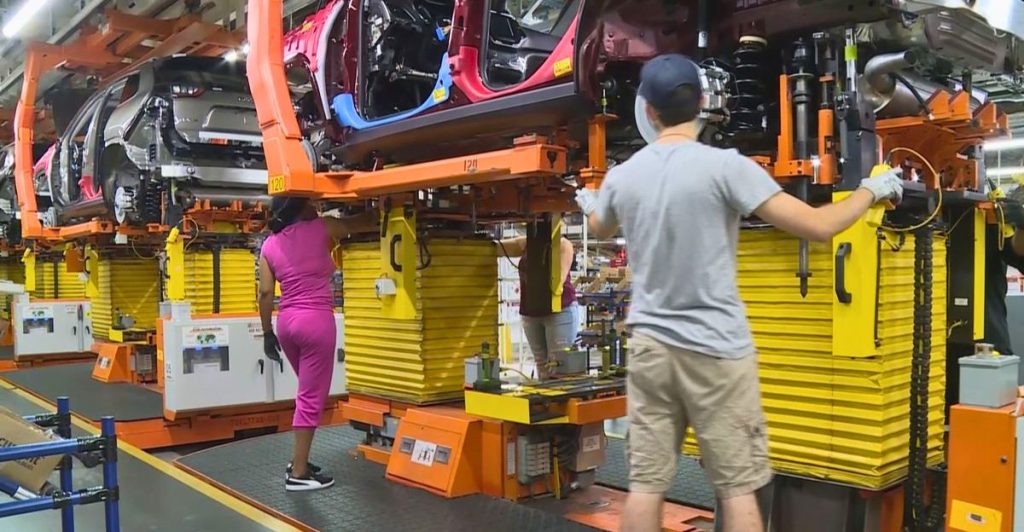
Belvidere Assembly was supposed to reopen in May, 2027. Now it is targeted for June 2028, pushing thousands of promised jobs back by several months and stretching local patience thin. Stellantis suspended its 2026 dividend and authorized up to €5 billion in hybrid bonds to shore up liquidity. Industrial free cash flow finished 2025 around negative €4.5 billion. The company still holds tens of billions of euros in available liquidity, but roughly €6.5 billion in restructuring payments loom over the next four years. Filosa faces a late‑May 2026 Investor Day where he must present a credible turnaround plan or watch the stock crater again.
Turning East for Answers
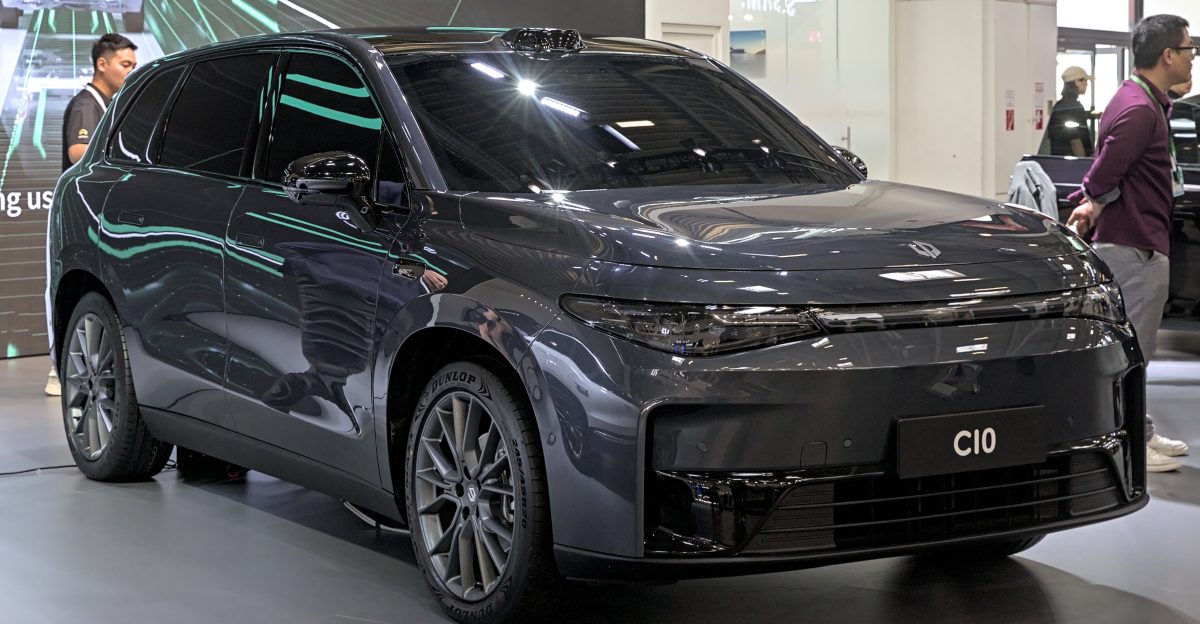
Stellantis is now deepening its partnership with Chinese EV maker Leapmotor, effectively leaning on Chinese EV and software know‑how to accelerate products for its own brands. Read that twice. A company that lost €22.3 billion on its own EV strategy may need Chinese EV architecture to survive the next phase. Filosa’s “profitable growth” pledge rests on the same basic organizational structure that failed to detect tens of billions of euros in accumulating risk. The governance system that let predictable failures become accounting surprises has not been rebuilt. It has been given a new CEO and a new slogan.
Sources:
“Stellantis Reports Full Year 2025 Financial Results.” Stellantis N.V. / WebWire, 25 Feb 2026.
“Stellantis Publishes 2025 Annual Report and Files Form 20‑F.” Stellantis N.V. / StockTitan, 25 Feb 2026.
“Ex‑CEO Tavares Gets €12 Million Severance Pay From Stellantis.” New Mobility News, 3 Mar 2025.
“Auto Giant Stellantis Appoints 25‑Year Company Veteran Antonio Filosa as New CEO.” Fortune, late May 2025.