Toyota Forces World’s Most Feared Activist To Accept $5.5B Below Its Own Value In Largest Japanese Buyout Since WWII
Nine months of war between one of the world’s largest automakers and one of the most feared activist investors on earth ended with a handshake on March 2, 2026. Elliott Investment Management, commanding $79.8 billion in assets, agreed to tender its 7.1% stake in Toyota Industries. The fund called the new terms “an improved outcome for minority shareholders” that “will promote the unwinding of cross shareholdings within the Toyota Group.” Weeks earlier, Elliott’s own analysis valued the company at 26,134 yen per share — 21% above the price Elliott just accepted.
Three Rounds, Three Rejections
Toyota Motor opened at 16,300 yen per share in June 2025. Elliott disclosed its stake and pushed back. Toyota bumped to 18,800 yen in January 2026. Elliott publicly rejected it, calling the bid one that “very substantially undervalues” the company. Toyota came back a third time: 20,600 yen. Three price increases totaling a 26% premium over the original bid across nine months. Each round looked like a concession. Each round still landed below what Elliott’s own valuation models said the shares were worth.
The Governance Myth
The story everyone wanted to believe: Japan’s corporate governance reforms work, activist pressure forces fair prices, and minority shareholders get protected. Twenty-four major investors, led by the Asian Corporate Governance Association, wrote letters demanding transparency. Elliott published detailed net-asset-value analyses. The Special Committee appointed to protect minority interests reviewed the numbers. That committee’s own DCF valuation range placed the offer below its midpoint. And the committee’s recommendation? “Neutral.” Not approve. Not reject. Neutral. The cracks were already structural.
When the Numbers Don’t Add Up
Elliott’s January 16 analysis pegged Toyota Industries’ fair net asset value at 26,134 yen per share. The accepted price: 20,600 yen. That gap is 5,534 yen per share. Across 311 million outstanding shares, billions in value evaporated between what the company was worth and what shareholders received. Elliott knew the math. Published the math. Then took the lower number anyway. One of the most feared activist funds on the planet looked at the world’s largest automaker and calculated that fighting was more expensive than losing.
Engineering the Outcome
Toyota didn’t just outbid Elliott. Toyota redesigned the playing field. Group subsidiaries Denso, Aisin, and Toyota Tsusho, collectively holding 12.21% of shares, were reclassified as “independent minorities” for voting purposes. That dropped the approval threshold to 42% instead of a fair 46.5%. The original tender launched in June 2025, roughly one month before new Tokyo Stock Exchange disclosure rules would have required detailed asset-by-asset valuation transparency. No DCF models were disclosed. No discount rates. No tax assumptions. Opacity was the strategy.
Leaving Money on the Table
Elliott’s own Standalone Plan projected Toyota Industries shares reaching 40,000 yen or more by 2028. The accepted offer of 20,600 yen captures roughly half that projected value. Meanwhile, TICO’s publicly traded stakes had increased more than 40% since the original June announcement, yet the offer captured only a fraction of that increase. On a single day in January 2026, Toyota Motor stock rose 7.5%, creating over 1,000 yen in per-share value for TICO that never appeared in the pricing. The numbers kept moving. The offer barely did.
The Domino Effect
Travis Lundy of Quiddity Advisors put it plainly: “Elliott’s decision to tender effectively makes the bid a ‘done deal.'” With the March 16 deadline approaching, institutional shareholders facing squeeze-out risk have one rational move: follow Elliott out the door. Minority shareholders across Japan and globally now face permanent foreclosure of upside on a company whose own advisers couldn’t place the offer above their valuation midpoint. Elliott’s exit didn’t just end one campaign. It removed the last credible threat of litigation hanging over the transaction.
The Blueprint for Every Keiretsu
This deal, with a tender offer valued at approximately $30 billion, ranks among the largest buyouts in Japanese corporate history and represents one of the most consequential tests of governance reform since the postwar keiretsu system took root. Every tool in the playbook worked: timing announcements before disclosure deadlines, maintaining valuation opacity, engineering voting thresholds through affiliate reclassification, and sheltering behind a “neutral” Special Committee. Other keiretsu groups, Mitsubishi, Mitsui, Sumitomo, now have a template. The TICO deal proved that governance safeguards exist on paper but bend under majority-owner pressure.
The Architect Takes the Throne
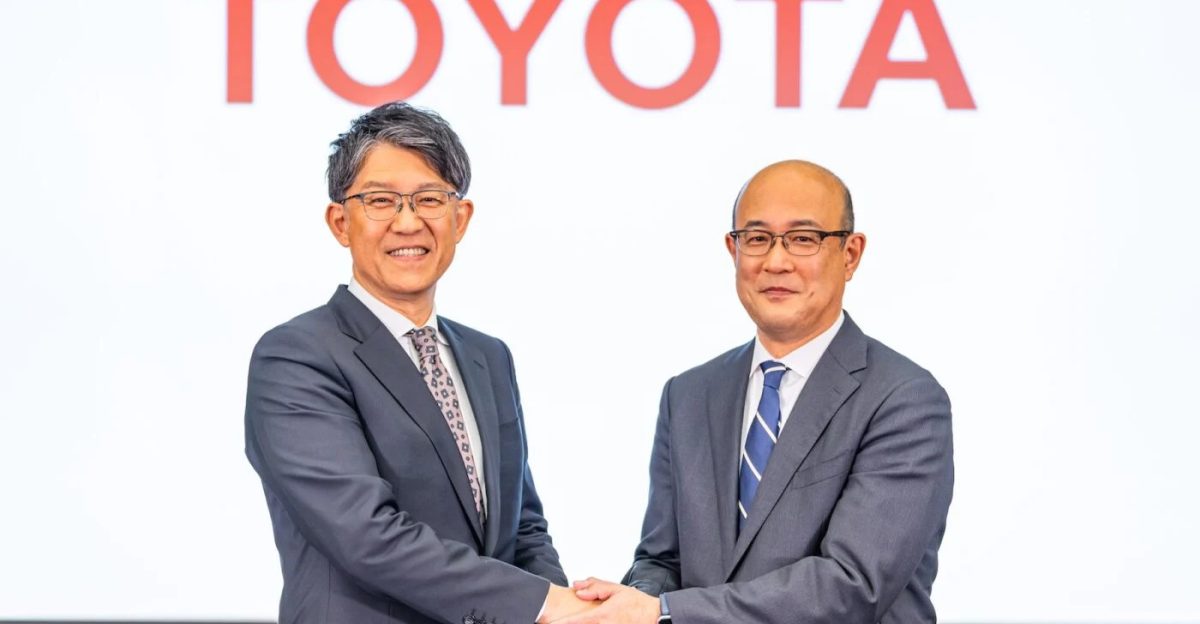
Toyota’s incoming CEO Kenta Kon called the deal “an extremely significant development for the market.” He’s right, though probably not the way he meant it. Kon architected a transaction that replaces public market accountability with single-shareholder control. Global institutional investors holding Japanese subsidiary stakes now face a new calculus: if governance protections failed here, against the most prominent activist campaign Japan has seen in years, they fail everywhere. Foreign capital confidence in Japanese equities takes the hit. The cost of that reputational damage hasn’t been priced yet.
Profitable, But Not Fair
Elliott walked away with a 24% return on its cost basis of roughly 16,650 yen per share. A profitable trade. But profitable trades and fair outcomes occupy different planets. The fund that manages nearly $80 billion, that has pressured dozens of corporations worldwide, extracted three price bumps and still accepted a valuation 21% below its own published analysis. That’s the framework worth carrying out of this story: when a majority shareholder controls the board, the voting rules, and the disclosure timeline, activism doesn’t fail. It gets contained.
Sources:
“Toyota bumps offer for supplier to $30 billion, in a victory for activist fund Elliott.” Reuters / Channel News Asia, 2 Mar 2026.
“Toyota Raises Offer for Unit, Ending Standoff With Elliott.” Bloomberg, 2 Mar 2026.
“Elliott says offer for Toyota Industries is 40% undervalued, proposes alternative plan.” Channel News Asia, 18 Jan 2026.
“Meeting the challenges of a changing world.” Hosking Partners, Sept 2025.