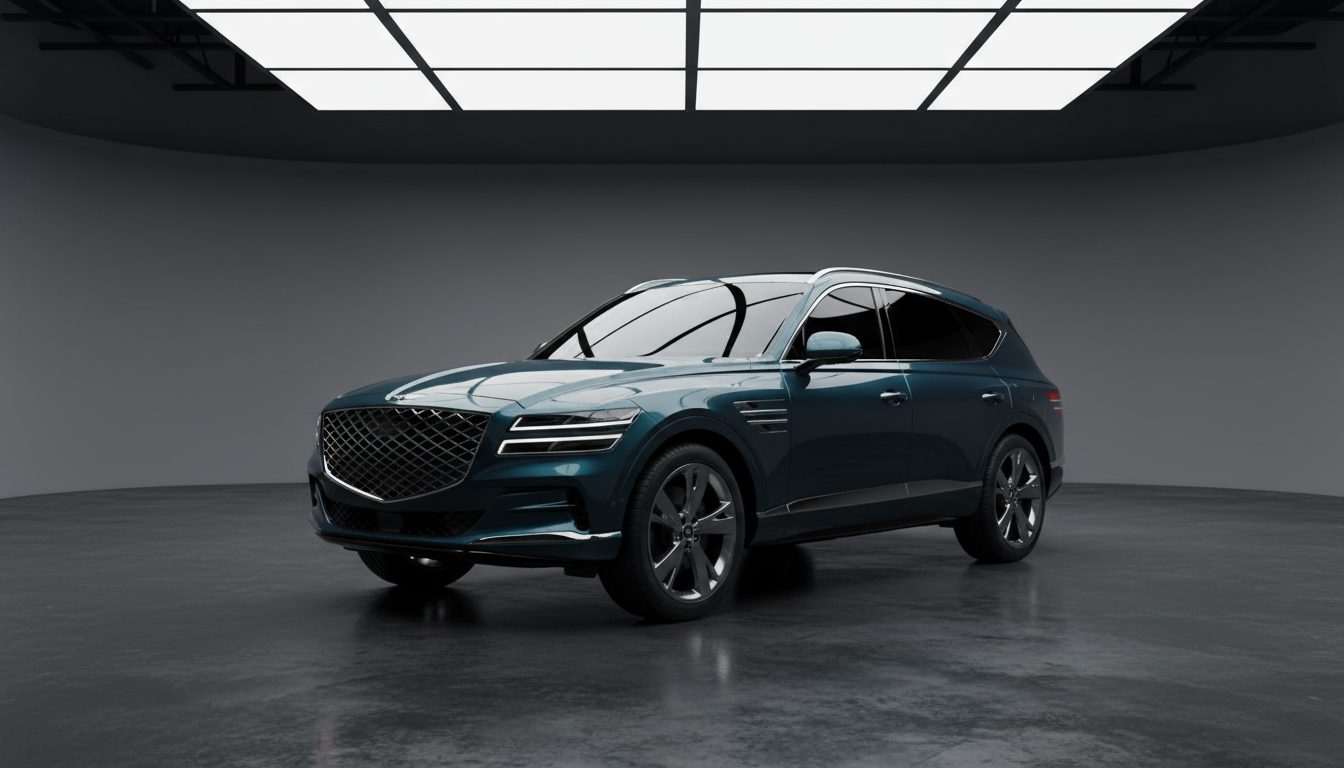
SUV models that Consumer Reports rates poorly for long-term costs
SUV models that Consumer Reports rates poorly for long-term costs are vehicles that tend to have higher maintenance expenses, lower reliability scores, and faster depreciation compared to competitors. Buyers researching long-term ownership costs, SUV reliability ratings, and cost of maintenance should carefully review these models before purchasing. In this guide, we highlight SUVs that often receive lower ratings from Consumer Reports for predicted reliability and overall ownership value, helping you avoid costly mistakes.
Powertrain Issues
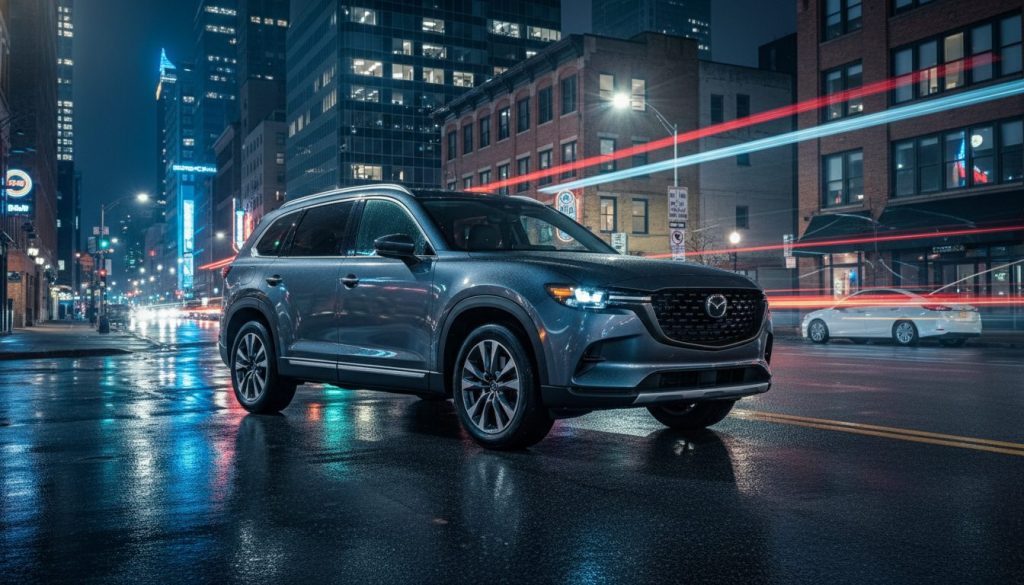
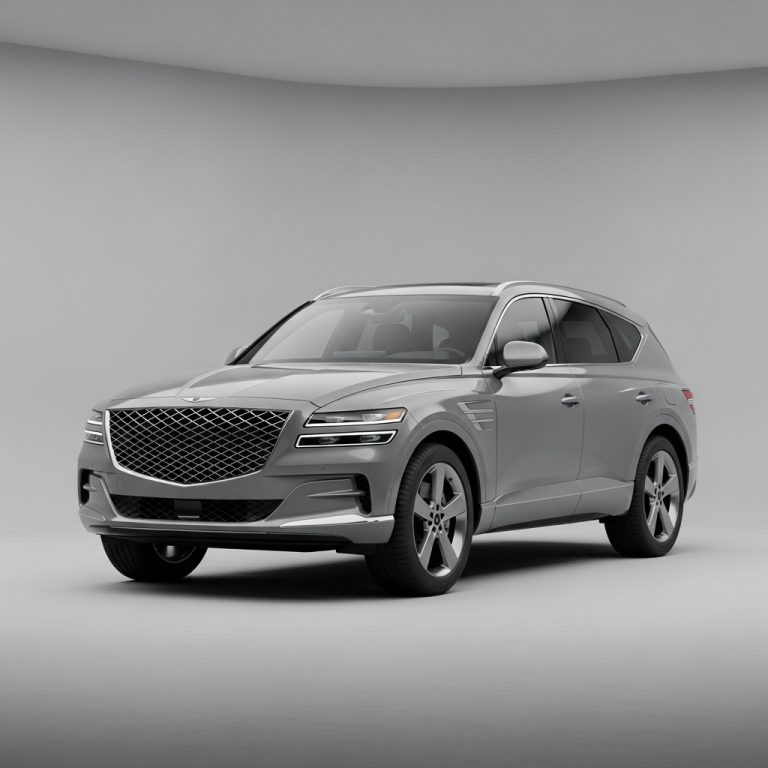
Turbocharged inline-4 whirs in Genesis GV80’s sleek frame while Mazda CX90 sports SKYACTIV-G T heartbeat. Faulty gearbox components mar smooth transmission experience. Gearbox woes spread, infecting Audi Q6 e-tron owners with costly maintenance runs due to inconsistent shifting patterns.
Chassis Design
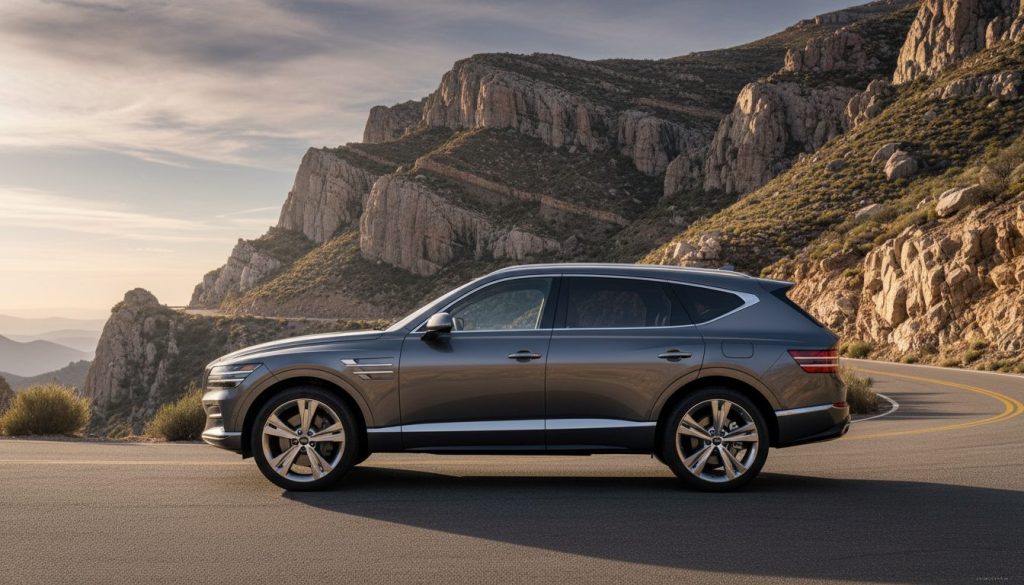
GV80’s robust architecture precise handling delivers. Tuning calibrations negate stability concerns inherent SUVs face size class-wise, Well- engineered framework damps down vibration-free movement on uneven ground and corners smoothly. Reduced unwanted oscillation, enhanced smoothness result tire wear decreases potential issues associated poor suspension design.
Specs and Reliability

Luxury car enthusiasts face a harsh truth: subpar SUV dependability yields expensive ownership experiences for affected drivers. SUV lineups with complex all-wheel-drive systems suffer mechanical woes that trigger costly repairs, downtime and driver frustration – just ask Genesis GV80 or Mazda CX-90 owners about reported reliability issues.
Transmission Problems
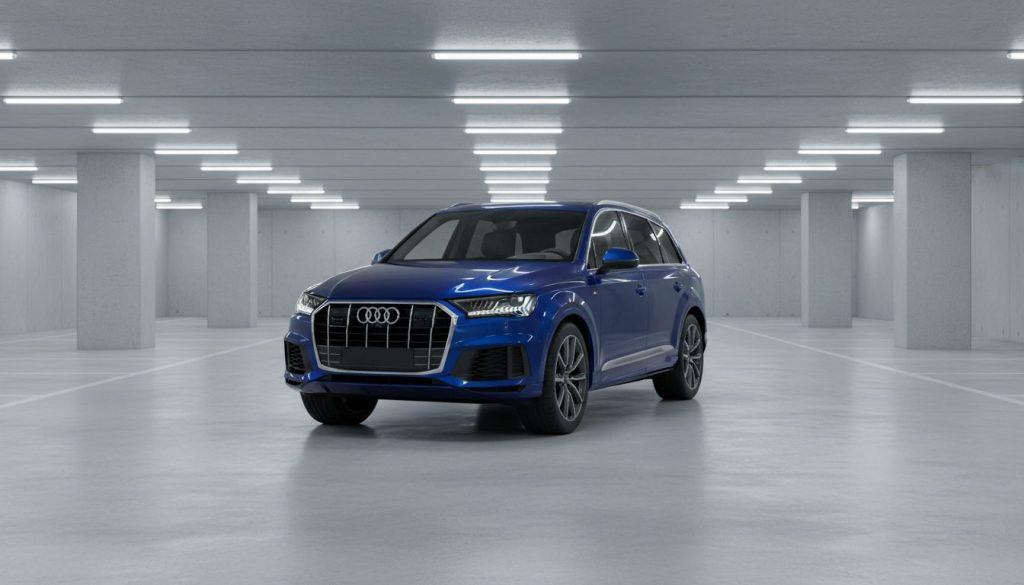
Luxury crossovers like Genesis GV80 face expensive woes from faulty transmissions. Complexity hides flaws in premium off-roaders’ systems too – think Mazda’s CX-90 struggles with costly troubles due to malfunctions within powertrains, mainly caused by failed torques and malfunctioning solenoids.
Engine Defects

Heat waves engulf Turbochargers on Genesis GV80 and Mazda CX-90, rendering them unreliable due to flawed forced induction design. Excessive heat generation cripples internal combustion integrity through sudden temperature surges that compromise processes inside the engine block. Turbo failures stress already weakened areas causing catastrophic powerplant collapse risks in these SUVs especially at high altitude or under towing conditions.
Maintenance Costs

Genesis GV80’s advanced tech needs precise care; ignoring scheduled checks leads to hefty expenses later on. Mazda CX-90 models require dedicated attention due their complex systems’ vulnerability against wear and tear effects. Tiredness builds, incurring astonishing bills when issues go unchecked
Reliability Ratings
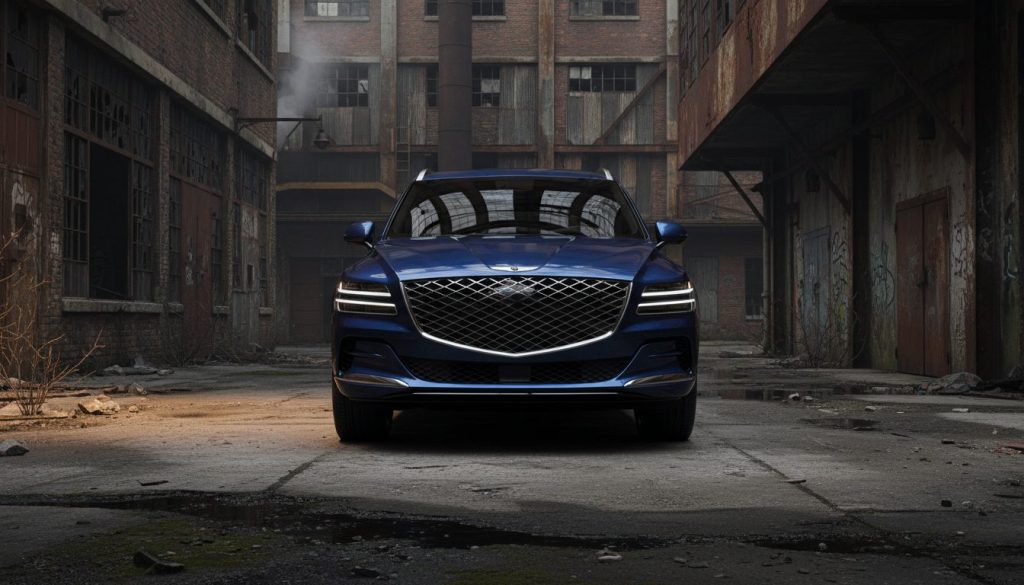
CR’s reputation precedes it – a trusted arbiter of automotive dependability scores the Genesis GV80 and Mazda CX-90 alongside numerous others in their extensive database. Low-rated reliabilities lead consumers astray down costly paths, emphasizing due diligence prior to an informed purchase decision. Well-maintained vehicles yield minimal repair costs; conversely subpar reliability inflates expenditures exponentially.
Cost of Repairs
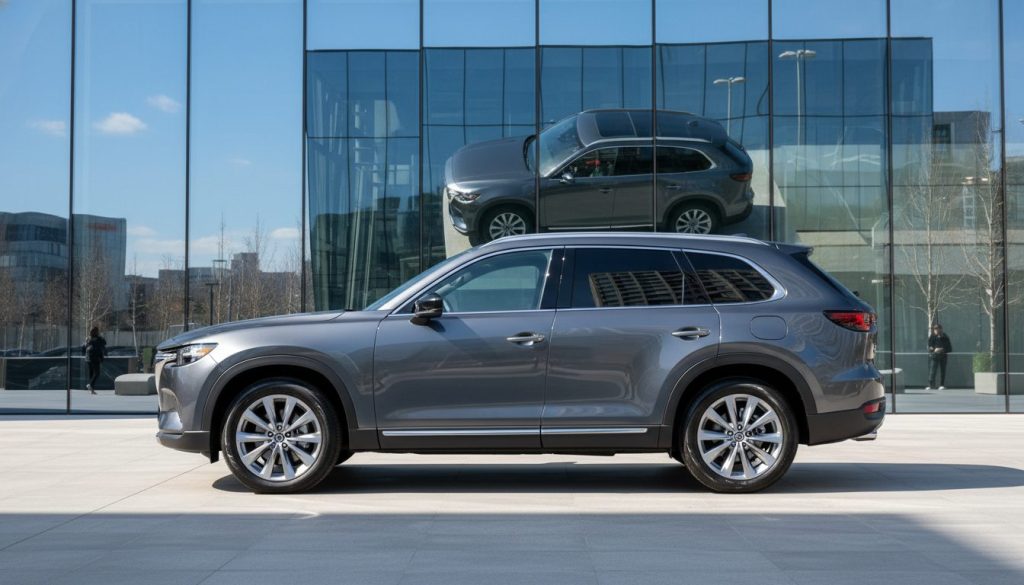
Sophisticated Genesis GV80 owners face financial strain when maintenance expenses rise rapidly over time for these high-performance vehicles, with some demanding more frequent and costly repairs than others. Engine compartment complexity worsens the situation as intricate architecture drives up costs primarily because of sophisticated engine designs that require specialized tools. Luxurious SUVs feature elaborate powertrain configurations adding to overall repair bills.
Long-Term Ownership
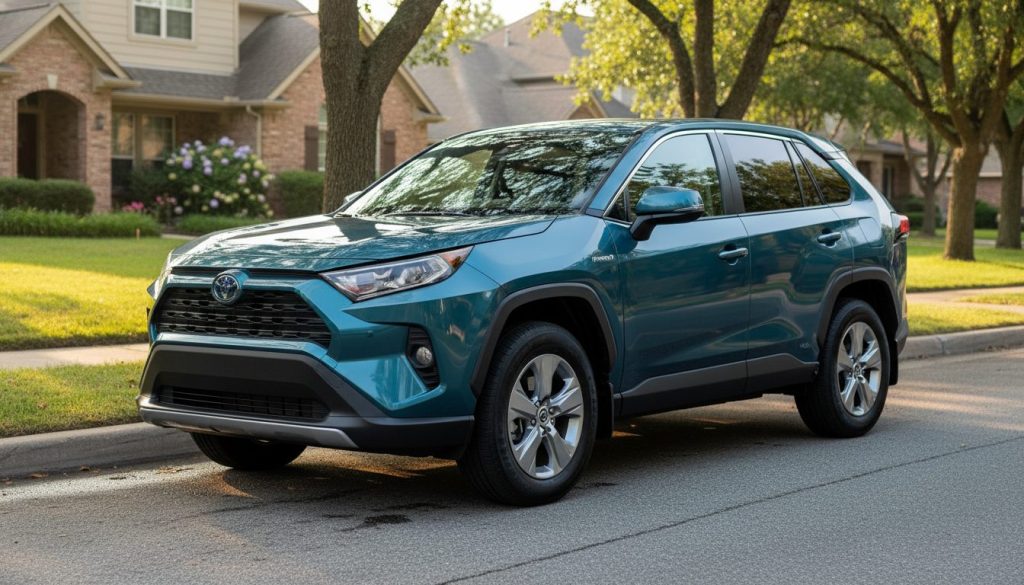
Complex engine architecture demands meticulous fluid upkeep: $150 every five months on average for maintenance alone. Mazda’s refined dynamics deliver fuel efficiency ratings that matter 22-25 mpg combined – yielding significant annual cost benefits.