Congress Axes California’s 58-Year EV Power In Largest Deregulation In US History—Automakers Already Lost $70B
Most of America was watching baseball and firing up the grill last spring when Congress quietly did something that hadn’t been done in 58 years. It stripped California of the power to set its own vehicle emissions standards—authority the state held since before men walked on the moon.
President Trump signed it into law. California sued within hours. What followed wasn’t just a policy change. It was a chain reaction that torched around $70 billion, rattled an entire market, and opened a back door that almost nobody in Washington seems to have noticed yet.
The $70 Billion Bonfire
Detroit didn’t just lose a policy fight. It lost a fortune. Ford took a $19.5 billion charge in December 2025 after scrapping its next‑generation electric pickup truck and repurposing a Tennessee EV plant for gasoline trucks. General Motors wrote off $7.6 billion in EV investments, scrapped a $300 million EV drive‑unit plan at a plant near Buffalo, New York, and replaced it with an $888 million bet on a next‑generation V‑8 engine.
Stellantis posted a $26.3 billion annual loss for 2025, its first since the company was formed in 2021, driven by more than $25 billion in charges tied to cancelled programs, platform impairments, and a broader strategic reset. Across global automakers, EV‑related writedowns and charges now total roughly $70 billion, a scale of retreat from electrification the industry has never seen before.
The Procedural Power Grab
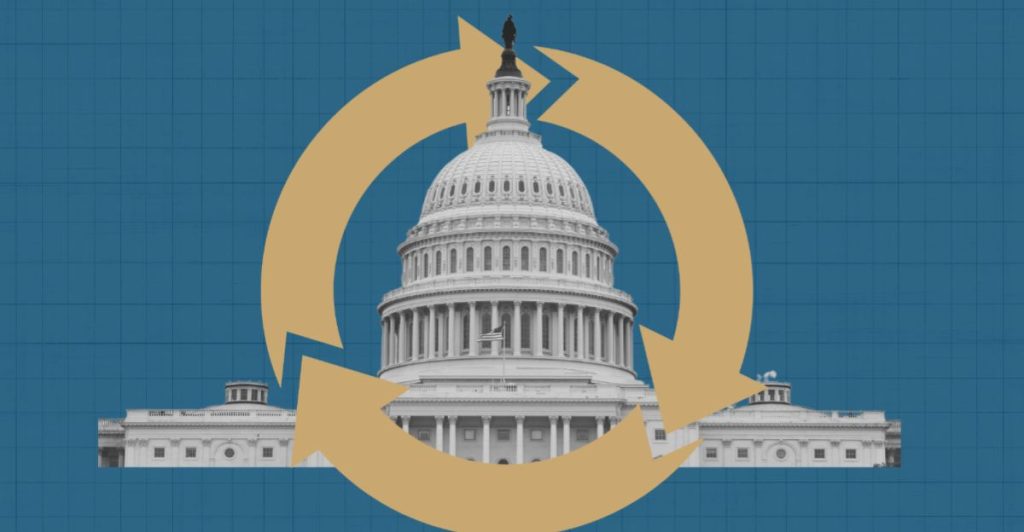
Congress didn’t just revoke California’s waivers … it rewrote the scope of the Congressional Review Act. The Government Accountability Office concluded that California’s EPA waivers were not “rules” under the CRA, and the Senate Parliamentarian advised that they weren’t eligible for CRA’s simple‑majority fast‑track. Republicans pressed ahead anyway, arguing Congress itself decides what counts as a rule.
Every Senate Republican voted yes; every Democrat voted no, except Michigan’s Elissa Slotkin. Legal experts warn that using CRA this way could invite future majorities to retroactively unwind decades of agency actions, from drug approvals to broadcast licenses and energy leases.
The Biggest Deregulation Play in American History
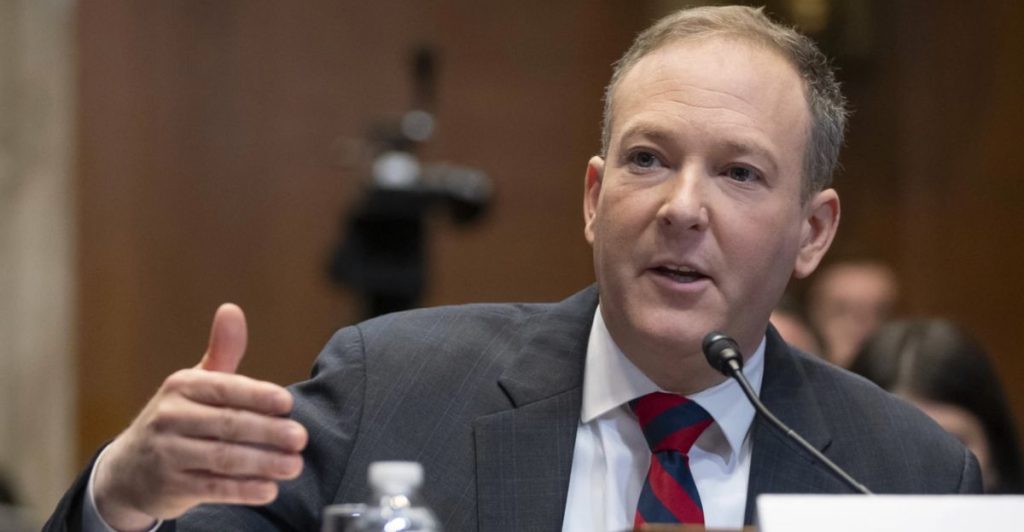
Six months after Congress killed California’s car rules, EPA Administrator Lee Zeldin went bigger. On February 12, 2026, he stood beside President Trump at the White House and announced the rescission of the 2009 Endangerment Finding, the legal foundation for 16 years of federal greenhouse gas regulation. Zeldin called it “the single largest deregulatory action in U.S. history,” claiming it would deliver $1.3 trillion in regulatory relief.
The final rule asserted that the Clean Air Act doesn’t authorize EPA to regulate global climate change at all and that U.S. vehicle emissions alone don’t constitute the kind of “air pollution” Congress had in mind. States and environmental groups filed suit within days of the rule’s publication.
The EV Market Crater
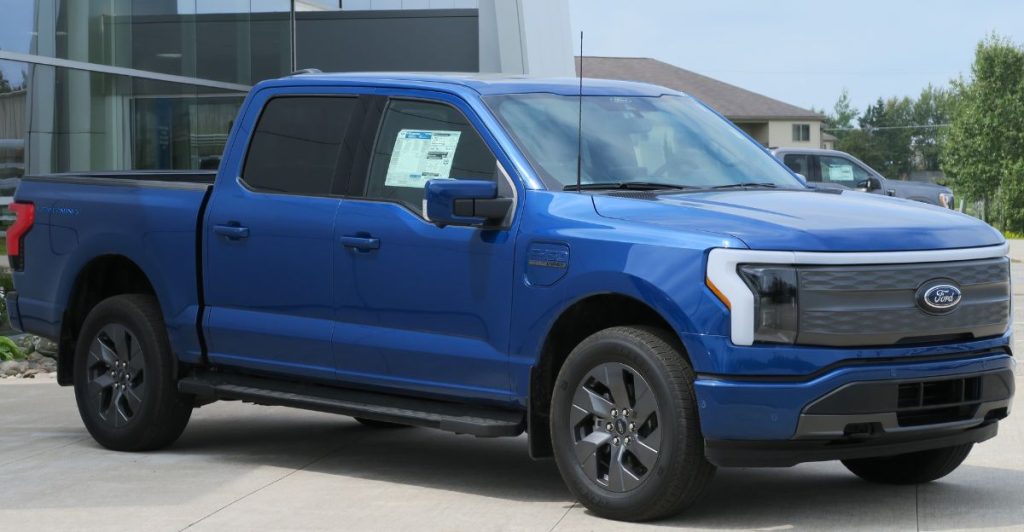
Consumers voted with their wallets, and they walked away. When the $7,500 federal EV tax credit expired on September 30, 2025, the battery‑electric vehicle share slid sharply. By November, EVs accounted for just 5.4% of U.S. light‑vehicle sales, the lowest share since April 2022, even as plug‑in hybrids and conventional hybrids gained ground.
Ford’s BEV sales plunged about 60.8% year‑over‑year that month, with F‑150 Lightning volumes down roughly 72% versus a year earlier. For the first time in the modern U.S. EV era, both annual BEV sales and market share declined year‑over‑year, even though 2025 still finished as the second‑strongest EV sales year on record.
California Isn’t Going Quietly
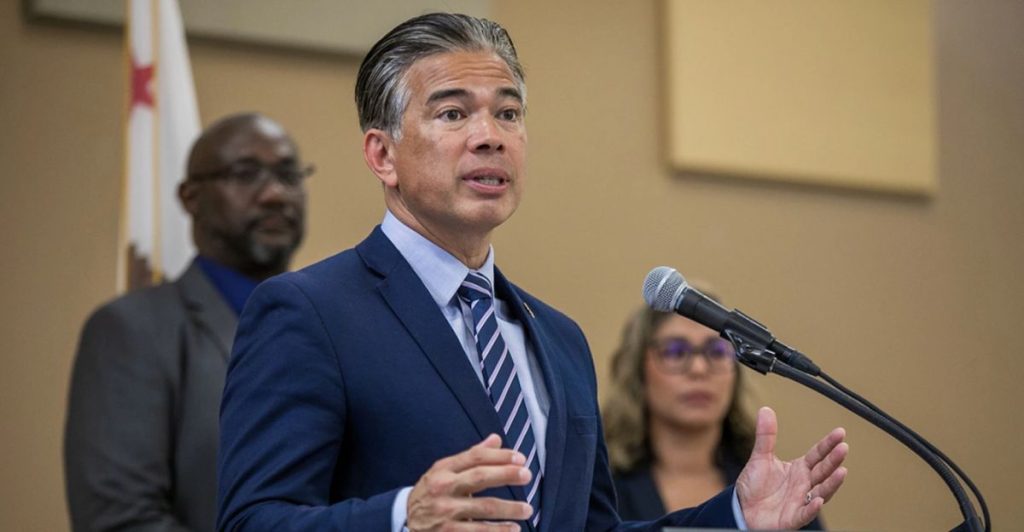
Attorney General Rob Bonta’s lawsuit is now pending in federal court in Oakland, as the Trump administration seeks to have it dismissed. California argues Congress illegally reclassified EPA waivers as rules to invoke a statute that doesn’t apply to them. The state has received more than 50 such waivers under both Democratic and Republican presidents since 1967. Seventeen states and the District of Columbia have adopted California‑style emission or zero‑emission standards in some form, covering roughly 40% of the U.S. new‑vehicle market.
The California Air Resources Board has told automakers they may voluntarily keep following its rules for now, but warned that penalties could apply retroactively if the state prevails in court, leaving automakers stuck between clashing federal and state regimes.
Detroit’s V‑8 Victory Lap Has a Problem
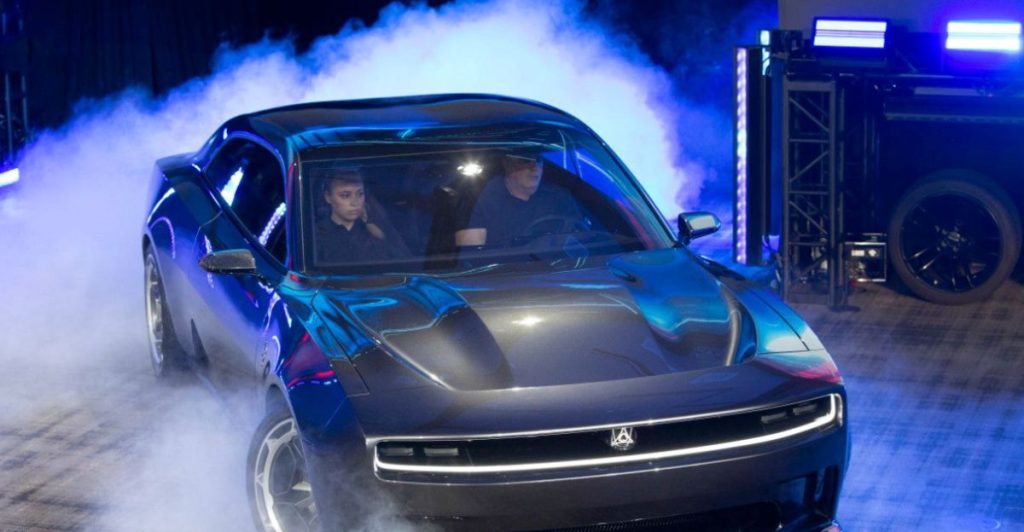
Ford CEO Jim Farley has leaned into the shift, touting improved profitability and a leaner product plan as the company pivots away from its most aggressive EV bets. Ford just absorbed a $19.5 billion hit to reset those plans. GM is steering $888 million into V‑8 production at its Tonawanda plant near Buffalo, with next‑generation small‑block engines not expected to reach customers until 2027.
Stellantis is reintroducing HEMI‑branded V‑8s and pulling back on some plug‑in hybrids in North America. AlixPartners’ global auto chief Mark Wakefield summed up the risk: if Detroit simply “goes back to Hemi Land” and stops investing for the next cycle, he warned, the payoff could look like a “horrific disaster” a few years down the road.
China Didn’t Get the Memo
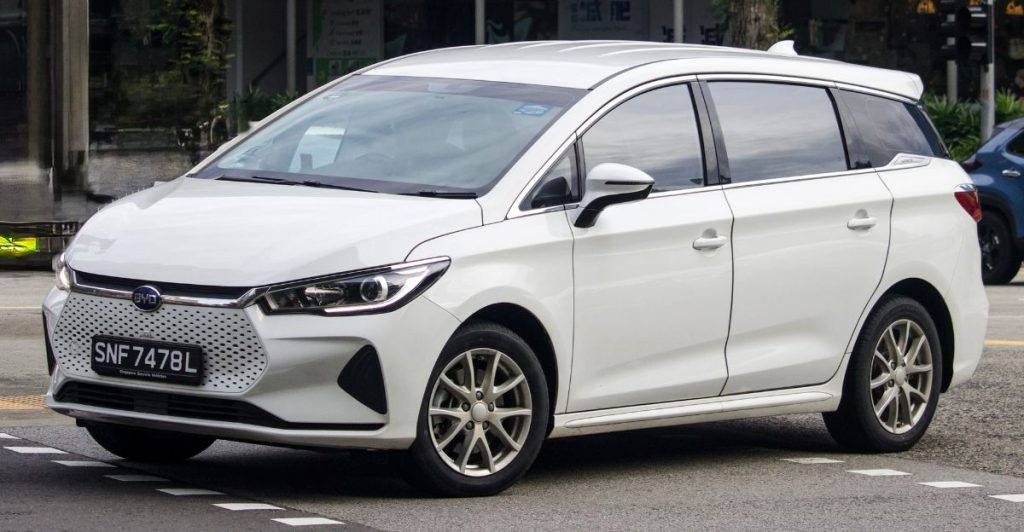
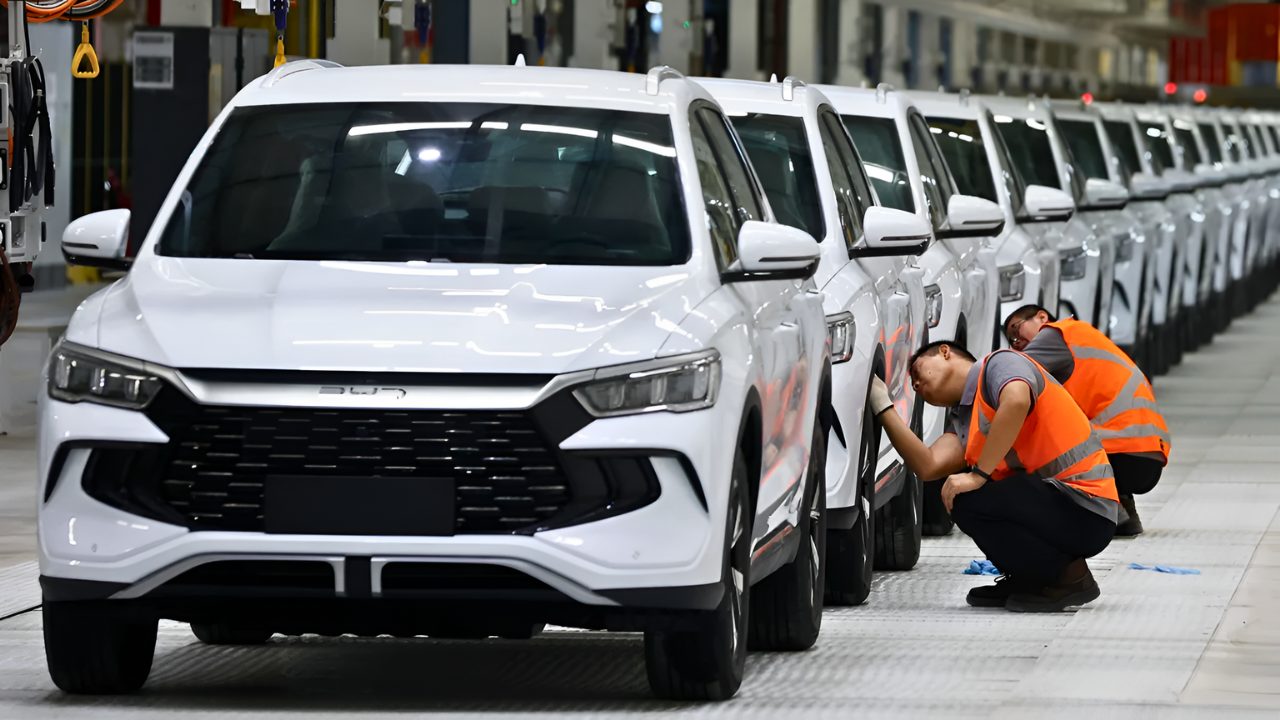
While Detroit doubles down on cylinders, China is doubling down on cells. CATL and BYD together now supply 55.6% of the world’s EV batteries, with CATL alone holding 39.2% of the global market. Global EV battery installations hit 1,187 GWh in 2025, up 31.7% from the year before, according to SNE Research. BYD’s Yuan UP, a fully electric subcompact crossover, is expected to start at around 100,000 yuan—roughly $14,000—on its home market. By contrast, the Chevrolet Equinox EV, among the most affordable U.S.‑brand EVs, starts around $34,995 before incentives.
In January 2026, Tesla’s domestic retail deliveries in China dropped 45% year‑over‑year to 18,485 units, the lowest monthly domestic tally since November 2022, even as wholesale shipments from its Shanghai plant rose more than 9% year‑over‑year on the back of exports.
Canada Just Opened the Back Door

In January 2026, Canadian Prime Minister Mark Carney flew to Beijing and agreed to slash tariffs on Chinese EVs from 100% to 6.1%, in exchange for relief on Canadian agricultural exports. The deal allows up to 49,000 Chinese‑built EVs into Canada at the lower tariff in the first year, with quotas set to rise to around 70,000 vehicles within five years under the agreed formula.
That’s effectively a 94% tariff cut at the border, even as the United States maintains a 100% wall on the same vehicles. BYD and other Chinese brands are now preparing to ship models priced roughly between $14,000 and $30,000 to Canadian dealers, often just a short drive from U.S. consumers.
The Trap Is Set
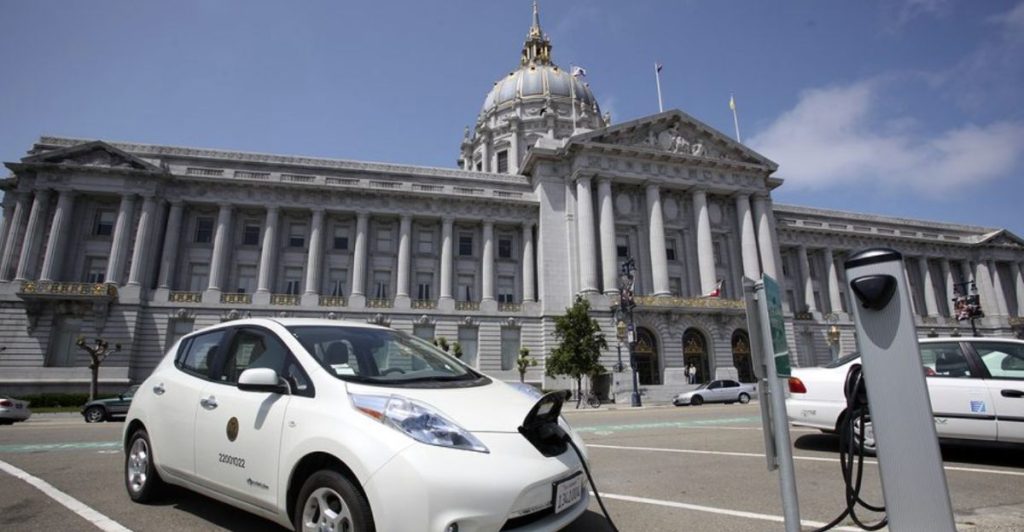
All of these threads point to the same uncomfortable conclusion. Congress has permanently stripped California of its independent vehicle‑emissions authority. The EPA has gutted the legal basis for federal greenhouse‑gas standards. Automakers have incinerated around $70 billion in EV bets and rushed back toward gasoline and large engines. China has consolidated unprecedented control over the battery supply chain even as global EV pack prices fell to a record‑low average of $108 per kilowatt‑hour in 2025.
Canada has just invited Chinese automakers to build a North American beachhead a few hours’ drive from U.S. buyers at price points Detroit cannot currently match. American automakers may have won the deregulation war in Washington. The open question is whether they’ve positioned themselves for the market that will exist when today’s V‑8s are ready for replacement.
Sources:
“Up in the Air: Congress Nullifies Clean Air Act Waivers for California” — Holland & Knight, May 22, 2025
“Ford’s $19.5 Billion EV Writedown: Five Things to Know” — Reuters, December 16, 2025
“GM to Invest $888 Million in Tonawanda Propulsion Plant” — General Motors Press Release, May 28, 2025
“Stellantis Reports Full Year 2025 Financial Results” — Stellantis N.V. Press Release, February 26, 2026
“Final Rule: Rescission of the Greenhouse Gas Endangerment Finding” — U.S. Environmental Protection Agency, February 12, 2026
“Despite Q4 Collapse, 2025 EV Sales Decline Only 2% Versus 2024” — Cox Automotive / Kelley Blue Book, January 2, 2026.