Wisconsin’s ‘Nightmare’ Electric Buses Run At -4 Degrees After Proterra Bankruptcy Stranded Cities Nationwide
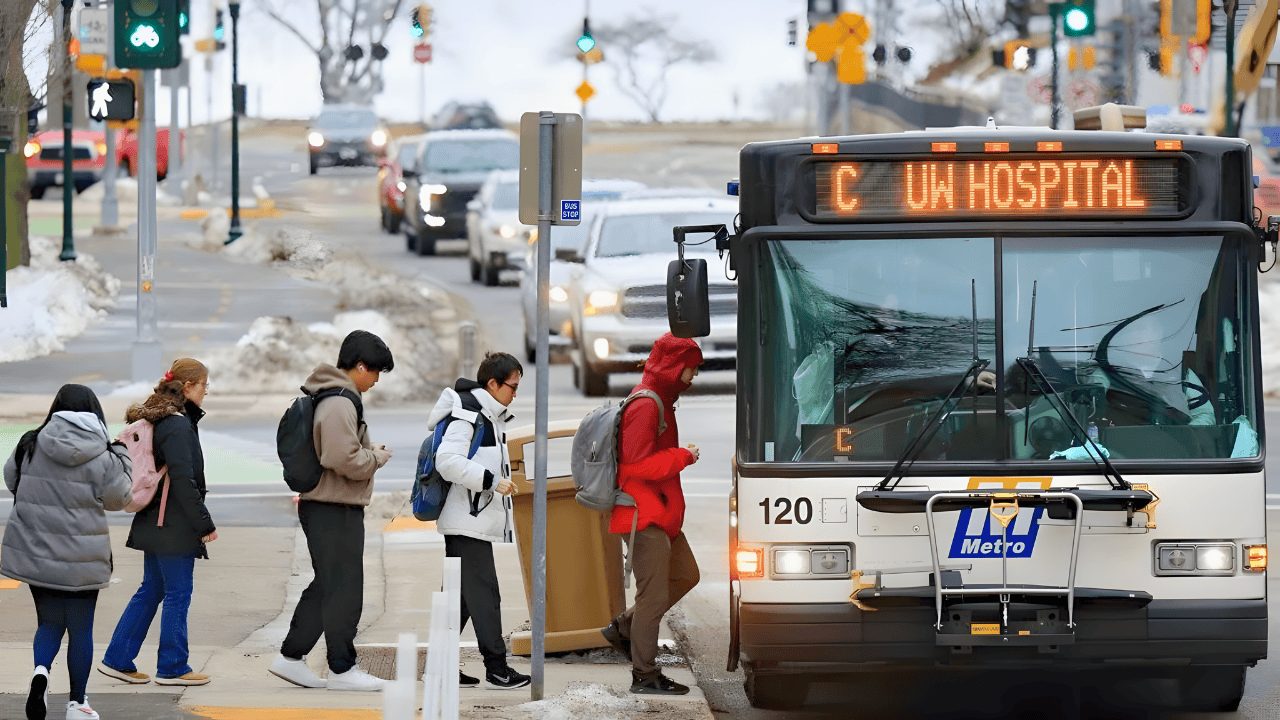
On January 23, 2026, Madison, Wisconsin recorded -4°F, cold enough to shut down the University of Wisconsin-Madison, yet the city’s 62 New Flyer electric buses ran with no cold-weather-related failures. The silent reliability was remarkable precisely because Madison had been here before and failed spectacularly. Four years earlier, a Proterra pilot program in the same city had collapsed under the weight of constant alarms, unreliable range, and a manufacturer heading toward bankruptcy. What changed between 2020 and 2026 is a story about infrastructure strategy, vendor risk, and who ultimately gets left behind.
From ‘Nightmare’ to -4°F: A Four-Year Turnaround
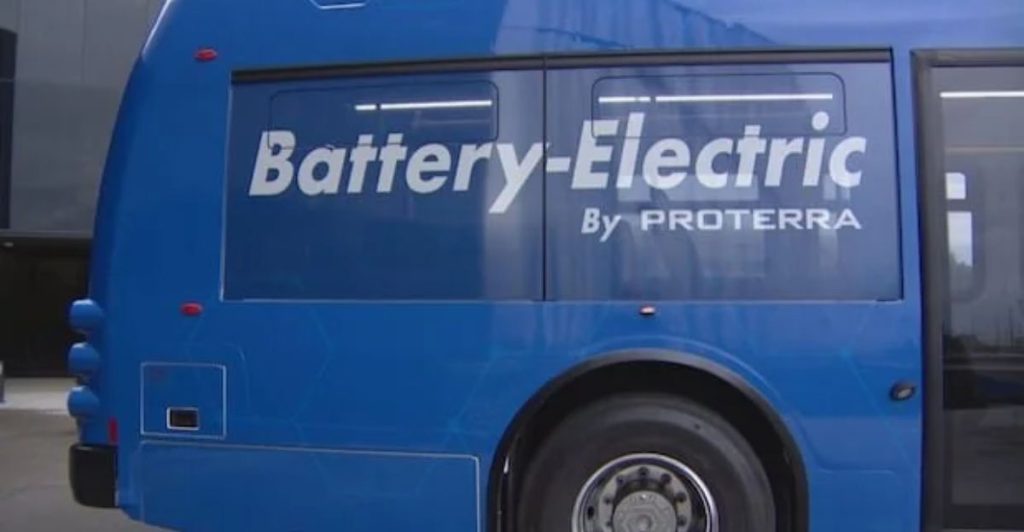
Transit advocate Jonathan Mertzig, who depends on public buses daily due to severe migraines, watched the 2020 Proterra pilot deteriorate in real time. “Operationally, they were a nightmare. Every time you got on one there would be an alarm going off. You never knew when one was going to die in the middle of the road,” he said. By January 2026, Mertzig was riding those same Madison routes through the coldest temperatures of the winter and nothing failed. The buses that had once symbolized broken promises now symbolized something far more surprising: vindication.
Proterra’s Collapse Left Cities Stranded
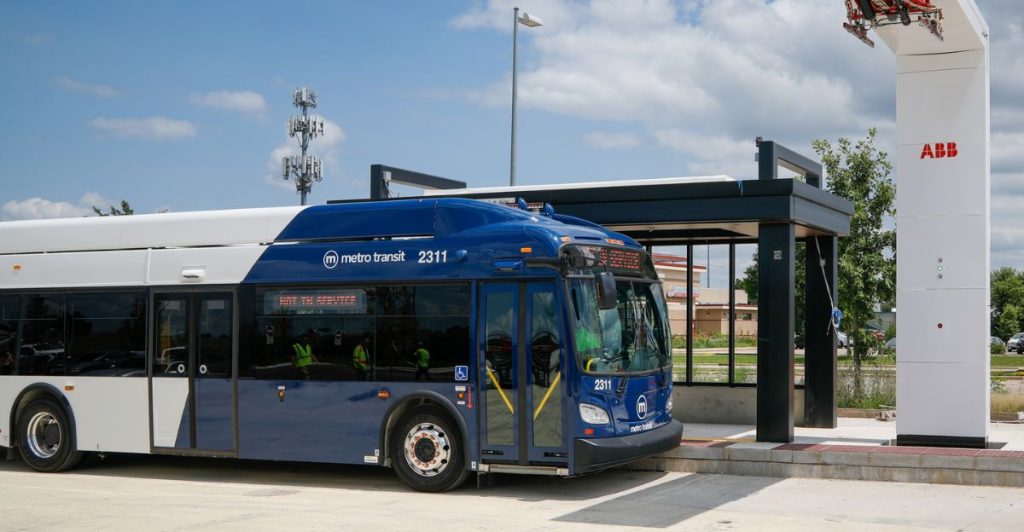
Madison’s first electric bus attempt failed not just operationally but institutionally. Metro Transit Facilities Manager Joshua Marty stated bluntly: “We had no real success with Proterra. Beyond the range challenges, his team had trouble sourcing parts and maintenance from the company.” In August 2023, Proterra filed for Chapter 11 bankruptcy, undone by supply chain disruptions, customization delays, and inflation-driven margin erosion. Its assets were split among Volvo Group, Phoenix Motorcars, and Cowen Equity, leaving transit agencies across the country, including Philadelphia’s SEPTA, which operated 25 Proterra buses, with no clear support pathway.
The Infrastructure Bet That Changed Everything
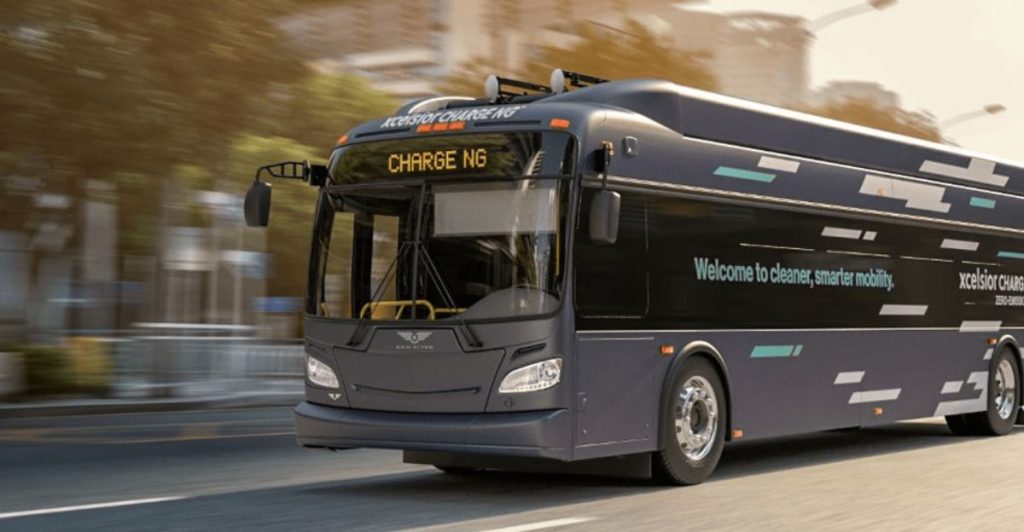
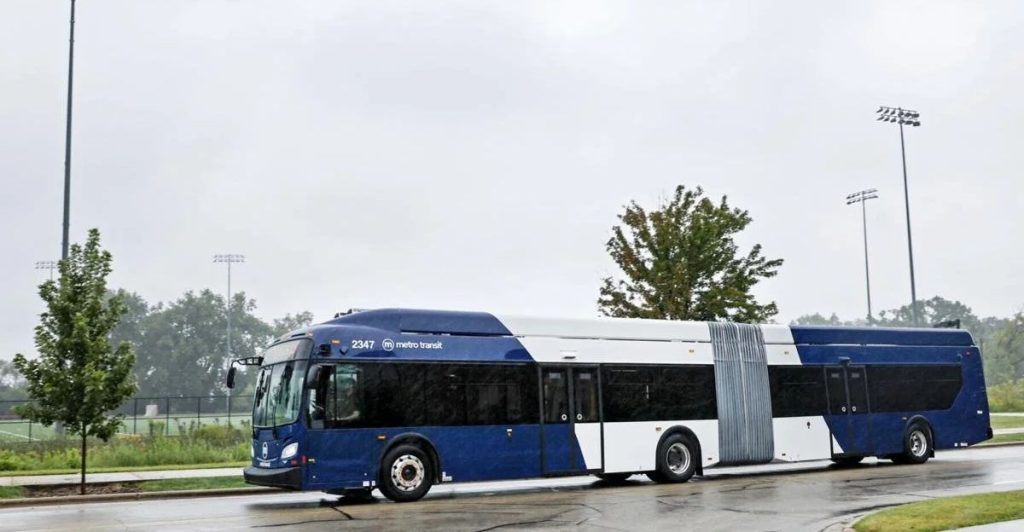
Rather than abandon electrification, Madison switched to New Flyer’s standardized Xcelsior CHARGE NG platform and made a critical infrastructure investment: overhead pantograph chargers installed at strategic layover points along key routes. These automated overhead connectors allow buses to recharge for approximately 15 minutes during routine dwell periods. Without them, Metro Transit would have needed to triple the number of buses on Route A, from 18 to 54, just to compensate for winter range penalties. Each pantograph costs around $1.5 million, roughly the price of one bus, but that single unit prevented the need to purchase 36 additional vehicles.
Cornell’s Study Quantified the Cold-Weather Penalty
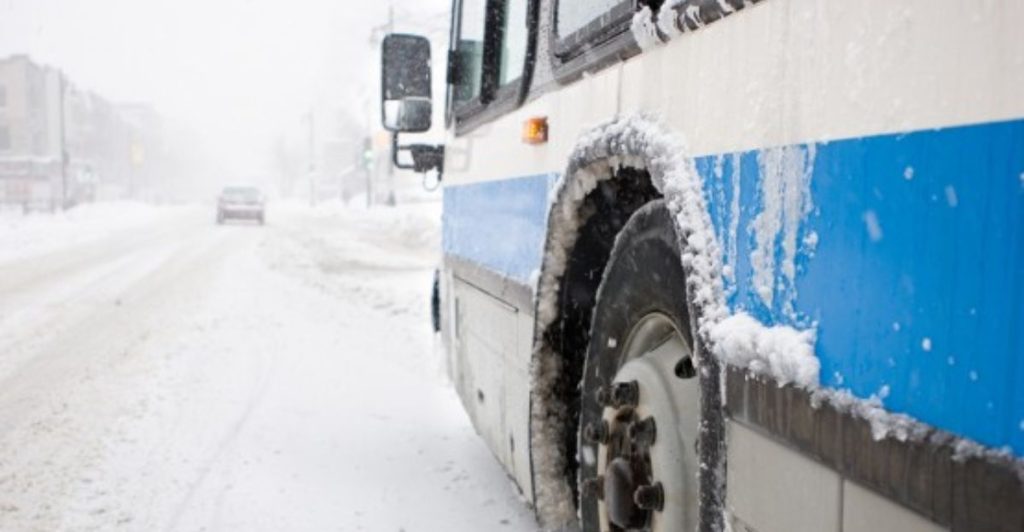
A Cornell University study published in May 2025, one of the most comprehensive cold-weather electric bus assessments conducted in the northeastern U.S., analyzed two years of real-world operational data and found that electric buses consumed 48% more energy at temperatures between 25°F and 32°F. A significant portion of the penalty came from battery self-heating, with cabin heating losses during frequent door openings at urban stops contributing the remainder. However, Cornell’s researchers concluded the problem was solvable through pre-warming protocols, indoor depot storage, and infrastructure optimization, not fundamentally different bus technology.
Canada Confirms It Works in Extreme Cold
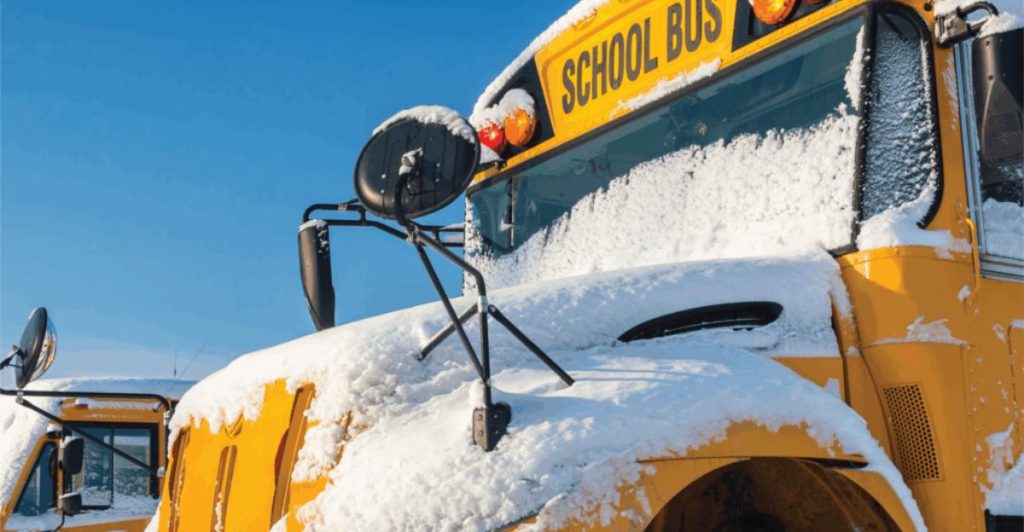
Edmonton, Alberta’s year-long study (April 2024 to April 2025) tracked a Lion Electric school bus across 298 trips in temperatures as low as -30°C. The bus maintained more than double the range required for its daily route even at peak winter cold and was called “the most reliable bus in the fleet” by operator Rental Bus Lines. A diesel cabin heater, a deliberate design compromise, reduced the battery heating load, limiting the overall energy penalty to roughly 12% between fall and winter, compared to Cornell’s 48%. The difference came down to one decision: integrated thermal management from the start.
Montreal’s 66,000-Point Dataset Seals the Cost Case
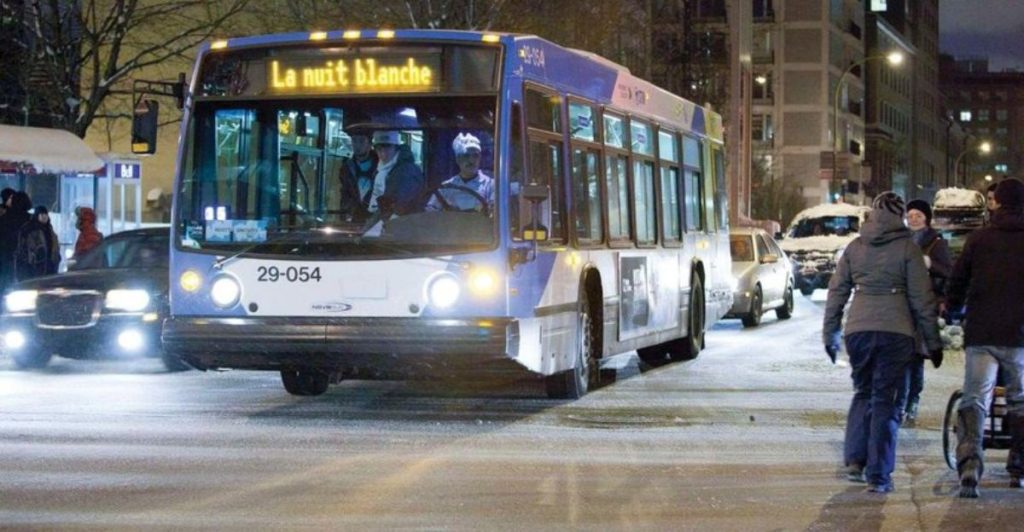
Concordia University’s study of 40 Montreal electric buses across 56 routes, capturing 66,000 data points, delivered the most consequential economic finding yet: despite winter energy penalties, the electric fleet ran at 40 to 60% lower operating costs than diesel counterparts. Regenerative braking contributed meaningfully to energy recovery across the year, though gains diminished during the coldest winter weeks. The economic case for electrification held even in one of North America’s most demanding winter operating environments.
Vermont’s Buses Are Grounded. The Gap Is Widening.
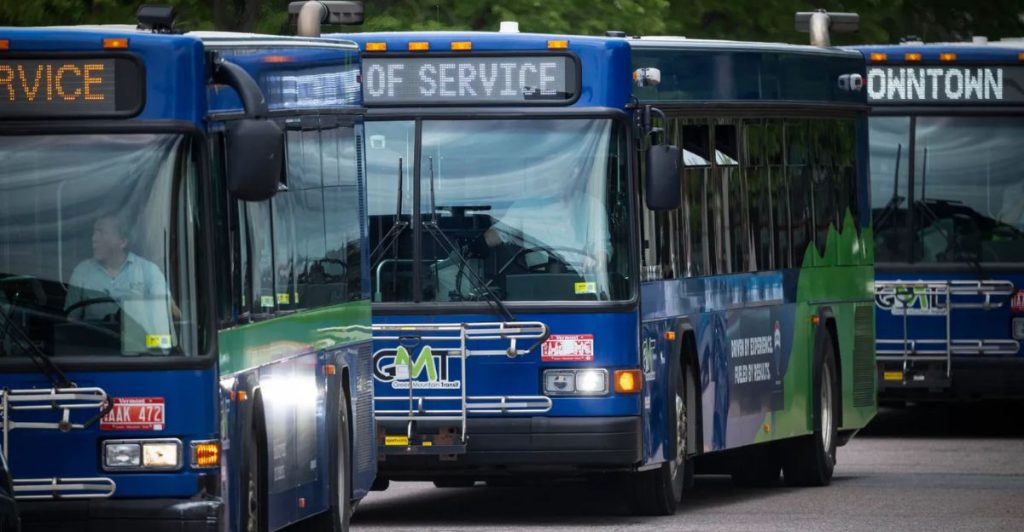
Not every city found success. Vermont’s Green Mountain Transit operates five New Flyer electric buses that are currently grounded due to a battery fire hazard recall. A safety software update now limits charging to 75% capacity and prohibits charging below 41°F, creating a near-total operational freeze through Vermont winters. Replacement batteries are 18 to 24 months away. The contrast with Edmonton, which operates reliably at -30°C, exposes how decisively battery chemistry and thermal management integration at the design stage determine cold-weather outcomes. Same winter. Opposite results.
Manufacturer Bankruptcies Have Narrowed the Field
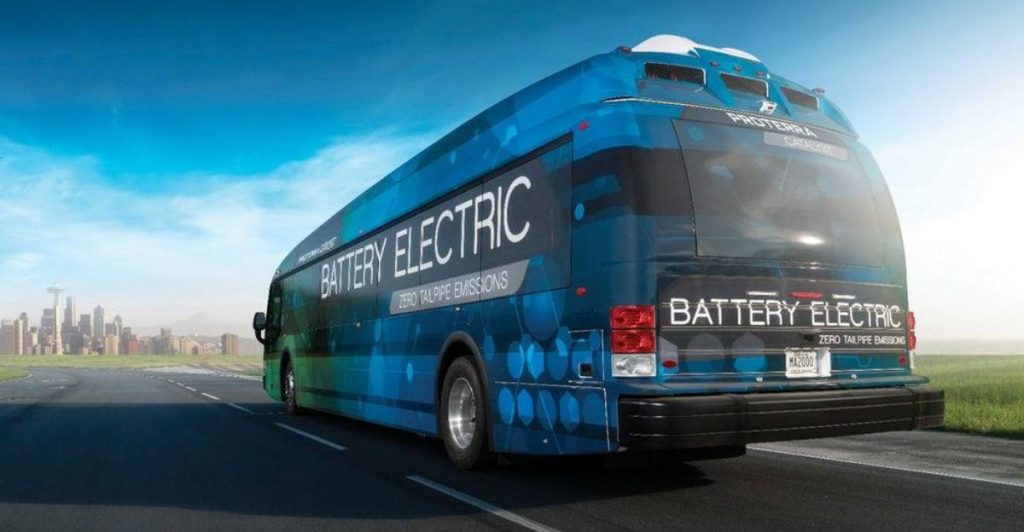
Proterra’s August 2023 collapse was among the most consequential EV transit bus manufacturer failures the industry had seen. LION Electric’s 2025 financial distress, which included a September 2025 fire incident in Quebec that temporarily grounded more than 1,200 buses (later traced to HVAC fuses, not batteries) and a subsequent bankruptcy restructuring, marked the second major disruption within 18 months. North America’s viable electric bus market has now narrowed to essentially three manufacturers: New Flyer, BYD, and Gillig. Single-vendor concentration raises procurement risk and removes negotiating leverage for transit agencies at the worst possible time.
Federal Reversal Is Creating Two Americas
While Madison’s buses ran at -4°F, the Trump administration’s EPA was pivoting away from the federal clean bus framework that had enabled deployments nationwide. The agency shifted clean school bus funding away from its previous near-exclusive focus on electric vehicles toward natural gas and biofuel alternatives, despite the program’s prior emphasis on zero-emission vehicles. California backstopped the gap with an approximately $1.8 billion state commitment, deploying more than 3,300 electric school buses across more than 300 districts. With 95% of the 600,000-vehicle U.S. school bus fleet still diesel-powered and 26 million students riding them daily, the technology is proven, but access is not equal.
Sources:
“Electric Buses Don’t Like the Cold, Study Finds.” Cornell Chronicle, May 2025.
“Electric School Bus Demonstration: An Edmonton Case Study.” Pollution Probe, September 2025.
“Montreal’s Electric Buses Use More Energy in Winter but Are Still More Cost-Effective.” Concordia University News, November 2025.
“Electric Buses Are Passing a Brutal Cold-Weather Test in Wisconsin.” Grist, February 2026.
“EPA Announces Path Forward to Revamp the Clean School Bus Program.” U.S. Environmental Protection Agency, February 18, 2026.