$1.5 Trillion Tesla Valuation Rests On Robotaxi Permit Never Filed—Musk Claims ‘Paranoid About Safety’
Elon Musk has a $1.5 trillion problem, and it’s getting worse by the day. For over a year, he’s promised investors that Tesla’s California robotaxi launch is just months away, held back only by slow-moving regulators who can’t keep pace with his company’s technological breakthroughs. Yet records obtained by Reuters reveal something stunning: Tesla logged exactly zero autonomous test miles in California last year. Not a few. Not a handful. Zero. That makes six consecutive years—2019 through 2025—with nothing on the books.
The state requires 50,000 supervised test miles before a company can even apply for driverless permits. Tesla’s lifetime total since 2016? A grand total of 562 miles. At this pace, Tesla would need more than a century to qualify. Bryant Walker Smith, a law professor who consults for California’s DMV, didn’t mince words: Tesla’s messaging implies “they are ready and regulators are not” when in reality “regulators are ready, and they are not.” The emperor has no miles.
California Wants 50,000 Test Miles Before Driverless Approval
Here’s what California actually requires: demonstrate you can handle 50,000 miles of supervised autonomous driving on public roads without catastrophic failures, then regulators will consider letting you apply for the next permit tier. It’s not arbitrary. It’s the regulatory equivalent of logging flight hours before they hand you a commercial pilot’s license. Tesla hit 562 miles back in 2016, then quit. The company still holds the most basic DMV testing permit—the one that requires a human safety driver in every vehicle, and hasn’t applied for anything beyond that.
The clock keeps ticking. Musk keeps promising California launches at earnings calls. Analysts keep baking robotaxi revenue into their models. And the mileage tracker sits frozen at 562 while the gap to 50,000 grows more absurd with every passing quarter.
Waymo Logged 13 Million Miles And Earned Seven Permits
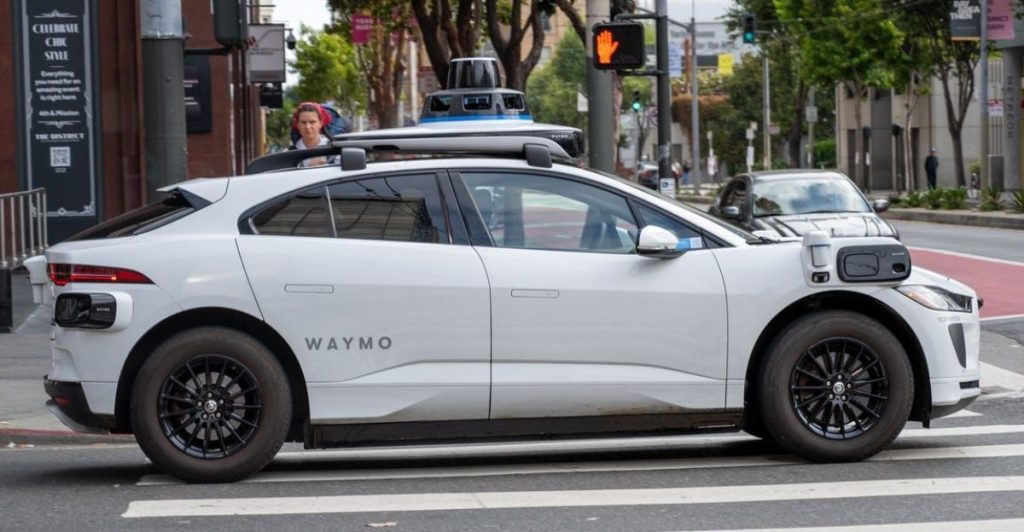
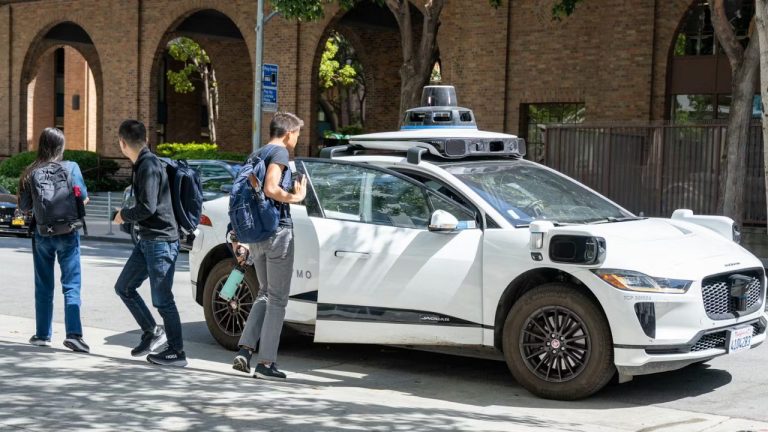
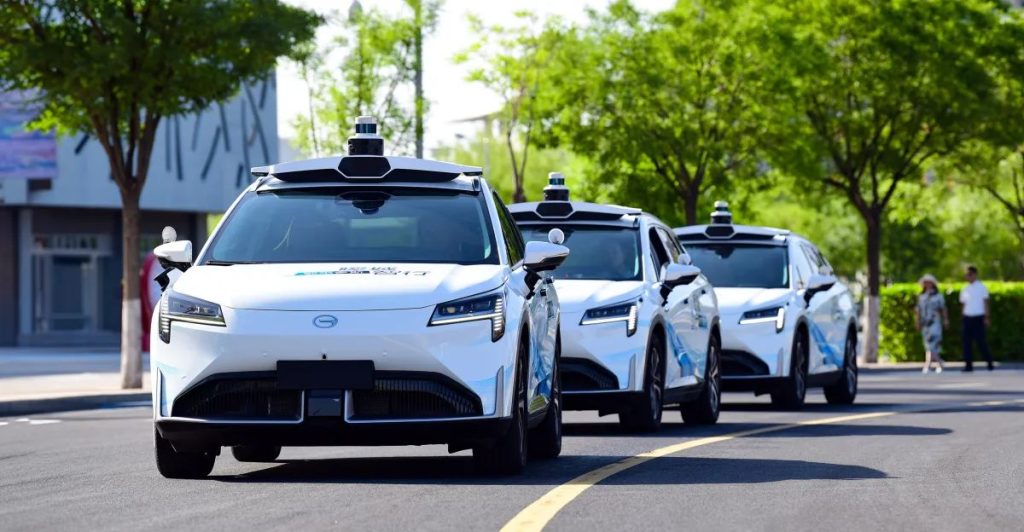
Want to see what actual regulatory progress looks like? Waymo started testing autonomous vehicles in California in 2014, the same year it received its first state permit. Over the next decade, Waymo methodically documented more than 13 million test miles and navigated through seven separate regulatory approvals, each tier unlocking new capabilities. By 2023, Waymo held the only large-scale commercial driverless robotaxi permit in California. Today it operates full robotaxi fleets in San Francisco, Los Angeles, and other California cities … no safety driver, no steering wheel required.
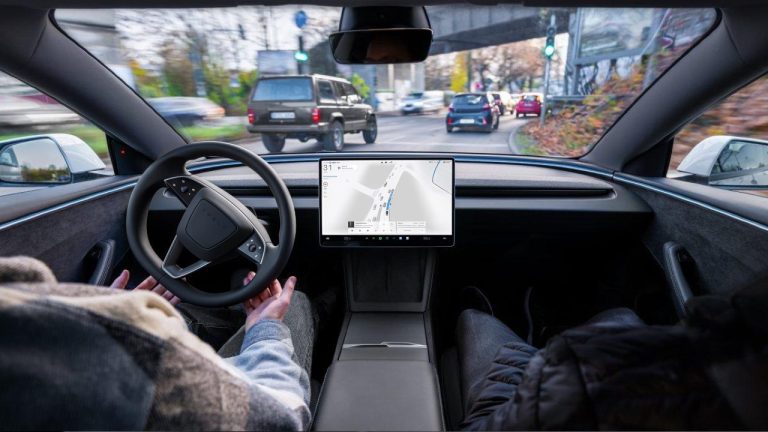
Tesla operates a Bay Area service too, but it uses human drivers behind the wheel running Full Self-Driving software, which is Level 2 driver assistance, not autonomy. California classifies it as a chauffeur service. Waymo built a robotaxi company. Tesla built a gig-economy ride service and called it a robotaxi.
Tesla’s Austin Robotaxi Crashes Four Times More Often Than Human Drivers
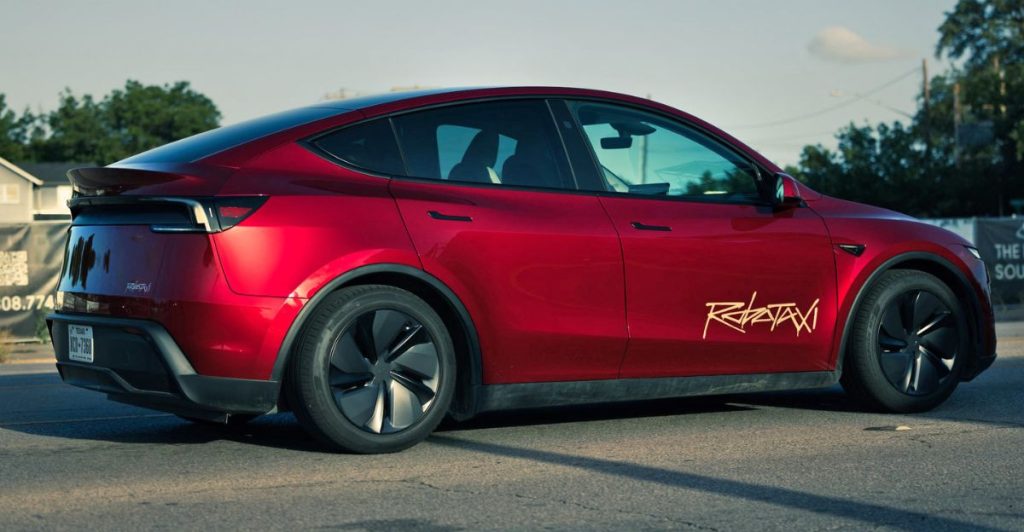
Let’s talk about what happens when Tesla actually operates robotaxis without California’s pesky regulators watching. In Austin, Texas, where the rules are lighter, Tesla launched a limited robotaxi service in June 2025. By mid-January 2026, the fleet had logged roughly 800,000 miles and recorded 14 crashes. Do the math: that’s one crash every 57,000 miles. Now here’s where it gets ugly. Tesla publishes its own Vehicle Safety Report every quarter, which states that the average human driver experiences a crash every 229,000 miles. By the company’s own benchmark, its robotaxi fleet is crashing nearly 4 times as often as regular people.
Use the NHTSA’s broader data—one police-reported crash per 500,000 miles nationwide—and Tesla’s fleet crashes eight times worse than the human baseline. Every single one of those 800,000 miles was driven with a trained safety monitor sitting in the passenger seat, ready to intervene. This is the technology Musk says is ready for unsupervised deployment.
Musk Said He’s “Paranoid About Safety.”
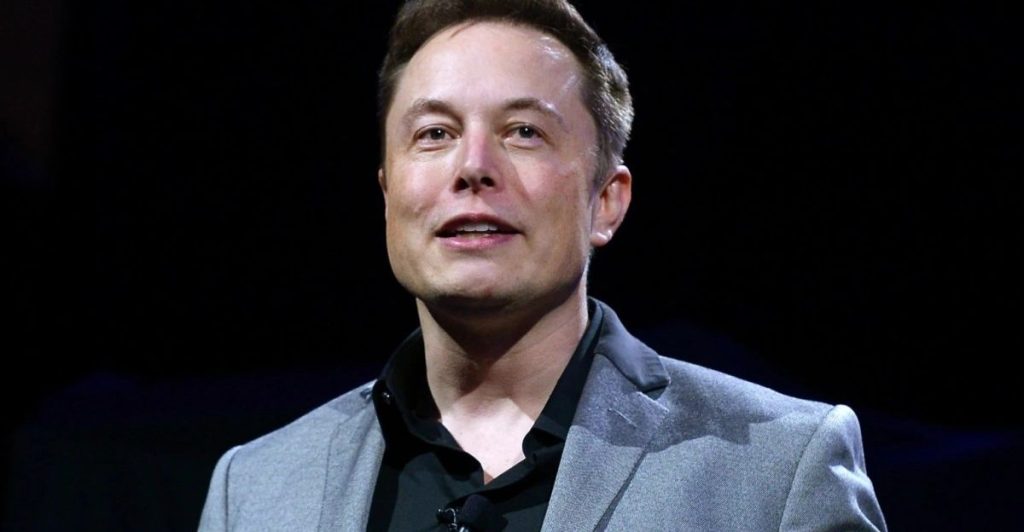
On Tesla’s Q3 2025 earnings call in October, Elon Musk walked analysts through his reasoning for the slow rollout of the robotaxi. “We probably could just let it loose in these cities,” he explained, “but we just don’t want to take a chance.” He called Tesla “paranoid about safety” and emphasized the company’s “cautious approach” to entering new markets. It was a masterclass in positioning, framing delays as prudence, caution as strength. Then January came, and Tesla filed its mandatory crash reports with NHTSA. The data told a different story: a fleet crashing four to eight times worse than the human drivers Musk claims to protect.
If you’re genuinely paranoid about safety, you don’t deploy vehicles that crash more often than teenagers with three months of driving experience. You don’t call a 57,000-mile crash rate “cautious.” The quote and the data don’t just contradict each other … they live in different universes. Musk either doesn’t understand his own safety performance, or he’s banking on investors not doing the division.
Cybercab Production Starts In April
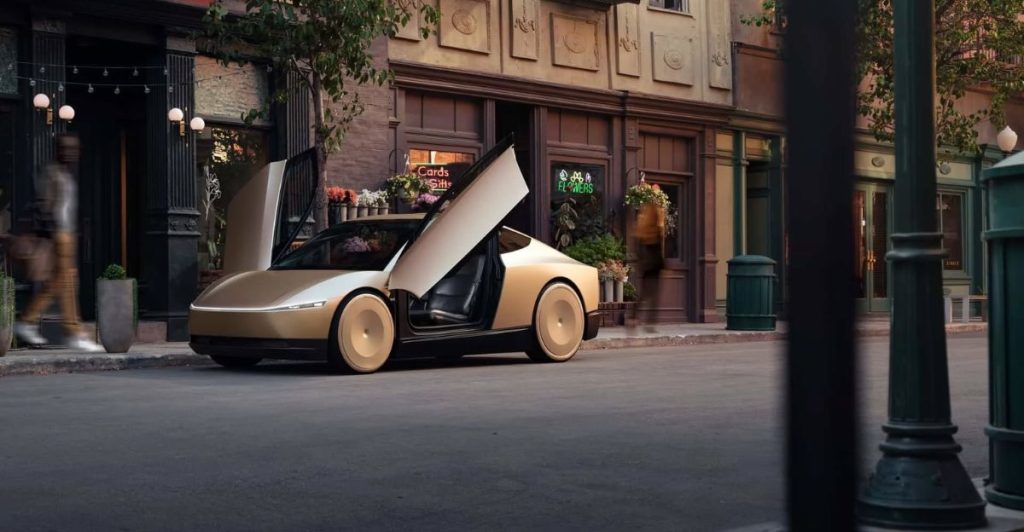
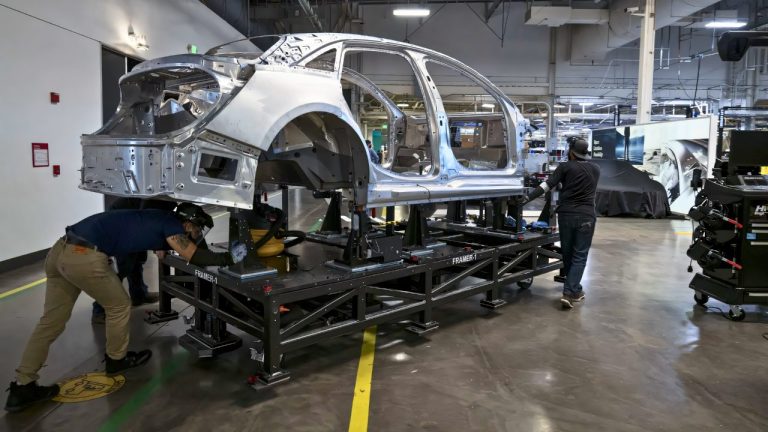
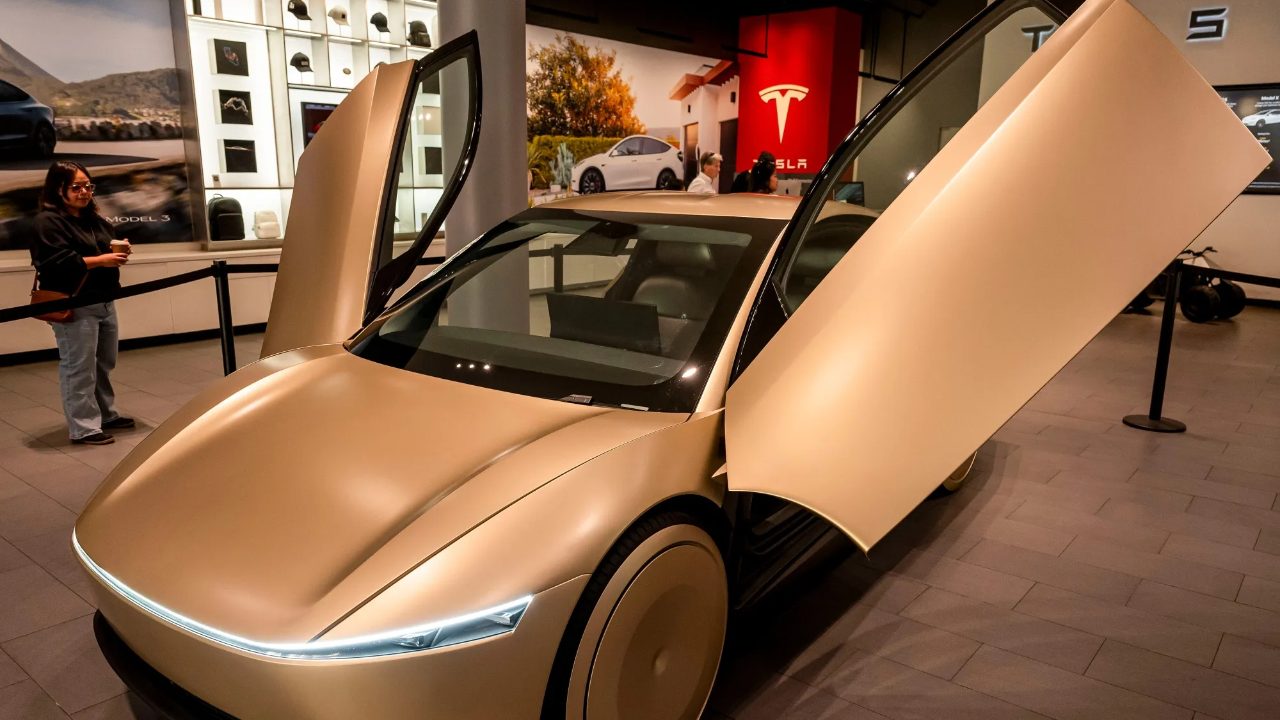
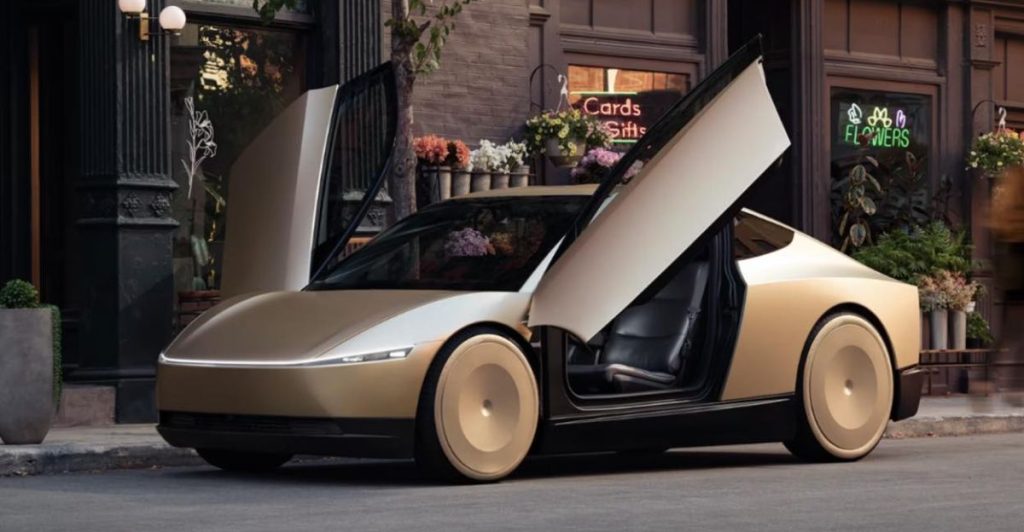
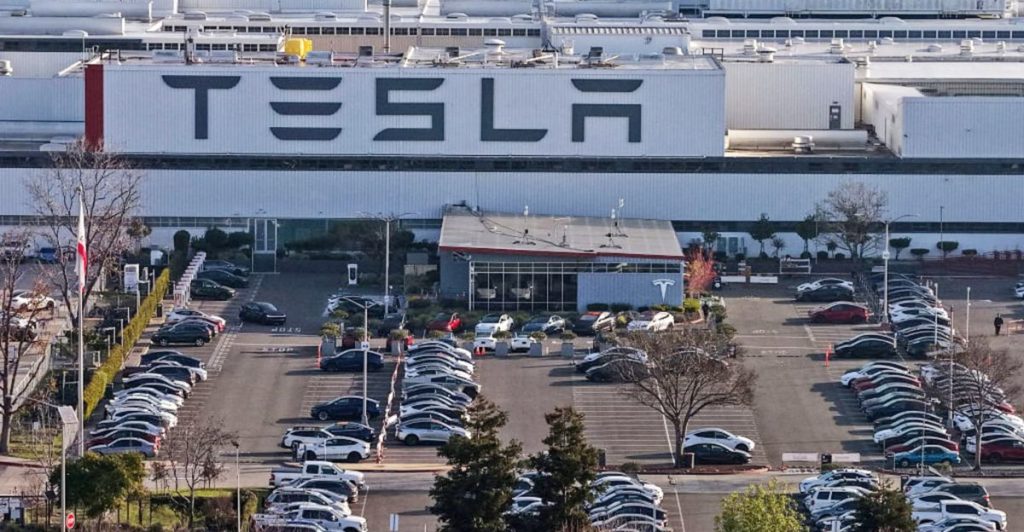
Last week, Tesla celebrated a milestone when the first mass-produced Cybercab rolled off the line at its Texas Gigafactory. The vehicle has no steering wheel, no pedals, no manual controls of any kind—it’s designed to operate entirely on Full Self-Driving software. Musk announced on social media that April 2026 marks the start of volume production, with a target price around $30,000 and projected operating costs of 20 to 40 cents per mile. Wall Street cheered. There’s just one problem: the Cybercab can’t legally operate as a robotaxi in California because Tesla hasn’t completed the basic regulatory testing required to apply for driverless permits.
Federal motor vehicle safety standards also require steering wheels, and Tesla is still seeking exemptions. So the company is now manufacturing thousands of vehicles that it can’t sell for their intended purpose in the nation’s largest auto market. It’s building inventory for a business that doesn’t legally exist yet.
Tesla Complained About California’s Testing Rules
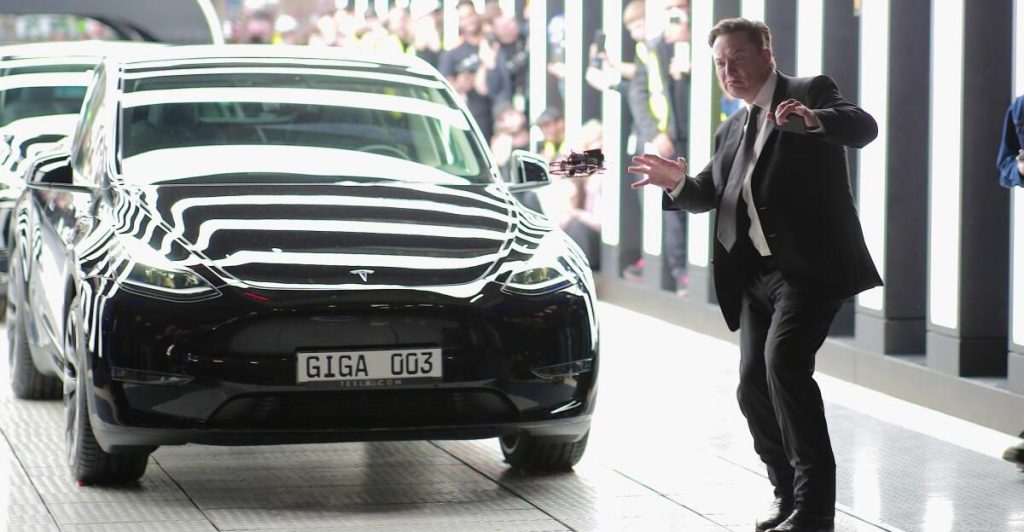
The audacity is remarkable. Last year, Tesla submitted written comments to California’s DMV objecting to the state’s proposed autonomous vehicle regulations. The company argued that requiring 50,000 supervised test miles before applying for driverless permits was excessive and unnecessary. Tesla also criticized what it called “overly burdensome reporting requirements” for crashes and system disengagements, claiming the paperwork would slow innovation. Here’s the part that should make your head spin: Tesla isn’t being blocked by these regulations. The company is complaining about requirements it refuses to even try to meet.
Waymo met the mileage thresholds. Cruise met them before its suspension. Other companies are logging miles and filing reports right now. Tesla won’t put in the work, then blames the system for being too hard. It’s like failing a test you never showed up to take, then suing the school for unfair grading policies.
A $1.5 Trillion Valuation Rests On These Robotaxis
Tesla’s market capitalization sits at roughly $1.5 trillion as of late February 2026, a valuation that makes it worth more than most automakers combined. Analysts and investors justify the premium with a simple thesis: Tesla isn’t just a car company; it’s a future robotaxi operator and software-as-a-service provider that will generate recurring revenue from millions of autonomous-vehicle subscriptions. The problem? A huge chunk of that thesis depends on California, the largest U.S. automotive market, and the geographic proving ground that legitimizes any autonomous vehicle company.
Without the ability to operate driverless robotaxis in California, Tesla’s narrative collapses into a regional service confined to Texas and a few other light-regulation states. If California formally rejects a future permit application, or if Tesla simply never applies because it can’t meet the testing requirements, institutional investors will reprice the stock to reflect operational reality. That’s not a 10 percent correction. That’s a reckoning.
Tesla Sued California For False Advertising
In December 2025, a California administrative law judge ruled that Tesla violated state false advertising laws by marketing its driver-assistance systems as “Autopilot” and “Full Self-Driving” when those features are actually Level 2 automation that requires constant human supervision. The DMV gave Tesla 60 days to comply or face a 30-day suspension of its dealer and manufacturer licenses. Tesla complied by February 17, 2026, dropping “Autopilot” from its marketing and rebranding the feature as “Full Self-Driving (Supervised).” Then, on February 13—days before the compliance deadline, Tesla filed a lawsuit seeking to overturn the ruling entirely.
Tesla is actively litigating against California regulators over the accuracy of its autonomous-driving claims while simultaneously telling investors and analysts that the company is ready for California robotaxi approval and is just waiting on those same regulators to act. You can’t have it both ways. Either California regulators are right that Tesla’s technology doesn’t live up to its marketing, or they’re wrong and vindictive. Tesla’s trying to argue both, depending on which audience is listening.
Tesla’s Refusal To Meet The Same Standards Everyone Else Did
Strip away the rhetoric, and the regulatory path is crystal clear. California wants companies to start with supervised testing permits, log meaningful test miles, demonstrate safety performance that meets or exceeds human drivers, and progress through permit tiers until earning commercial driverless authorization. It’s a framework that Waymo successfully navigated over a decade, logging millions of miles and securing seven approvals along the way. Cruise did it before regulators suspended the company for safety violations. Other startups are doing it right now.
Tesla has logged 562 lifetime autonomous miles in California, none since 2019, and hasn’t applied for any permits beyond the entry-level testing authorization it’s held for years. Musk blames regulators every earnings call while his engineers record zero testing progress year after year. The technology crashes worse than human drivers. The safety performance is documented and damning. The permits haven’t been sought. California isn’t blocking Tesla. Tesla is blocking Tesla, and $1.5 trillion in shareholder value is riding on regulatory approval the company has done absolutely nothing to earn.
Sources:
Tesla touts California robotaxis but does nothing to get permits – Reuters
Tesla ‘Robotaxi’ adds 5 more crashes in Austin in a month – Electrek
By Tesla’s own math, it reveals that its robotaxis are 4x worse at driving – Fortune
California judge says Tesla engaged in deceptive Autopilot marketing – CNBC
Tesla Takes Corrective Action to Avoid DMV Suspension – California Department of Motor Vehicles
Tesla to Begin Cybercab Production in April, Musk Says – Yahoo Finance