Largest Auto Parts Fraud In History Guts 25 Brands—$2.3B And 4,000 Jobs Gone
One bidder was deep into negotiations to save the Hopkins Manufacturing plant in Emporia, Kansas, then “suddenly and unexpectedly” withdrew, and no replacement emerged. Within days, 118 workers were let go without warning. The Hopkins plant, founded in 1953 and a fixture of the Emporia community for more than seven decades, will not reopen. It is one of several First Brands facilities now going dark across the country as a high-profile bankruptcy collapses into mass layoffs.
A Company Undone by Fraud
First Brands Group filed for Chapter 11 bankruptcy in September 2025 after former CEO Patrick James and his brother, SVP Edward James, were charged with federal wire fraud, bank fraud, and conspiracy to commit money laundering. Prosecutors allege the brothers engineered at least $2.3 billion in liabilities through schemes involving fake invoices, double-pledged loan collateral, and falsified financial statements dating back to 2018. The scale of the alleged misconduct left the company structurally unable to survive the bankruptcy process intact, and lenders grew increasingly reluctant to extend further financing.
$1 Billion Gone
At the start of bankruptcy proceedings, First Brands secured more than $1 billion in debtor-in-possession financing from lenders. By early 2026, roughly $190 million remained, barely enough to sustain operations through January, according to Reuters. With lenders unwilling to extend further credit and buyers failing to materialize, the company was left with no mechanism to keep its aftermarket divisions running.
OEMs Step In to Protect Supply Chains
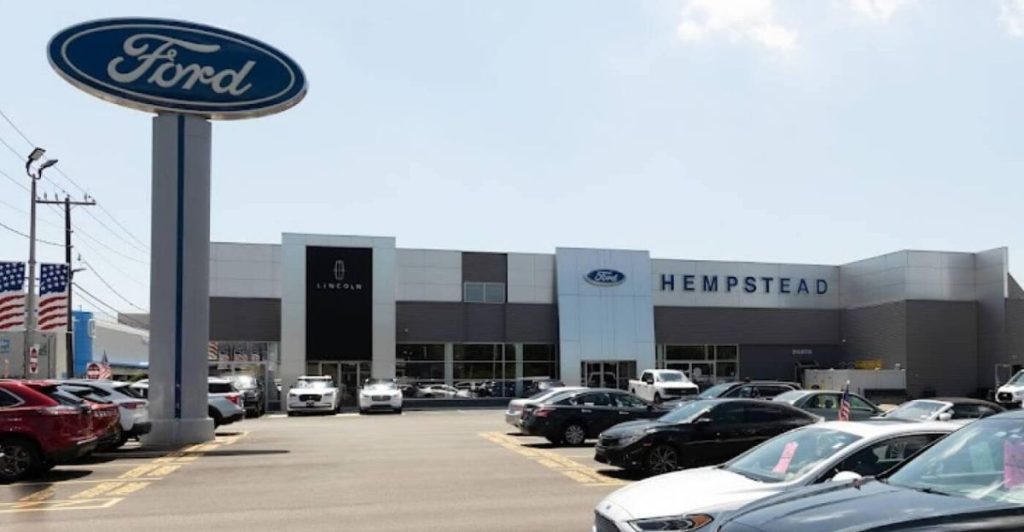
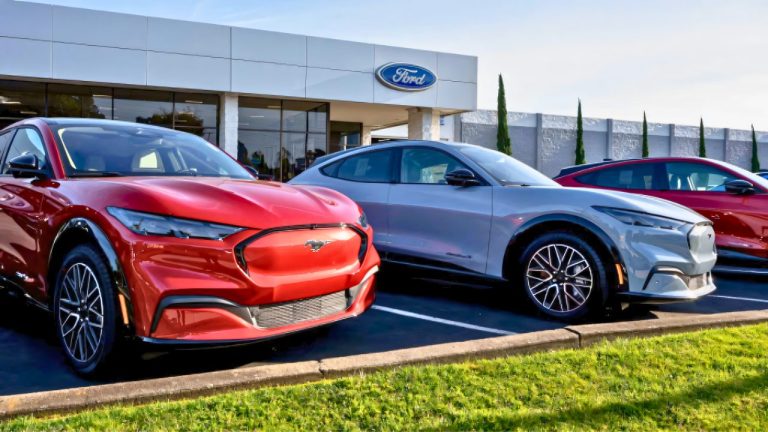
Ford, General Motors, and Harley-Davidson stepped in with emergency week-to-week funding to keep specific production lines operational that supply essential parts for their vehicles. Ford alone backstops three of four remaining business units still being sold, covering administrative costs and paying for parts in advance. Without OEM intervention, far more plants would have already shuttered, but that lifeline does not extend to the broader aftermarket operations now being wound down.
Illinois: Nearly 400 Jobs Gone in a Single Day
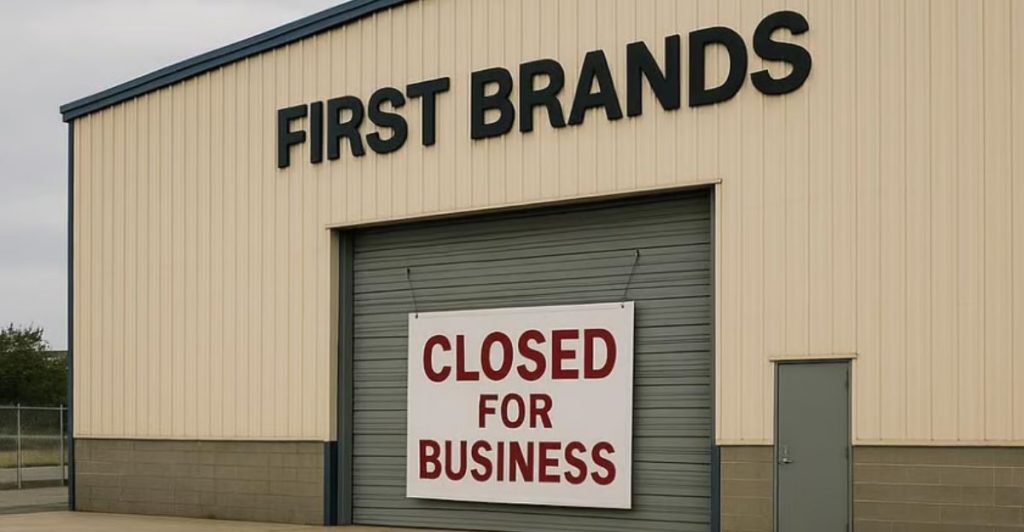
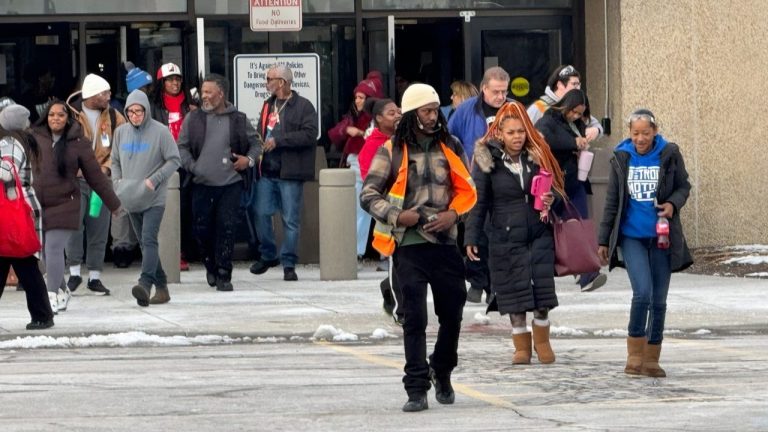
On February 3, First Brands closed its Brake Parts, Inc. facility in McHenry, Illinois, laying off 389 workers on the same day the closure was announced. In the same week, it announced the permanent closure of Champion Labs, a filter manufacturer in Albion, Illinois, in an almost identical scenario, a promising buyer who ultimately walked away. Interim CEO Charles Moore stated the company had “explored all options to fund” those business divisions before initiating closures.
A Mayor’s Shock
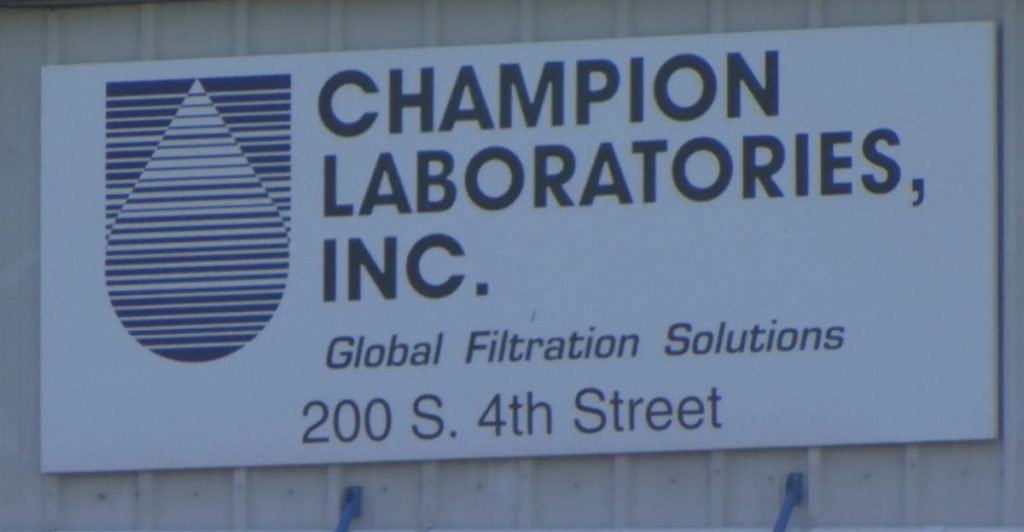
The abrupt closure of Champion Labs in Albion left community leaders blindsided. “It was a huge shock,” Albion Mayor Wes Harris told a local news station. “I wasn’t aware of any of this going on. They just sprung it on the families, which is very saddening and disheartening to hear that they’re all having to go through this. It’s going to be a huge loss for the community.” Albion is a small Illinois town where a single plant closure can reshape the local economy overnight.
Texas and South Carolina Hit Next
More than 100 additional workers in Texas received layoff notices on January 26, mostly at Cardone Industries plants in Harlingen and Arlington, facilities that manufacture brake parts, emissions controls, and related aftermarket components. In South Carolina, First Brands filed a WARN notice to close its East Marion County facility by April 30, threatening 64 more jobs in a county that already carries nearly 7% unemployment. The closures now span at least five states with no sign of stopping.
The WARN Act Question
Law firm Strauss Borrelli has launched an investigation into whether First Brands violated the federal WARN Act by failing to give proper advance notice before the Illinois mass layoffs. Under federal law, employers with 100 or more workers must provide 60 days’ written notice before plant closings or mass layoffs. If violations are confirmed, affected employees could be entitled to 60 days of back pay and benefits, a significant potential liability for a company already deep in bankruptcy.
Ripple Effects Beyond First Brands
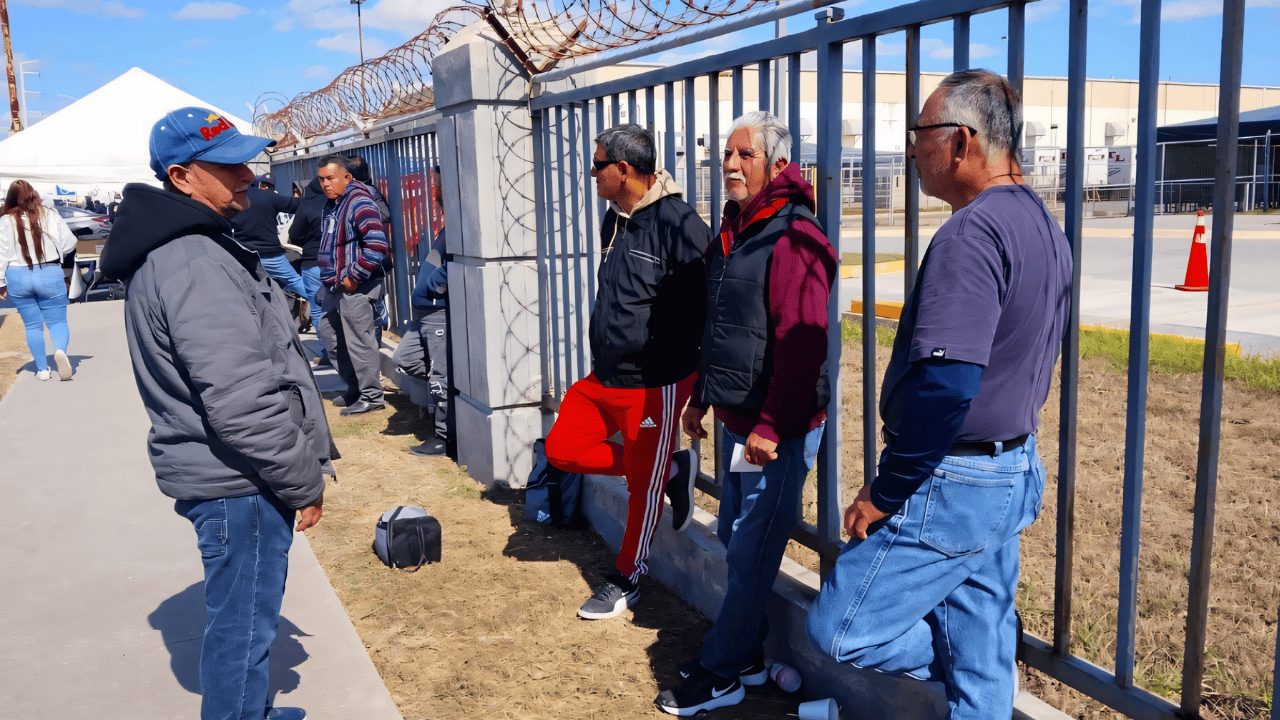
The collapse is already pulling other companies down with it. Raistone Capital, a trade finance firm heavily exposed to First Brands, filed for Chapter 7 liquidation on February 24. Raistone had laid off half its employees almost immediately after First Brands filed for bankruptcy in September and ultimately failed to sell its business. Separately, more than 4,000 workers at First Brands plants across six maquiladora facilities in northern Mexico were also left jobless as the bankruptcy disrupted cross-border supply chains.
Racing Against an April Deadline
First Brands is now in a desperate race to sell four remaining business segments, including towing and fuel pump manufacturing, before an April 30 liquidation deadline. “Regrettably, in the absence of a sale, the company does not have access to capital markets or cash reserves that would allow operations to continue,” the company stated in its closure letter to Emporia. If no buyers emerge before the deadline, a full Chapter 7 liquidation will commence, ending all remaining operations and eliminating thousands more jobs across the United States.
Sources
“First Brands Executives Charged With Multibillion-Dollar Fraud.” U.S. Department of Justice, Southern District of New York, Jan. 28, 2026.
“First Brands Founder Indicted for Fraud After Bankruptcy.” Reuters, Jan. 29, 2026.
“First Brands to Sell Units That Produce Parts for Ford.” Bloomberg, Feb. 27, 2026.
“Ford, GM Step In to Fund First Brands as Lenders Balk.” The Wall Street Journal, Jan. 28, 2026.
“First Brands Group Illinois WARN Act Investigation.” Strauss Borrelli PLLC, Feb. 2026.