$39B In New Cars Rot On Dealer Lots As 72% Of Americans Refuse To Buy—The 10 Models Nobody Wants
America’s new car lots are overflowing, with 10 models remaining unsold for more than 200 days. CarEdge data from February 2026 shows billions of dollars tied up in inventory while 56% of Americans say it is a bad time to buy. Average transaction prices hover near $50,000. Vehicles that once sold quickly now linger for months. The disconnect between what dealers stock and what buyers want has reached historic levels. A careful examination at the 10 slowest-moving vehicles shows which models struggle the most and why their inventory refuses to shrink.
#1 — Volkswagen ID.4
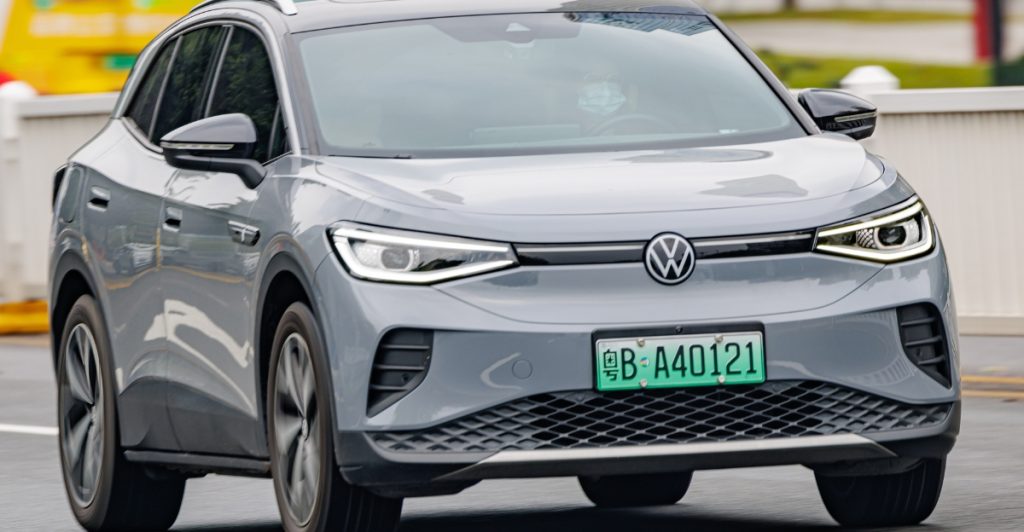
The Volkswagen ID.4 has 480 days of market supply with 1,482 units unsold nationwide. Only 139 vehicles sold in the prior 45 days, leaving current stock to last until mid 2027 at current pace. The model has experienced 18 recalls since 2021, including battery fire risk issues. Tesla reduced Model Y pricing near used ID.4 values, changing buyer calculations. Price-conscious EV buyers avoid the ID.4 at these levels. Inventory illustrates the cost of repeated recalls and market competition for electric vehicles. The next model shows how luxury pricing can amplify inventory challenges.
#2 — Jeep Grand Wagoneer
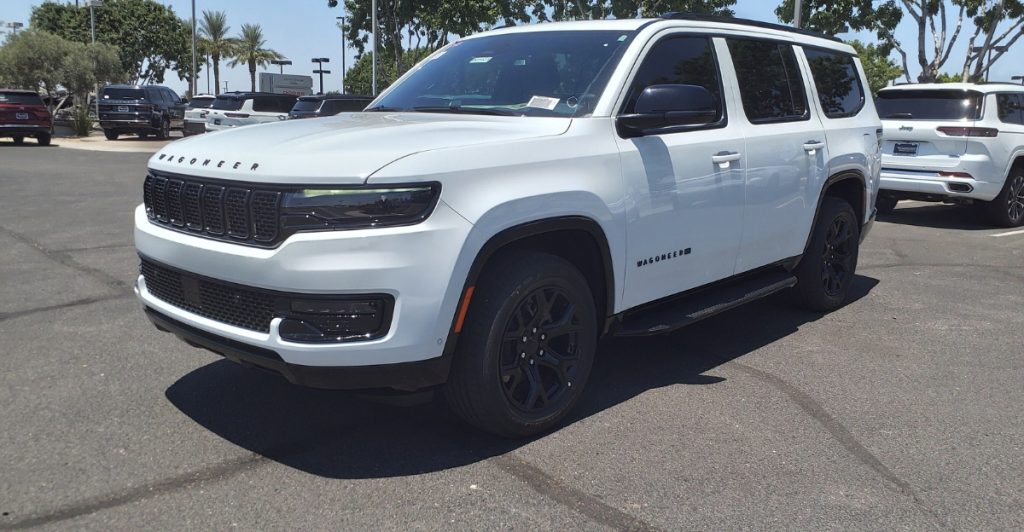
The Jeep Grand Wagoneer has 463 days of supply and 4,510 unsold units at an average price of $85,252. Sales for the standard model fell 54% year over year, while the Grand Wagoneer dropped 58% in 2025. The vehicle targets affluent buyers in Arizona and Texas but competes against brands with higher reliability and resale value. Incentives have not moved stock. Pricing and brand reputation combined to produce this inventory crisis. Another iconic vehicle demonstrates how shifting identity can stall sales even with strong recognition.
#3 — Dodge Charger
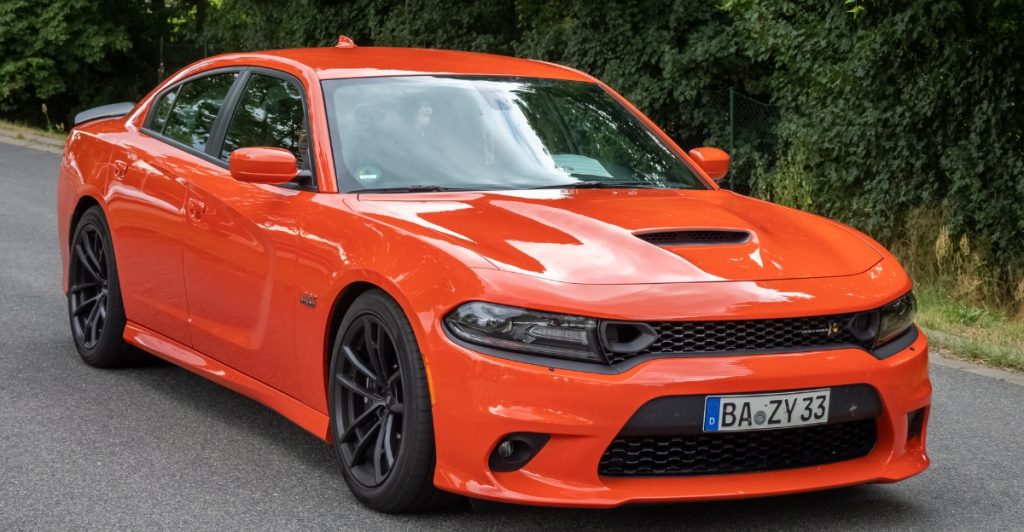
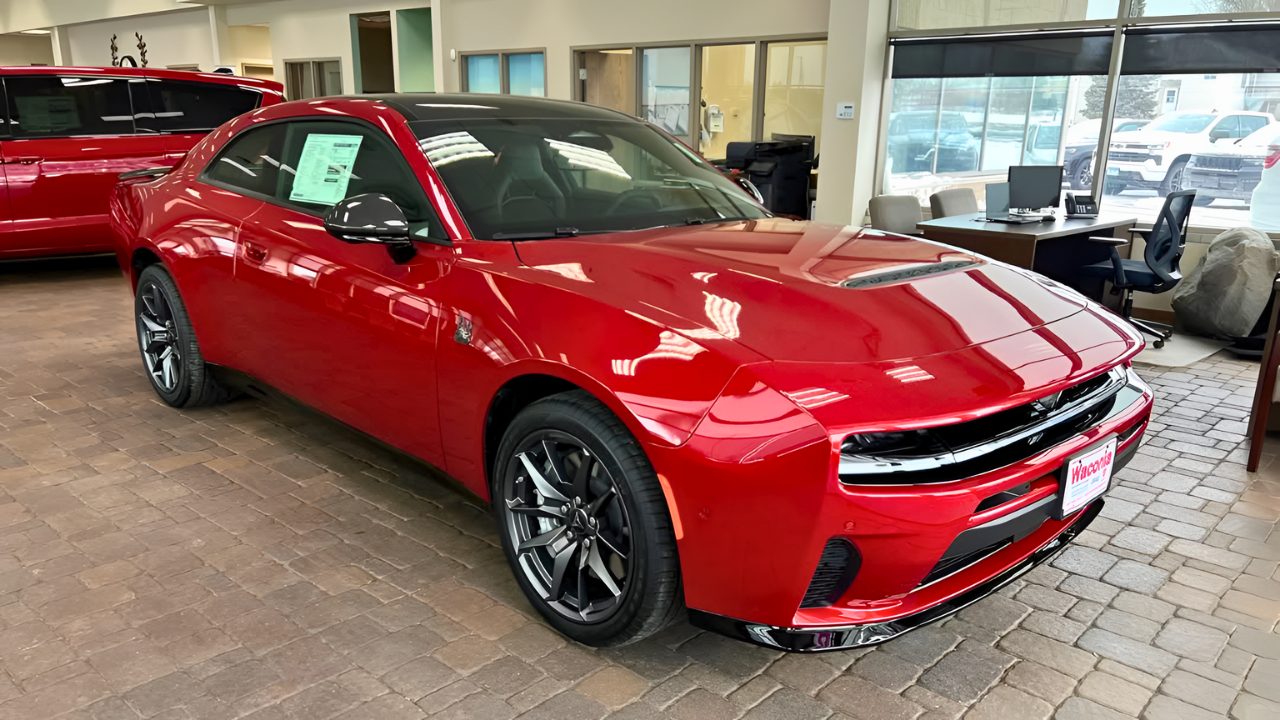
The Dodge Charger shows 406 days of supply with 5,721 units unsold and an average price of $56,595. Gasoline and electric versions now compete at higher price points. Sales fell 50% in early 2025, with only 4,299 EV units sold against internal expectations. Consumers confused by platform shifts delayed purchases. Dealers hold inventory without a clear buyer base. Muscle car heritage has not translated into immediate demand. Another high-priced performance vehicle illustrates that even strong brand history cannot prevent slow movement in an evolving market segment.
#4 — Mercedes AMG GT Coupe
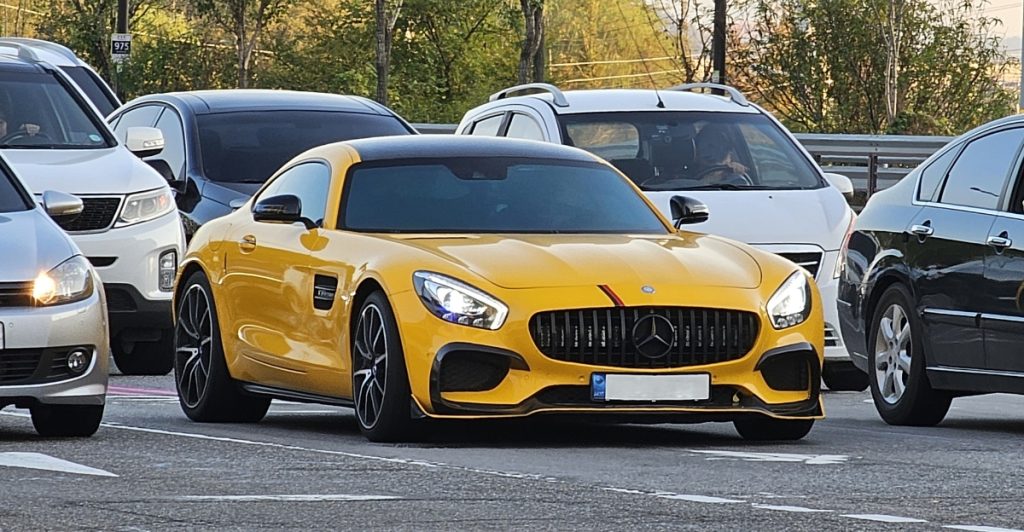
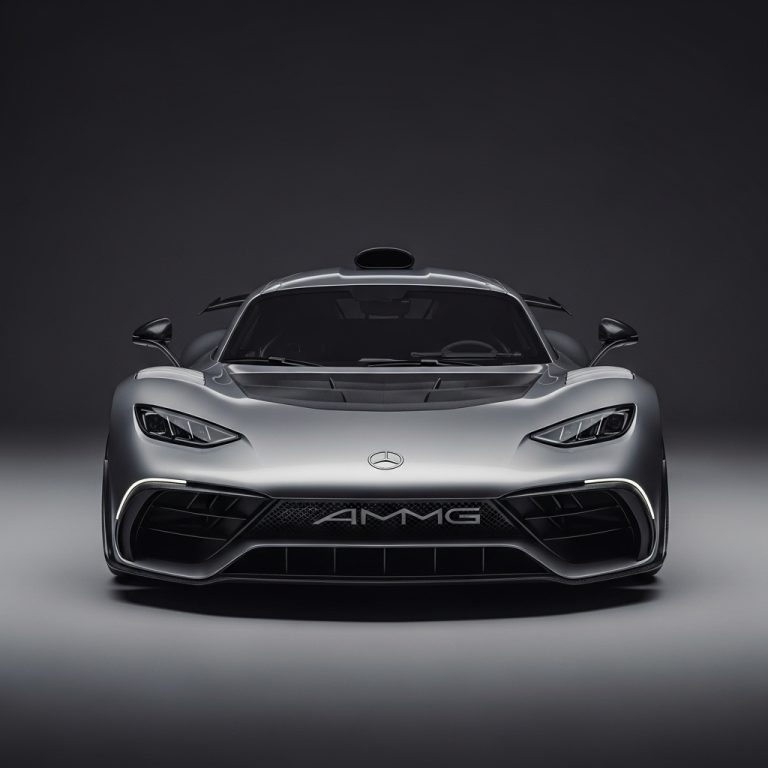
The Mercedes AMG GT Coupe has 360 days of supply and 778 units available at $153,666 average transaction price. Affluent buyers prefer SUVs and crossovers over 2-door coupes. Even prestigious German engineering cannot overcome shrinking demand in this segment. Analysts report practicality now outweighs performance heritage. Stock remains unsold across nationwide dealerships. Luxury performance inventory is slowing dramatically, forcing dealers to rethink allocation. The next compact premium model faces similar pressure as buyers shift to vehicles with greater versatility and functional appeal.
#5 — Audi S3
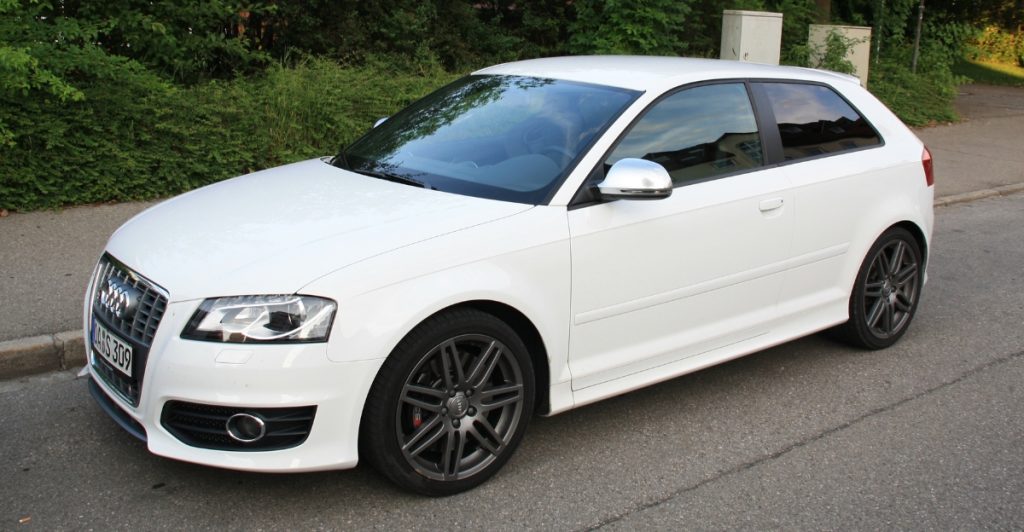
The Audi S3 carries 318 days of supply and 552 units unsold at an average $53,871 price. All-wheel drive and turbocharged performance have not prevented slow sales. Buyers favor compact luxury crossovers such as the BMW X3 and Mercedes GLC. Industry data shows all premium sedans losing ground as elevated seating and cargo flexibility gain importance. Inventory levels reflect a misjudgment of consumer priorities. Demand for traditional 4-door performance sedans continues to drop. Another established brand struggles to reach younger buyers despite attempts at styling and marketing updates.
#6 — Buick Envision
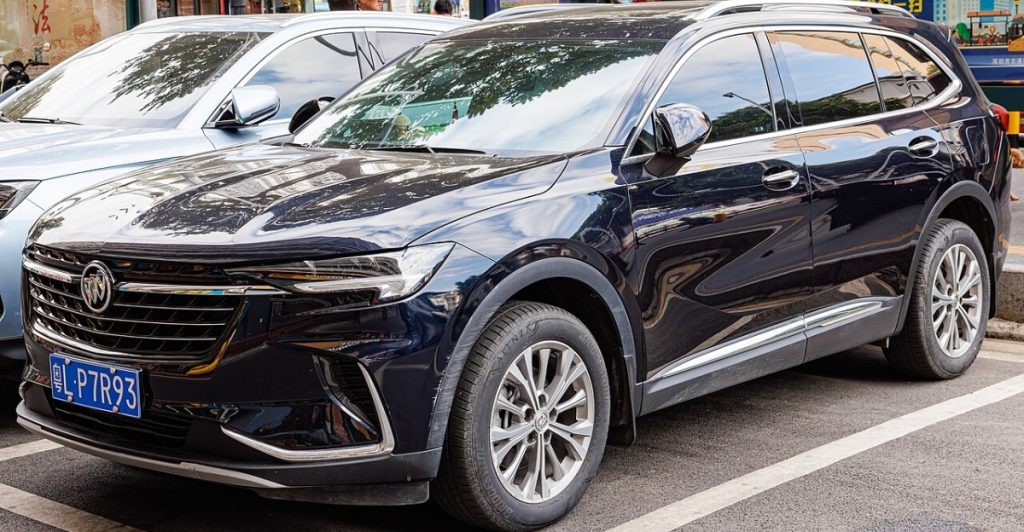
The Buick Envision sits at 267 days of supply with 11,337 units unsold and a $40,994 average price. Efforts to appeal to younger buyers have not overcome longstanding retiree associations. Automotive analysts note that branding built over decades cannot be reset with cosmetic changes. Pricing alone cannot drive strong adoption among aspirational buyers. Inventory demonstrates the persistence of consumer perception. Generational reputation continues to affect sales across dealerships. The next model shows how luxury heritage and emotional branding are tested by American buyers’ increasing focus on reliability and resale value.
#7 — Maserati Grecale
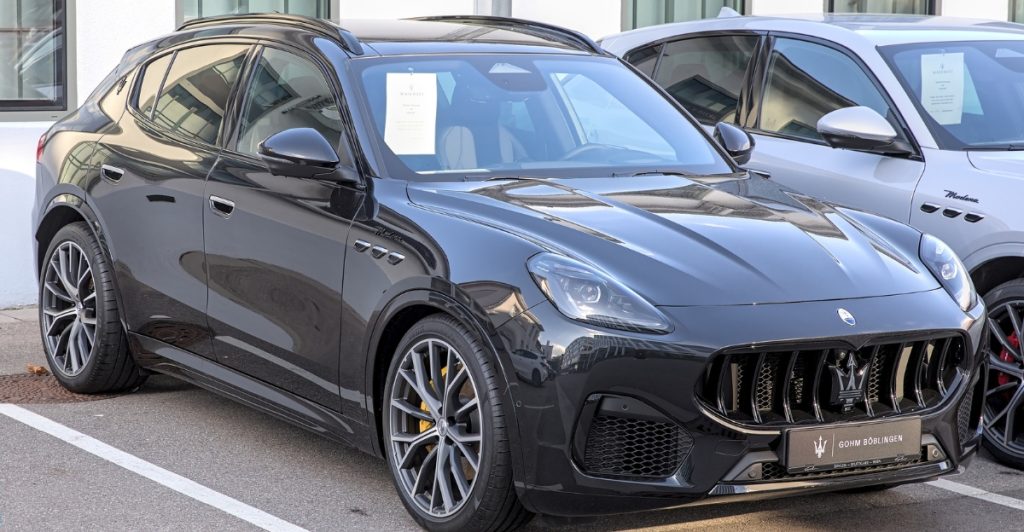
The Maserati Grecale has 232 days of supply with 583 units on dealer lots. Buyers prioritize documented reliability and resale value over heritage and styling. The Maserati Levante previously lost 70% of value, reinforcing caution among new car shoppers. Ownership costs, maintenance, and depreciation affect purchasing decisions at luxury price points exceeding $80,000. Even brands with racing history encounter slow sales when trust metrics are unfavorable. Italian styling alone does not drive immediate demand. A niche convertible now illustrates how small audience segments struggle to move inventory.
#8 — Mini Convertible
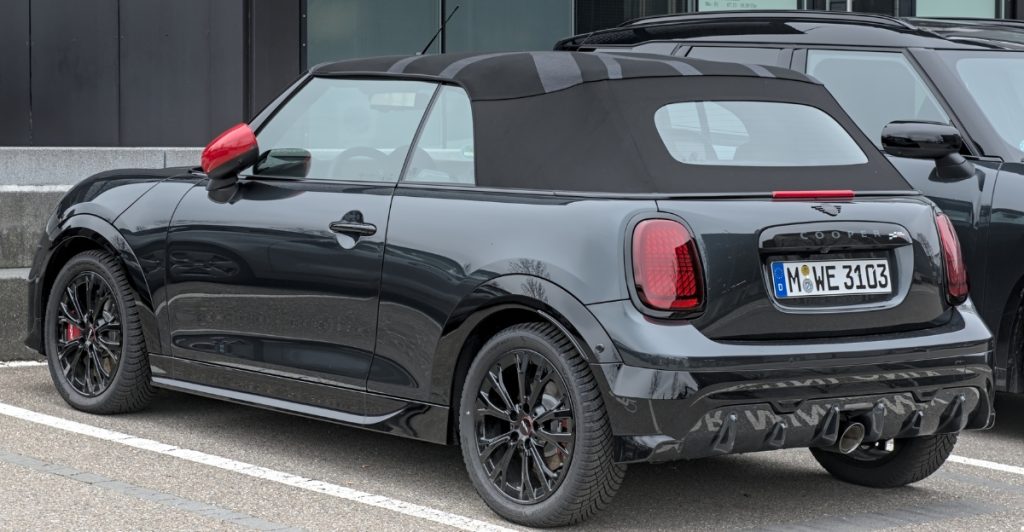
The Mini Convertible has 224 days of supply with 1,979 units unsold at $44,871 average price. Standard Mini Coopers hold 155 days of supply. Market demand for compact convertibles is narrower than anticipated. Price reductions and incentives cannot expand the customer base. Inventory illustrates how niche formats saturate quickly, regardless of marketing. Enthusiast appeal alone does not guarantee sales. The following compact truck demonstrates how reliability issues compound inventory challenges for products positioned in smaller segments.
#9 — Hyundai Santa Cruz
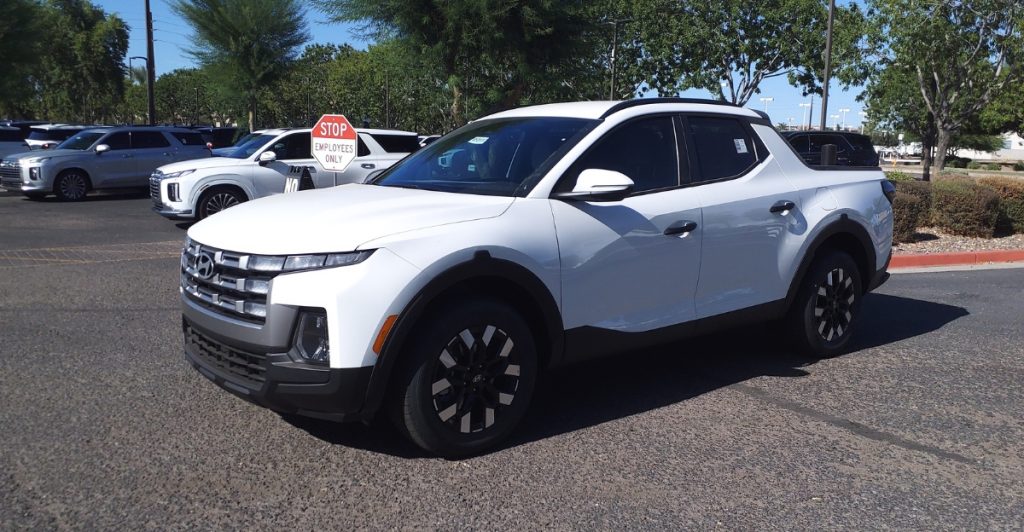
The Hyundai Santa Cruz has 225 days of supply and 10,474 units unsold. Annual sales fell from 37,700 in 2022 to between 22,000 and 25,500 in 2025. Reports cite engine-transmission shuddering and other reliability issues. Hyundai and Kia manage settlements exceeding $4 billion for 2.1 million vehicles with engine failures or fires. Resale values have declined sharply. Inventory shows buyers avoid vehicles with known performance problems. One final high-priced coupe now signals the end of an era for 2-door luxury vehicles as market demand shifts decisively toward SUVs and crossovers.
#10 — BMW 8 Series
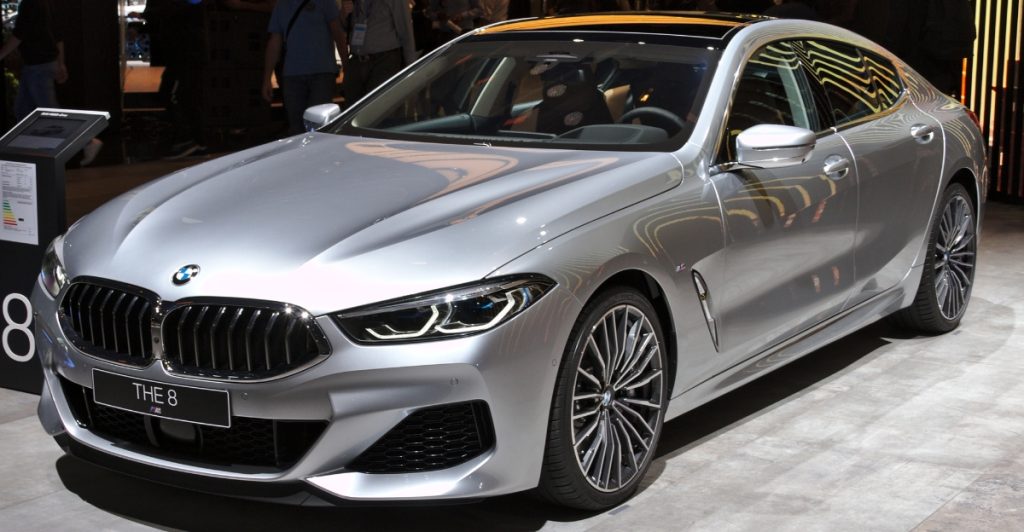
The BMW 8 Series has 207 days of supply with 1,990 units unsold at $111,895 average price. BMW confirmed production is ending with no successor announced. Large 2-door luxury coupes face weak demand as buyers prefer SUVs. Speculation exists for a future 8 Series Gran Coupe, but current coupe and convertible variants struggle to justify cost. Inventory represents more than slow sales. The backlog marks a decisive shift in consumer priorities and demonstrates how entire model lines can stagnate when preferences change dramatically.
Sources:
The Fastest and Slowest Selling Cars in 2026. CarEdge, February 4, 2026.
The worst selling new cars: Febraury 2026. Destination Charged, February 5, 2026.
New Vehicles Average $50,000 For The First Time Ever. CarPro, October 22, 2025.
Americans Scrapping Plans to Buy Cars While Expecting Prices to Jump. Investopedia, April 10, 2025.
Average New Car Prices Rise Above $50,000 for the First Time Ever. Car and Driver, October 15, 2025.
What intense competition for car sales means for buyers in 2026. Detroit Free Press, February 25, 2026.