Ford Recalls 412K Explorers For Same Steering Defect It ‘Fixed’ In 2021
Somewhere on a highway, a Ford Explorer driver hears a single clunk from the rear suspension, then the steering suddenly goes soft. The back end drifts on its own, the rear wheel visibly misaligned, and the driver has become a passenger in a two-ton SUV that is now choosing its own direction. That scenario is why Ford just recalled 412,774 Explorers built between May 2017 and March 2019. The defect involves a rear suspension toe link that can fracture without any warning.
Family Hauler
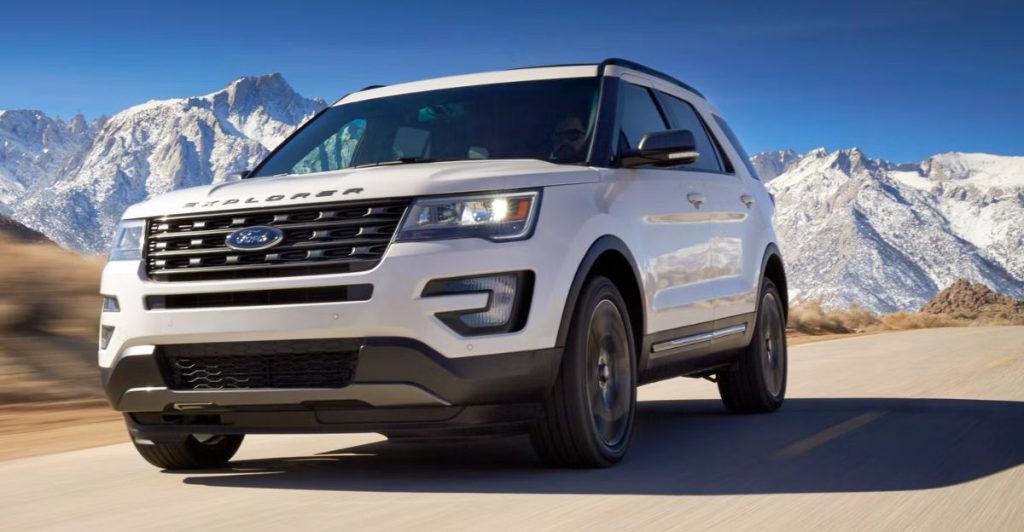
These are not sports cars driven by enthusiasts who check torque specs on weekends. The Explorer is America’s family SUV, loaded with car seats and soccer gear, driven by parents who bought Ford because they trusted the name. Hundreds of thousands of household members ride in these vehicles. Twenty-six confirmed toe-link fractures have been reported globally so far, including two accidents involving guardrail strikes. No injuries have been reported yet, but the word “yet” is doing enormous structural work in a recall affecting six figures worth of SUVs still on the road.
Already Seen
This is not the first time. Ford has struggled with the same toe-link fracture, cross-axis ball-joint seizing, and sudden steering loss before. Recall 21V537 in July 2021 covered 644,055 older Explorers from 2013 to 2017. That round produced 16 reports of loss of vehicle control or crashes and four injury claims, concentrated in salt-belt states where road brine ate through the original components. Ford’s fix was to replace the ball joints with a redesigned part from supplier SAF, featuring what Ford called “an improved sealing system more robust to corrosion.” The improved parts passed every inspection Ford ran.
Broken Again
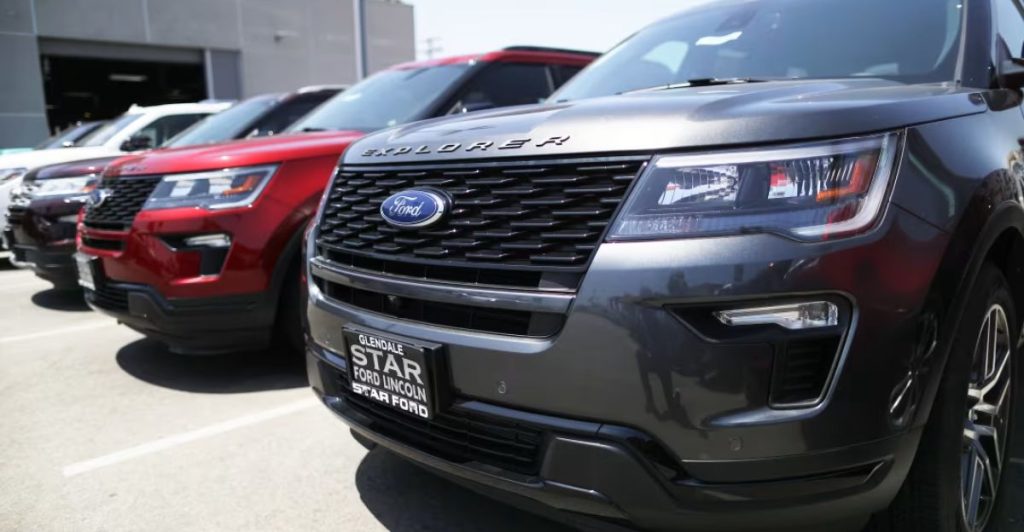
Those improved SAF ball joints are now seizing and fracturing toe links in the 2017–2019 Explorers. Ford’s own 2021 part harvest found “no instances of corroded SAF CABJ parts.” No corrosion, but the parts failed anyway. Ford admitted in its February 2026 recall filing that its investigation has not fully established the root cause of these fractures to date. Ford replaced a part, but the replacement broke the same way. Ford cannot explain why, and 412,774 families are driving the result.
Hidden Mechanism
The technical failure works like this: a cross-axis ball joint locks in place, creating a bending force on the adjacent toe link. The link snaps, and when it does, the rear wheel loses alignment control and begins steering on its own. Ford blamed corrosion in 2021. But now, the corrosion is gone, but the seizing remains. That means the original diagnosis addressed the visible symptom, while the actual mechanical vulnerability remained unidentified for a decade.
The Numbers
Ford issued more than 150 recalls in 2025, which is the highest annual volume in automotive industry history, nearly doubling General Motors’ previous record of 77 set in 2014. By July 2025, Ford had already filed 94 recalls covering 6.3 million vehicles, accounting for 39% of all industry recalls. Ford claims to have more than doubled its safety team, and the company also led U.S. automakers in recall volume for three of the past five years. More people looking for problems found more problems, but nobody stopped the problems from being built.
Repeat Failures
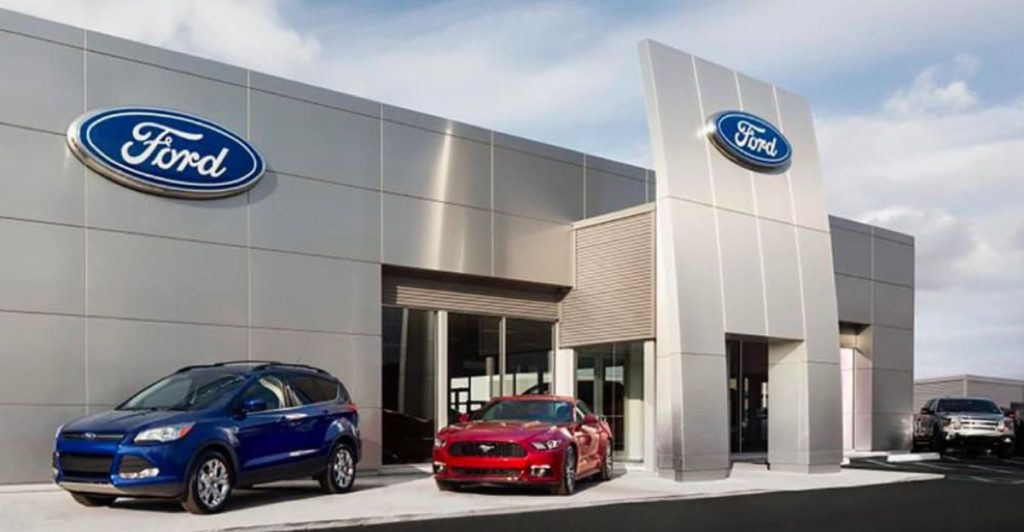
Of Ford’s more than 150 recalls in 2025, 42 were repeat corrections for vehicles previously recalled but improperly repaired. That is 27% of the entire year’s recall volume dedicated to fixing fixes that did not work. In November 2024, NHTSA fined Ford $165 million for delayed rearview camera recalls, the second-largest civil penalty in the agency’s history. The penalty came with a requirement: an independent third party now oversees Ford’s compliance for a minimum of three years. Federal regulators stopped trusting Ford to police itself.
The Pattern
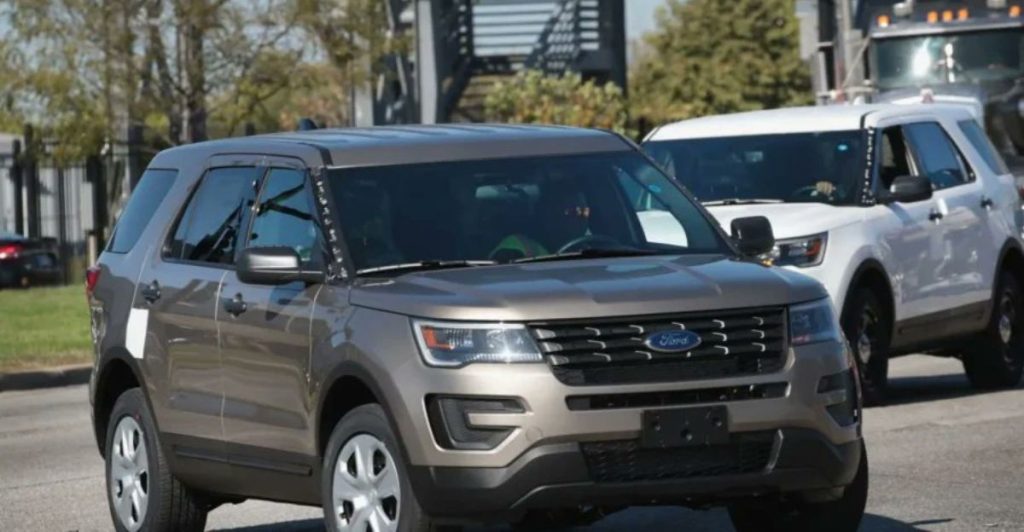
Explorer toe link recalls trace back to 2016, then 2019, then 2020, then 2021, and now 2026. Five recalls over a decade for the same failure mode across two generations of the same vehicle. Combined with the 2021 recall’s 644,055 vehicles, more than one million Explorers have been affected by this single suspension defect. This stopped being an isolated manufacturing hiccup years ago. Ford’s quality system has gotten faster at detecting problems, but it has not gotten better at preventing them from reaching driveways.
The Wait
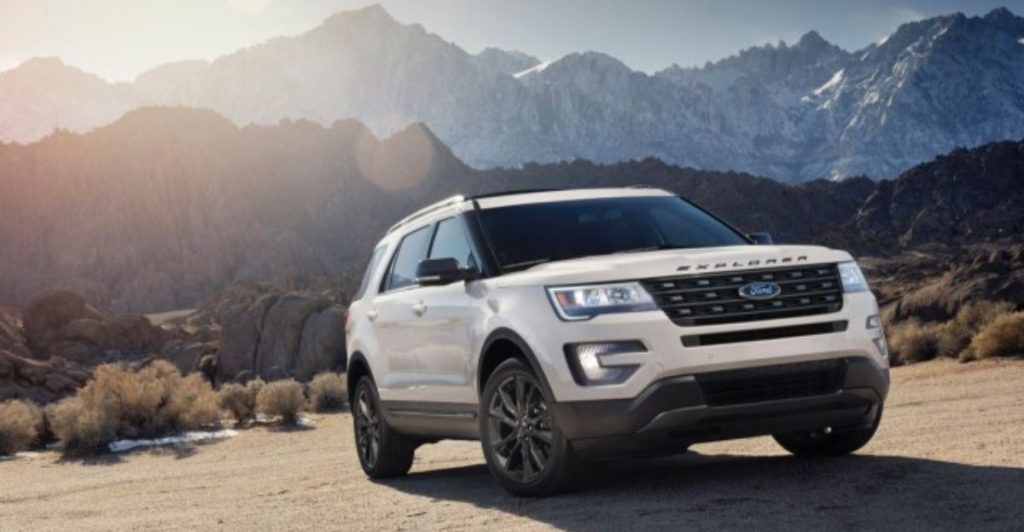
Owner notification letters begin March 9. Dealers will replace the toe links with a stronger design at no charge. But roughly 412,774 vehicles competing for service appointments across the national dealership network could lead to waiting times stretching weeks or months. Rural owners with fewer nearby service bays face the hardest math: keep driving a vehicle with a known fracture risk, or park it and find another way to work. NHTSA estimates approximately 1% of the recalled population actually exhibits the defect.
Unfinished
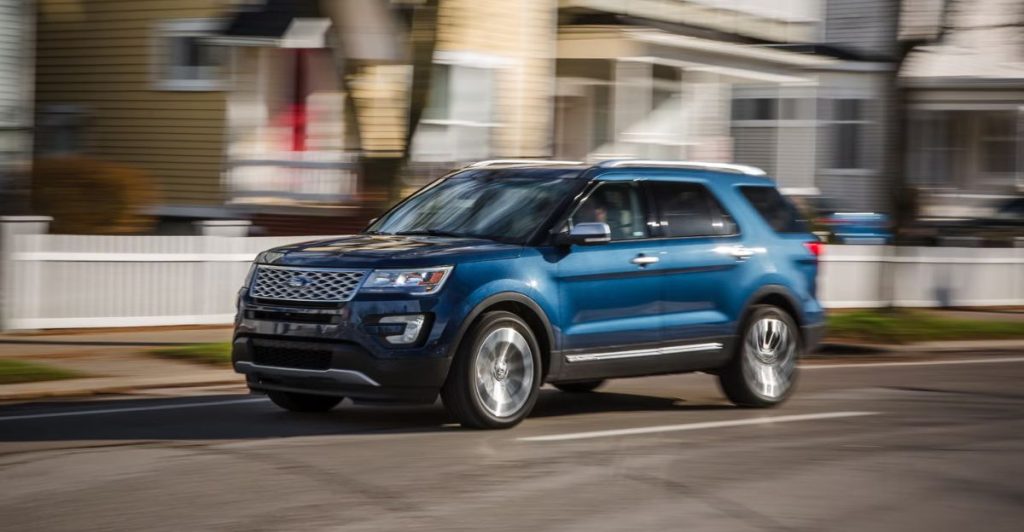
The replacement toe links are stronger, according to Ford. Ford said the same thing in 2021. The root cause remains undetermined, meaning Ford is again swapping parts without fully understanding why the old ones broke. If the pattern holds, and a decade of evidence says it does, the independent third-party monitor assigned by NHTSA will be watching closely when these “stronger” replacements hit their fifth winter.
Sources:
“Part 573 Safety Recall Report 26V101.” National Highway Traffic Safety Administration (NHTSA), 20 Feb 2026.
“Ford shatters decade-old recall record with 152 safety alerts issued this year alone across multiple models.” Fox Business, 24 Dec 2025.
“NHTSA fines Ford $165M for slow response to safety recall.” WardsAuto / Automotive Dive, 17 Nov 2024.
“Ford Recalls 412,774 Explorer SUVs Again Over Rear Suspension Fracture Risk.” Autoblog, 24 Feb 2026.