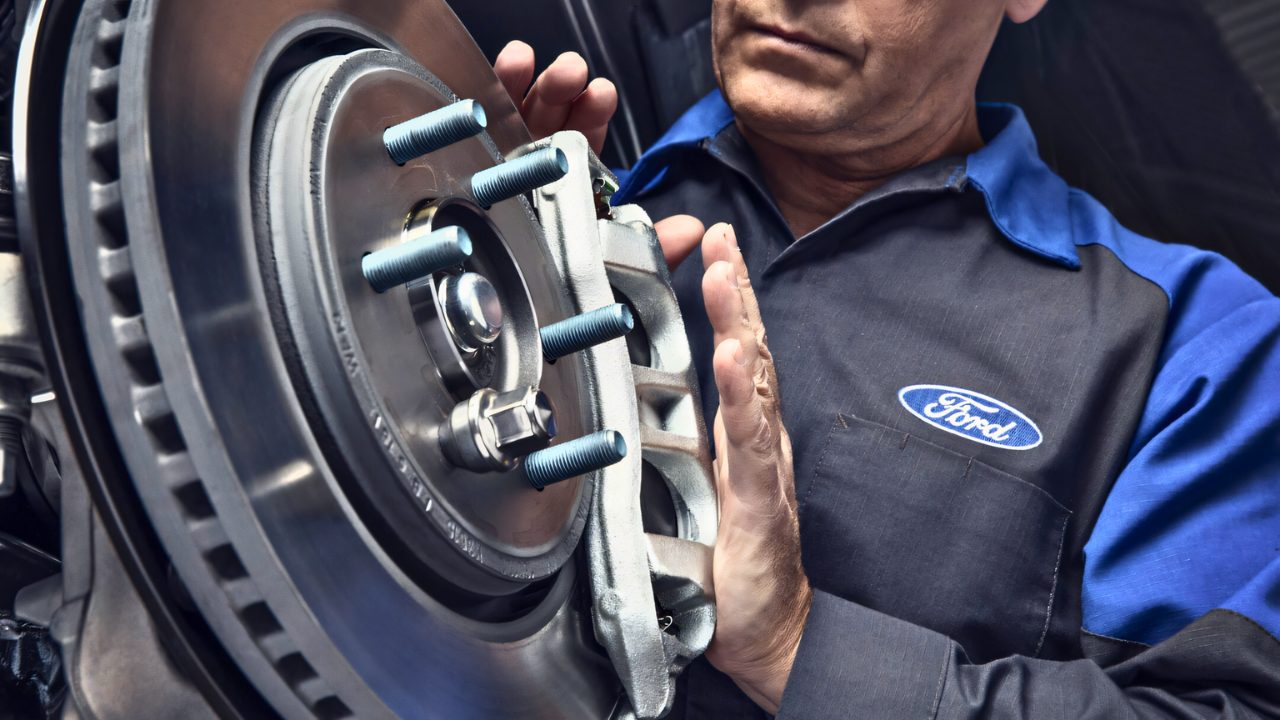
Ford Tells 15,965 Transit Owners ‘Do Not Drive’ As Brakes Could Disconnect Mid-Drive
Imagine somewhere on an American highway, a Ford Transit driver presses the brake, expecting the usual solid response. Instead, something feels off; no squeal, no grind, the pedal moves like it’s barely connected to anything.
On nearly 16,000 brand-new 2025 Transit vans, it might not be. Ford has issued its most severe advisory: Do Not Drive. The component that holds the brake system together might not even have been installed.
The Recall
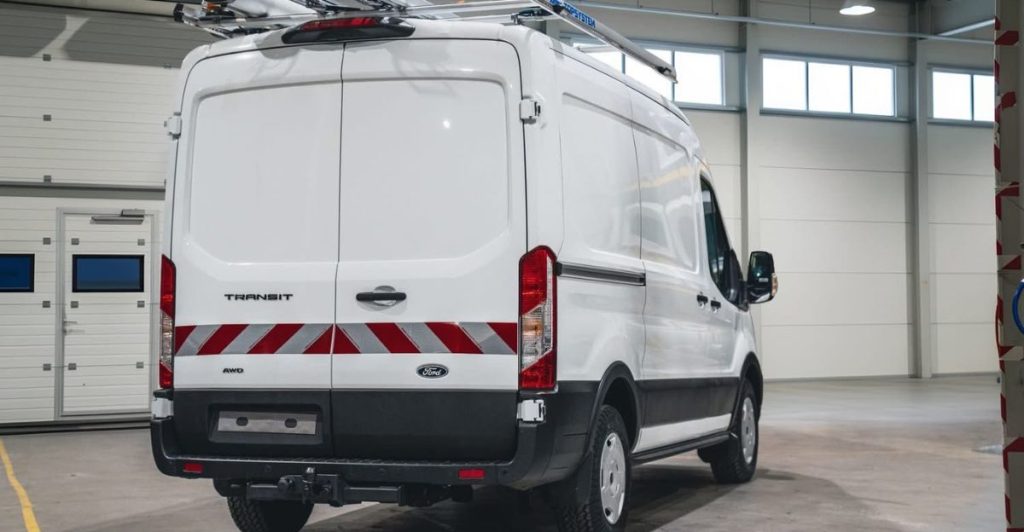
This recall hits America’s best-selling commercial van during its strongest sales run in years. Q3 2025 alone moved 42,503 Transits, the nameplate’s second-best third quarter on record. Delivery fleets, municipal agencies, tradespeople: these owners are now grounding vehicles.
Ford built the affected 15,965 vans at the Kansas City Assembly Plant between January 21 and April 25, 2025. A facility that has produced 1.5 million Transits over 11 years just sent out nearly 16,000. With Ford’s directive, those vehicles must be parked immediately.
What Went Wrong
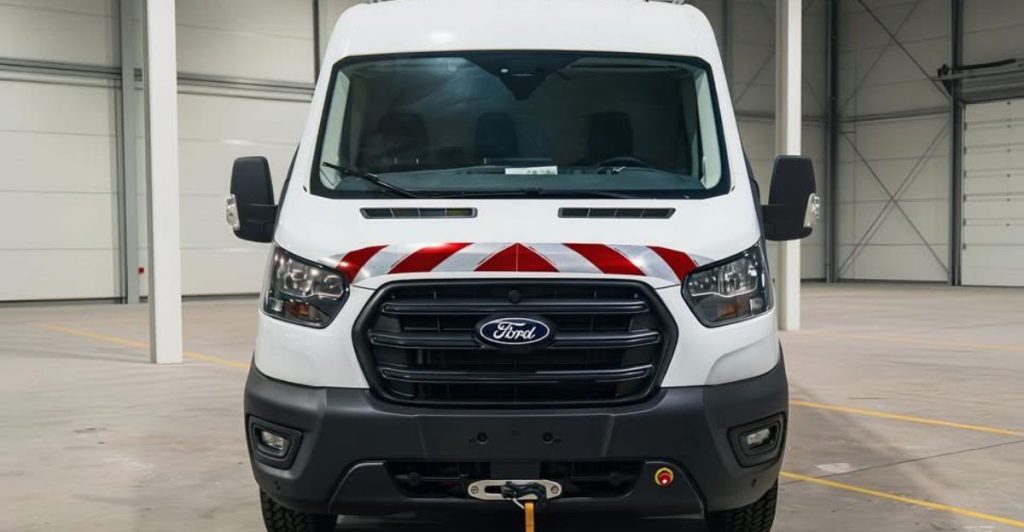
The defect is a simple cotter pin, a basic retention fastener that secures the brake booster pushrod to the brake pedal. Without it, the pushrod can loosen and eventually separate.
Ford’s own language describes the consequence. “Under heavy brake pedal application, the pushrod could disconnect entirely from the brake pedal,” resulting in “a loss of service brake function, greatly increasing the risk of a crash.” Although zero crashes have been reported so far, Ford built these vans with a backup system designed to catch exactly this failure, an intended layer of protection now under scrutiny. It’s easy to trust that every tiny part is in place, but what if the part that matters most is missing?
A Backup That didn’t Work
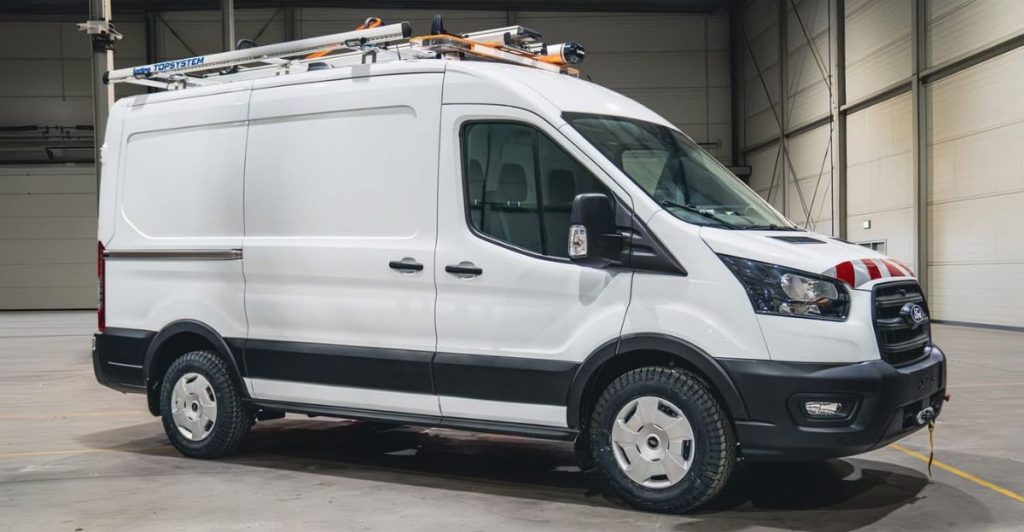
The backup didn’t work, which magnifies the seriousness of the defect. According to NHTSA’s recall report, “the cotter pin was not installed on the brake boost assembly at the vehicle assembly plant, and a subsequent operation to install a redundant retainer clip did not identify the missing cotter pin.”
Both the primary component and its safety net disappeared from the same vehicles. Ford’s redundancy assumed the first step had happened. The backup layer applied to nothing, creating the illusion of protection. There was no checkpoint, no verification, and nothing to catch the error.
Fail Safes
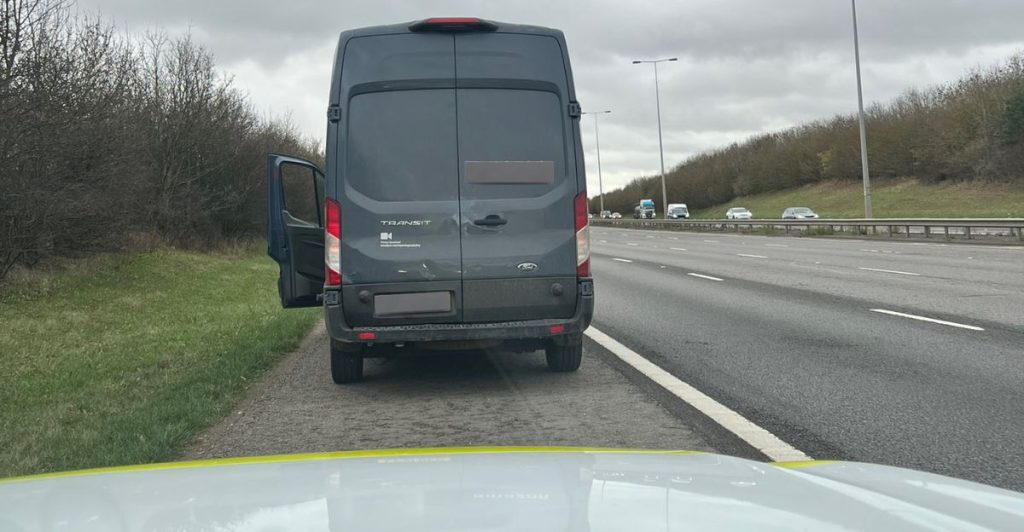
Picture the silence in a repair shop as mechanics search for a tiny pin—the difference between safety and disaster. Or picture a backup parachute that only deploys if the main chute is packed correctly. If nobody checked the main chute, the backup is decoration. That’s Ford’s assembly line at Kansas City during those three months.
Each operation assumed the prior one had been completed. The retainer clip installer never confirmed the cotter pin was in place before applying the clip. The process had no forcing mechanism between steps. Instead of a typical quality lapse, Ford’s quality system, structurally, could not catch this error, turning expectations into a systemic vulnerability.
The Important Numbers
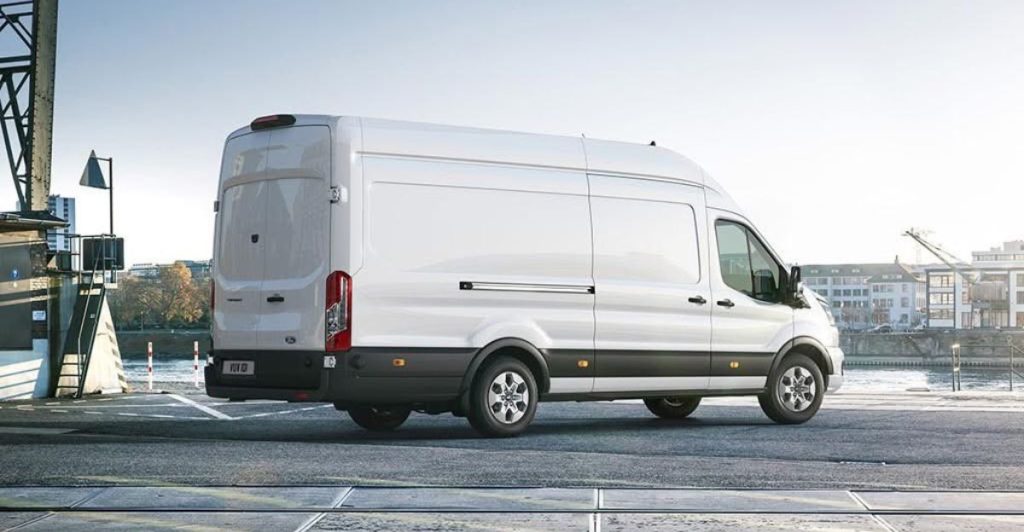
Ford estimates 1% of the 15,965 recalled vans actually have the defect. That’s roughly 160 vehicles potentially rolling with no primary brake retention. Only five complaints surfaced from three vehicles across ten months of road exposure, a 0.03% complaint rate. The numbers might seem small, but for drivers behind the wheel, even a tiny risk is too much to ignore.
This near-silence is the scariest number because it means drivers of defective vans may not realize the risk until pedal failure occurs. The “wobbly” warning Ford describes is the final signal before total brake failure.
Stuck in Limbo
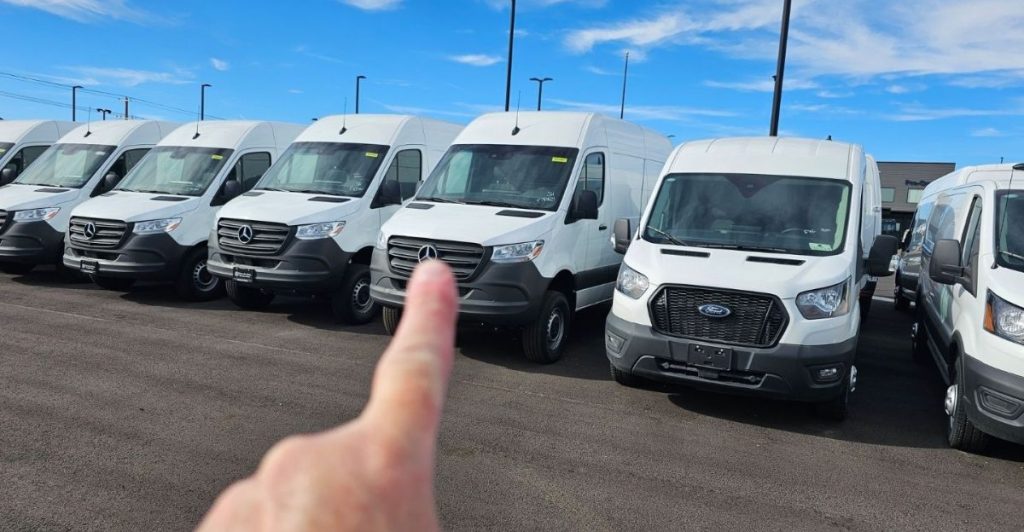
Owner notification letters went out between March 2 and 6, 2026. Until repairs are complete, those vans sit. Ford is offering mobile service and dealer-coordinated towing at no cost; however, the impact is widespread: thousands of fleet operators lose vital vehicles, and dealer service departments face 15,965 simultaneous recall appointments.
For competitors selling Sprinters and ProMasters, this pause is an opportunity. Each grounded Transit means a missed delivery, affecting both small operators and broader supply chains.
The Bigger Pattern

This is the second major Transit recall within weeks, raising further concerns. An earlier engine crossmember issue pulled 1,403 2023-2024 models off the road. Across its lineup, Ford recalled over 312,000 vehicles in 2025 for brake-related problems alone, spanning the F-150, Expedition, Bronco, Ranger, and Lincoln Navigator.
Viewed together, Kansas City’s brake pin failure fits a troubling pattern. Verification gaps may exist between assembly steps across Ford’s production system. Once you see that redundancy without verification is theater, every “backup system” claim looks different.
The Waiting Game
The manufacturing team at Kansas City first flagged the issue to Ford’s Critical Concern Review Group on December 11, 2025. Yet, owner notification didn’t begin until March 2, 2026. For months, potentially brakeless vans remained on the road.
The delayed process raises the risk: if a crash occurs before repair, Ford faces litigation and possible NHTSA penalties for its delayed escalation timeline. The defect violates Federal Motor Vehicle Safety Standard No. 105, which requires brake system integrity. With these delays, regulatory scrutiny of Ford’s redundancy design is inevitable.
False Confidence
The next time a manufacturer advertises “redundant safety systems,” remember this Ford case. The backup existed on paper and sat in the assembly sequence, but without a verification step, it served no purpose.
That’s the critical framework at stake: redundancy without independent verification gives false confidence, not safety. At the end of the day, it’s not just about brake pins and recall numbers—it’s about keeping drivers, passengers, and families safe on the road.
Sources:
NHTSA — Part 573 Safety Recall Report 26V090 — February 17, 2026
Ford (From the Road) — Ford Issues Do-Not-Drive Advisory for Certain 2025 Transit Vehicles — February 19, 2026
USA Today — Ford Issues ‘Do Not Drive’ Recall for Over 15K Transit Vehicles — February 25, 2026
Car and Driver — Ford Recalling 312,000 Trucks, SUVs with Brake Booster Issue — August 3, 2025
Ford (From the Road) — Ford Pro Fact Sheet: Ford Transit and E-Transit (Q3 2025 Sales) — November 17, 2025
NHTSA — Safety Recall Report 26V061 (Transit Engine Crossmember Recall) — February 3, 2026