Ford Recalls 24,690 Hybrids For Fire Risk Third Time In 6 Months
Ford just recalled 24,690 vehicles — and if that sounds familiar, it should. This is the third time in six months they’ve issued a recall for the exact same battery problem. The models affected are the 2023-2025 Ford Escape PHEV and the 2023-2026 Lincoln Corsair PHEV, and they all share one thing in common: Samsung SDI lithium-ion batteries that can short-circuit internally and catch fire. NHTSA made it official on February 17, 2026. Three recalls. Same issue. Still no fix. Ford’s official position on a permanent fix: “The remedy is under development.” And 24,690 families are waiting.
Failed Fix
Ford deployed a software update in December 2024 as the permanent remedy for this exact battery defect. The software was supposed to detect damage to the separator layer before thermal runaway could begin. By November 2025, Ford knew of 7 Kuga vehicles that had experienced battery-cell venting despite receiving that update. Seven vehicles did exactly what the software existed to prevent. Ford responded with an “enhanced” software remedy in November 2025, covering 20,558 vehicles. That fix also proved inadequate, and the February 2026 expansion followed months later.
Software Myth

When a manufacturer issues a recall fix, most owners assume the problem is resolved and move on with their lives. Ford shattered that assumption — not once, but twice. The December 2024 software update? Labeled a permanent fix. It failed. The November 2025 follow-up? Called an improvement. Also failed. Both times, Ford tried to solve a physical battery defect with a software patch. That’s like popping painkillers for a broken bone. Sure, the pain fades for a bit, but the bone is still snapped. The real issue is damage deep inside Samsung SDI’s battery cells, and no amount of code will reach it.
Burning Truth
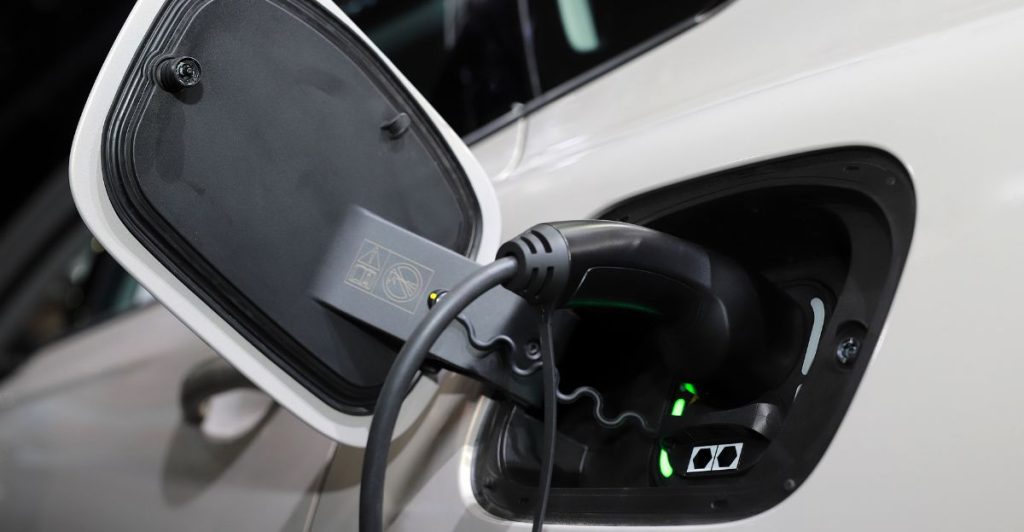
By February 10, 2026, two more vehicles in Europe that were not part of the original recall started venting from their batteries. Ford admitted to federal regulators that its previous fix did not work on vehicles outside the original group. In the meantime, Ford told owners to limit their battery charge to 80% and to use Auto EV mode only. These restrictions take away the plug-in hybrid features that owners paid extra for. Ford essentially downgraded their vehicles with a letter.
Premium Downgrade

Limiting the charge to 80% and locking the vehicle into Auto EV mode turns a plug-in hybrid into something closer to a regular hybrid. The electric range drops, efficiency gets worse, and the main reason owners paid extra for a PHEV disappears. A class action lawsuit filed on April 4, 2025, claims Ford put profits ahead of safety and sold these vehicles without telling buyers about the fire risk. Owners paid for a premium product. What they got was a defective one.
Samsung Cascade
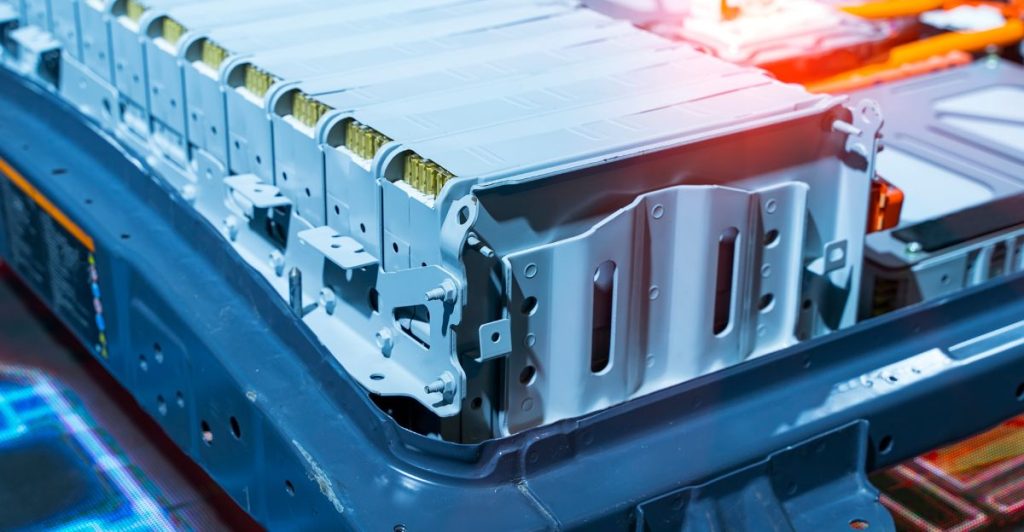
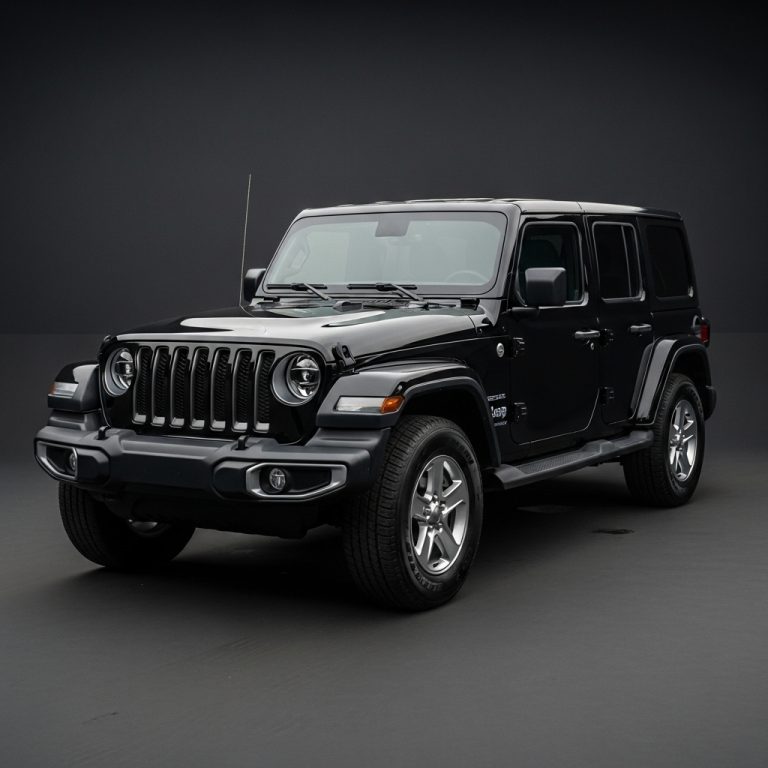
Samsung SDI recalled 180,000 battery packs worldwide in February 2025, and the fallout didn’t stop at Ford. Chrysler had to recall over 32,000 Jeep Wranglers and Grand Cherokees. Volkswagen pulled more than 4,600 Audi Q5 and A7 units. All because one supplier’s inconsistent manufacturing caused the same defect to ripple across three automakers and hundreds of thousands of vehicles on multiple continents. This was never just a Ford problem. The entire auto industry put its eggs in a very small basket of battery suppliers, and Samsung SDI just showed the world what happens when one of those suppliers drops the ball.
Record Wreckage

Ford issued 153 recalls in 2025, covering nearly 13 million vehicles. That was 45.3% of all vehicles recalled across the entire industry that year, more than double the previous record held by General Motors. One company was responsible for nearly half of all recalled vehicles in America. Ford’s warranty costs hit $4.8 billion in 2023 alone. Production of the Escape and Corsair ended on December 17, 2025, and the Louisville Assembly plant will be retooled with a $2 billion investment for electric vehicles. The plug-in hybrid chapter closed permanently.
Dead End
The Escape ran for 25 years. One of North America’s most enduring compact SUV nameplates was killed months after the recall cascade began. Ford discontinued both the Escape and the Corsair without replacing them, leaving 24,690 owners with no successor model to trade into, even if they wanted to. Three recalls for the same defect in six months is unprecedented in modern automotive safety history. It walked away from the entire product line while owners are still waiting for a solution.
No Exit

More than 21,000 Escapes were sold in Canada in just the first nine months of 2025. Owners across North America are now stuck with vehicles that have lost trade-in value, reduced functionality, and no permanent fix on any known timeline. If the third remedy fails, as the first two did, owners will have to choose between keeping a limited vehicle or selling at a loss to buyers who already know about the defect. Ford has reported no battery venting cases in the U.S. so far, but seven confirmed cases in Europe suggest it is only a matter of time.
Next Recall
Every automaker using Samsung SDI batteries is now staring down the same question Ford has failed to answer three times: Can software actually fix a physical battery defect? Chrysler and Volkswagen have already launched their own recalls, so the ripple effect is real. And the precedent Ford set? It’s brutal. Two fixes labeled permanent both failed publicly—and it’s all documented in federal filings for anyone to see. The third fix? No delivery date. Not even a timeline. The latest recall covers 24,690 vehicles, expanding a group that started at 20,484 in December 2024 and grew to 20,558 by November 2025. The owners who’ve been paying attention know something most drivers sharing the road with them don’t: a real fix may never come.
Sources:
NHTSA Part 573 Safety Recall Report 26V091, February 17, 2026
NHTSA Part 573 Safety Recall Report 25V789, November 17, 2025
NHTSA Part 573 Safety Recall Report 24V954, December 19, 2024
ClassAction.org, Class Action Suit Says Lithium-Ion Batteries in Ford Escape Lincoln Corsair Hybrids Can Suddenly Catch Fire or Explode, April 9, 2025
CarScoops, Ford Recalled More Cars Than The Next 9 Brands Combined In 2025, January 3, 2026
FordAuthority, Last Ford Escape From Louisville Assembly Gets Fitting Send Off, December 17, 2025