
Cars Dodge 15% Global Tariff But 25% Section 232 Duties Stay—$142B In Refunds Trapped
Six justices ruled that the president had no authority to impose tariffs under the International Emergency Economic Powers Act. The vote landed 6-3, with two Trump-appointed justices joining the majority. That was February 20, 2026. Before the ink dried on the opinion, the White House announced a replacement tariff under a completely different law. The Supreme Court had just invalidated the legal authority behind roughly half of the administration’s tariff revenue. The administration’s response took hours instead of weeks.
The Pivot

Section 122 of the Trade Act of 1974 had never been used by any president to impose tariffs. Trump invoked it the same day, initially setting a 10% global rate, then announcing on social media that the rate would hit 15%, the statutory maximum. Vehicles, auto parts, pharmaceuticals, energy products, and USMCA-compliant goods all received exemptions. For automakers, the exemption looked like a lifeline. The 15% tariff took effect on February 24, with a hard expiration of 150 days, ending July 24, 2026.
Hollow Relief
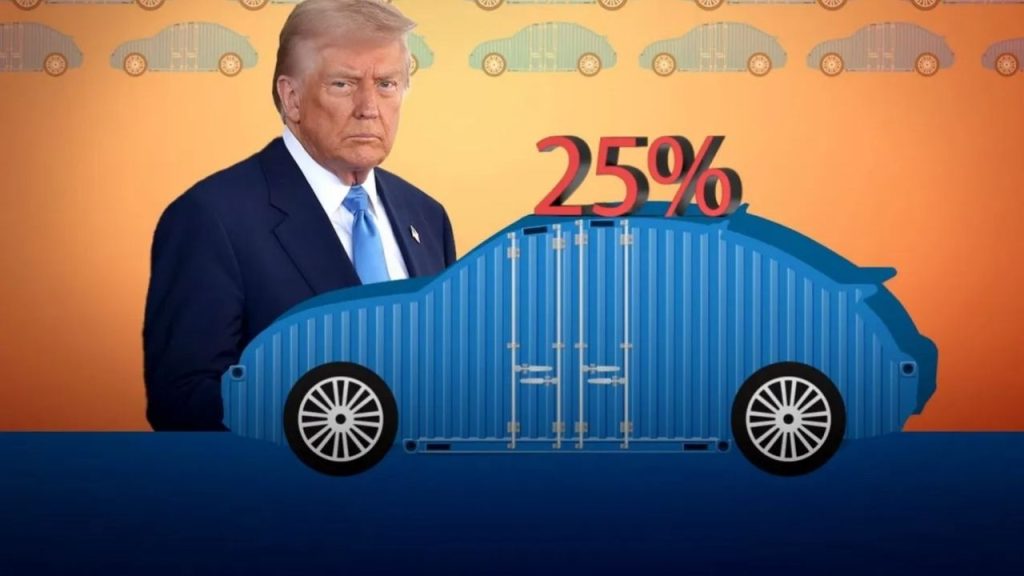
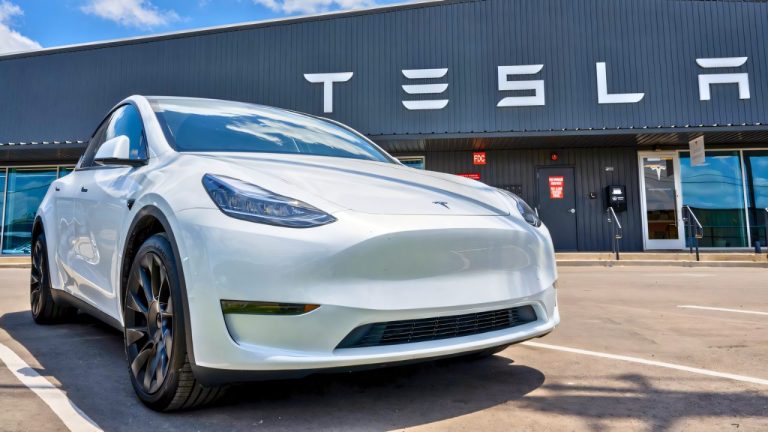
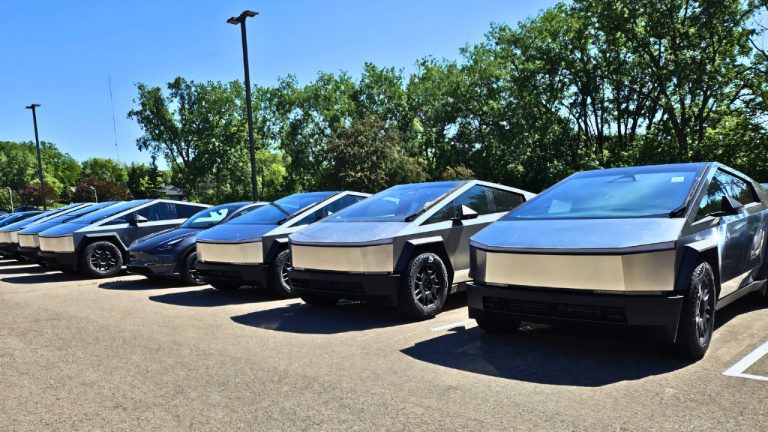
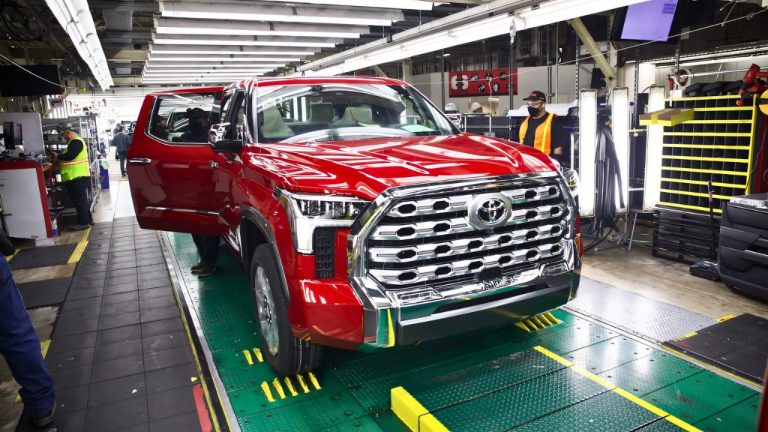
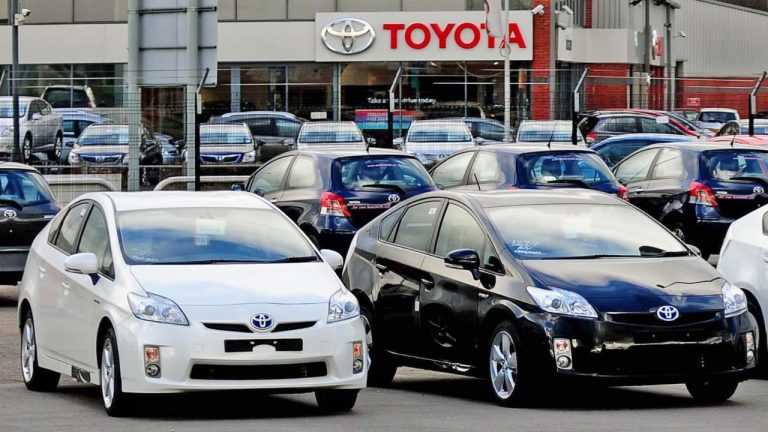
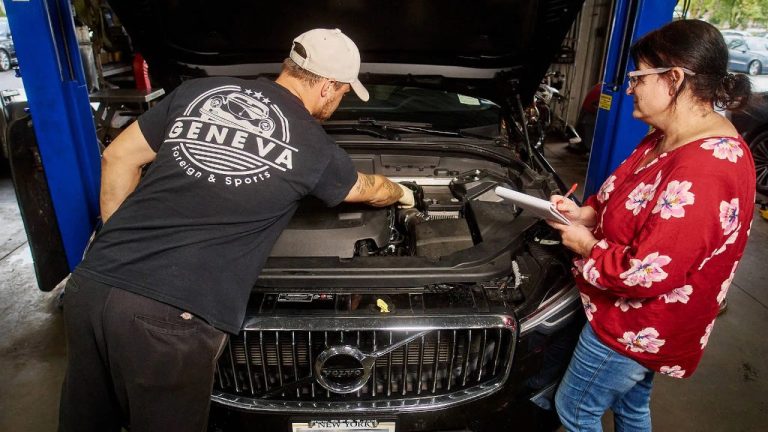
The exemption meant nothing for car buyers. Section 232 tariffs on finished automobiles and auto parts, set at 25%, were never part of the IEEPA regime that the Court struck down. They survived untouched. Those 25% duties took effect on finished vehicles in April 2025 and on parts a month later. Industry estimates suggest Section 232 adds $3,000 to $10,000 to the cost of a U.S.-assembled vehicle. Automakers dodged a 15% tariff while still paying a 25% one.
The Real Burden
The industry itself said it plainly: Section 232, not IEEPA, drives automotive costs. Steel and aluminum tariffs sit at 50% while vehicle tariffs are at 25%. Those rates apply to most countries, with modified 15% rates for EU, Japanese, and South Korean products. Mexico, which supplied a dominant share of U.S. heavy truck imports before Section 232, faces permanent competitive damage. A Supreme Court victory that leaves the heaviest tariff untouched is a victory measured in press releases instead of price tags.
Tariff Archaeology
The effective tariff rate on all U.S. imports hit 16% before the ruling, the highest since 1936. After the Court struck down IEEPA tariffs, it dropped to 9.1%. Then Section 122 pushed it back to 13.7%, the highest since 1941. That sequence matters: the administration lost its primary tariff tool and shifted most of the burden within days through a statute nobody had ever used for this purpose. The tariff wall barely shrank, and the legal foundation beneath it just rotated.
The $142 Billion Question

The IEEPA regime collected an estimated $142 billion during 2025, accounting for roughly half of the administration’s total tariff revenue. The Supreme Court declared those tariffs illegal. Logically, importers are owed refunds. But the Court’s opinion established no mechanism for returning the money. The Court of International Trade received the task. As of late February 2026, no comprehensive refund process existed. Administration officials warned that refunds could become entangled in litigation for years. The money is owed. The machinery to return it hasn’t been built.
Deadline Quicksand

Three separate tracks exist for importers seeking refunds, and each leads to a different destination. Unliquidated entries can file Post-Summary Corrections within roughly 300 days of entry. Entries liquidated after the ruling may file protests arguing that CBP made an error. Entries liquidated before February 20 must go directly to the Court of International Trade. Importers have 180 days from the date of liquidation to file protests. For entries liquidated in summer 2025, that window is closing or has already shut.
Deals Unraveling

The EU negotiated tariff reductions to 15% in exchange for $600 billion in investment commitments. Japan pledged $550 billion for automobile tariff cuts while South Korea committed $350 billion. Then a flat, non-discriminatory global tariff replaced the entire framework on which those deals were built. The EU froze ratification on February 23. Japan sought assurances it wouldn’t be worse off. Billions in negotiated commitments, rendered uncertain by a single Supreme Court opinion and a statute nobody saw coming.
The 150-Day Clock
Section 122 expires July 24, 2026, unless Congress extends it. The administration has already announced Section 301 investigations into unfair trade practices and is considering expanded Section 232 probes covering batteries, cast iron, electrical grid equipment, and plastics. The strategy is clear: use the 150-day window to build replacement tariff authorities with no expiration date. Yale Budget Lab projects current tariffs will increase unemployment by 0.3 percentage points by the end of 2026 and cost roughly $30 billion annually in GDP.
Who Pays

Yale Budget Lab estimates the tariff burden costs households $600 to $800 per year if Section 122 expires on schedule, and $1,000 to $1,300 if extended or replaced. The bottom income decile bears roughly three times the burden of the top decile as a share of income. That ratio holds whether the tariff comes from IEEPA, Section 122, or Section 232. The legal authority keeps changing. The check arrives at the same kitchen tables. And the administration is building the tools to make it permanent.
Sources:
“State of Tariffs: February 21, 2026.” The Budget Lab at Yale, 21 Feb 2026.
“Supreme Court Tariff Ruling: IEEPA Revenue and Potential Refunds.” Penn Wharton Budget Model, 20 Feb 2026.
“EU Parliament Puts US Trade Deal on Ice After Latest Trump Tariff Hit.” E&E News / Politico, 23 Feb 2026.