8 Pickup Trucks Linked To Over 1.8 Million Recalls That Shoppers Should Skip In 2026
It won’t warn you first. It’ll die in the fast lane with your kids buckled in behind you. It’ll brick itself on a jobsite when you’re already bleeding money. It’ll refuse to start at 5:30 a.m. when there’s no loaner, no Uber, and no Plan B. And this isn’t hypothetical. Right now, more than 1.8 million pickups are sitting under active NHTSA recalls—spread across eight high-risk configurations, multiple engines and generations, and seven nameplates that families and contractors trust with their livelihoods every single day.
This has nothing to do with brand loyalty or which logo looks best on a tailgate. The data tells a blunter story: certain trucks, in certain configurations, are failing at rates that should make any owner nervous—and the list includes some of the most popular rigs on American roads. If yours is parked in the driveway right now, you’ll want to know where it lands.
1. Ram 1500 With 3.0L Hurricane: The Future That Broke Early
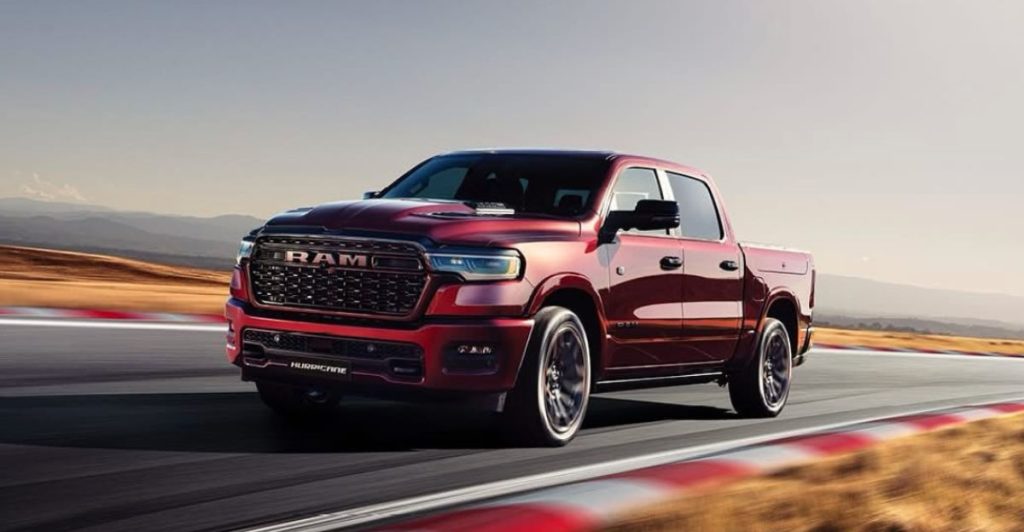
Ram’s 3.0L twin‑turbo Hurricane straight‑six was supposed to replace the Hemi and drag the 1500 into a high‑tech future. Instead, early owners and reviewers are seeing plastic thermostat housings fail, leading to overheating and warning lights on very low‑mile trucks. Torque News documented a 2026 Bighorn owner whose Hurricane‑powered Ram overheated at about 800 miles due to a failed thermostat, and analysts cite repeated thermostat issues across the Hurricane lineup, with some owners waiting for replacement parts.
There’s no formal engine recall yet, but when your brand‑new powertrain is already boiling over in its first thousand miles, you’re effectively beta‑testing for the manufacturer.
2. Ram 1500 With 5.7L Hemi: The Transmission Jerk Nobody Expected
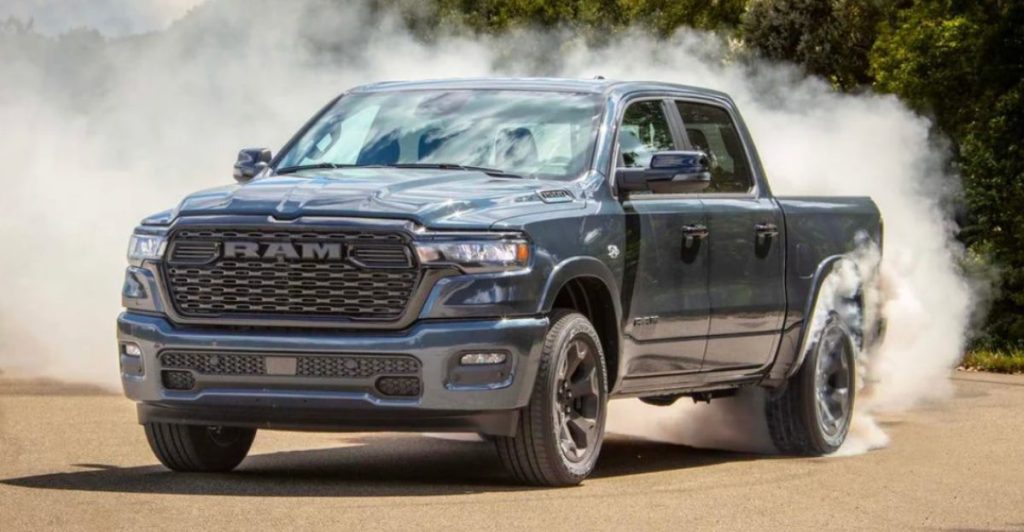
You’d think buying the old‑school Hemi would be the safe play compared to the Hurricane—proven engine, long track record, solid reputation. But 2026 Hemi owners are running into their own headaches. MotorBiscuit reports that Ram 1500 HEMI drivers are experiencing a jerky downshift at low speeds that feels like an abrupt manual downshift, and Torque News notes some dealers are calling the behavior “normal” and blaming adaptive transmission logic.
Other owners say the shift quality improves as the transmission “learns,” but that doesn’t change the fact that a truck at this price point shouldn’t lurch and buck in traffic while the service advisor shrugs. If the “safe” engine option comes with drivetrain behavior the dealer won’t fix, that’s not a reassuring ownership experience.
3. Chevrolet Silverado 1500 6.2L (L87): The Premium Engine Under Stop‑Sale
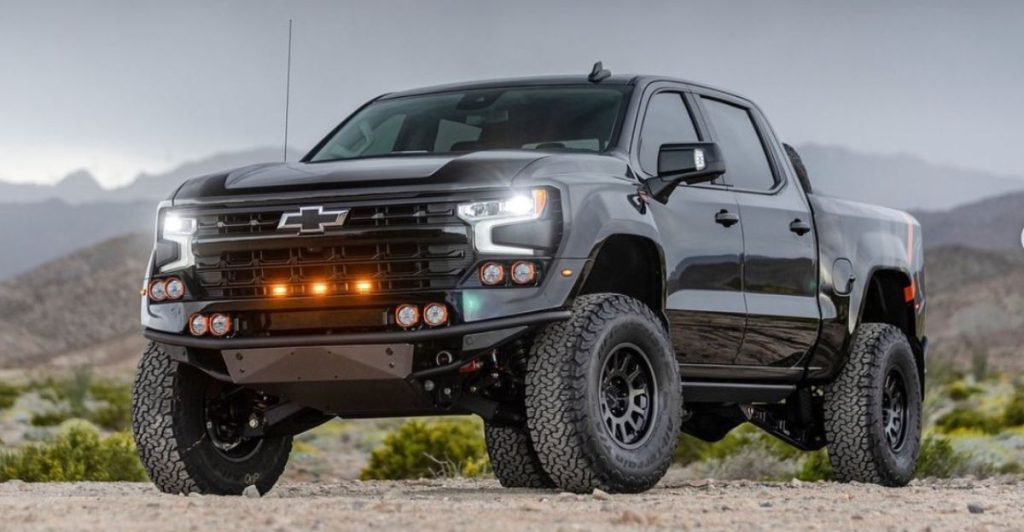
On paper, the 6.2‑liter L87 V8 in the Silverado 1500 is the dream spec—top power, top trims, big‑tow bragging rights. In reality, GM is recalling about 721,000 vehicles equipped with the 6.2L L87 engine from the 2021–2024 model years due to internal crankshaft and connecting‑rod defects that can cause loss of propulsion and catastrophic engine failure. That recall covers a mix of full‑size pickups and SUVs, including Silverado 1500 and Sierra 1500, along with Tahoe, Suburban, Yukon, and Escalade.
GM Authority reports that dealers must inspect the oil for metal contamination, switch affected engines to 0W‑40 oil, and replace the engine outright if damage is found. Walk onto a lot in 2026 looking at a lightly used 6.2L Silverado, and you’re squarely inside that recall footprint, whether the salesperson mentions it or not.
4. GMC Sierra 1500 6.2L (L87): Same Badge, Same Breaking Point
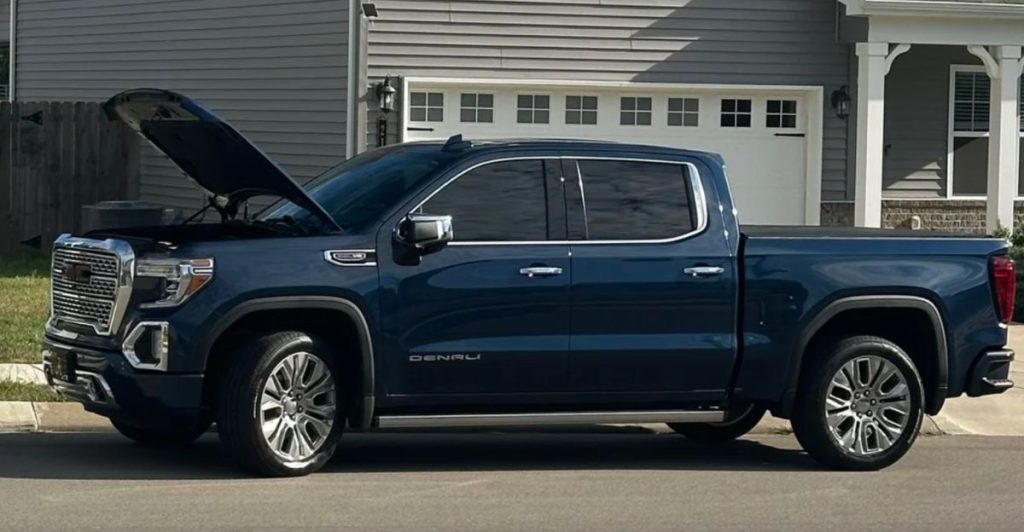
The Sierra 1500 shares that same 6.2‑liter L87, built in the same plants over the same 2021–2024 window, and it’s under the exact same NHTSA campaign. GM’s safety documents spell out the risk: a crankshaft or connecting‑rod defect can lead to engine damage, loss of power, and an increased crash risk if the truck suddenly loses propulsion in traffic.
GM has issued a stop‑sale on affected vehicles until inspections and any required repairs are completed, and the company has mailed “important safety recall” notices to owners explaining that engines may have to be replaced. For 2026 buyers eyeing a 6.2L Sierra, that means any truck without clear recall paperwork is a rolling question mark you don’t need in your driveway.
5. Toyota Tundra (Non‑Hybrid 3.4L Twin‑Turbo V6): When Bulletproof Became Breakable
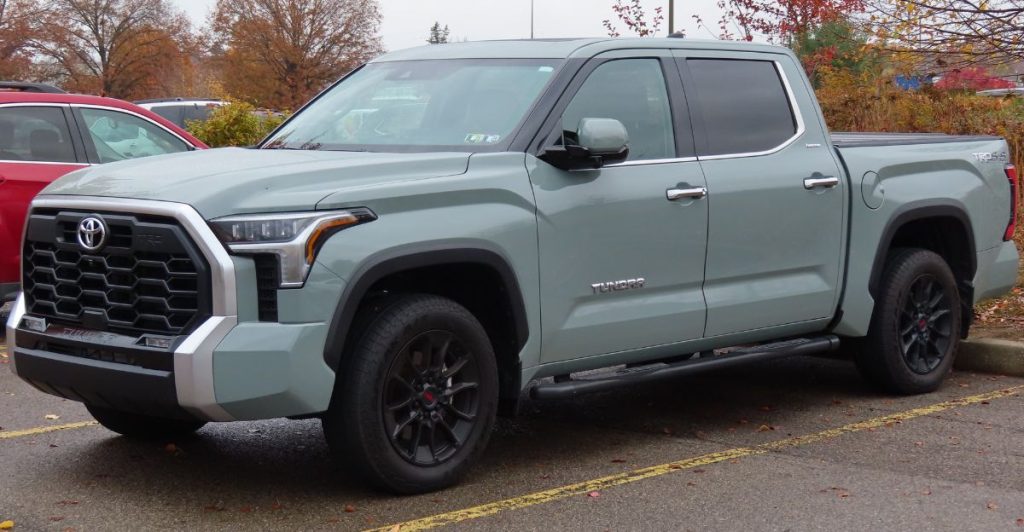
Toyota built its reputation on engines that run forever, which is why the Tundra’s situation hits so hard. In late 2025, Toyota recalled about 127,000 vehicles, including 2022–2024 non‑hybrid Tundra pickups plus Lexus LX and 2024 GX models, because machining debris may have been left inside the 3.4‑liter twin‑turbo V6 during production. Toyota’s filings and coverage from Car and Driver and Cars.com note that the debris can damage bearings and cause knocking, rough running, stalling, or no‑start conditions, and the automaker already replaced entire engines in an earlier recall covering roughly 102,000 2022–2023 Tundra and LX vehicles for a similar defect.
Independent teardown channels have since highlighted failures even on some replacement engines, suggesting the fix hasn’t fully buried the problem. For a truck that used to be shorthand for “buy it and forget about it,” that’s a brutal reversal.
6. Chevrolet Colorado (2023–2024): Midsize With Major Headaches
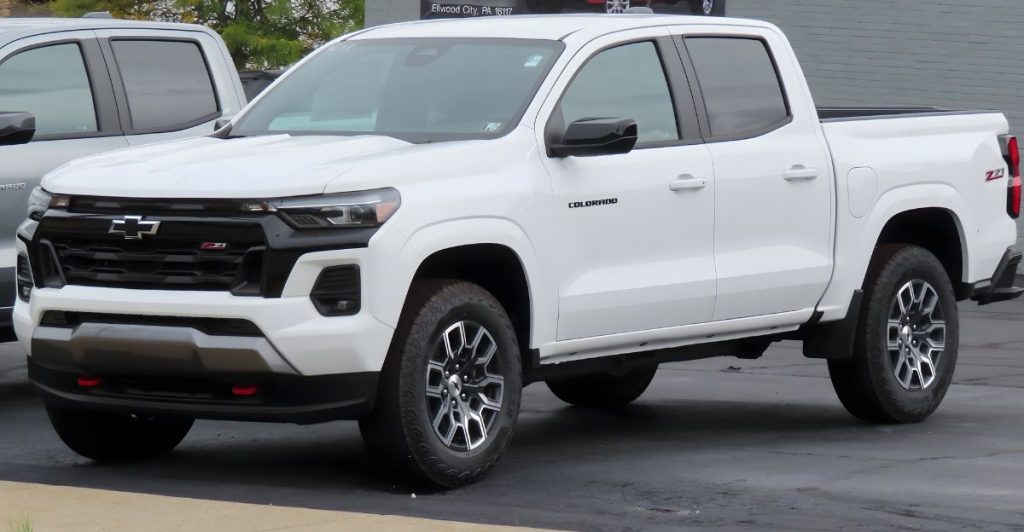
Drop down a size, and the Colorado proves that “smaller” doesn’t mean “safer.” Edmunds owner reviews describe major problems before 5,000 miles, including module failures that knocked out safety systems for months, battery drains, botched over‑the‑air updates, and engine troubles serious enough to require a full teardown and rebuild on nearly new trucks. Consumer Reports rates the 2023 Colorado below average for predicted reliability and has singled it out among the least reliable new vehicles in America.
On top of that, NHTSA Safety Recall 24V‑133 pulled in more than 46,000 2023 Colorado and Canyon trucks for unwanted automatic emergency braking that could trigger phantom stops, after GM confirmed multiple crashes and injuries tied to the defect. For a midsize truck sold as the practical choice, that’s a lot of drama packed into a smaller footprint.
7. GMC Canyon (2023–2024): The Glitch Twin To Avoid
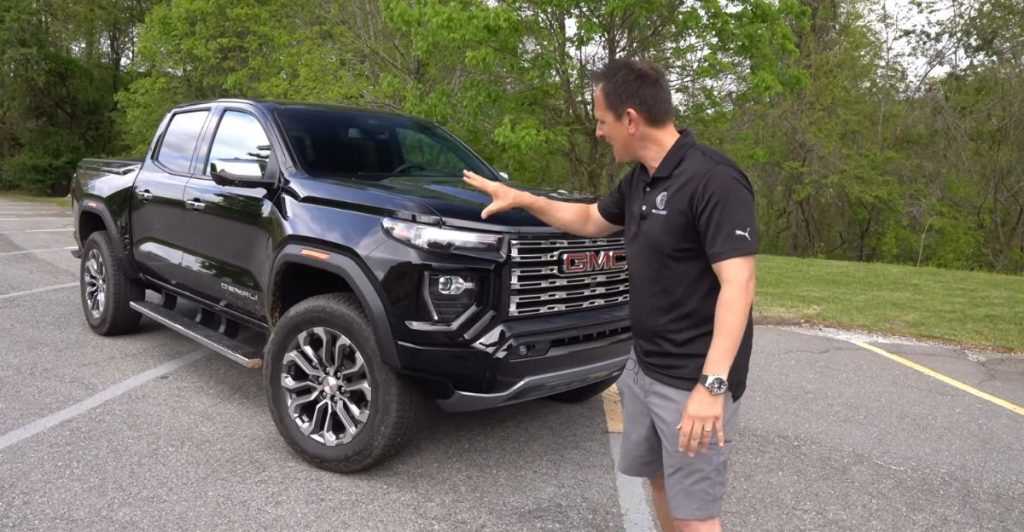
The Canyon is Colorado’s near‑clone, and it inherits the same headaches. Shared platforms mean shared electronics and drivetrains, and Edmunds owner reviews describe being stranded at around 3,000 miles by electrical or battery issues with no clear root cause, along with intermittent failures in the backup camera, trip computer, and auto high‑beams on trucks that are essentially brand‑new. Consumer‑focused outlets peg its predicted reliability as below average for the class, echoing Colorado’s problems almost line by line.
That same 24V‑133 phantom‑braking recall hit just over 9,000 GMC Canyons, with the automatic emergency braking system triggering unexpected braking events that GM acknowledges led to crashes. In a midsize field where long‑term durability is a major selling point, the Canyon feels less like a safe bet and more like a software experiment with a bed on the back.
8. Jeep Gladiator (2020–2024): The Off‑Road Hero With On‑Road Problems
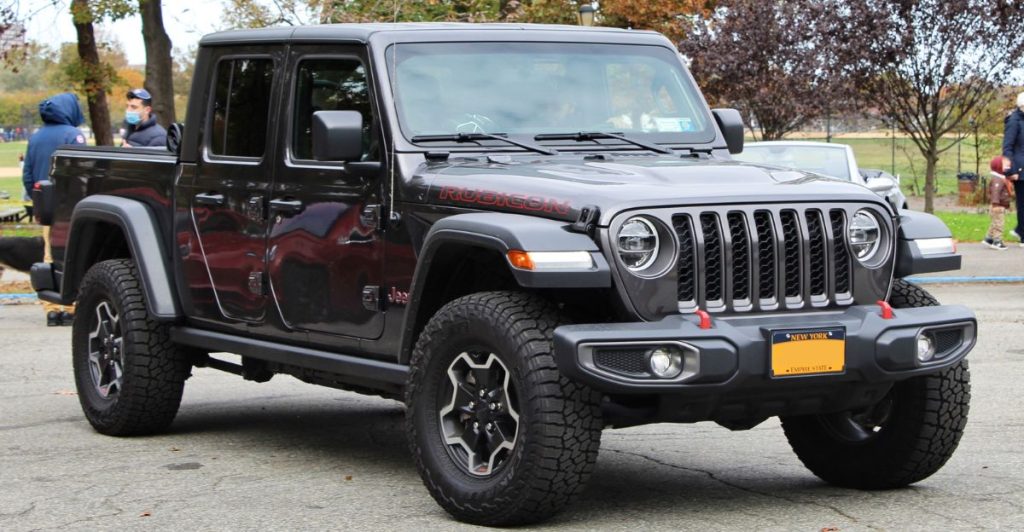
The Gladiator is supposed to be the Wrangler you can actually haul stuff in—rock‑crawling capability meets pickup practicality. But common‑problem breakdowns and defect trackers tell a different story. The Lemon Firm and AutoSafety.org list engine misfires and stalling, transmission complaints, wandering steering, and classic Jeep “death wobble,” and electrical issues ranging from dead instrument clusters to intermittent lighting as recurring problems across 2020–2024 trucks.
On the recall side, recent campaigns have pulled in tens of thousands of Gladiators for faults like instrument‑panel clusters that can go blank while driving and airbag or occupant‑protection issues that don’t meet federal standards. For a truck marketed to people who depend on it in remote places, the mix of steering wobbles, electrical failures, and safety‑system recalls is a lot to sign up for.
The Pattern No Dealer Will Spell Out For You
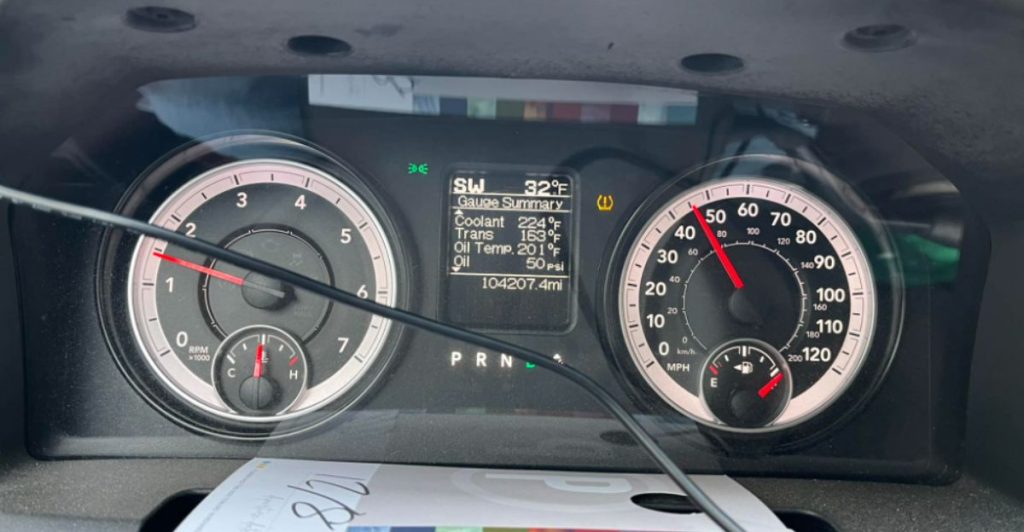
Step back, and the pattern is obvious: high‑output, high‑complexity engines and drivetrains pushed to market before their weak links were fully sorted, then propped up by a blizzard of recall notices. GM is combing through more than 700,000 6.2L V8 vehicles for internal defects that can grenade an engine, while also issuing AEB and tire‑fitment recalls on its newer midsize pickups. Toyota is chasing machining debris across multiple runs of its new 3.4‑liter twin‑turbo, and has repeatedly recalled the Tundra and its Lexus twins for the same problem.
Jeep is writing recall letters for dead instrument clusters and federal‑standard failures on top of its long‑running steering and suspension complaints. Ram, meanwhile, is fielding early overheating and shift‑quality stories on both its “future‑proof” Hurricane and its supposedly safe Hemi fallback. The common thread: you’re paying new‑truck money to be the test pilot.
Sources
GM Recalls 721K Trucks, Full-Size SUVs Due to Defective 6.2L V-8s – Car and Driver
Toyota Recalls 127K Tundras, Lexus SUVs for Potential Engine Debris – Car and Driver
“I Paid $65K For My 2026 Ram Hurricane Only To Have It Overheat at 800 Miles” Says Bighorn Owner – Torque News
‘Jerky Down Shift’ 2026 Ram 1500 HEMI Owners Fear Transmission Problems – MotorBiscuit
Used 2023 Chevrolet Colorado Consumer Reviews – Edmunds
Chevrolet Colorado, GMC Canyon Trucks Recalled for Braking – Consumer Reports